
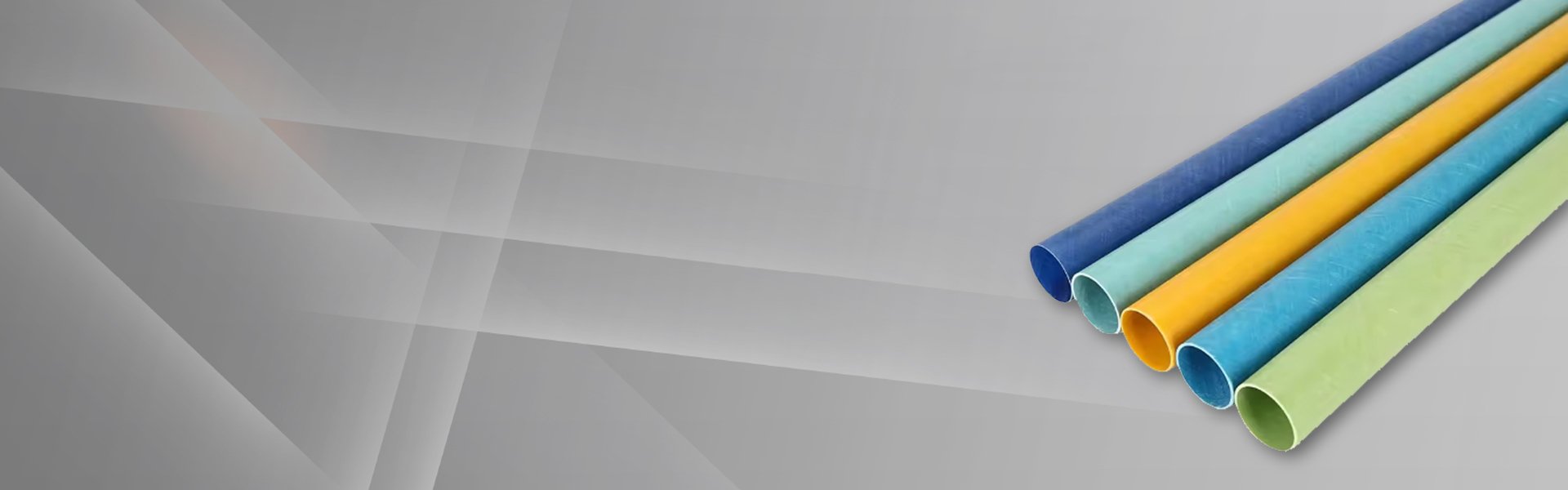
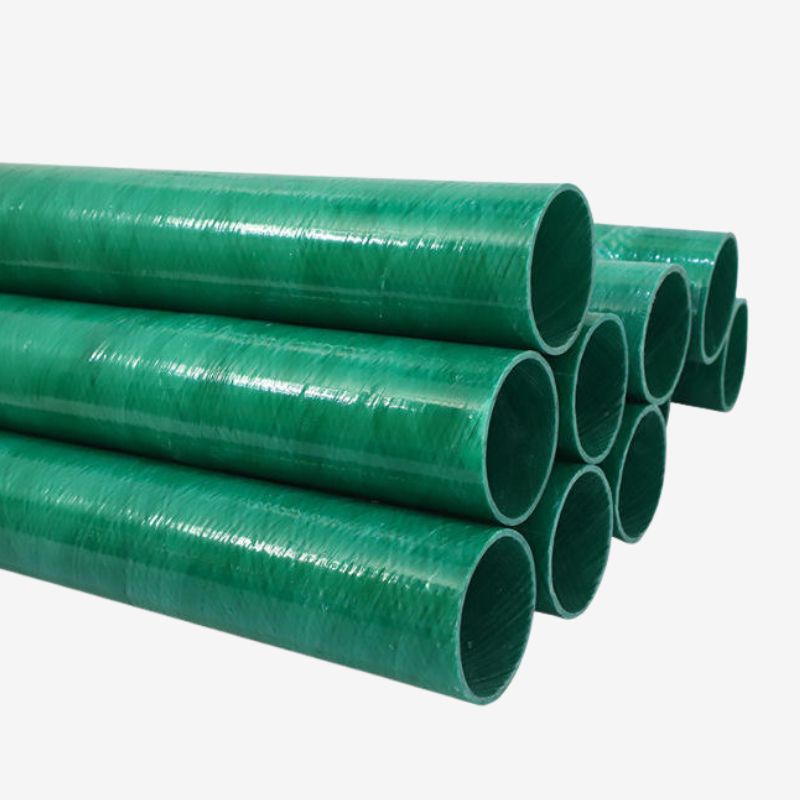
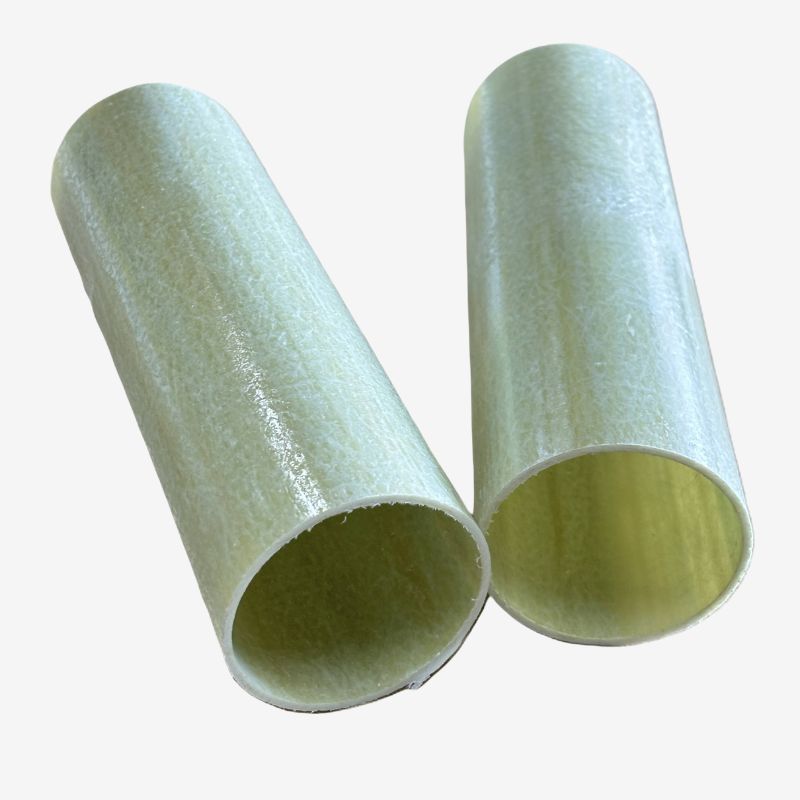
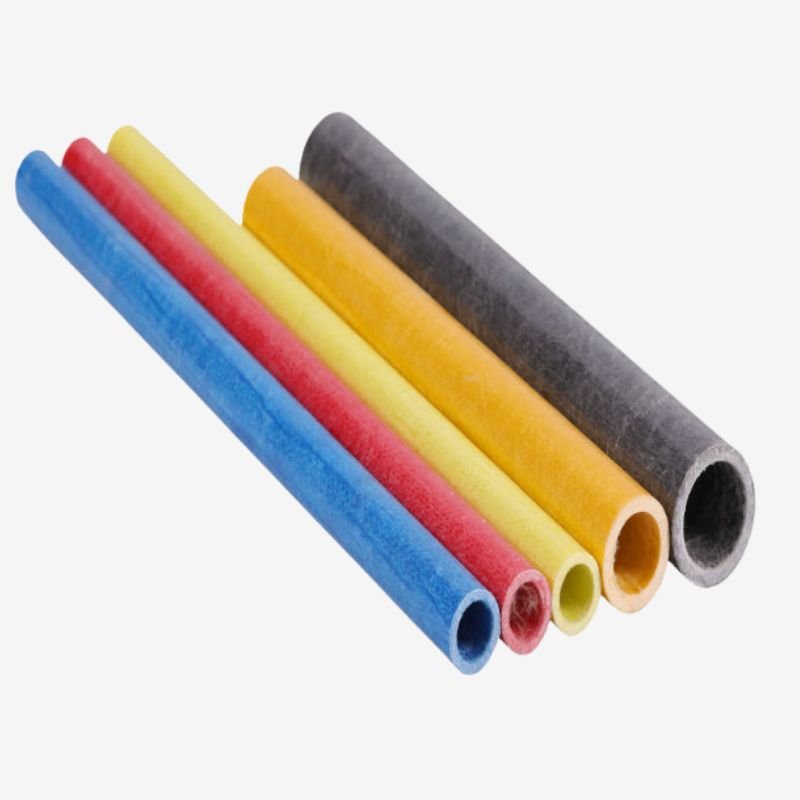
Why Choose Our FRP Tubes?
High Performance FRP Pipe Manufacturer for Global Projects
- 20 years+ FPR pipes production experience.
- All products are certified by ISO9001, ISO45001, ISO14001 .
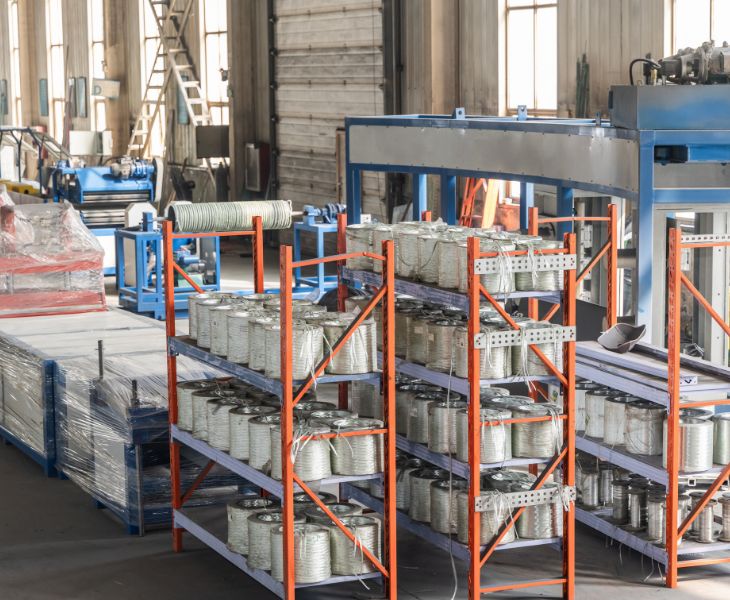
- A computer controlled winding process is adopted to make FRP pipes with high process precision.
- 7*24 hours quick response after-sales service.
Professional FRP Tubes Manufacturer in China
Covering an area of 10,000 square meters, our company is a modern enterprise integrating design, production, installation and sales of FRP pipes. Equipped with excellent quality testing equipment, we are able to produce high quality FRP pipes for you. We also support the customization of FRP pipes for different needs.
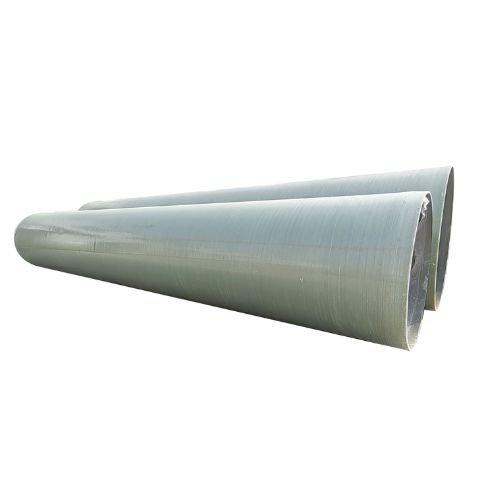
FRP desulfurization pipe is used in flue gas desulfurization system, which can effectively avoid the problem of corrosion or scaling in the long time contact with sulfur containing or acidic substances. It is suitable for desulfurization steps in power plants and chemical plants.
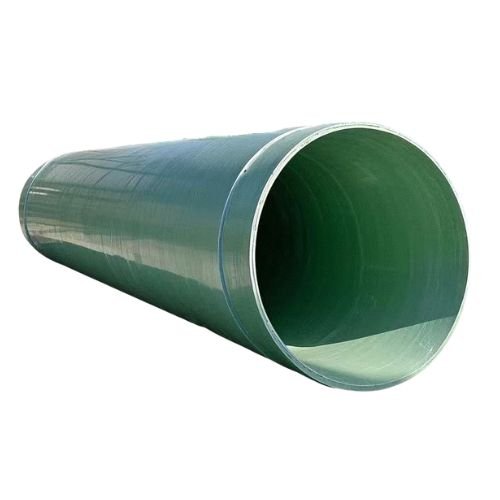
FRP sandwiched pipe refers to the FRP pipe with quartz sand in the structural layer, this structural design can improve the overall structural strength, and is suitable for fluid pressure or long distance transportation projects. For example, sewage discharge, seawater transportation and so on.
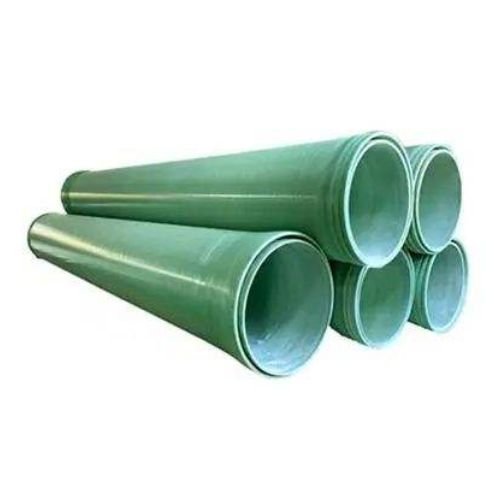
For FRP pressure pipes, the winding process is controlled by computer to ensure production accuracy and pressure resistance. They are suitable for applications with high water pressure.
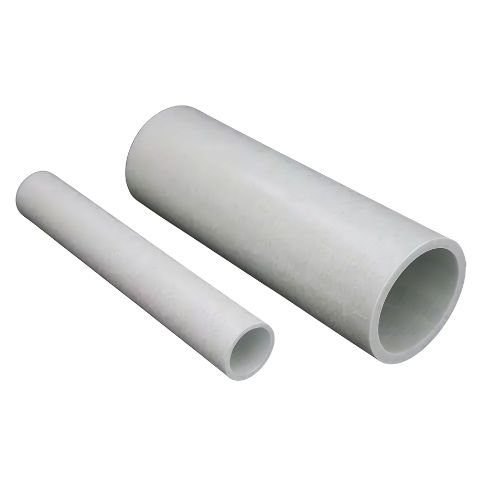
FRP cable protection pipes are mainly used to protect the cables of urban communication systems and ensure smooth signal transmission in daily life.
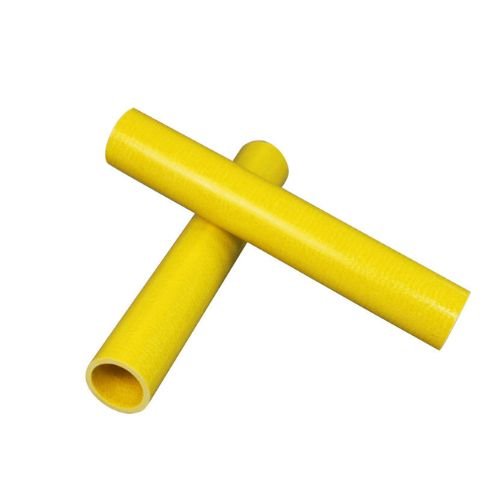
FRP water transmission pipes can transport urban water with smooth inner walls and good sealing.
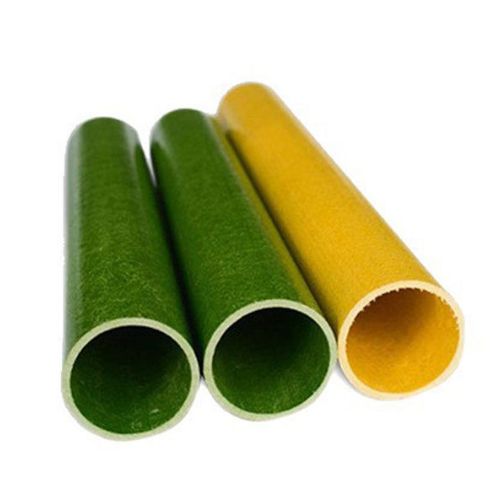
For the transmission of heat energy, FRP thermal insulation pipes have a better thermal insulation inner layer to avoid heat loss and energy waste during transportation.
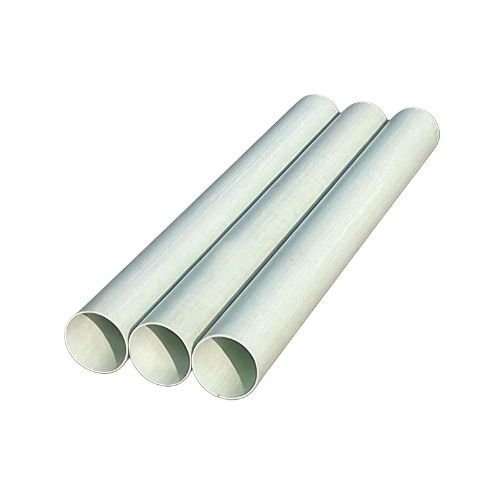
FRP ventilation pipes can be used for the transportation of corrosive or humid gases, and their lightness allows them to be easily suspended from high places for the transportation of gases.
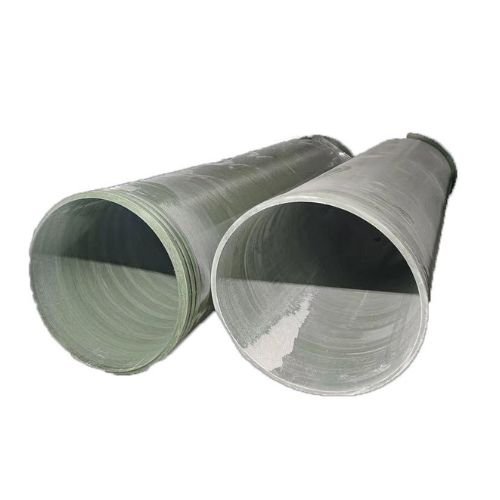
FRP sewage pipes are often used to transport corrosive, polluting industrial wastewater or municipal wastewater.
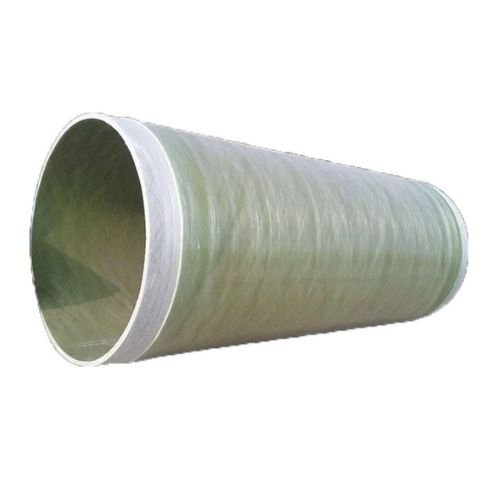
FRP header pipes are suitable for urban pipeline laying, and can be used under rivers and roads with good pressure resistance.
Features of FRP Pipe

It has inert chemical properties, will not easily react with acid or alkali, seawater, oil substances.

FRP pipes have good resistance to water pressure, external pressure and impact, and will not be ruptured or damaged due to high pressure, having a service life up to several decades.

Glass fiber and resin are lightweight materials, and the transportation of FRP pipes is very convenient.

The base material of FRP resin has heat insulating properties, which can prevent the high temperature liquid from causing heat exchange or harming the other components in your factory.
Flame Retardant
Our FRP pipes have passed the ASTM flame retardant test. The base resins (phenyl resin, phenolic resin, vinyl resin, etc.) are made of high quality materials and unique flame retardant formulations. Their flame spread coefficients are less than 15, 10 and 5 respectively, ensuring a high safety use in flammable and explosive chemical plants.
Lightweight But Strong
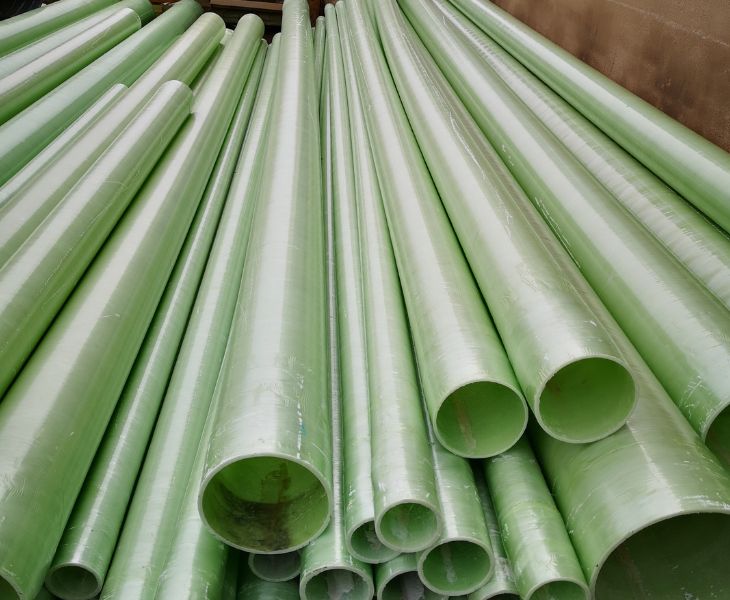
Glass fiber yarn and resin are both relatively lightweight materials. With the right material ratio, their mass is about one quarter of the weight of steel. This saves you a lot of labor and time in transportation and installation. It can also be used in many applications where lightweighting is required.
Providing a Wide Range Of Reliable Connection Solutions
We can provide you with a wide range of reliable connection solutions. For regular pipe connections, we can provide tees, flanges and other connection fittings to ensure stable and tight pipe connections. This ensures that there is no leakage during operation. For special connections, we also provide professional customized services to meet the higher requirements of your project. No matter if it is for corrosion prevention, high pressure or other special conditions.
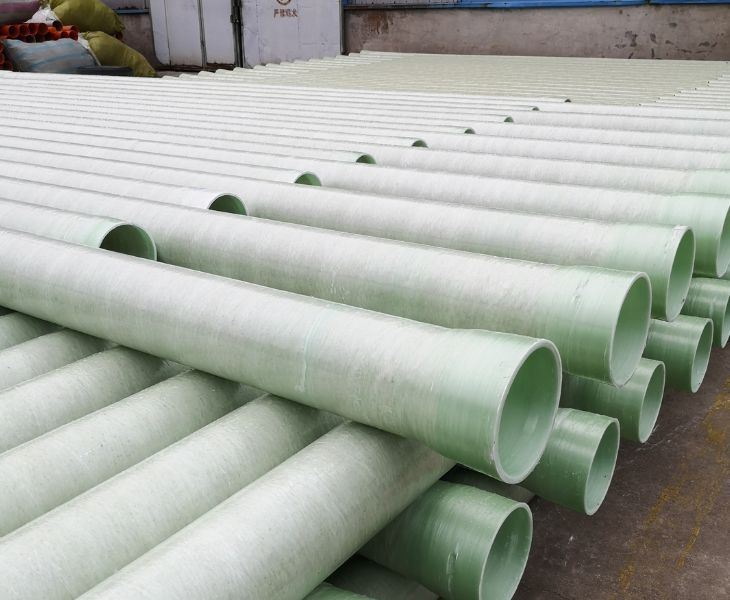

In the petrochemical field, FRP pipes can withstand transportation of corrosive liquids such as acids, alkalis, oils, etc. for a long period of time, maintaining the original structure and properties and providing reliable performance.

The pressure resistant nature of FRP piping can be put to good use in hydroelectric power stations. Meanwhile, it can avoid water seepage that could affect the normal operation of the hydropower station system or even cause safety hazards.

In agricultural irrigation, FRP pipes can be laid along long distances. And their lightweight nature makes the laying process simple and efficient, making them suitable for large scale irrigation of agricultural products. At the same time, its weather resistance ensures the long term reliability of outdoor applications.

FRP pipes are also suitable for marine environments. They are able to resist corrosion caused by seawater for a long period of time, and are being widely used in shipbuilding, offshore platforms and other projects.
No, in fact, FRP is very simple to install. First of all, due to its light weight (about a quarter of a steel pipe of the same volume), it is very labor-saving to transport and install. For the actual splicing, you just need to splice the pipes together, a process that may require the use of fittings such as tees, flanges, elbows, and so on.
FRP almost doesn’t need any maintenance measures. It is strong enough and resistant to many types of corrosion. All you need to do is to regularly check for leaks at the pipe joints.
The fittings we can offer you include:
- Tees
- Elbows
- Flanges
If you also have special connection needs, we also support customization.
What is a FRP Pipe?
FRP (Fiberglass reinforced plastic) pipes use the resin as the base material, and the glass fibers are wound on top of the resin. The quartz sand is laid between the fibers as an interlayer product to further enhance its structural rigidity and pressure resistance. These components make FRP pipes more robust and durable.
With its advantages of corrosion resistance, light weight and high strength, and cost friendliness, it is now widely used in today’s petroleum, chemical and many other fields.
Structure of FRP Pipe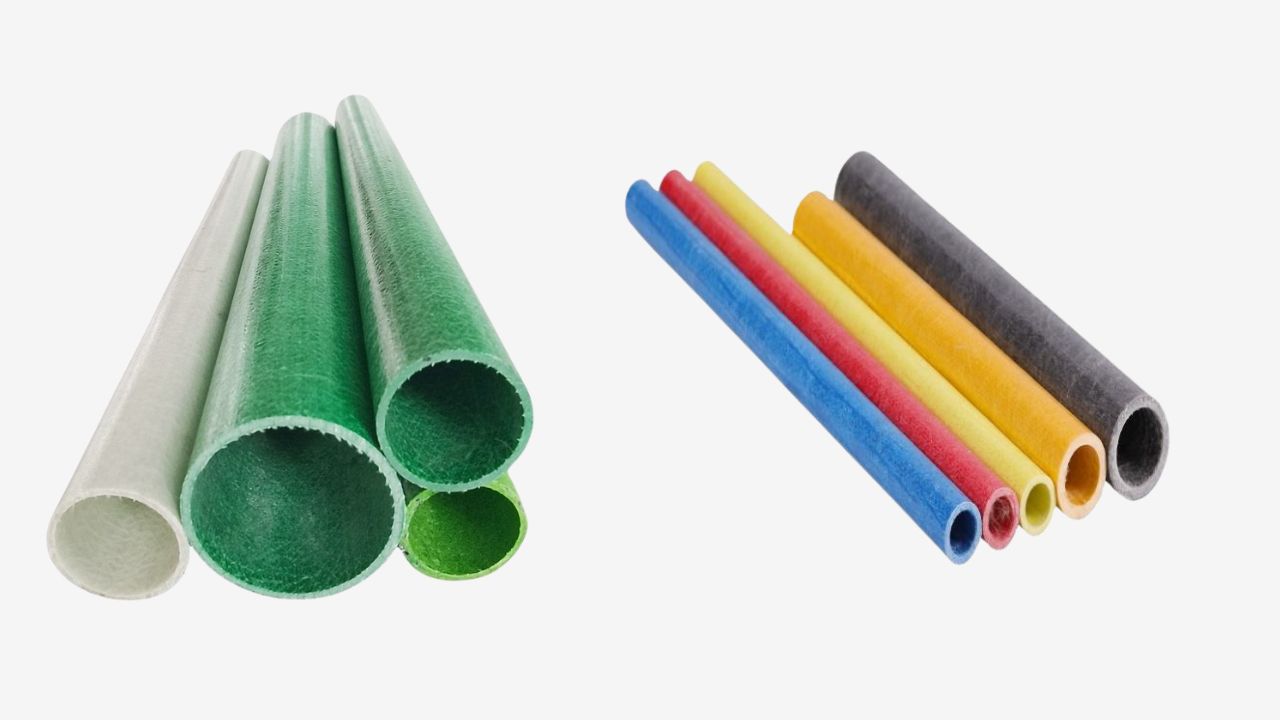
Lining layer
It needs to directly contact the material being conveyed. you can choose different properties of the resin according to the different contents. For example, acids and alkalis and other liquids need more corrosion resistant resins, while the delivery of drinking water needs food grade materials to ensure safety.
Transition layer
The transition layer generally complies with components including resin, glass fiber. It works to provide a transition space for the pipe, avoiding the pipeline delamination being caused by the high temperature, so enhancing the stability of the overall structure.
Structural Layer
The structural layer consists of resin entwined with fiberglass, and a quartz sand material is also added to provide strength. It is a critical part of the pipe that provides the main structural strength and pressure resistance.
Outer Layer
The outer layer is mainly used to protect the multi-layer structure inside the FRP pipe. For example, it needs to be UV resistant, abrasion resistant, corrosion resistant or weather resistant, avoiding the damage caused by the external environment. You can choose the outer layer with different treatments (resin coating, metal plating) according to the specific application.
What Are The Optional Resin Materials For FRP Pipes?
| Features\Types | o-Phenyl Resins | m-Phenyl Resins | Vinyl Resins | Phenolic Resins |
| Corrosion resistance | Better corrosion resistance to inorganic acids and salts. | Medium strength inorganic acids, weak bases, and salt environments | Suitable for acid, alkali, salt and other corrosive environment | Resistant to acids and many solvents |
| Operating temperature | -50℃-52℃ | -50℃-90℃ | -50℃-100℃ | Up to 180℃ |
FRP Pipes Vs Steel Pipes
| Features|types | FRP pipes | Steel pipes |
| Weight | Lighter, approximately 1/4 of the steels pipes | More heavier |
| Life span | Longer service life up to 50 years | Shorter |
| Cost | Lower | Higher |
| Installation difficulty | Easy | More laborious |
| Corrosion resistance | Better resistance to chemicals and seawater. | Easily corroded, generally requires surface coating |
How to choose the Right FRP pipes?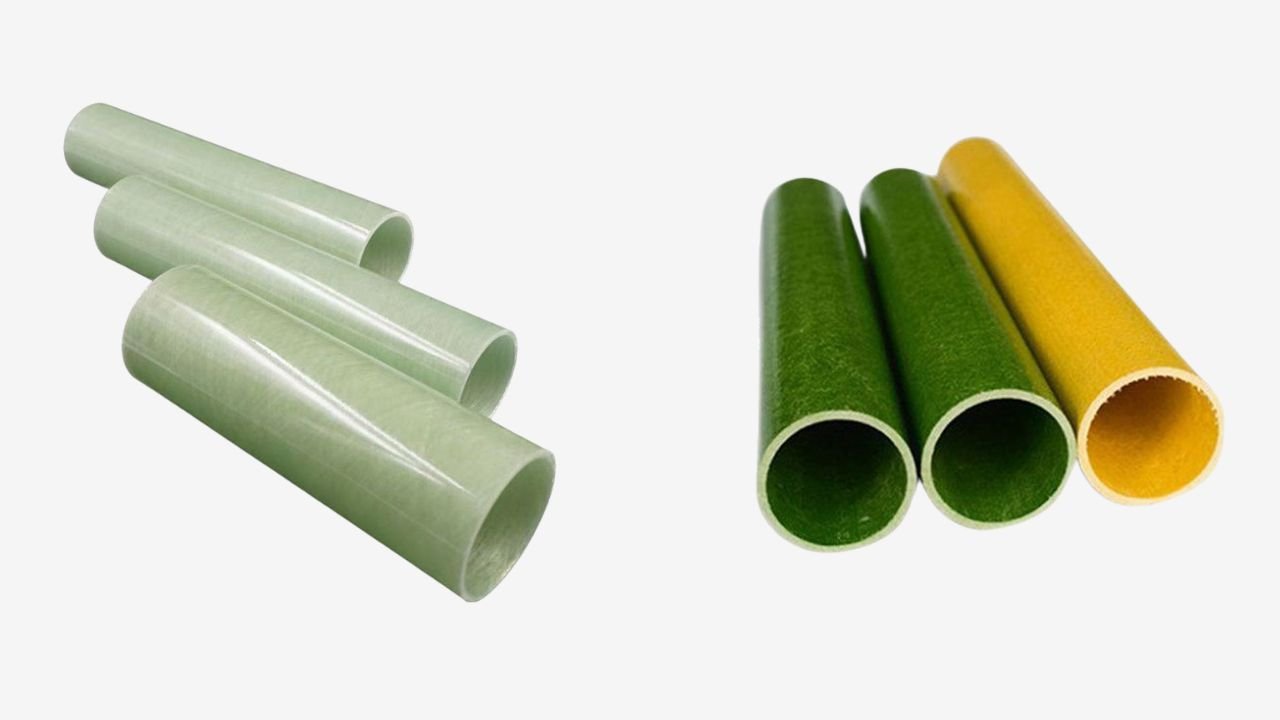
Selecting According To The Medium To Be Conveyed
First, you need to clarify the nature of the conveyed liquid. Depending on the corrosion property of the liquid, you can choose different kinds of resins. For the transportation of drinking water, beverages and other food related substances, you need to choose to use a food grade material lining layer to ensure safety.
According To The Degree Of Pressure In The Application
It is also worth considering the pressure level that your FRP pipes need to withstand in actual operation. For example, FRP pipes are usually required to withstand higher pressure in projects such as hydroelectric power stations and industrial water recycling. So before buying FRP pipes, you can check with the manufacturer about its specific pressure rating so that you can choose a product with reliable performance.
Selecting The Right Thickness
The thickness of the pipe also affects the overall strength as well as the ability to resist pressure of the FRP pipe, so you can consider the operational needs, working pressure and other factors to choose the appropriate thickness and more economical FRP pipe.
Working With a Trusted FRP Pipes Manufacturer
What is equally important is the selection of a reliable manufacturer. This reliability is generally reflected in the mature production experience and perfect quality control system. Mature production experience means that it has specialized factories to ensure the accuracy and consistency of FRP pipes in multiple mass production. And the perfect quality control system represents the trustworthy pipe quality, which builds a solid guarantee for your project.