
Why Choose Our FRP Rectangular Tube
- The fully automatic pultrusion production line can control the dimensional tolerance of FRP rectangular tubes within ±0.3mm.
- The product has undergone extreme temperature cycle testing.
- Precisely control the content of glass fibers and enhance the tensile strength.
- We have independently developed a flame-retardant formula with an oxygen index of ≥ 32.
Your Reliable FRP Rectangular Tube Manufacturer
Select our FRP planning tubes we can provide you with a corrosion control solution. It has higher strength and is resistant to corrosion for 30 years with no maintenance required. The product combines insulation and flame-retardant properties to achieve safe and reliable performance. The total cost during the entire life cycle is reduced by 60%, and the installation needs less time and fewer workers to complete. Our fiberglass rectangular tubes can make your project more cost-effective in the long run. Contact us immediately to obtain a customized solution!
Features of FRP Rectangular Tube

The material shows resistance against acid, alkali, and salt fog erosion.

Weaker than steel but with a strength comparable to that of steel.

FRP rectangular tube does not conduct electricity and does not generate sparks.

The FRP material extinguishes itself when exposed to fire meet fire protection standards.

Normal use for 30-50 years. The strength of this material exceeds that of steel tubes by three to five times.

There is no need for a rust-proof coating. Low maintenance cost.

The process involves connecting components through bolts, which leads to shorter project timelines.

It is 100 percent recyclable and is LEED certification qualified.
Excellent Corrosion Resistance Capability
FRP material is more resistant to corrosion than traditional metal materials. Even if you use FRP rectangular tubes in various corrosive environments such as acids, bases, salts, and organic solvents, they can maintain their performance and strength for a long time. In corrosive environments such as those found in marine and chemical plants, the FRP rectangular tubes have a longer lifespan and offer better long-term cost-effectiveness.
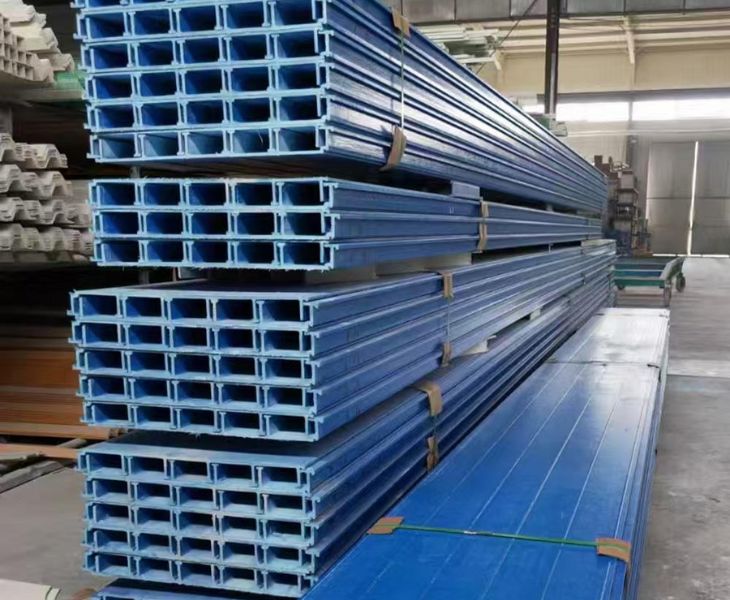
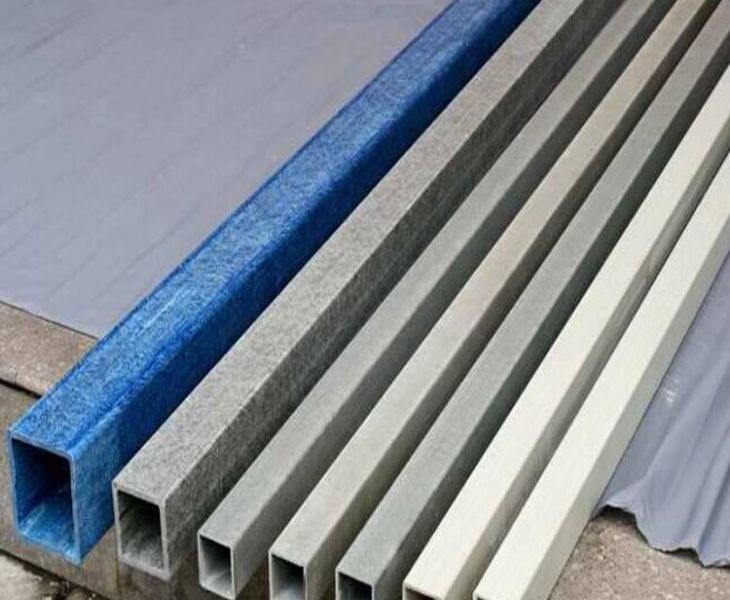
Lightweight and High-strength
The weight is only one-quarter of that of the same-sized steel pipe, yet its tensile strength can reach 350-500 MPa. A single person can lift and operate the device. It connects through bolts, which makes it unnecessary to use welding machines. The installation efficiency exceeds 60% compared to steel pipes, which results in reduced expenses for both transportation and construction activities. For some high-altitude operations, installing FRP rectangular tubes can help you save more on lifting costs.
Insulation and Flame Retardancy
The electrical insulation strength is ≥ 10kV/mm, which provides complete non-conductive protection against electric shock hazards. The material achieves B1 flame-retardant grade, which meets national standards, because its oxygen index reaches 28, and the material self-extinguishes when removed from fire. Using rectangular fiberglass tubing in the electrical area will provide you with greater safety.
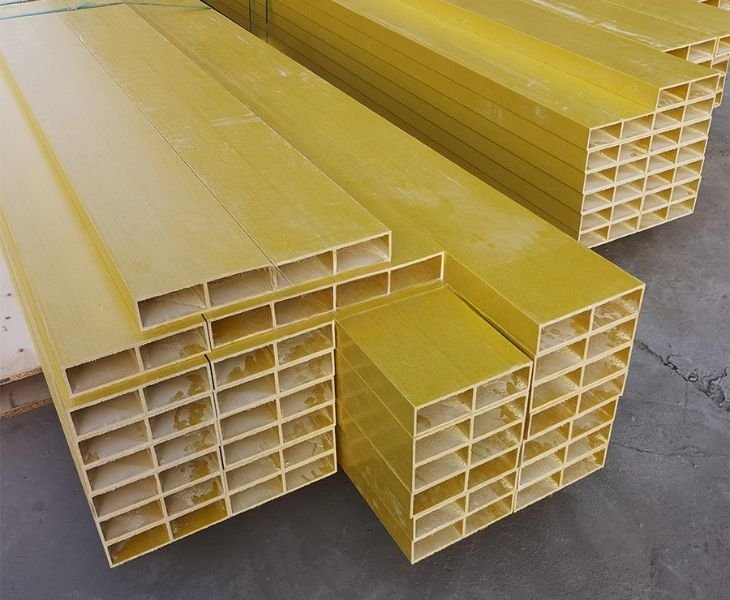
Applications of FRP Rectangular Tube

FRP shows compatibility with chemical plant platforms, pipe racks, and equipment frames.

The material serves as the primary component throughout substation systems, transmission tower systems, and cable tray systems.

The product provides suitable grating for walkways and equipment platforms that withstand both high humidity conditions and extreme corrosive environments.

The material demonstrates excellent protection against salt fog corrosion, which makes it suitable for use in coastal environments.

The FRP rectangular tube system satisfies safety requirements because it uses lightweight materials that decrease structural stress.

The material provides a weather-resistant and anti-aging solution that engineers can use for their municipal projects.

The FRP maintains its protective properties against high temperature and oxidation threats while delivering stable performance in extreme environmental conditions.

The supporting structures of curtain walls and the guardrails used in high-end residential areas all gain improved strength and aesthetic appeal from their application.

The rectangular fiberglass tubing has a smooth and dense surface with no holes. Suitable for use in scenarios with high hygiene requirements, such as food factories.

The material provides protection for the workshop framework and liquid storage pool enclosure against the damaging effects of extreme corrosive chemical liquids.

Greenhouse sheds and livestock enclosures use fiberglass rectangular tubes. Fiberglass rectangular tubes are lighter than traditional steel pipes and are easier to install.

The equipment provides underground support and platform frame lifting and equipment support functions in mining operations because it maintains high impact resistance.

Using fiberglass rectangular tubes in the scenic area can not only provide protection but also maintain a good appearance.

FRP is fire-resistant and insulating, making it suitable for use in power areas such as computer rooms.

It offers high corrosion resistance and reliable performance in extreme environmental conditions. You can rest assured when using it in the military base.
FRP rectangular tubes provide excellent performance for both outdoor applications and environments with corrosive materials. The fiberglass-reinforced plastic material shows inherent protection against acids and alkalis, and salt fog. The materials achieve outdoor usability for 30 years without aging or fading when anti-UV stabilizers are added. The solution provides maximum reliability for use in chemical plants, seaside docks, sewage treatment facilities, and other demanding environments.
The standard operating duration of FRP rectangular pipes extends between 30 and 50 years, which exceeds the lifespan of standard steel pipes by three to five times. The product consists of high-performance resin combined with glass fiber composite materials, which provide exceptional resistance against corrosion and aging, and ultraviolet radiation while maintaining its original state throughout its entire operational period.
The FRP rectangular tubes possess excellent fire resistance and insulation properties! The flame retardant grade reaches the national standard GB8624-2012 B1 level, with an oxygen index of ≥28. The materials will extinguish fire once they separate from the heat source because they do not support combustion. The electrical insulation strength reaches a minimum of 10kV/mm while demonstrating complete non-conductive properties. so makes them safe for use in high-risk environments such as power plants and chemical facilities.
The surface treatment methods for FRP rectangular pipes mainly use four techniques, which include standard smooth surface treatment and anti-slip texture treatment, UV protection coating, and a full-color coating process that combines pigments with resin through non-surface spray coating and local grinding and polishing. Customized solutions for different application areas provide multiple color options and different surface appearance options. The full-color coating process provides permanent color retention, which remains unchanged for 30 years without requiring any repainting work.
FRP rectangular tubes require no maintenance. The surface dust can be removed through daily cleaning, which uses plain water and mild cleaning agents. Strong acid and alkali cleaners should be avoided. The connection bolts should be visually inspected every year to assess their looseness. The surface scratches need repair through the application of a UV protective coating. It requires no rust coating, and it does not require any regular painting.
The FRP rectangular tubes show exceptional thermal tolerance because they can operate between temperatures of -50℃ and +120℃. The FRP materials preserve their toughness at low temperatures while maintaining their original shape at high temperatures. The heat distortion temperature (HDT) reaches 95-140℃, which lets the material adapt to extreme winter conditions, high temperature environments, and diurnal temperature variations. You don’t need to worry that FRP cannot adapt to the temperature of your region.
The production of FRP rectangular tubes consumes only half the energy required for steel production, which decreases the need for replacements and resource waste. The material is non-toxic and harmless, does not release harmful substances, and causes zero pollution during use. The waste products can be recycled and ground for use as fillers, and meet the requirements of the green building LEED certification, helping your enterprise achieve its sustainable development goals and ESG environmental protection commitments.
FRP rectangular tubes do show thermal expansion and contraction properties. The thermal expansion coefficient of the material ranges from 20-30 × 10⁻⁶/°C, which results in a value that is approximately 2-3 times greater than the thermal expansion coefficient of steel. The recommended practice for continuous installations over extended distances requires you to install expansion joints after every 10-15 meters or create 3-5mm expansion gaps at all bolted connection points. Proper design can completely avoid the impact of temperature differences for you.
FRP rectangular tubes have excellent resistance to ultraviolet rays. The production process we use professional UV stabilizers which maintain strength at 95% or higher after 2000 hours of ultraviolet aging tests with a maximum color difference of 1.5. The products maintain their original performance after 30 years of outdoor sunlight exposure because they do not fade, powder, or crack.
What is an FRP Rectangular Tube
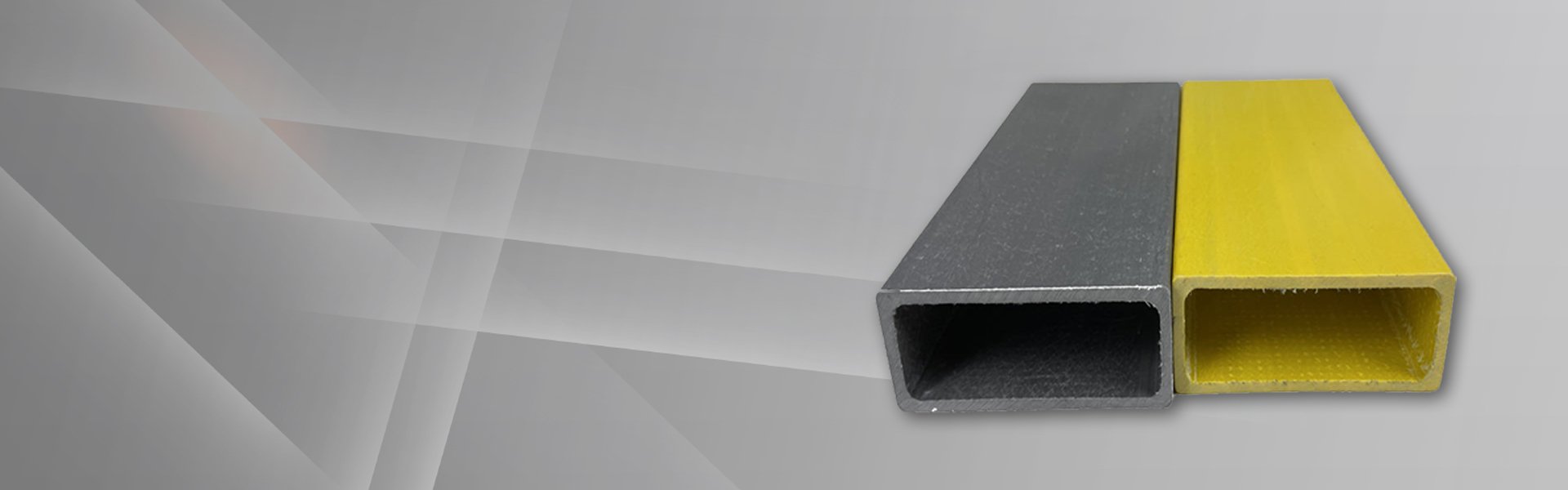
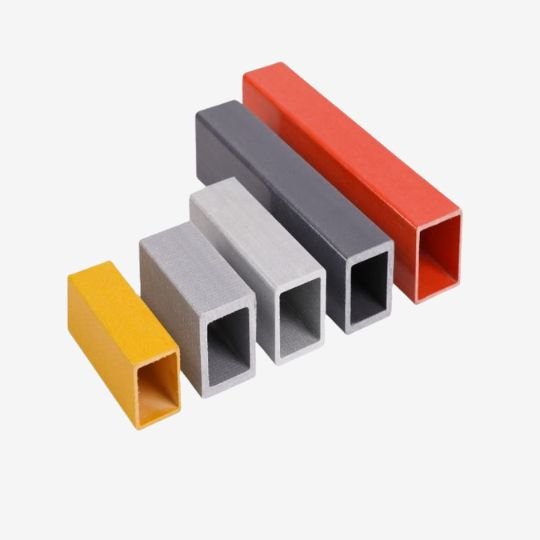
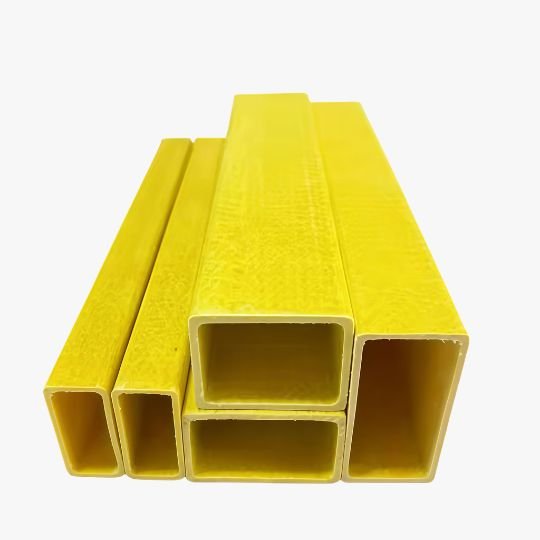
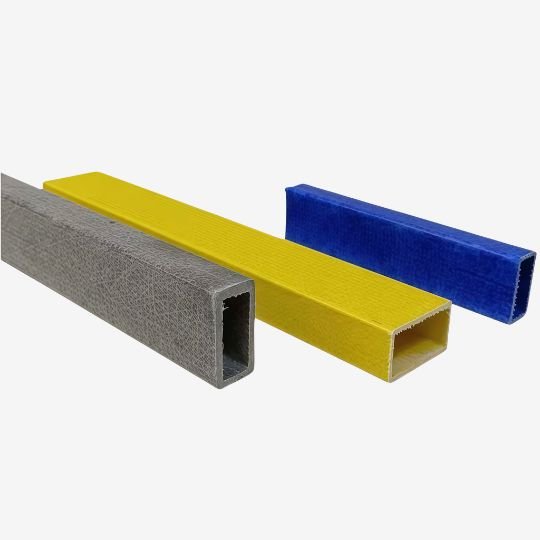
FRP rectangular tubes are rectangular hollow structural profiles made of glass fiber reinforced plastic (Fiber Reinforced Plastics). It results from the pultrusion process, which combines glass fibers with resin to create a product that exhibits plastic-based corrosion resistance and steel-based high strength. The material offers lightweight properties together with high strength and corrosion resistance, insulation, and flame retardancy, while requiring no maintenance. In some outdoor scenarios or in corrosive environments, you can find many FRP rectangular tube guardrails and the like.
Why Choose FRP Rectangular Tube Materials Instead of Traditional Materials
Compared with Steel Tubes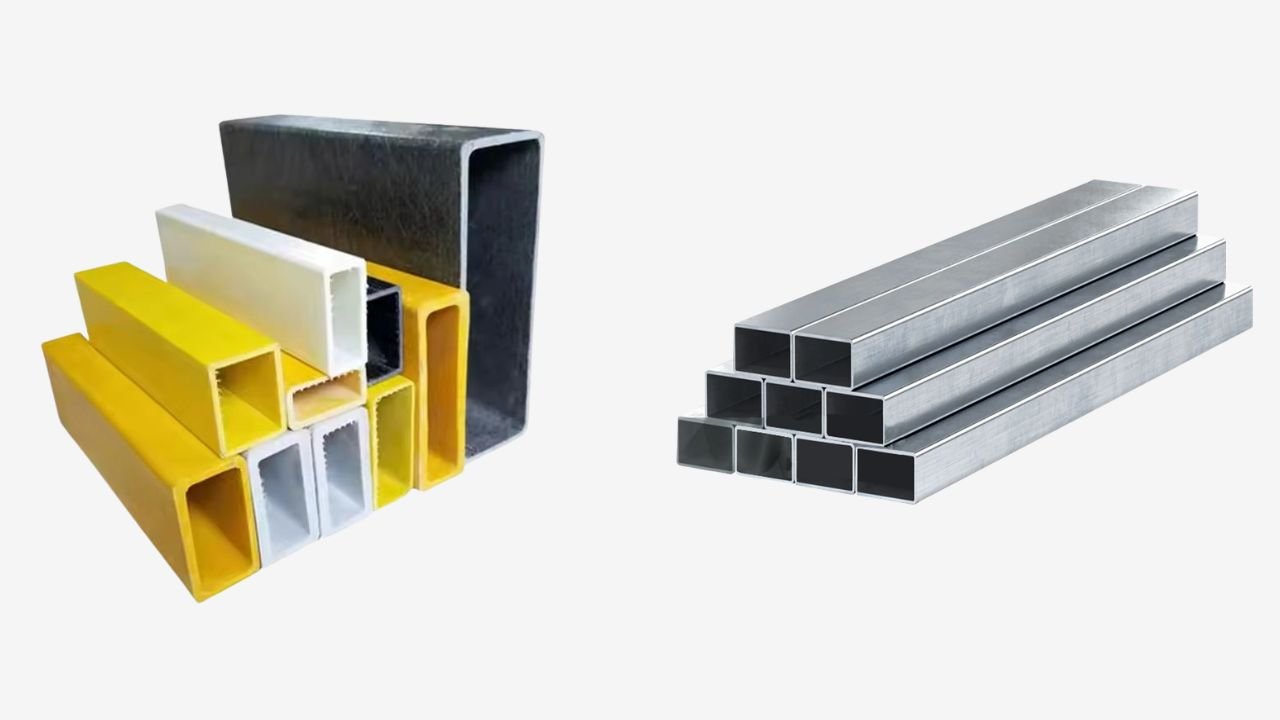
- Corrosion resistance: The steel material requires replacement after every 3 to 5 years when used in coastal areas and chemical processing sites. FRP rectangular pipes have inherent resistance to all types of corrosion.
- Maintenance cost: Steel requires descaling and anti-corrosion coating every 3 to 5 years, resulting in extremely high maintenance expenses. FRP rectangular pipes maintain their complete structure without needing any protective coating or anti-corrosion measures throughout their entire lifespan.
- Installation cost: Steel materials need welding equipment, together with trained workers for installation, who also increase overall labor expenditures. The weight of FRP rectangular pipes only reaches 1/4 of that of steel, yet their assembly through bolts eliminates the need for welding.
- Safety performance: Steel materials create an electrical hazard because they conduct electricity, which creates a potential danger of electric shock in both power and chemical environments. FRP rectangular tubes are both non-conductive and non-combustible. Their safety performance exceeds that of steel by a significant margin.
Compared with Aluminum Tubes
- Mechanical strength: The tensile strength of aluminum only reaches 200-300 MPa, but FRP rectangular tubes achieve 350-500 MPa, which enables them to support heavier loads.
- Corrosion resistance: Aluminum suffers from electrochemical corrosion in a marine environment, whereas FRP maintains its stability under all corrosive conditions.
- Cost comparison: The price of aluminum is at a high level, and it experiences significant price variations. The total expenses of FRP rectangular tubes are lower than those of their competitors, which makes their financial benefits clear.
Compared with Concrete Tubes
- Weight: The weight of concrete components exceeds the weight of FRP rectangular tubes. FRP tube design enables simple handling, which facilitates both transportation and installation procedures.
- Construction difficulty: The construction period decreases by more than 80 percent because FRP rectangular tubes exist as complete factory-made products, which workers can assemble directly at the construction site.
- Length of life: Concrete develops cracks, which allow water to enter, and it reaches complete deterioration after 15 to 20 years of usage. FRP rectangular tubes maintain their operational characteristics for three to five decades.
| FRP tube | Steel tube | Aluminum tube | concrete | |
| Service life | 30 – 50 years | 10 to 15 years | 15 to 20 years | 15 to 20 years |
| Corrosion resistance | excellent | Poor | Medium | Medium |
| Maintenance frequency | almost maintenance-free | Every 3 to 5 years | Every 5 to 8 years | Needs regular repair |
| Installation difficulty | simple | Requires welding | Simpler | Complex and time-consuming |
| Insulation performance | convenient ≥10kV/mm | Insulation-free | Insulation-free | Generally |
| Total cost | Less than 40% – 60% | High | High | Medium-high |
When should FRP Rectangular Tubes be Used
Corrosive Environments
Chemical plants, sewage treatment facilities, marine engineering and electroplating workshops, and all other locations that experience intense acid and alkali, and salt fog conditions. The only permanent solution to steel’s rapid corrosion problem, which leads to steel failure, occurs through the use of FRP rectangular tubes.
Power Safety Protection Areas
Include substations, distribution rooms, and transmission facilities that need insulating materials to stop electrical shocks and FRP rectangular tubes deliver complete security
High-altitude Area
The project needs lightweight materials for roof platforms and building refurbishment and high-altitude work because FRP weighs 25 percent of steel weight which decreases structural weight.
Remote Areas
The construction of remote area facilities, high-altitude sites, and high-labor-cost projects benefits from FRP because it requires no maintenance throughout its entire operational period, which leads to substantial savings in operational expenses.
Tight Construction Time
The construction of fast construction projects operates under tight timelines and requires no welding, and has a limited work area. The use of the FRP bolt quick assembly system enables construction work to be completed more than 60% faster than traditional methods.
Have Environmental Needs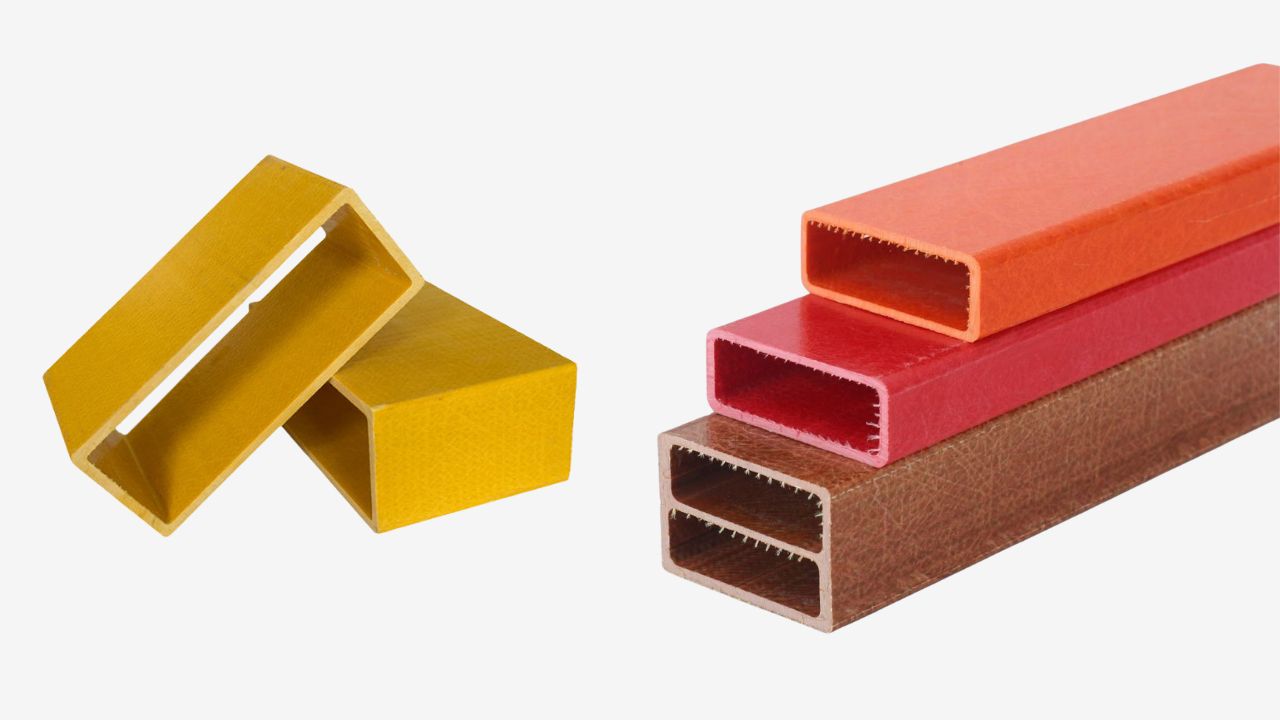
The projects need LEED green building certification because they want to achieve sustainable development goals, which require them to meet environmental protection standards through FRP.
How is the FRP Rectangular Tube Installed
Installation of FRP rectangular tubes can be completed by you without any requirement for welding equipment. First, the installation location and dimensions must be established through design drawing verification, which requires measuring instruments such as tape measures and leveling devices for exact location determination.
The primary method for connecting components involves using bolts, which requires operators to create predetermined drilling locations with carbide drill bits, while 304 or 316 stainless steel bolts, nuts, and washers serve to connect and secure the FRP rectangular pipes to their support structures or adjacent pipe systems.
The construction process for major frame structures requires initial ground assembly of specific components, followed by their subsequent elevation and positioning to boost operational efficiency during construction activities.