How We Manufacture FRP Products in Our Factory
We use different production methods depending on intended function, size, aesthetic, and order volume requirements. Below are some common methods we use:
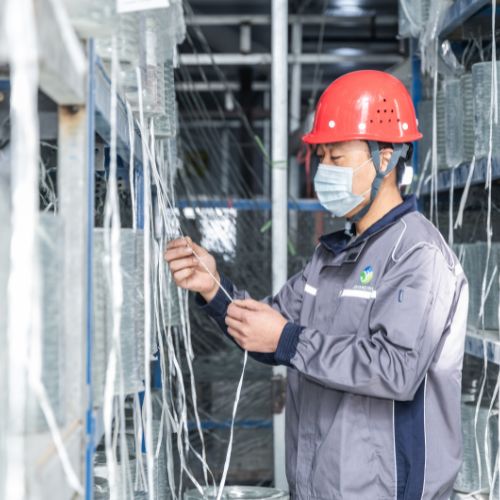
We use this technique to make strong fiberglass products. The long strands are pulled through liquid resin. This resin soaks into the fibers. Then, the wet fibers pass through a heated mold. The heat makes the resin harden around the fibers. This process creates a strong FRP shape and can be cut into any length.
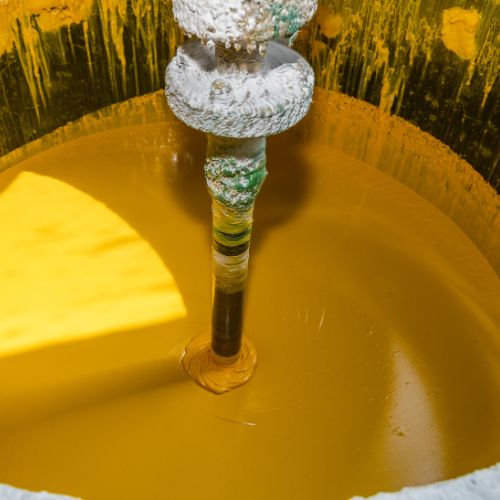
This method is used to make very large and strong parts like boat bodies, wind turbine blades, and bridge panels. In this technique, the dry fiber sheets are placed inside a mold. The mold is sealed tightly with plastic. This takes more time but allows better control of the material. It creates lightweight and strong FRP.
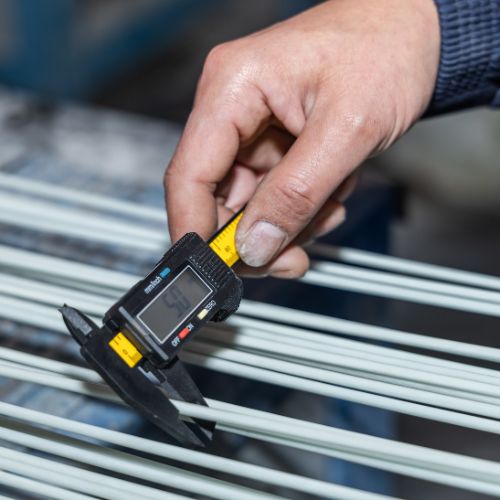
Filament Winding is a machine-controlled process. Long fibers that are soaked in resin are wrapped around a spinning round mold. AS the mold turns, the fibers form strong layers. When the resin hardens, the part becomes very strong. This method is used for making pipes, tanks, and other round FRP parts.
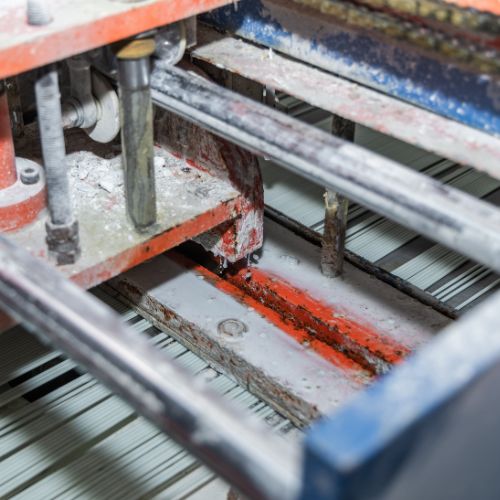
Open molding is a simple and low cost way to make composite FRP products. The resin and fibers are shaped in an open mold and left exposed to air while they harden. Some open molding methods include spraying resin onto fibers or laying fibers by hand. This process is good for making custom FRP products.
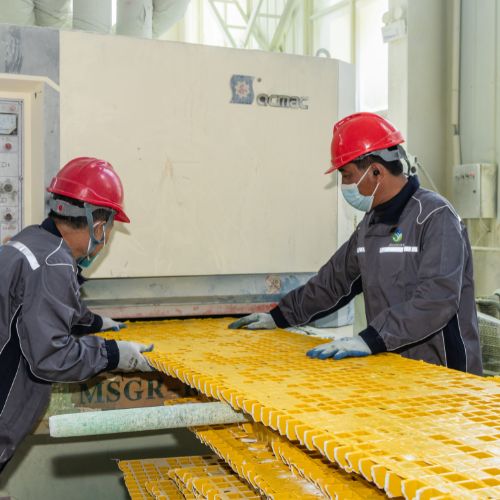
Compression Molding uses heat and pressure to shape FRP materials. The material is placed inside a heated mold. The mold closes tightly and presses the materials into shape. We use this method to create detailed and complex shapes very quickly.
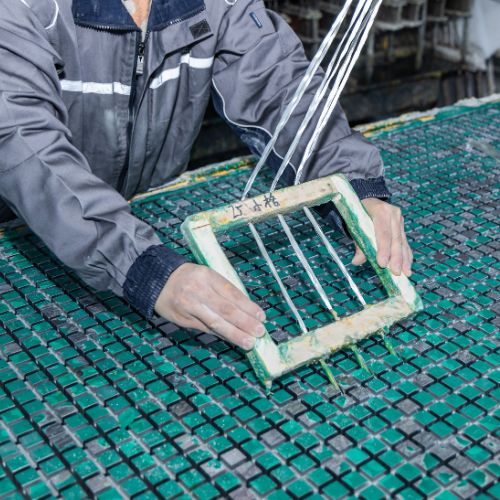
Resin transfer molding or RTM is a process that uses a closed mold. The fiberglass is placed inside the mold. Then liquid resin is mixed with a hardener. This mixture is pushed into the mold using pressure and vacuum. The resin spreads through the fiberglass and then hardens.
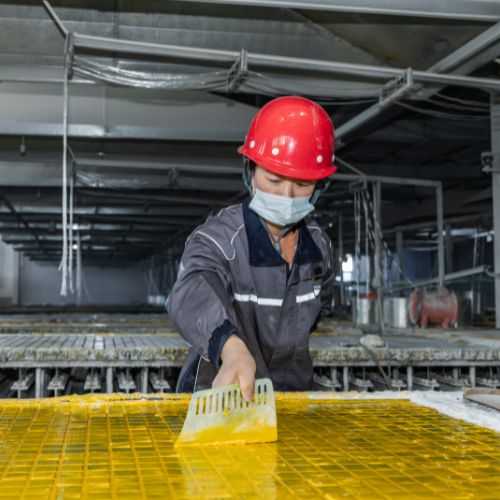
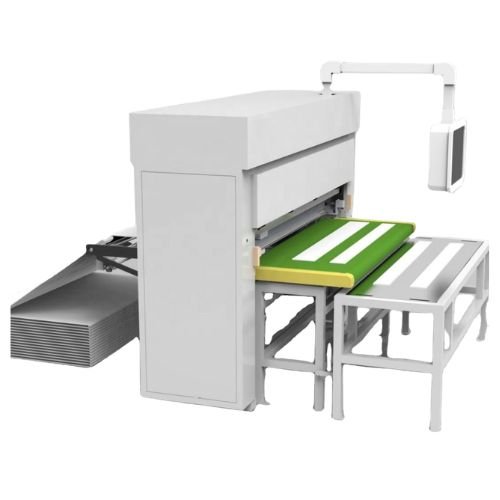
Continuous lamination is used to make flat composite panels. This process is done by our machines. The fiber materials are soaked with resin. Then they move along a conveyor system. The machine controls the thickness and the amount of resin used.
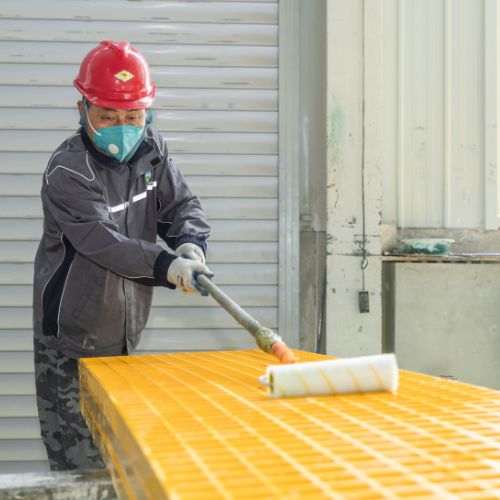
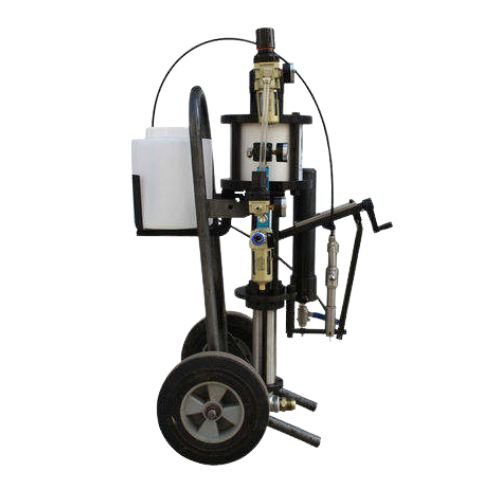
This method is an open-mold process. Resin and small pieces of fiberglass are sprayed onto a mold. A special spray gun can apply them at the same time. After spraying, the material is rolled to remove air and make it compact. Then it is left to harden.
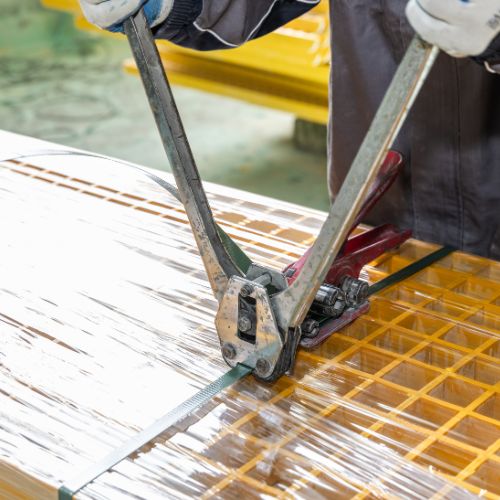
We use this technique to build strong structures using ready-made fiberglass shapes. These shapes can be angles, channels, tubes, flat plates, and I-beams. These parts can be put together to create custom structures.
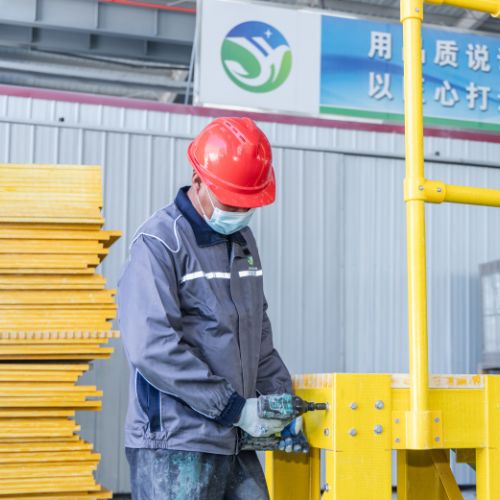
Structural assembly is the final step. In this process, finished FRP parts are put together to make a larger and more complex products. These completed structures are then delivered and installed in your project sites.
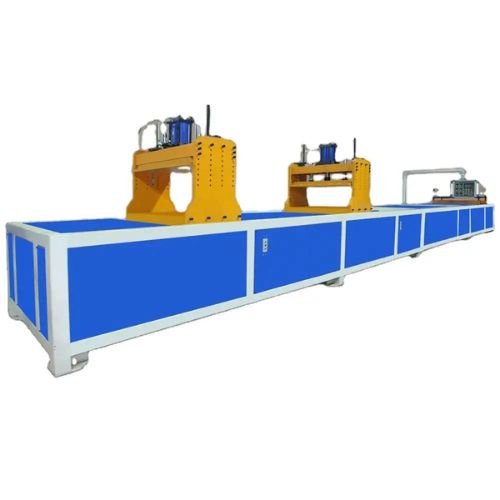
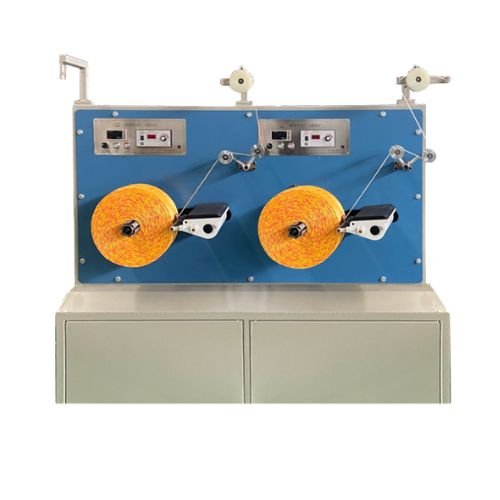
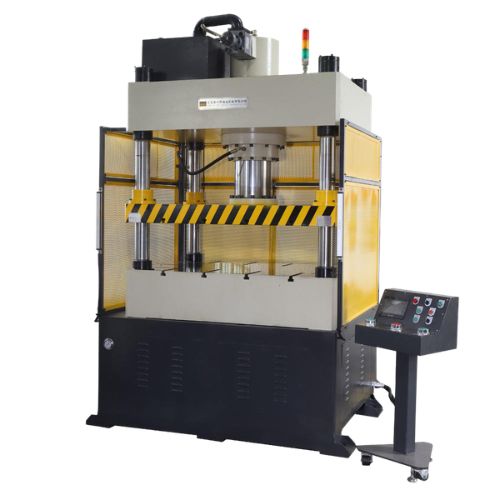
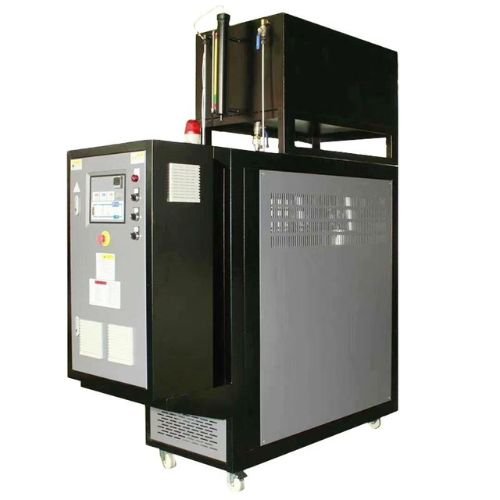
Advanced Production Machines
Factory Overview

Factory Coverage

Professional Employees

Countries Exported

Years of Experience
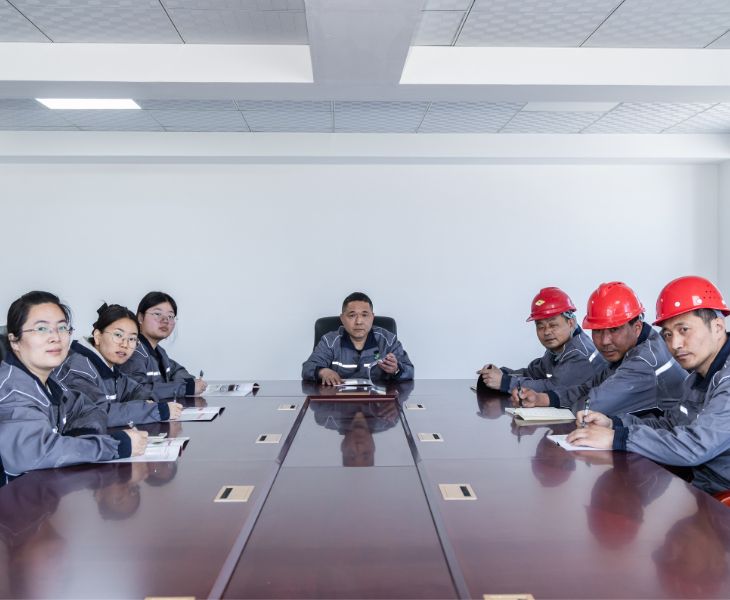
Our Team of Fabricators, Engineers, and Production Staff
We work together to design, plan, and build strong FRP products and structures. We make sure that every step is done from first drawing to final installation. Our team carefully check our designs, materials, and production process to ensure safety and longevity.
We help our customers get a product that fits their budget. Our goal is to provide high-quality FRP products that are durable and affordable.