
Why Choose Our FRP Railing
- The dimensional tolerance of the product is controlled within ±0.2mm.
- A precisely developed glass fiber formula, the tensile strength has been increased to 350Mpa.
- Our FRP rails have undergone 500 cycles of extreme temperature difference tests, ranging from -50℃ to 80℃.
- The complete coloring process was adopted. After testing for 1500 hours, the color difference ΔE was ≤1.5.
Your Reliable FRP Railing Manufacturer
FRP railings demonstrate a corrosion resistance that lasts for 30 years, while their structural strength exceeds their base material weight. The FRP railing system requires no welding and needs no maintenance while it protects against aging effects, which results in a total cost reduction of 60%. Due to these advantages, FRP rails have become the preferred solution for projects such as factories and coastal areas. Come and inquire about the latest offers now. We are very much looking forward to becoming your partner.
Products By Features
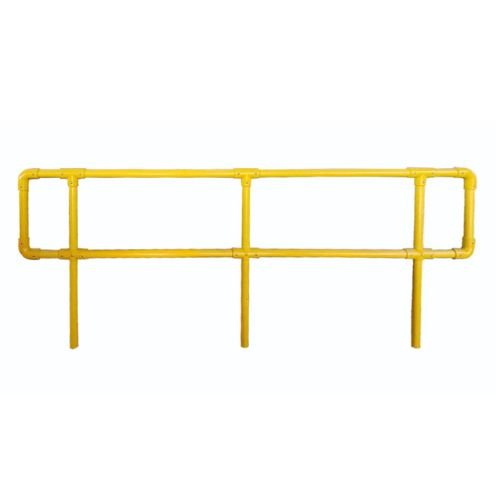
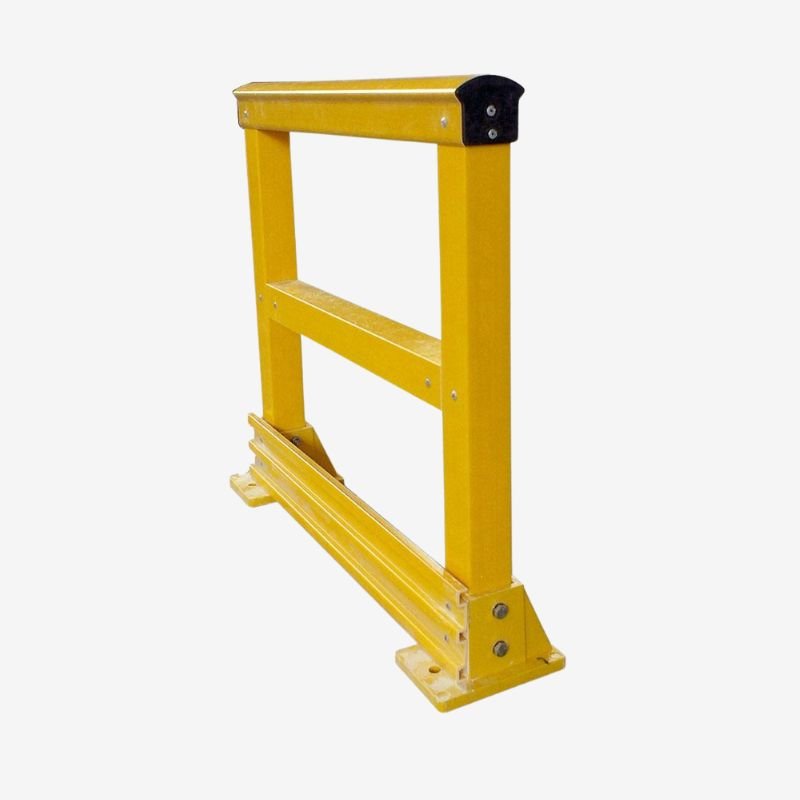
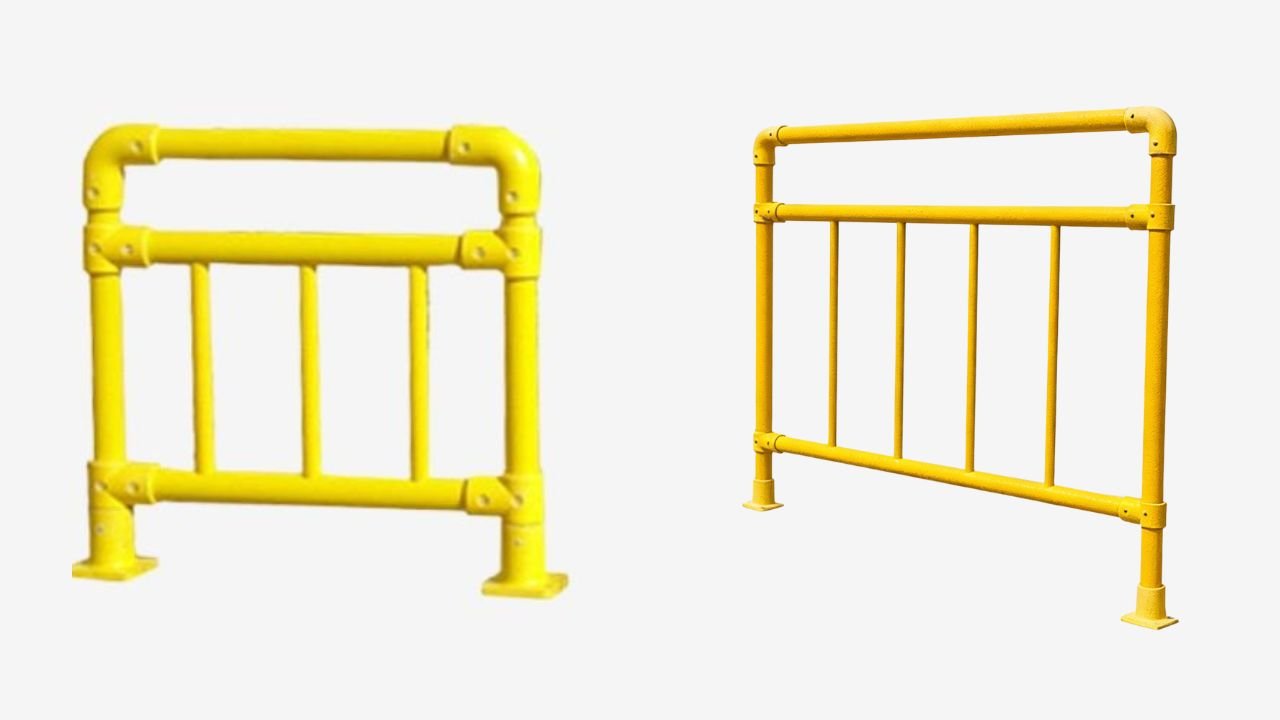
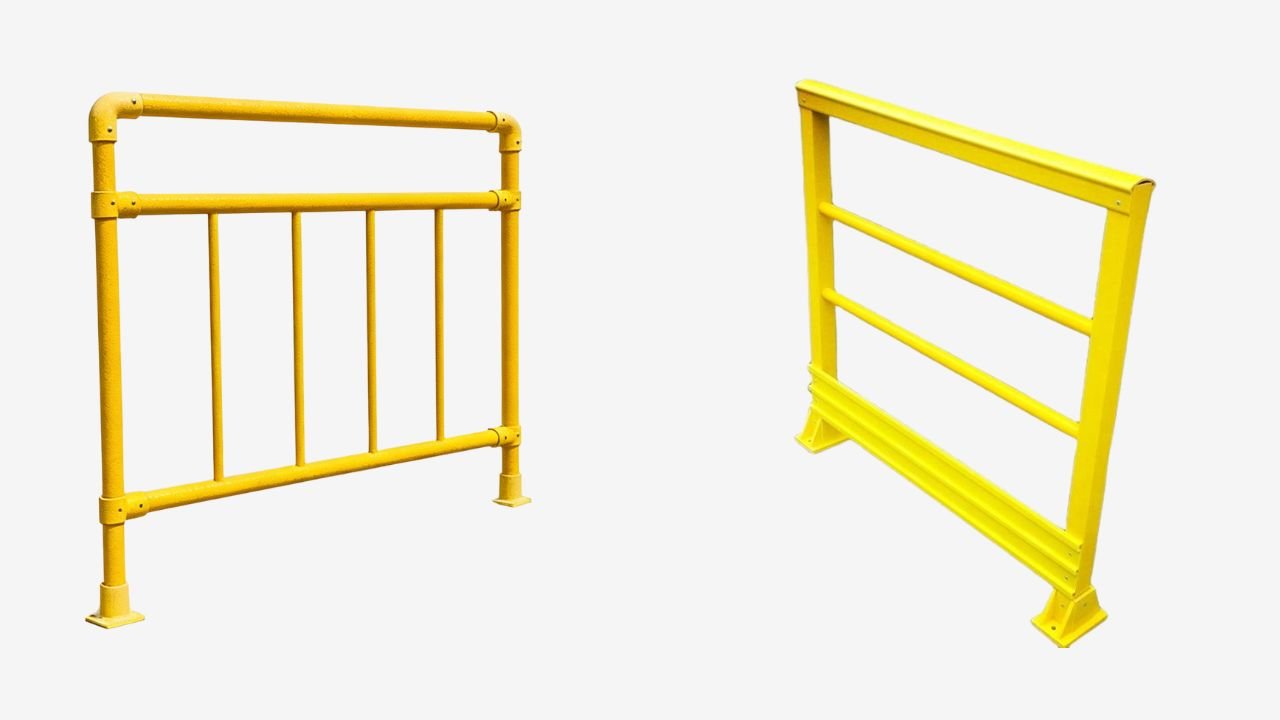
Round pipes are the basic frame structure. It has more advantages in axial pressure and torsional resistance scenarios.
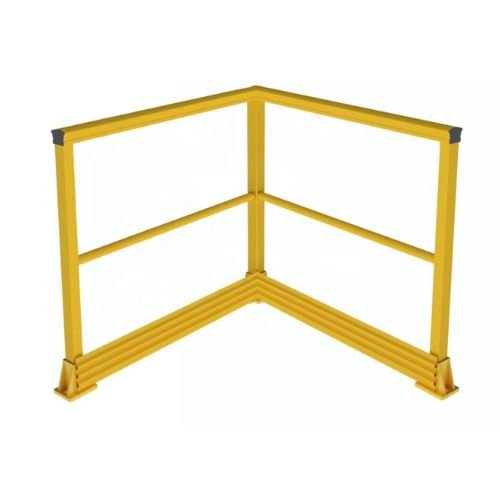
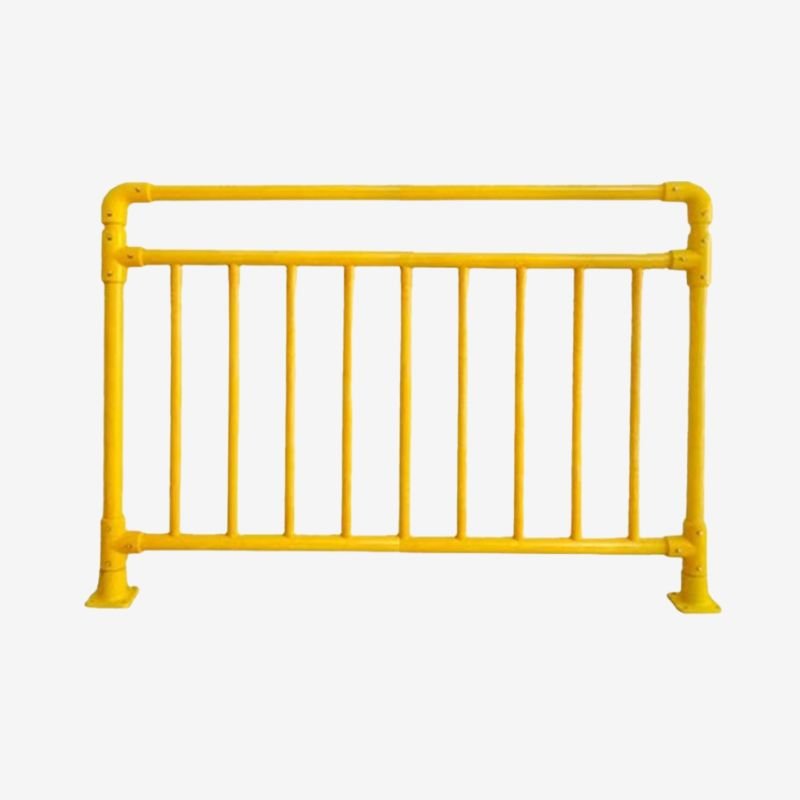
It is more cost-effective in the fields of directional bending resistance and spatial optimization, and its price is lower than that of round pipes.
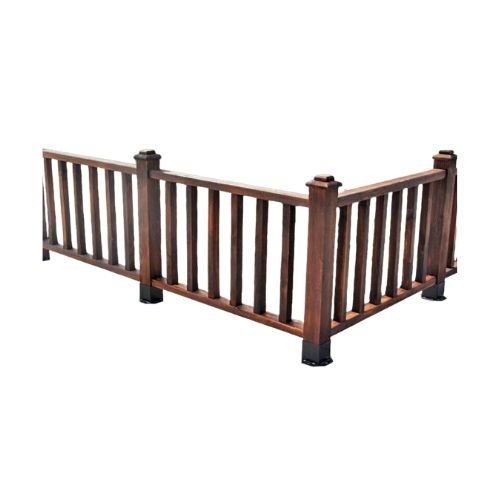
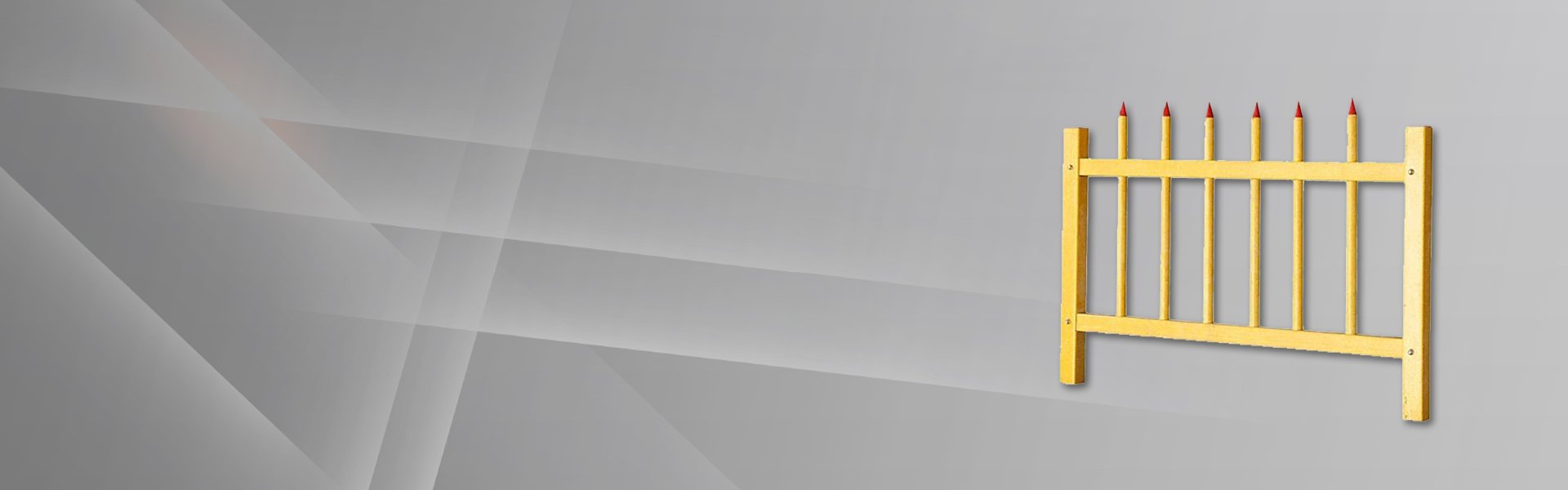
Combining the wood grain appearance of wood and the high strength of steel, it is suitable for park guardrails and other facilities with high appearance requirements.
Features of FRP Railing

FRO has stable performance and can resist acids, alkalis, salts, etc. It can remain stable in harsh environments.

The weight of FRP rail is lighter than that of steel rails, and its strength can approach that of carbon steel.

It has insulating and flame-retardant properties. It will not affect other operating devices.

FRP rails are corrosion-resistant and do not require rust prevention treatment. It’s very cost-effective in the long run.
Excellent Corrosion Resistance
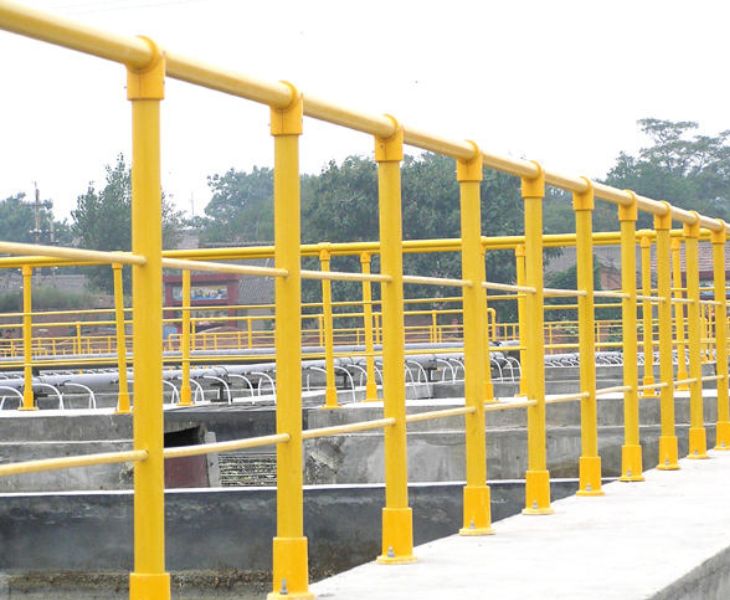
The FRP material consists of glass fiber combined with high-performance resin, which enables it to endure various chemical and thermal environments. After undergoing 3000 salt spray tests, the material maintained over 95% of its original strength. In harsh environments such as coastal areas and factories, FRP rails have a longer long-term service life and higher cost performance.
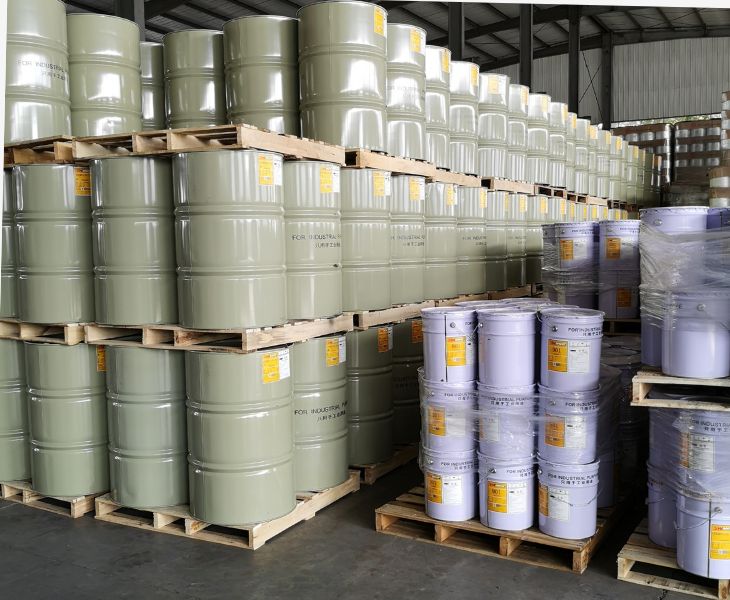
Lightweight and High-strength Structure
The weight of FRP rails is only about 1/4 to 1/5 that of steel rails, making them easier to transport and install. The welding equipment and bolt assembly process enables rapid and simple operation, which results in a construction efficiency boost that exceeds 60%. It displays exceptional load-bearing capacity, which enables it to withstand tensile forces that reach 350MPa. This lightweight and high-strength feature can save you a lot of labor costs.
Flame Retardant with Insulation
The FRP electrical insulation strength is ≥10kV/mm, the flame retardant grade reaches the national standard B1 level, the oxygen index is ≥28, it is non-conductive, non-flammable, and does not produce sparks. It finds applications in high-risk environments, which include power plants and petrochemical facilities, and metallurgical companies.
Applications of FRP Railing

It possesses resistance against severe acid and alkali materials while it fulfills the essential safety standards needed for chemical plant zones and storage tank zones.

The materials provide insulation capabilities that reach 10kV/mm, and they serve multiple applications in substations, transmission towers, and power station operational areas.

The facility can endure extreme humidity conditions, which make it ideal for protecting essential components like aeration tanks and sedimentation tanks.

The materials provide protection against extreme temperatures and oxidation to meet the specific environmental requirements that apply to blast furnace platforms and so on.

The factory needs to handle high concentrations of chemical liquids, which require safety measures to protect production areas, liquid medicine storage, and operational routes.

The materials meet hygiene and safety regulations because they do not contain toxic substances, remain odorless and rust-free, and are appropriate for use in clean areas.

It shows strong resistance against weather changes, which makes it ideal for extended operation in public infrastructure.

FRP rails are corrosion-resistant and not prone to rust. It can be fully utilized in places like the seaside.

FRP contains high-strength glass fibers inside, and its mechanical strength is close to that of carbon steel. You can use it as a safety maintenance facility in the mining area

The protective facilities for metro stations have undergone extensive testing, which confirmed FRP status as a standardized protective material.

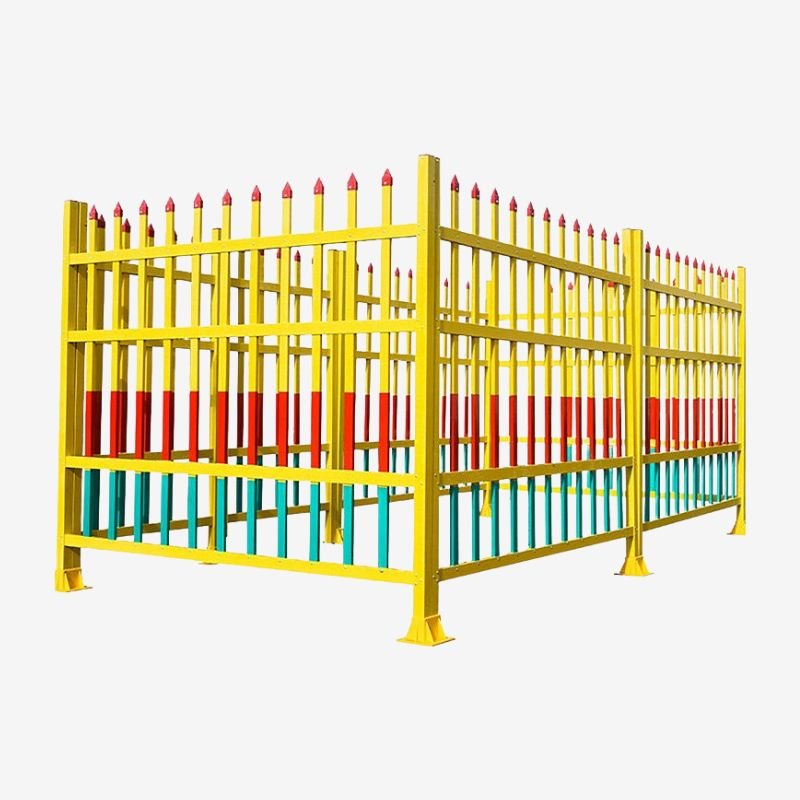
FRP railing provides an attractive visual design that allows users to select different color options, making it suitable for upscale residential areas and commercial centers.

It exhibits exceptional insulation properties and anti-static capabilities to protect server rooms and areas with precision equipment.
FRP rails perform exceptionally well in both seaside environments and outdoor spaces. The material composition of FRP exhibits inherent protection against salt spray corrosion. The material retains more than 95 percent of its strength after undergoing 3000 hours of salt spray testing. The material demonstrates resistance to ultraviolet aging while maintaining its original color and protection against rusting for three decades of outdoor usage. The most dependable option for rails at coastal piers, seaside walkways, and open-air platforms is FRP rails.
FRP rails have a service life that extends from 30 years to 50 years, which surpasses the durability of traditional steel rails by three to five times. The product combines high-performance resin with glass fiber composite materials to achieve superior protection against corrosion, anti-aging, and UV light damage. The entire procedure needs no rust protection treatment. The product requires a single purchase, which enables extended use to deliver substantial savings on your total buying and upkeep expenses during its entire operational period.
What is An FRP Railing
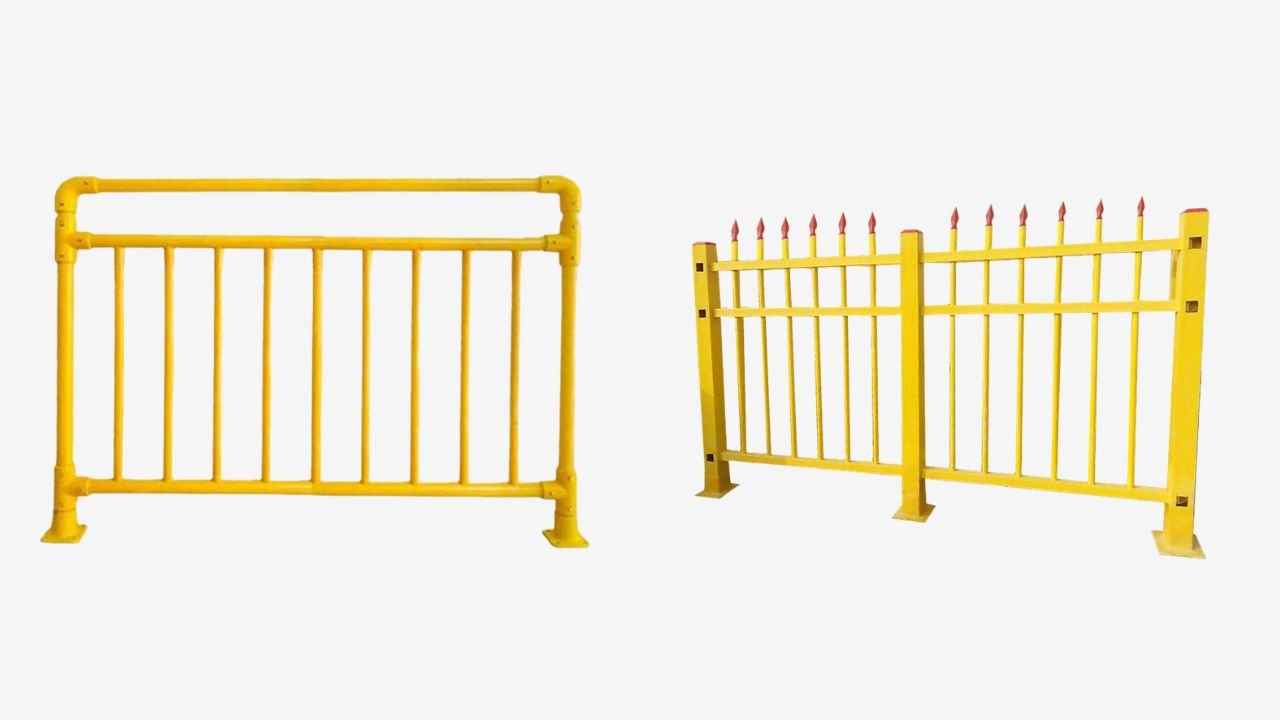
FRP rails system provides outstanding performance through their lightweight nature, high strength characteristics, resistance to corrosion, dielectric properties, and ability to resist flames. The rails find extensive application across industrial plants and municipal engineering projects, and outdoor facilities, serving as a superior replacement for conventional steel rails.
Why are FRP Rils a Better Long-term Solution
Lower Long-term Costs
FRP serves its entire life cycle without requiring any maintenance because its permanent installation does not need painting or rust protection. The cost is reduced by 40% to 60% compared with traditional materials, which enables businesses to achieve permanent savings through their initial expenditure.
Stable Material Properties
The steel material will undergo oxidation and rusting, while concrete will experience weathering and cracking, and standard plastics will develop brittleness through aging. The composite structure of FRP (Fiber Reinforced Plastic) combines resin and glass fiber to provide protection against corrosion and, again, complete resistance to aging effects. The tests from certified organizations show that its strength retention rate stays above 85% after three decades of usage.
Adapt to Harsh Environments
The material shows resistance against acids and alkalis and salt spray and maintains its performance through both high and low temperature conditions from -50℃ to 120℃ and through various moisture levels and rising temperatures. The FRP rail system operates with consistent performance through three extreme conditions: coastal environments with high salt spray, chemical facilities with high corrosion levels, and northern areas with extreme cold. The system provides permanent protection through an FRP material solution, which no other material can completely duplicate.
More Environmentally Friendly
The process of replacing traditional metal materials creates excessive material waste because it requires multiple replacements, while the process of applying new coatings creates dangerous waste that emits toxic gases into the environment. The long operational life of FRP results in low replacement needs, which leads to less resource use. The solution fits modern sustainable business practices, which help your business achieve its environmental, social, and governance objectives.
Overall, although your initial investment in purchasing fiberglass reinforced plastic rails is relatively high, in terms of long-term use, fiberglass reinforced plastic rails are more durable and cost-effective throughout their entire life cycle.
FRP Railing vs. Steel Railing
Corrosion Resistance
Steel rails develop oxidation and rusting problems when they experience damp conditions that contain acidic or alkaline materials or salt spray. The rails made from FRP materials display inherent resistance against corrosion. After completing a 3000-hour salt spray test, the materials maintained over 95% of their strength. It maintains stable performance across both acidic and alkaline salt spray environments, which extends their operational lifespan between 30 and 50 years.
Maintenance Cost
The maintenance process for steel rails requires grinding operations and rust removal procedures, and the application of anti-rust paint every three to five years, which results in extremely high total costs for materials and labor. The entire duration of their existence, FRP rails eliminate the need for painting, rust protection, and maintenance work. The only maintenance requirement consists of their standard cleaning procedures. The total maintenance expense throughout their entire existence costs more than 60% less than the maintenance expenses of steel rails.
Installation
Steel rails possess substantial weight, which necessitates the usage of welding tools and trained personnel for their setup procedure, resulting in extended timeframes and increased installation expenses. The weight of FRP rails is only a quarter of that of steel rails of the same specification. The system allows for bolt-based assembly, which eliminates the need for welding and enables installation by one person. The new system enables a 60% boost in installation efficiency, which results in lower expenses for labor.
Service Life
Steel rails create an electrical hazard that endangers people who work in dangerous environments found in power plants and chemical facilities. The material demonstrates rapid heat transmission when it comes into contact with open flames, which creates a safety risk. The insulation strength of FRP rails is ≥10kV/mm, and the flame retardant grade reaches the national standard B1 level. Their materials do not conduct electricity or burn, which results in security features that exceed all current safety standards.
| FRP railing system | Steel railing system | |
| Service life | More than 30 years | About ten years |
| Corrosion resistance | Outstanding | poor |
| Maintenance frequency | Almost maintenance-free | Maintenance for 3 to 5 years |
| Installation difficulty | Simple and fast | Need welding equipment |
| Insulation performance | ≥10kV/mm | Not insulated |
| Comprehensive cost | 40%-60% lower | high |