
Why Choose Our FRP Panel?
FRP Panels for Hygienic and Corrosion-Resistant Building Applications
- With continuous production capacity, we can stably undertake large orders for FRP panels
- We can customize the size, thickness, color and surface effect according to your needs to meet the demands of different markets
- Each batch of products undergoes inspection for appearance, thickness and structural quality before leaving the factory
- We can help you complete the selection and product evaluation quickly
- Provide installation guidance and complete after-sales service
Your Reliable FRP Panel Supplier
As a professional FRP panel supplier, our FRP panels feature high strength and lightweight as their core advantages, while also possessing outstanding acid and alkali resistance and B1-level flame retardancy.
Our FRP panels provide reliable usage guarantees for harsh environments such as chemical workshops and logistics warehouses.
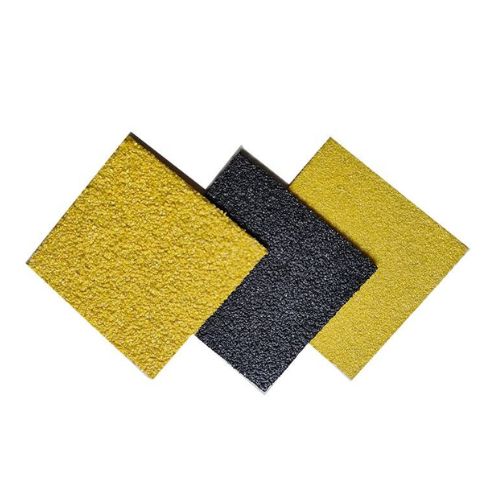
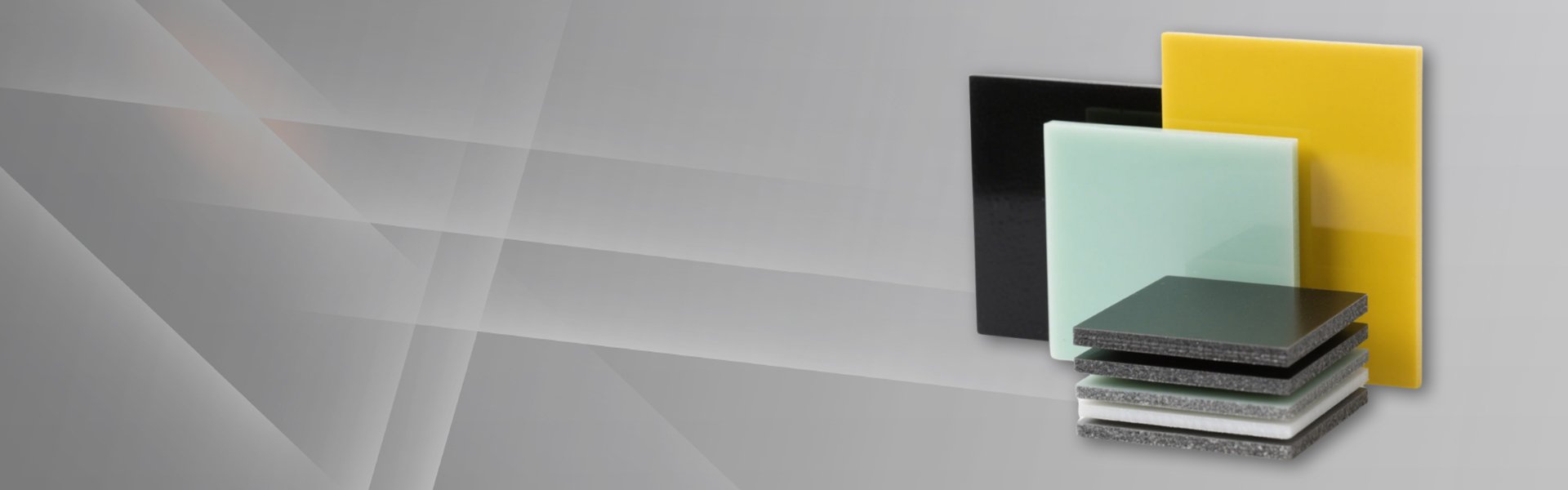
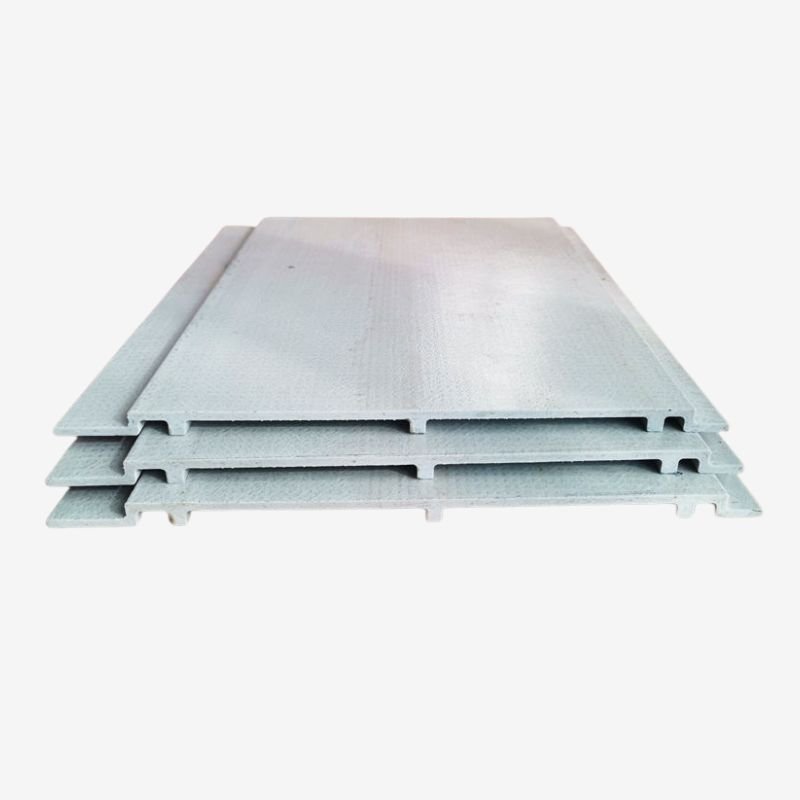
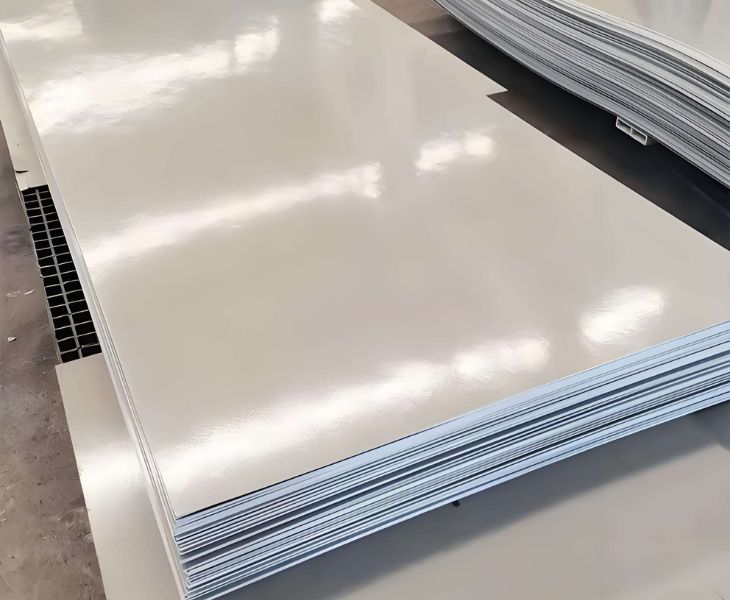
FRP flat plates have a smooth and flat surface and a stable structure. They are often used in wall, ceiling and partition systems, which are suitable for building environments with high requirements for hygiene and cleanliness.
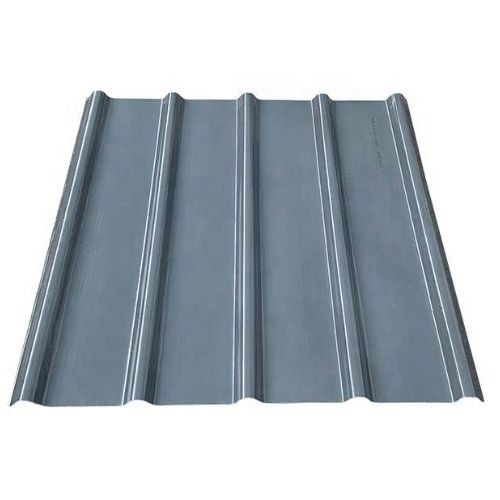
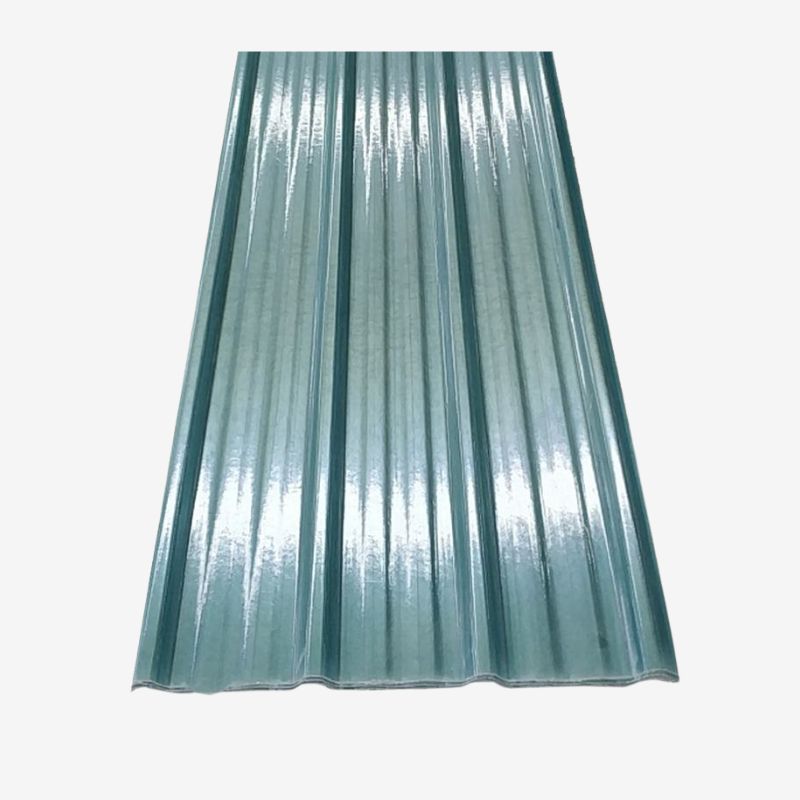
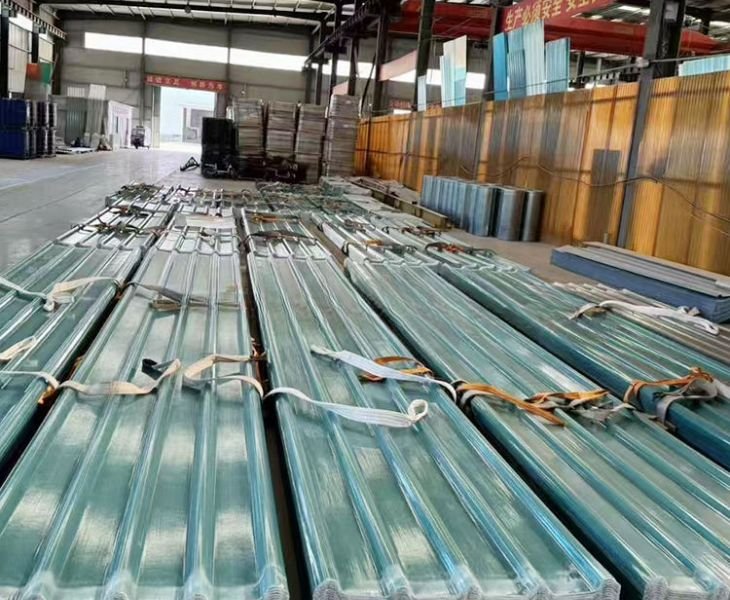
FRP corrugated sheets enhance the overall strength through a corrugated structure, which features excellent load-bearing and drainage performance. They are often used in roofs and enclosures, balancing lightweight and structural stability.
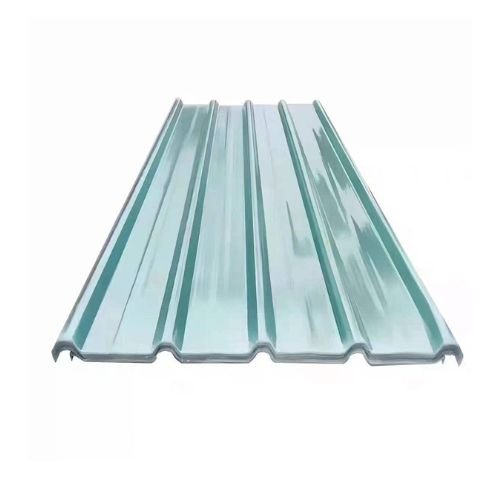
FRP light-transmitting panels have excellent light transmission performance and can provide natural light while ensuring structural strength. It is often used in industrial plants, warehouses and agricultural buildings.
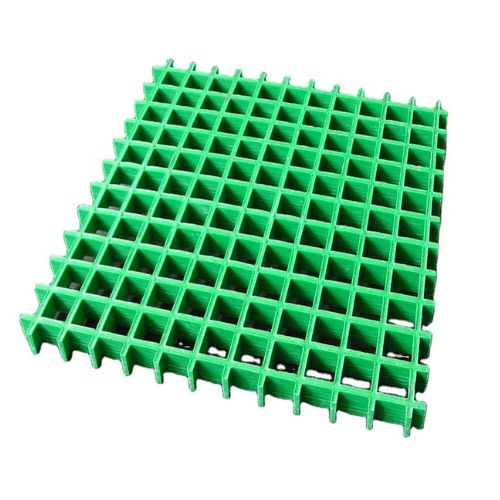
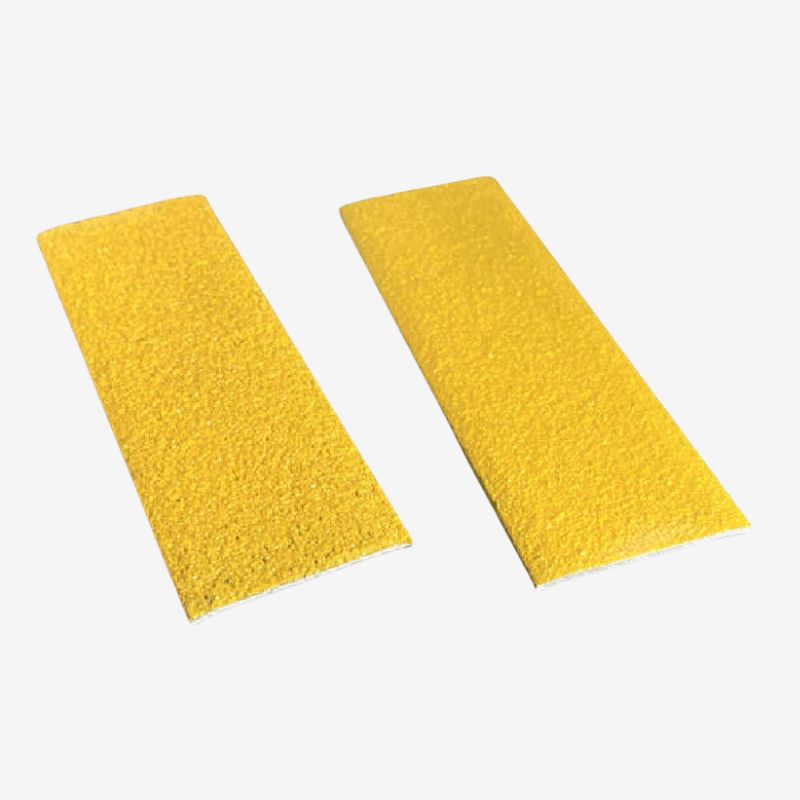
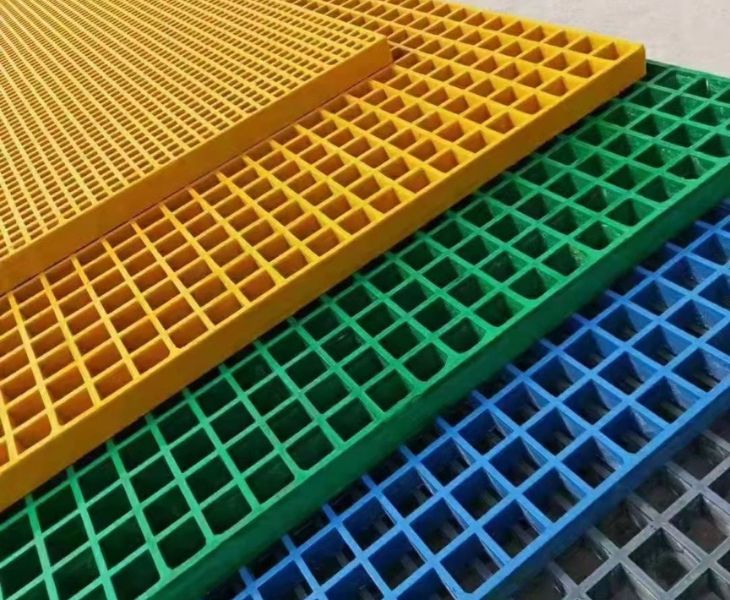
FRP grating plates adopt a grid structure design, which features high strength, corrosion resistance and anti-slip performance. They are often used in platforms, walkways, drainage ditches and other places with high requirements for safety and durability.
Features of FRP Panel

FRP panels are light in weight while maintaining good structural strength and impact resistance, making them easy to transport and install.

FRP panels have excellent resistance to moisture, acids, alkalis and various chemical media, and are not prone to rust or corrosion.

FRP material itself does not absorb water and is not prone to mold or deformation in high-humidity environments, thus maintaining a stable appearance and performance.

We can provide you with FRP panels that meet requirements such as food safety and aseptic environment.

FRP panel surface is dense and smooth, and is simple to clean and maintain on a daily basis, which meets the application scenarios with high hygiene requirements.

FRP panels are resistant to aging and have stable performance. Under normal usage conditions, they can maintain structural integrity for a long time.

You can customize the size, thickness, color and surface effect according to the requirements of different projects, flexibly adapting to a variety of applications.

FRP panels can be used on walls, roofs, ceilings and structural auxiliary parts, and are widely applied in construction, industry, agriculture and other fields.
Stable Structure and Consistent Quality
Our FRP panels are produced using stable and standardized processes, which feature uniform thickness and dense structure. This ensures that they are not prone to delamination, bubbling or deformation during long-term use, making them suitable for engineering projects with high requirements for consistent quality.
High Corrosion Resistance and Moisture Resistance
Our FRP panels have good resistance to water vapor, acids, alkalis and common chemical media. At the same time, it can still maintain stable performance in high-humidity or frequently cleaned environments, which makes it particularly suitable for food, agricultural and industrial application scenarios.
Smooth Surface and Easy to Clean
The surface of our FRP panels is smooth and dense. It does not absorb water and is not prone to dirt accumulation. Your daily cleaning is simple and efficient, which can effectively reduce your maintenance frequency and meet the usage environment with high requirements for hygiene and tidiness.
Applications of FRP Panel

The FRP panel has a smooth and dense surface, which can effectively prevent the growth of mold, bacteria and material corrosion in a humid environment, meeting the requirements of hygiene and durability in food processing areas.

FRP panels are not prone to warping or deformation under low-temperature and repeated temperature changes, and can maintain structural stability for a long time. They are suitable for the wall and ceiling systems of cold storage and refrigerated rooms.

FRP panels are resistant to cleaning, disinfectants and various chemicals. They are easy to maintain daily and have a long service life, which makes them suitable for durable building environments such as farms and livestock sheds.

FRP panels have excellent resistance to acids, alkalis and common industrial cleaning agents, which can be stably used in corrosive environments. They are suitable for the enclosure and interior decoration systems of industrial plants and chemical facilities.
Our FRP panels can be installed by pasting or mechanical fixation. The specific installation method needs to be selected by you based on the conditions of the base panel and the application scenario. We offer detailed installation guides and accessories to ensure your construction is convenient.
Under normal usage and maintenance conditions, our FRP panels can maintain structural and performance stability for a long time, with a service life exceeding 15 years. Among them, its corrosion resistance and anti-aging properties are the core guarantees for its longevity.
FRP panels can be used in both wall and ceiling systems. Their lightweight and structurally stable characteristics enable them to perform well in both vertical and top installations.
Our FRP panels perform stably within a reasonable operating temperature range and are less prone to warping or structural damage due to temperature changes. They are suitable for cold storage and industrial environments.
FRP panels can be used in combination with steel structures, concrete or sandwich panel systems, which are suitable for various building structure forms.
FRP panels have good impact resistance. Combined with reasonable packaging methods, they can meet the basic requirements of long-distance and export transportation.
What is an FRP Panel?
FRP panels, also known as fiberglass reinforced plastic panels, are high-performance plates made by combining glass fiber and unsaturated polyester resin.
It integrates high strength, lightweight, corrosion resistance and electrical insulation. At the same time, its surface color is long-lasting and it can be flexibly made into various shapes and light transmittance, which is widely used in building exterior walls, industrial anti-corrosion, roof lighting and other fields.
What are the Advantages of Using FRP Panels?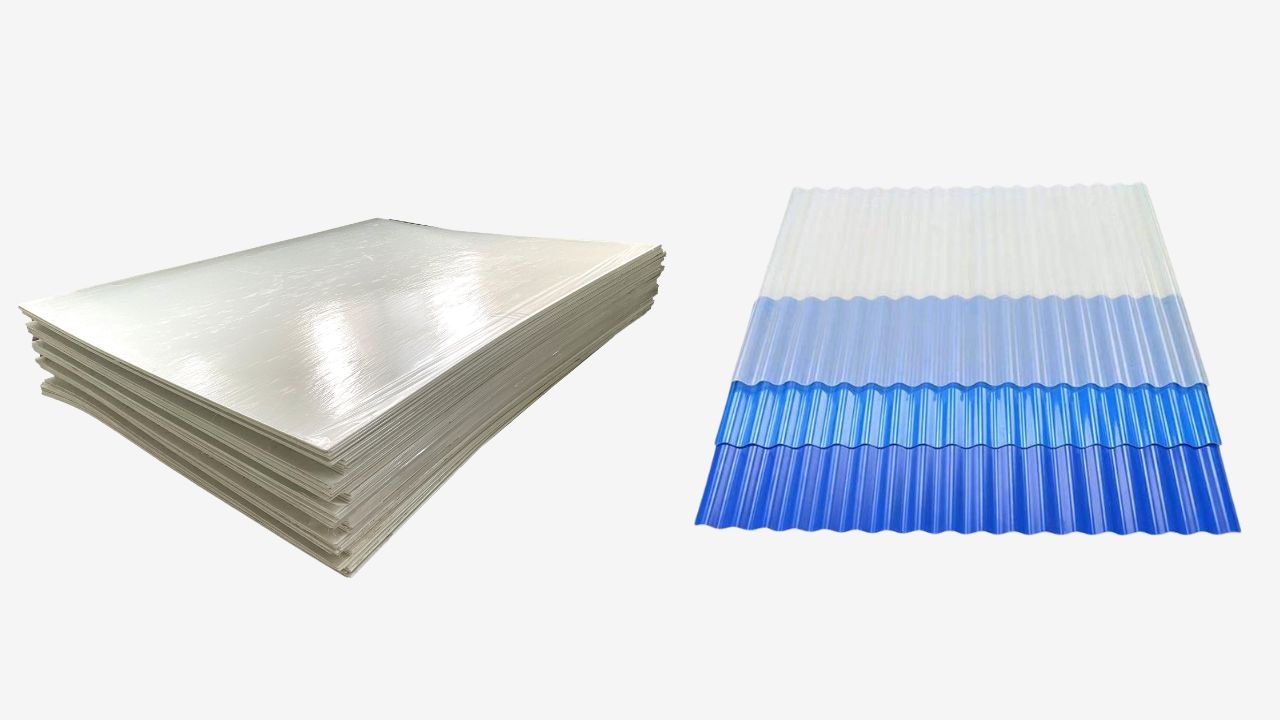
Enhance Corrosion Resistance
Our FRP panels have excellent resistance to moisture, acids, alkalis and most chemicals. Even in high-humidity environments, it is not prone to corrosion, rust or mold, which makes it particularly suitable for use in fields such as food processing, chemical engineering, agriculture and construction.
Easy to Clean and Maintain
The FRP panel has a smooth and dense surface that does not absorb water and is not prone to dirt accumulation. It can effectively reduce the breeding of bacteria on the surface. You only need to simply rinse it in daily life to keep it clean, which meets the strict requirements for hygiene and cleanliness in food factories and clean spaces.
Improve Installation Efficiency
Compared with metal or concrete materials, our FRP panels are lighter in weight while maintaining good impact resistance, which makes them easy for you to handle and install. This helps shorten your construction period and reduce labor and installation costs.
Extend Service Life
FRP panels are not prone to aging, cracking or bubbling, and can still be used stably for a long time in harsh environments. This significantly reduces your later maintenance and replacement costs. In the long run, it offers a cost advantage.
Meet Your Customized Needs
Our FRP panels can be customized in terms of thickness, size, color and surface texture according to your project requirements, which flexibly adapt to your different building structures and design requirements, facilitating the rapid implementation of your projects.
Replace Various Types of Boards
FRP panels can be widely used on walls, ceilings and partitions. In many projects, they can replace metal panels, PVC panels or wooden panels, which provide an ideal solution for your buildings that pursue durability and hygiene performance.
A Comparison between FRP Panels and Other Common Panels
FRP Panel VS Color Steel Panel
FRP is more corrosion-resistant, insulating, heat-insulating and has a longer color durability compared with color steel materials. But the cost of FRP is usually higher as well.
FRP Panel VS PVC Panel /PC Panel
The strength, rigidity, temperature resistance and durability of FRP far exceed those of ordinary plastic sheets. At the same time, it is heavier and more expensive.
FRP Panel VS Aluminum Panel
FRP panels have stronger corrosion resistance than aluminum panels. In addition, their insulation and heat insulation properties are also superior to those of aluminum panels, and the cost is relatively lower. However, aluminum plates are lighter, more recyclable and usually have a higher fire resistance rating.
Precautions for Choosing and Using FRP Panels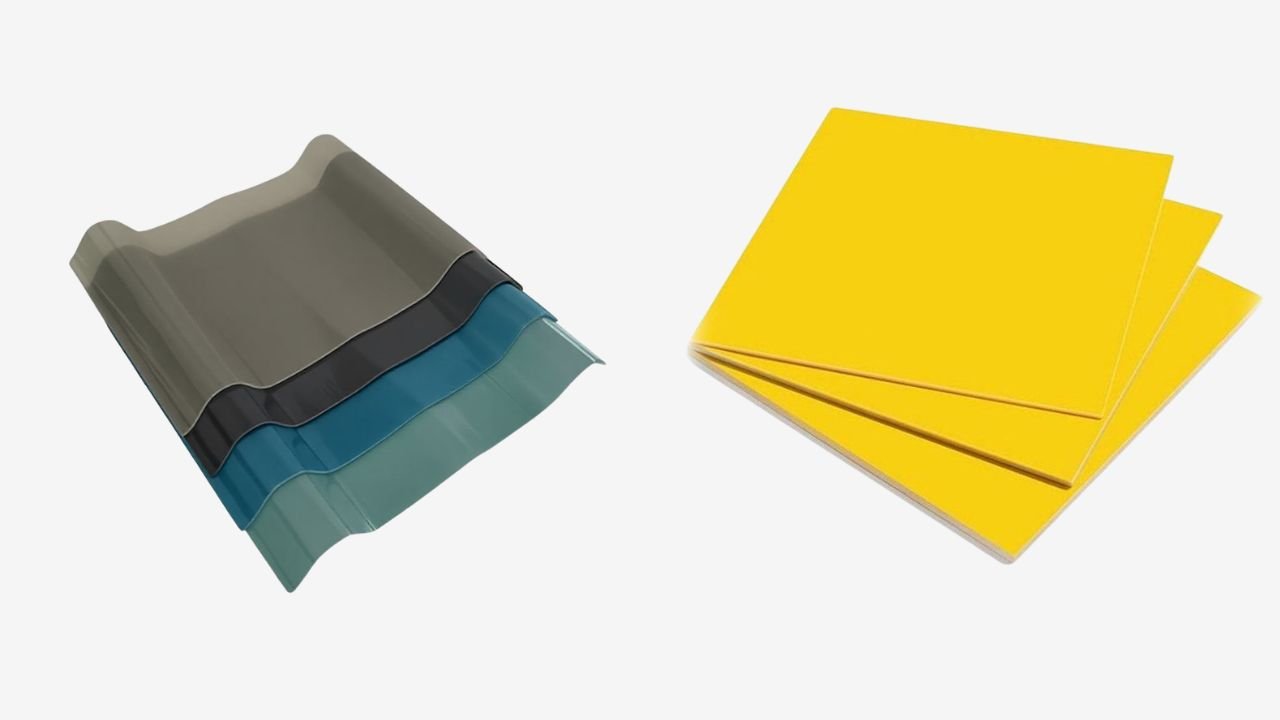
Clarify the Usage Environment
Before choosing FRP panels, you should fully understand the humidity, temperature, and whether it needs to come into contact with chemicals of the usage environment. The resin type and structural strength requirements for panels vary in different application scenarios.
Requirements for Panel Thickness and Structural Strength
The thickness and reinforcing structure of FRP panels directly affect their impact resistance and service life. You should choose the appropriate thickness based on the height of the wall, installation method and other factors comprehensively to avoid deformation or damage in the later stage due to insufficient specifications.
Confirm the Installation Method
FRP panels can usually be installed by adhesive bonding or mechanical fixation. Different construction methods have different requirements for flatness, accessories and construction techniques. Confirming the installation plan in advance can help improve the overall construction efficiency.
Evaluate Long-Term Costs
You should comprehensively consider the maintenance frequency, cleaning cost and replacement cycle of FRP panels during their use. In the long term, our FRP panels with stable performance and reliable quality can reduce your overall project cost.