
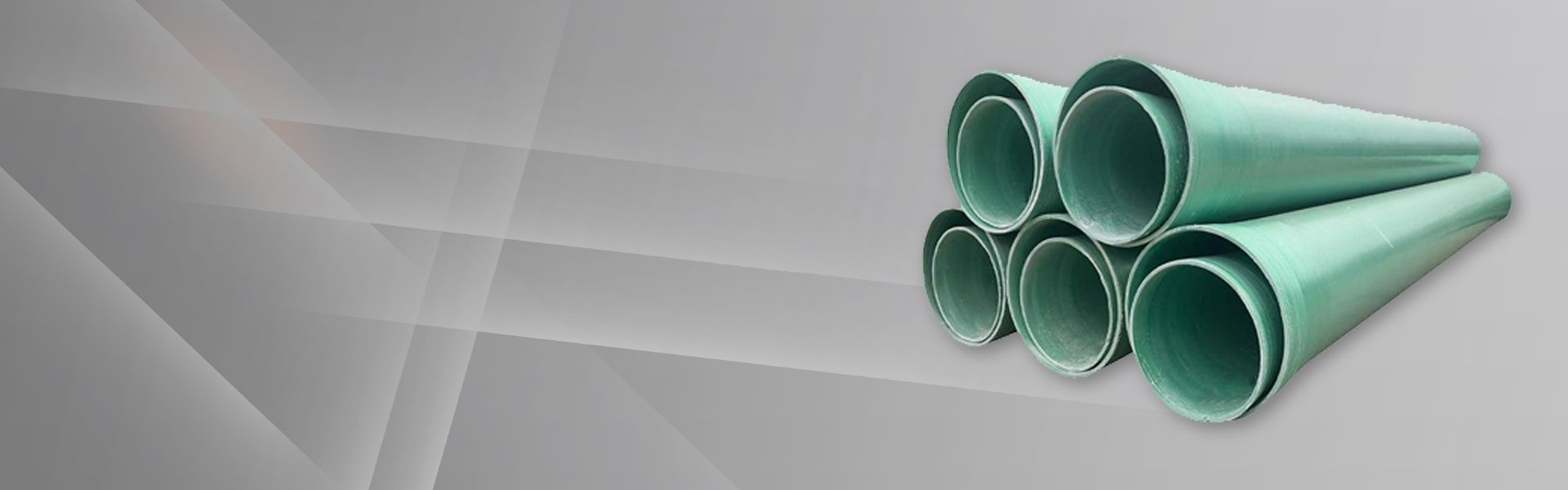
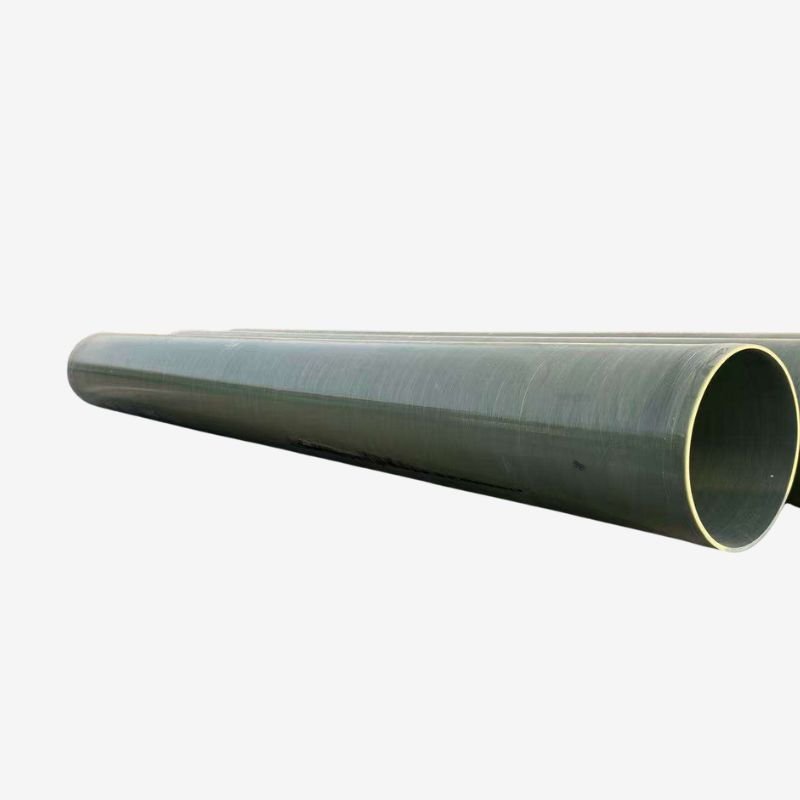
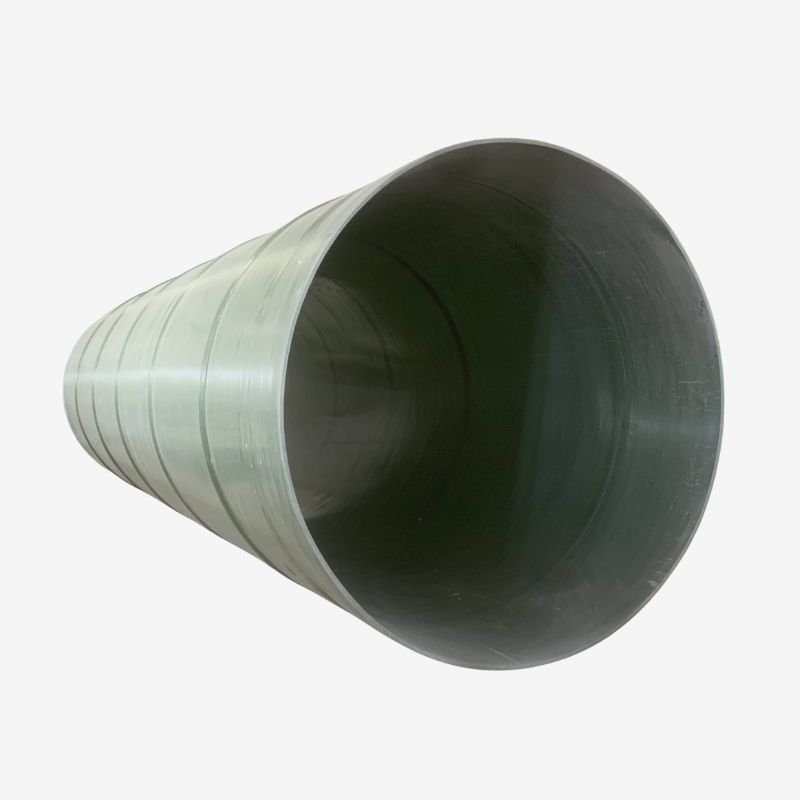
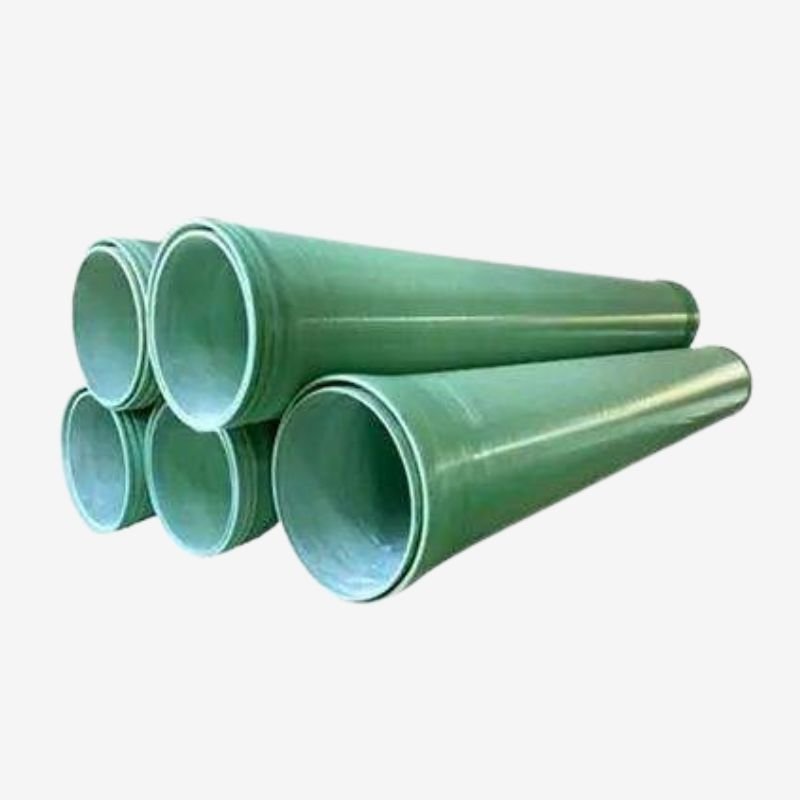
Why Choose Our FRP Sewer Pipes?
Light Weight And High Strength FRP Sewer Pipe
- We can design your FRP sewer pipes according to the required pressure it needs to bear.
- Provide a variety of FRP sewer pipes connection solutions and fittings (tees/flanges/elbows)
- Our FRP sewer pipes have been tested by ASTM for flame retardancy.
Professional FRP Sewer Pipe Supplier in China
We are FRP manufacturers from China, combining the material development, production and technical service. We are not only able to provide you with FRP sewer pipes that are high quality, but also support customization of different formulations, sizes and other aspects. For the products you need, we provide comprehensive testing methods, and our factory has been certified by ISO9001, ISO45001, ISO14001 .
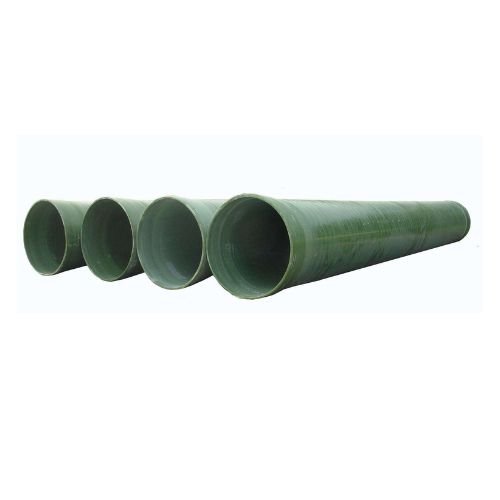
A FRP sand sandwich sewage pipe is a kind of FRP pipe that is reinforced with quartz sand in the structural layer. The addition of quartz sand can significantly improve the structural strength of the pipe body, which can withstand greater pressure and is suitable for long distance transportation of sewage with large loads, and is widely used in municipal sewage treatment.
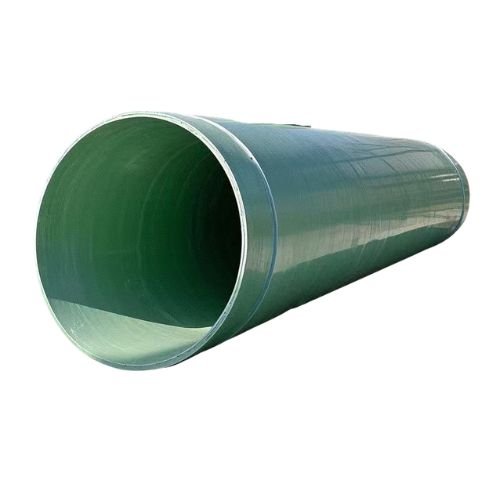
FRP sewer jacking pipe is a type that does not need to be dug into the ground for laying. Generally speaking, the pipe wall is thicker and has better pressure resistance. It is applicable to rivers, and the city roads that can not be closed, etc, reducing the impact of pipe laying on the road surface.
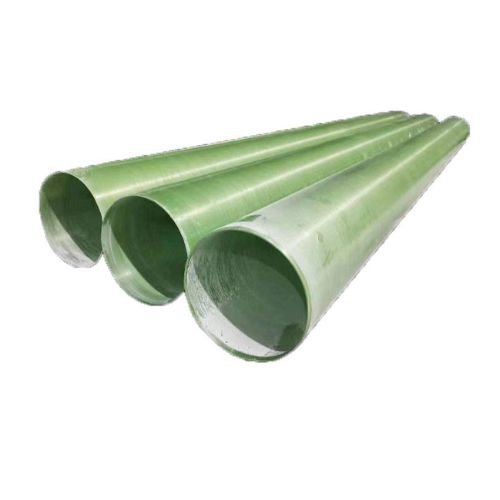
FRP buried sewer pipe needs to be laid underground for sewage transportation. Before laying, it is necessary to excavate the road surface and then lay it. It has the advantages of easy installation and light weight. It is widely used in the construction of urban wastewater and industrial wastewater discharge systems.
Corrosion Resistant Raw Material
Our FRP sewer pipe can be used for a long time in different corrosive environments such as acid, alkali, salt and organic solvents. Your choice of resin base material includes o-phenylene resin, m-phenylene resin, vinyl resin, phenolic resin and so on. Depending on the degree of liquid corrosion in your wastewater discharge application, we will recommend the most appropriate formulation composition.
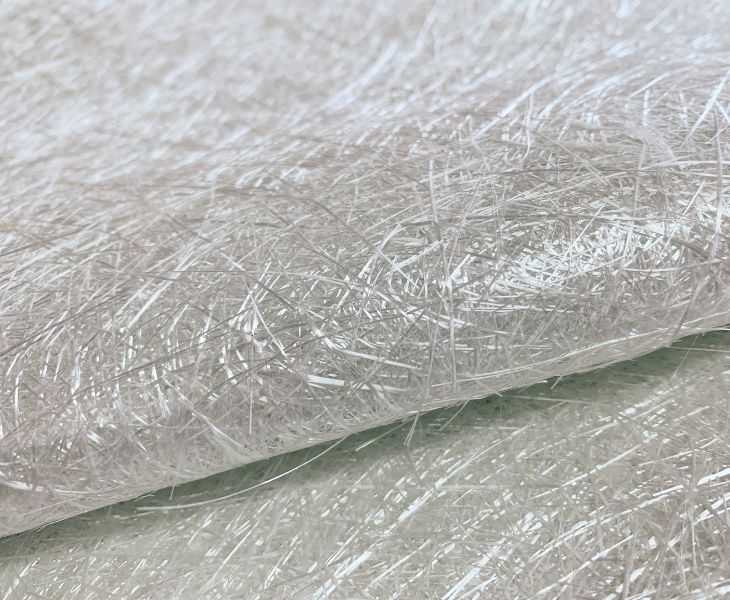
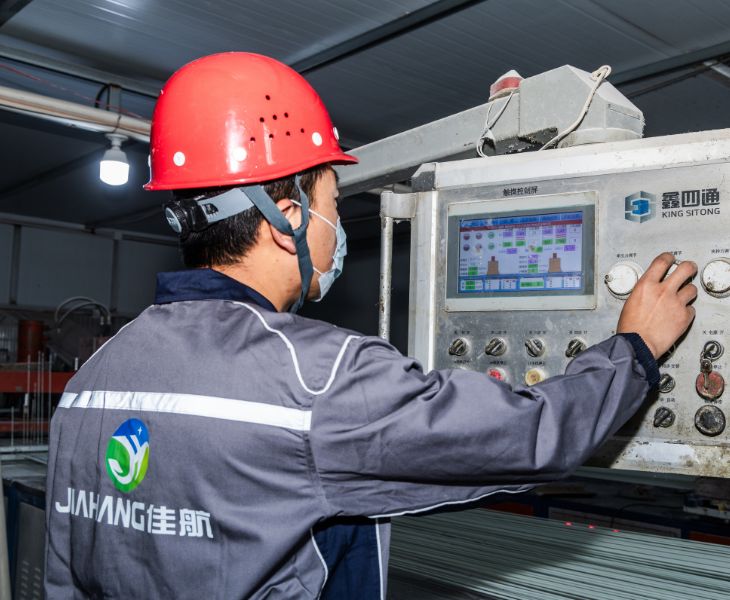
Computer Controlled Winding Process
FRP sewage pipe adopts a winding process controlled by computer. It can accurately set the angle, tension and number of layers in the winding process. Thus we can ensure the consistency of the size and quality of each pipe in the mass production. Thus they are suitable for orders with a large laying range and a large quantity.
High Mechanical Strength Designed for Different Level of Pressure
We are able to provide you with FRP sewer pipe that is resistant to water pressure and impact. And at the same time, we also support the design and adjustment of the pipe structure and wall thickness according to your actual working conditions, so that it can meet different pressure resistance requirements and installation environments.
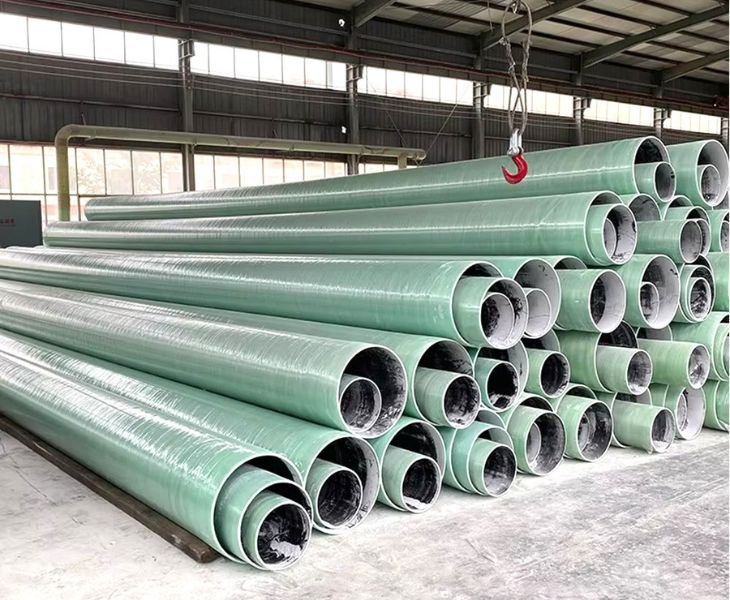

FRP wrapped sewers pipes can handle oily wastewater from the oil and gas sector. Its high mechanical strength allows it to withstand the high water pressure generated by the flow of these effluents. It is resistant to the corrosive properties of oil, chemical solvents and gases that may be present in these fluids. It plays a key role in the construction of pipelines for the transportation and treatment of oil and gas wastewater.

FRP sewer pipes are also used for municipal wastewater treatment and disposal in urban construction, such as the transportation of residential wastewater and the piping systems inside wastewater treatment plants. They have a service life of several decades, avoiding the risk of rupture and requiring less frequent maintenance.

Industrial wastewater, sewage transportation is also inseparable from the FRP sewer pipes. It can be used in food, manufacturing, chemical and other industrial areas. It is also resist to the corrosion of industrial wastewater, providing a longer service life and reliable operation process.
FRP sewer pipes are generally made by winding molding. This process involves impregnating glass fibers with resin, wrapping them around the surface of the mandrel at a certain angle and tension. Then they will form after curing to get the pipe structure you need. We use a computerized winding process to ensure more accurate winding angle and tension, and the resulting FRP sewer pipes have excellent surface effect and mechanical properties.
Our FRP sewer pipes can handle a wide range of wastewater, including and not limited to municipal domestic wastewater, corrosive chemical wastewater, and more.
Yes, our FRP sewer pipes can operate in temperatures as low as -70 degrees Celsius without becoming brittle or cracking.
FRP sewer pipes are commonly connected with tees, flanges and elbows, which are also mechanically produced with high precision to ensure a tight connection. At the same time, we also provide some special connection solutions, such as hot melt connection, bonding connection, etc., to meet the specific conditions of the more demanding connection requirements.
Yes, we can provide you with on-site installation of FRP sewer pipes or guidance services, and we can cut your pipes to meet your different needs.
Why Do You Need FRP Sewer Pipes?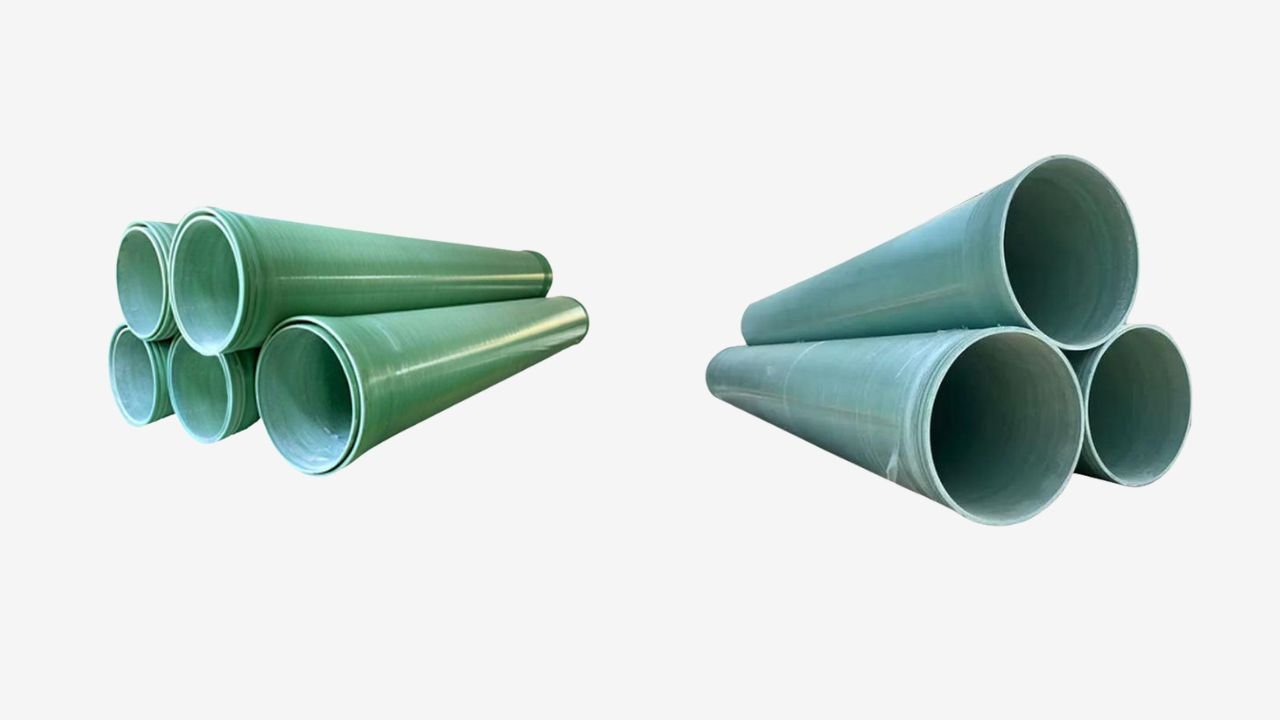
Strong and Durable
FRP sewer pipes have high mechanical strength. It can well withstand the impact of different flow rates and water pressure when the liquid flows, without rupture or bursting. The performance is reliable and can provide a longer service life.
Corrosion Resistant
FRP is a chemically inert material. As sewage from petrochemical or other fields may have corrosive chemicals, FRP sewer pipes can well resist these impacts. They will not cause chemical reactions or corrosion in the process of use, resulting in changes in structure and properties, to ensure the stability of long-term use.
Lightweight
FRP material is lightweight and will not add the burden of handling and installation. Thus FRP sewer pipes can significantly save the labor waste and time, money costs brought by the installation.
Weather Resistant
FRP sewer pipes are highly resistant to UV rays, high and low temperatures. So even when they are used outdoors, you don’t need to worry about structural or performance damage. It also doesn’t require frequent maintenance, which saves you the effort and cost of maintenance.
FRP Vs PVC, Which Is Better For Dealing With The Sewer?
A Comparison Between FRP And PVC
| Features/Types | FRP | PVC |
| Strength And Durability | Better impact resistance and toughness | Durable material, but not as strong as FRP |
| Weight | A light material | Lighter than the FRP |
| Corrosion Resistance | Better corrosion resistance | Has good resistance to corrosion, but the ability is lower than the FRP. |
| UV Resistance | Better | If exposed to UV light for a long time, the material is likely to deteriorate or even become brittle, and the color may fade. |
| Fire Resistance | Better | Does not perform as well as FRP in areas of high fire risk. |
| Price | Higher | Lower |
How To Choose the Right One?
If the sewer pipe is to be laid outdoors or exposed to corrosive environments, FRP pipe is a better choice.
On the other hand, if the sewer pipe does not need to be exposed to direct sunlight in an outdoor environment and is less corrosive, PVC sewer pipe is sufficient. This is also a good choice after considering the cost and performance.
What Should I Pay Attention To When Installing FRP Sewer Pipes?
Check The Pipes Before The Installation
Before the actual installation, you need to take a necessary inspection of the FRP sewer pipes. First of all, you need to check the appearance of the pipe to make sure that there are no cracks, bubbles or other defects on the surface.
Secondly, it is also necessary for you to confirm its specification parameters such as thickness and dimensions. You should ensure that these values do not deviate by more than 0.5% from the figures indicated on the parameter sheet, in order to ensure that the joints are of accurate length and tightly connected.
Cleaning Of Trenches For Laying Pipes
Before placing the FRP sewer pipes, you will also need to clean the trench where the pipes will be laid. The trench must be flat enough to ensure the stability of the pipe laying. At the same time, it is better not to have stones and other debris in the trench, to avoid the scratch on the pipes surface or even the accidents of sewage leakage in the subsequent use.
Confirm The Connection Method
The splicing of FRP sewer pipes also needs to be confirmed. For example, when you use FRP flanges for installation, you need to pay attention to that the the sealing ring of the flanges must be in the center position to ensure uniform force. If you use adhesive for splicing, you need to mix the adhesive evenly and ensure that the thickness of the application is consistent.
What Are The Things To Check After The Construction Of FRP Sewer Pipe Is Completed?
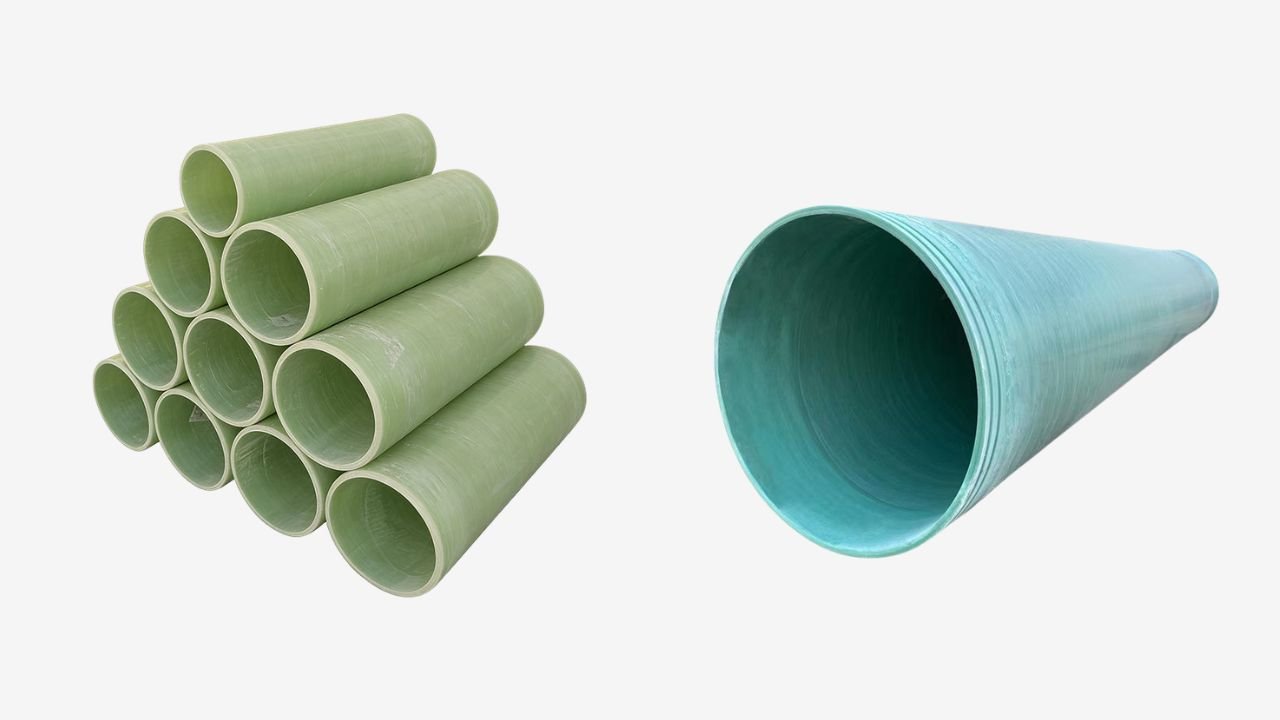
Checking the Tightness of FRP Sewer Pipes Connections
When your FRP sewer pipes have been connected and installed, you should first focus on checking whether the connections of each pipe are tight or not. as the slightest gap may cause accidents in subsequent use. What you need to pay most attention to is whether the parts connected using tees, flanges, and elbows are strong and tight, and to observe whether there are any cracks in the pipe wall due to stress.
Pressure Rating Confirmation
You can check the pressure rating of FRP sewer pipes by hydrostatic testing. This is done by injecting a stream of water into the FRP sewer pipe at a pressure of 1.5 times the design water pressure of the pipe itself. If no leakage occurs during this period, the pipe passes the test. If the pipe can be kept without leakage for 30 minutes, it passes the test.
Tips To Find The Best FRP Sewer Pipe
Check the Quality of the Raw Materials
The selection of FRP sewer pipes can start with the identification of raw materials. Generally, FRP sewer pipes use a resin base material of phenyl/vinyl/phenolic resin, and the reinforcement material includes glass fiber, quartz sand and some necessary additives.
You need to make sure that the factory you choose has a quality control process for these raw materials. And it is also important to confirm the purity of the glass fibers used, so that the manufacturer does not mix them with other materials that could affect the final performance of the product.
Check the Structure of FRP Sewer Pipes
You also need to know whether the structure of FRP sewer pipes is reliable. The lining layer is the part that comes into direct contact with the sewage, so it is important to make sure that the resin material is compatible with different sewage properties (corrosiveness, temperature).
For the structural layer, it is best to choose a pipe that has undergone a computer-controlled winding process to create the wall structure, which ensures accuracy and consistency for large orders. In addition to this, if the quartz sand is added to the structural layer, you need to make sure the quartz sand is distributed evenly enough.
The outer layer is the part of the pipe that needs to protect the entire pipe, and it needs to be resistant to abrasion, UV rays, and more to provide solid protection against external factors that can cause the outer layer to hang up or even cause the pipe to rupture.
Checking the Temperature Resistance Standard
You will also need to check the temperature range of the actual fluid being transported and select a resin material with the appropriate operating temperature. For more specialized chemical applications, FRP sewer pipes may need to be operated at temperatures of 150°C or higher.
Judging the Factory’s Production Capacity
The production capacity of the factory is also a key judgment factor for selection. You need to confirm the formality and professionalism of the producer and check its business qualification. It is better to choose a factory that can provide one stop service from raw materials to design and processing. In addition, understanding their past case experience can also assist you in your judgment.