

Why Choose Our FRP Ladder
The Corrosion-Proof, Lightweight but Heavy-Duty Walkway Solution for Various Environments
- High corrosion resistance, suitable for long-term use in highly corrosive environments, including acids, alkalis, salts, and organic solvents.
- We use high-quality base resins and flame-retardant formulations, which provide strong flame-retardant performance.
- FRP has a specific gravity of only one-quarter that of steel and possesses outstanding strength.
- Anti-aging additives are used in the manufacturing process, thus ensuring that the FRP ladder can maintain stable performance for over 20 years.
- The color and dimensions of the FRP ladder can be customized, and it can be assembled to any size you require.
Your Reliable FRP Ladder Supplier in China
As a professional FRP ladder manufacturer, we are familiar with the manufacturing of ladders for various applications in different industries. The FRP ladders we manufacture have excellent corrosion resistance, flame retardancy, load-bearing capacity, and anti-slip performance. In addition, the FRP ladder has a very long service life, and it can maintain high strength for more than 20 years. For different applications, you can customize almost any specification you want.
Types of Our FRP Ladders
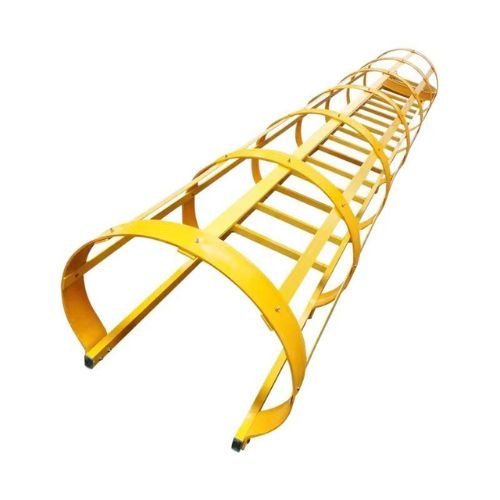
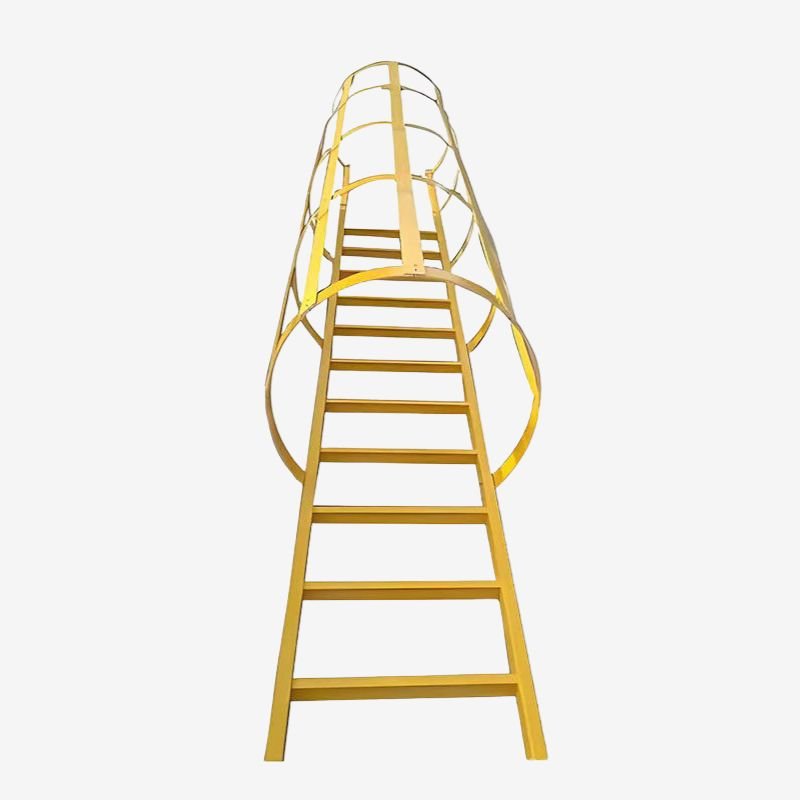
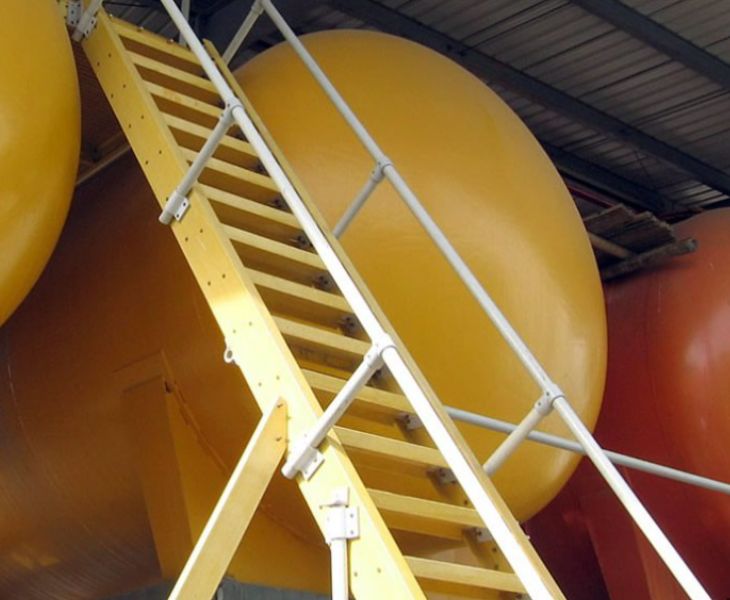
The outer side of the FRP Cage Ladder is equipped with a protective cage. It has extremely high safety for working at heights.
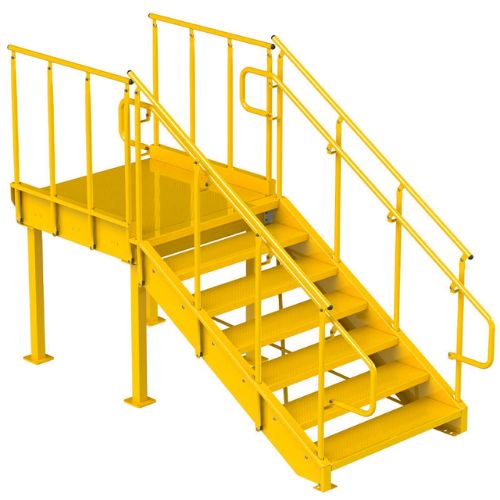
Used for stair connections between industrial platforms. We have added corrosion resistance and an anti-slip design to it.

A ladder-type cable tray designed for cable support, typically in rung or trough styles, which is insulated and corrosion-resistant.
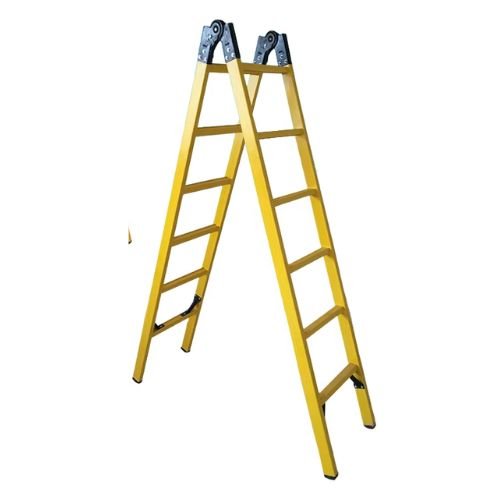
The FRP folding ladder is highly portable, and it can be folded into a flat when not in use. It is suitable for temporary tasks.

The FRP extension ladder is highly versatile, and you can extend or telescope it. It is suitable for high-altitude work at various heights.

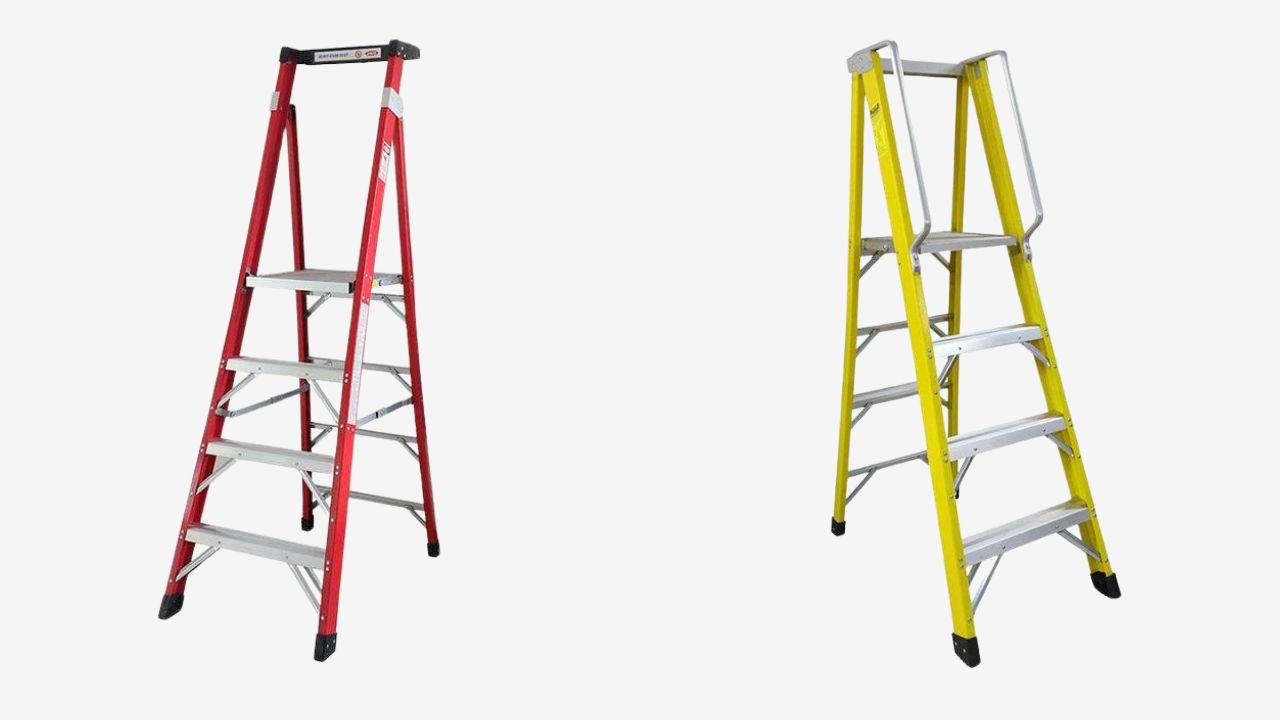
The top of the FRP platform ladder has a platform, which gives you a stable standing area and your safety.
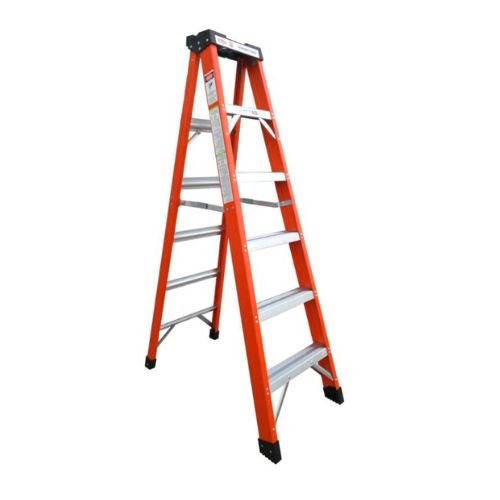
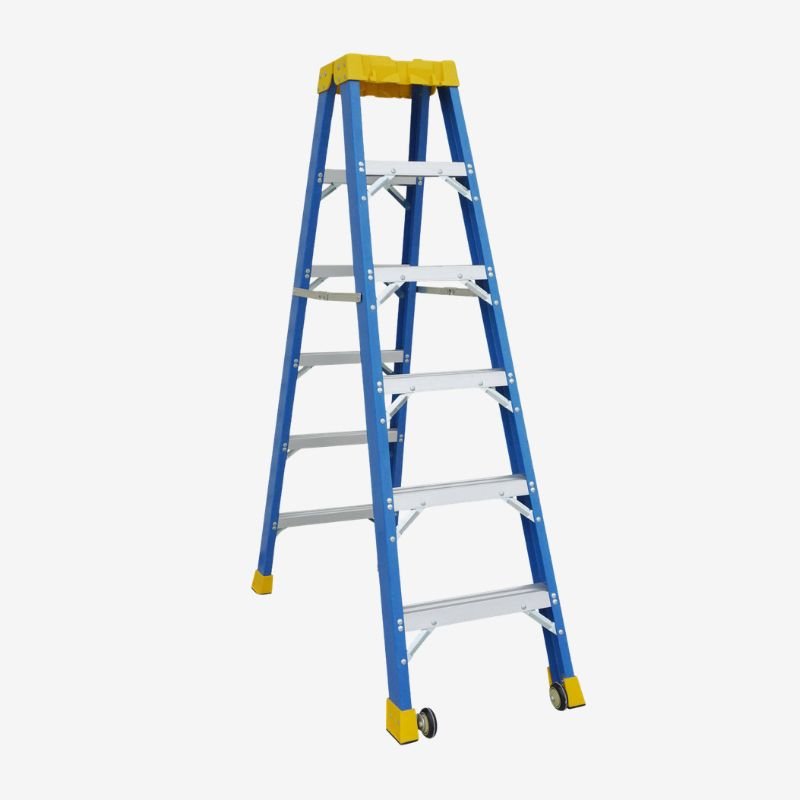
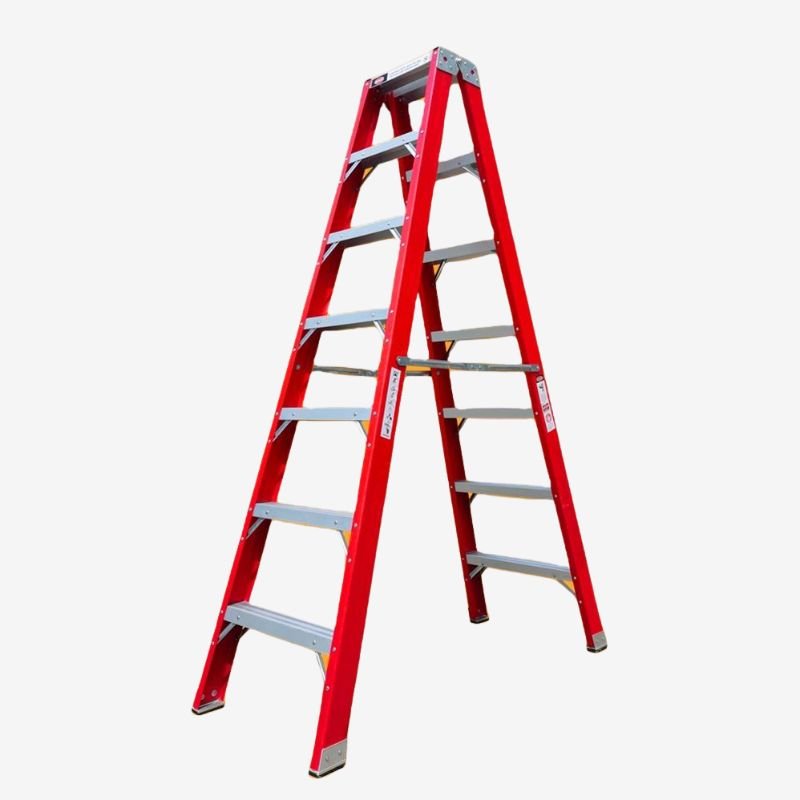
The fiberglass step ladder has wide steps, and you can work directly while standing. It usually has ladder legs on both sides.

There is a platform on the surface of the tray-type FRP ladder, which is equipped with a tray. It can support heavy cables and pipes.
Features of Our FRP Ladder

Glass fibers and resin are highly corrosion-resistant materials, so FRP ladders can withstand various acidic, alkaline, and chemical environments.

The surface of our FRP ladder has anti-slip textures with a high coefficient of friction. Even in wet or oily environments, it ensures you will not slip.

Compared with steel ladders and aluminum ladders, the FRP ladder made of glass fiber and resin is less prone to rust and deformation. It can achieve a stable service life of 10 to 20 years.

During high-voltage work, steel and aluminum ladders may conduct electricity. FRP ladders are completely non-conductive by material, and they are suitable for use in electrical facilities.

FRP ladders are lighter than metal ladders; they also have good load-bearing capacity, and thus improve your handling efficiency and construction efficiency.

FRP materials have excellent flame-retardant properties. The ladders we provide typically have a flame spread index below 25, with a minimum of 5, and they are highly resistant to ignition.
Highly Resistant to Rust and Deformation
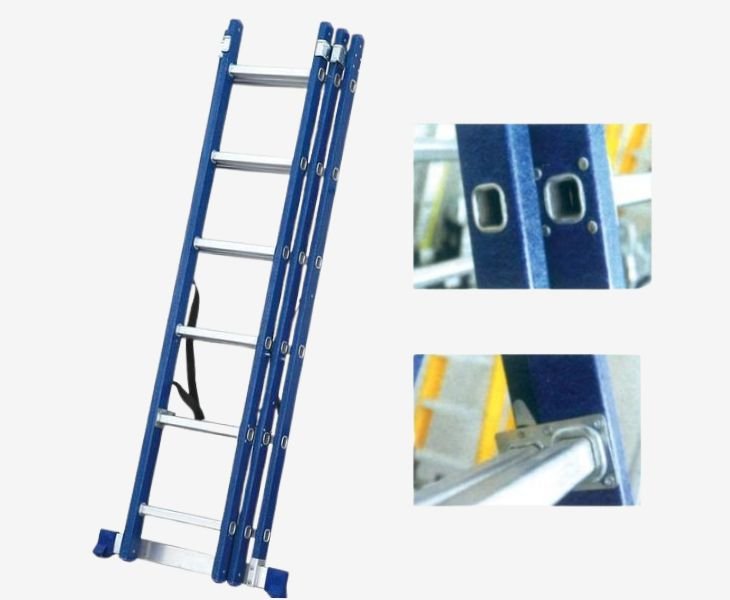
In high-humidity or coastal environments, metal ladders are particularly prone to rusting and becoming brittle, which compromises their safety. Aluminum or normal plastic ladders seldom rust, but they may bend or deform under heavy loads. FRP ladders, made from a composite of fiberglass and resin, do not rust and remain stable under long-term loads.
Provides You with Safe Protection
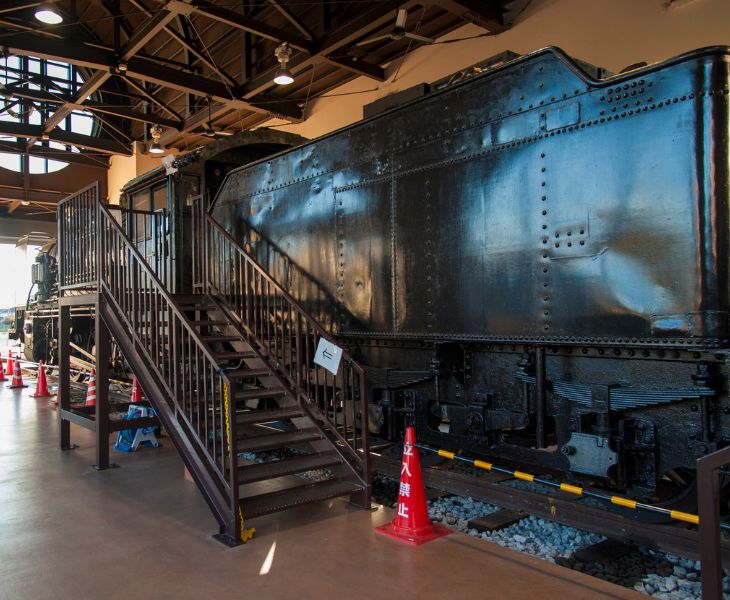
Industrial work at heights may have risks such as slipping, falling, high-voltage electric shock, and fire. Ladders of poor quality that lack slip resistance and fire protection may lead to serious safety risks. No matter where you use them, selecting a ladder with a high safety factor is essential.
FRP ladders can provide you with excellent protection in all dimensions: Its high friction coefficient will not cause you to slip; Its anti-corrosion and high-strength properties prevent it from becoming brittle and bending; High insulation protects you from electric shock.
High Load-Bearing Capacity
The glass fiber reinforced material and the resin form a composite structure, which is similar to reinforced concrete. It is overall hard and sturdy, and it does not deform easily; moreover, unlike metals, FRP does not experience metal fatigue. This means that even if used over a long period of time, the FRP ladder will not cause any hidden problems.
In addition, our connection points are also designed under structural reinforcement, which further improves the load-bearing capacity of the FRP ladder. Through this, the load-bearing capacity exceeds your daily usage requirements, and you can use it with confidence.
Applications of FRP Ladders

High-voltage substations usually pose a very high risk of electric shock. Especially in humid environments, the risk will increase. FRP ladders are made entirely of insulating materials. Even in wet or humid environments, the ladder will never conduct electricity. This greatly reduces your risk of electric shock. Therefore, FRP ladders are better suited for electrical maintenance work.

In chemical and pharmaceutical laboratories, ladders are always exposed to acids, bases, or some other organic solvents, and this is inevitable. To avoid corrosion, you need to use a corrosion-resistant ladder, and the FRP ladder is an ideal choice. It can withstand corrosion from a variety of chemicals and is resistant to rust and cracking. Additionally, FRP ladders can be made with flame-retardant resin, which meets laboratory safety requirements.

In coastal areas, such as on ships and at ports, the environment is not only humid but also has a high concentration of salt spray in the air. If you install metal ladders on ships, they will quickly rust or corrode. Instead, FRP ladders not only will not rust but are also resistant to salt spray corrosion, and they are the ideal choice for ports and ships.

In buildings and heavy industrial facilities, ladders need to be higher in safety and have stronger structural stability. FRP ladders have high load-bearing capacity, slip resistance, and deformation resistance, and they can provide the most protection for your high-attitude work. Furthermore, you can customize all the specifications of the ladder you want, including size, color, and width, to meet the specific requirements of your building.

Ladders in light industrial buildings are often used for accessing shelves and equipment inspections, and they generally require higher portability. Due to the materials used, FRP ladders are very lightweight. When used for routine inspections, even a single person can easily carry them.

FRP ladders are highly customizable; we can tailor nearly all the specifications for you, including size, structure, and performance. Through different designs, FRP ladders can meet your various needs and the corresponding standards. Furthermore, we are familiar with the production standards and practical requirements of various industries, and can provide you with the best solutions.
We can customize every detail of the FRP ladder for you, including:
- Size: Customisable height, width, inclination angle.
- Color: Available in six basic colors: yellow, green, blue, gray, orange, and black, with additional colors customizable to your specifications.
- Structure: Available in guard cage, platform, and handrail.
- Performance: Different levels of flame retardant, load-bearing capacity, and anti-slip grade.
- Installation method: Including wall-mounted, fixed, and movable.
Compared to metal or wooden ladders, FRP ladders are more corrosion-resistant, fire-resistant, have better insulation capabilities, and have a longer service life. Also, FRP ladders have a lighter weight, making them easier to ship and carry.
What’s most crucial is that, FRP ladders have better anti-slip properties, ensuring your safety in all aspects.
To ensure the long-term use of FRP ladders, you should carry out regular maintenance, including regular cleaning and inspection of the ladder structure. When storing it, you should avoid exposing it to strong ultraviolet rays, high temperatures, or extreme humidity for a long time; when using it, be careful not to overload the ladder. Through this, you can let the maintains the longest possible service life.
Our FRP ladders generally meet essential international safety standards, including EN 131 (European ladder standard), OSHA (Occupational Safety and Health Administration standards in the United States), and UL 94 flame retardancy certification. Also, some models can obtain ISO 9001 quality management system certification and CE certification.
The FRP ladder is made of glass fiber composite resin material. It has a low density but high strength. The weight of the FRP ladder is approximately 40-60% lighter than that of the steel ladder, and is slightly heavier or comparable to the aluminum ladder with the same load-bearing capacity. However, compared to aluminum ladders, due to its lower friction coefficient and lower conductivity, the FRP Ladder is still the better choice for most projects.
Yes. The FRP ladder is made of composite materials such as glass fibers and reinforcing resin. They are all non-conductive materials. Furthermore, even in humid or chemical environments, it can maintain its insulating properties. You can use FRP Ladder in high-voltage power equipment, substations, and electrical facility maintenance, etc., in environments with electricity or high voltage, and can reduce the risk of electric shock.
What is FRP Ladder?
FRP stands for Fiber Reinforced Plastic, which consists of high-strength fibers combined with a resin matrix. Generally, the FRP ladder is lighter in weight, but at the same time, it has a high load-bearing capacity. Furthermore, it has outstanding corrosion resistance and insulation properties, which can remain stable even in high-voltage and marine environments.
The FRP ladder has a very low failure rate. You only need to perform occasional maintenance. Its service life can be up to 20 years. FRP ladders can be used in almost all applications where ladders are required, including humid, chemical, coastal, and extreme-temperature environments.
Aluminum Ladder VS. Steel Ladder VS. FRP Ladder
The common types of ladders on the market include aluminum ladders, steel ladders, and FRP ladders. The differences among these three types of ladders are as follows:
Aluminum Ladder
Aluminum ladders are very lightweight, and they are resistant to salt and alkaline corrosion. However, aluminum ladders have lower load-bearing capacity than steel and FRP ladders, and they are highly conductive. They are not suitable for use in environments with high load requirements or high risk of electric shock.
Steel Ladder
The steel ladder has a very strong load-bearing capacity and a stable structure, and it is not prone to bending. However, steel ladders still have critical drawbacks: They tend to rust and corrode, especially in humid environments; Steel ladders are particularly heavy, they are difficult to move, and will cost more to install on buildings.
Why FRP Ladder is Always the Best Choice?
The FRP ladder has the features of both aluminum ladders and steel ladders. It is lightweight, does not tend to deform, has strong load-bearing capacity, good insulation, and high corrosion resistance. Due to these advantages, FRP ladders perform better than aluminum, steel, and other types of ladders in all scenarios.
Key Technical Specifications for Custom FRP Ladders
Load-Bearing Capacity
Working at heights is often dangerous. When you are engaged in high-altitude work, the ladder must be ensured to have sufficient strength and load-bearing capacity. Only in this way can your safety be protected. The rated load capacity you choose should be at least 1.5 to 2 times the actual load; furthermore, you also need to check whether the ladder has any reinforcement design.
Step Design
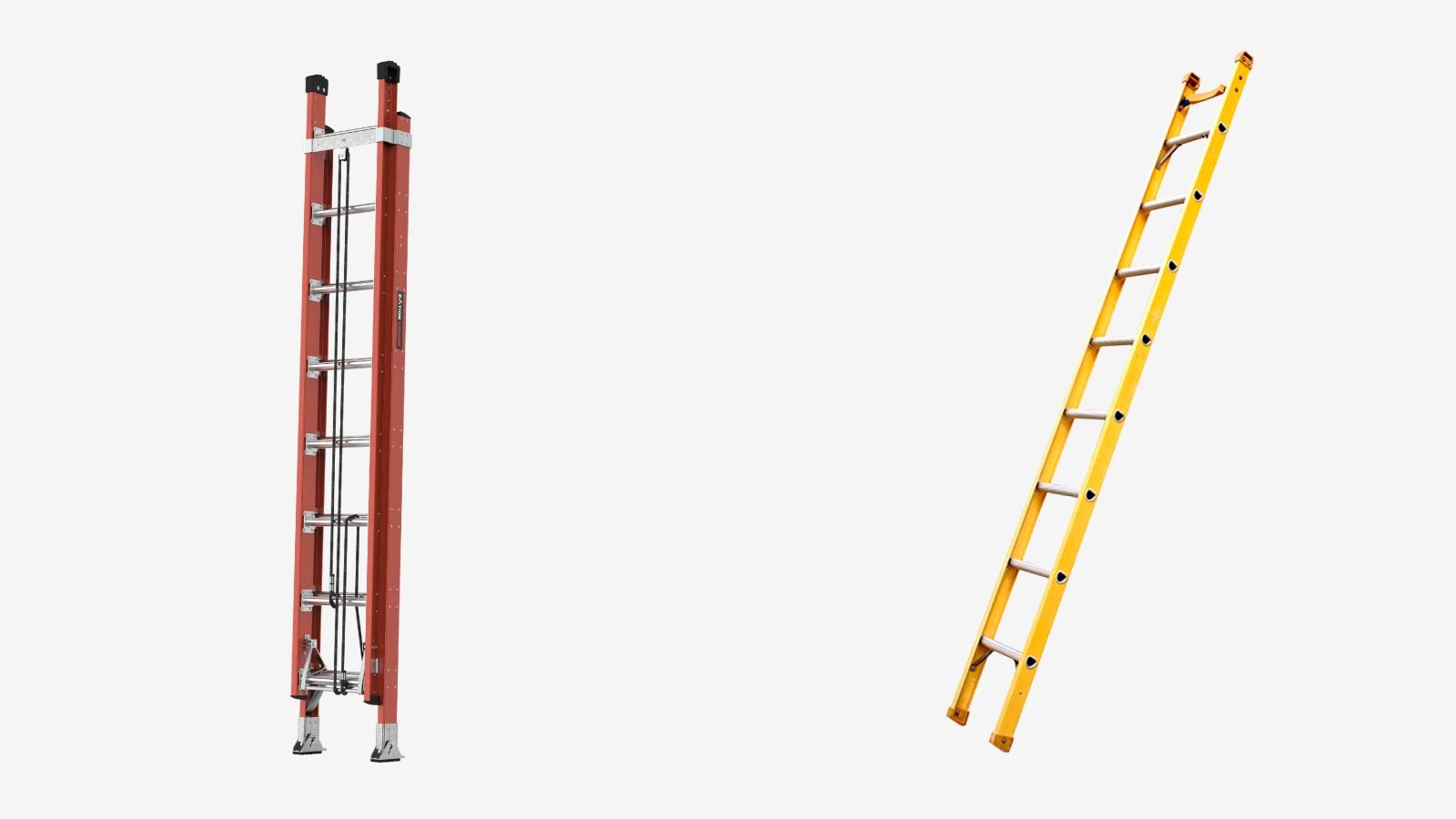
The design of the steps directly determines whether the ladder itself is slip-resistant. Ladders with excellent anti-slip properties may have surface textures, grooves, matte or anti-slip strip designs. Furthermore, to make climbing up and down more comfortable, you also need to choose the appropriate width and spacing: for example, a tread width greater than 100 mm and a spacing of more than 250 mm.
Fire Resistance
Especially in high-risk environments, ladders need to meet specific flame-retardant standards, such as UL 94 V-0 and EN 131. You need to select the appropriate one for your ladder. Also, you can verify the actual fire-retardant performance of an FRP ladder by requesting fire resistance test reports and international certification documents from the manufacturer.
Electrical Insulation
If you need to install a ladder in an environment where it may be exposed to live electrical equipment, for example, an electrical distribution cabinet or a telecom tower, choosing an electrically insulated ladder is essential. You can confirm the actual conductivity of the ladder by checking whether it has passed the relevant dielectric strength tests and complies with applicable standards.
Tips for Customising FRP Ladders
Choose Appropriate Dimensions and Installation Methods
Before customization, to ensure that the finished ladder can be installed smoothly, you need to carefully measure the dimensions of the reserved installation space. Furthermore, FRP ladders can be classified by installation method into three types: wall-mounted, self-supporting, and rail-mounted types. You need to choose the appropriate installation method based on the wall material and the usage scenario.
Specifications Meet Practical Requirements
In addition to basic load-bearing capacity and insulation performance, you also need to ensure that the ladder meets certain special requirements that are decided by actual needs. For example, for ladders that will be used outdoors for extended periods and may be exposed to strong sunlight, you need to choose UV-resistant materials and coatings.
Supplier Qualifications and Certifications
When selecting a supplier, you need to confirm that they have the necessary production qualifications and that they can provide proof of production capacity, including whether they have automated production lines, precision molds, and processing equipment. Moreover, you need to check whether the product has passed relevant certifications, such as EN 131, ANSI, and other material performance tests.