
Why Choose Our FRP Pipe Fittings?
Manufacturer of Corrosion-Resistant FRP Pipe Fittings for Chemical Plants
- A deep-rooted fiberglass-reinforced plastic composites industry in China for 26 years, a manufacturer of FRP pipe fittings with many years of production experience and technology accumulation.
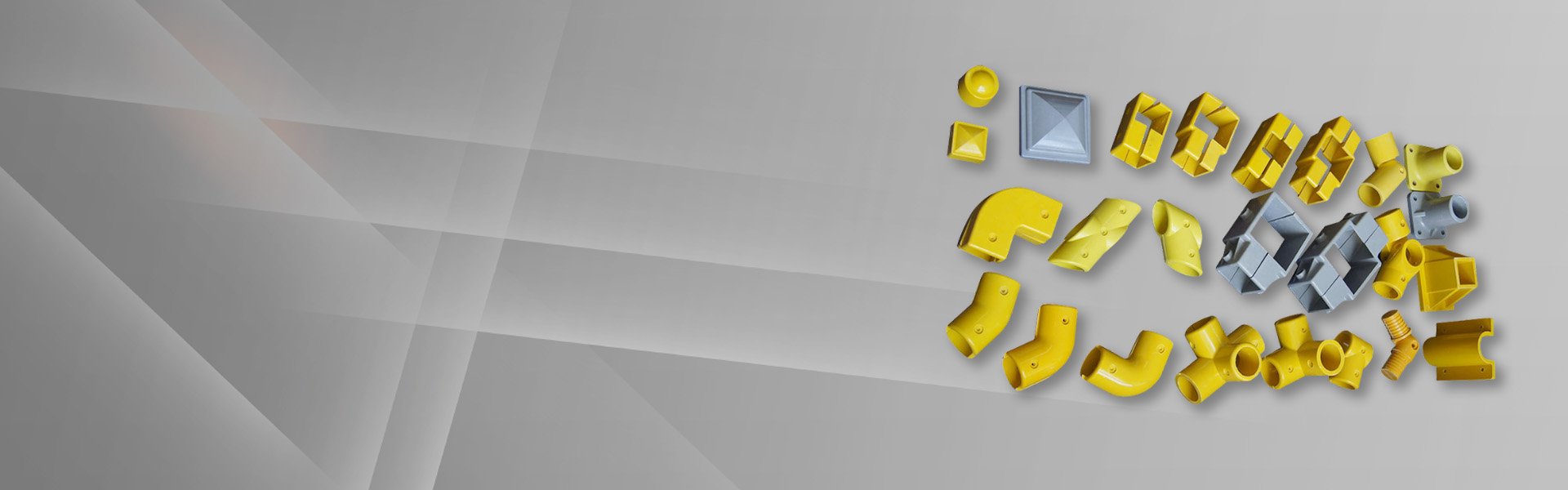
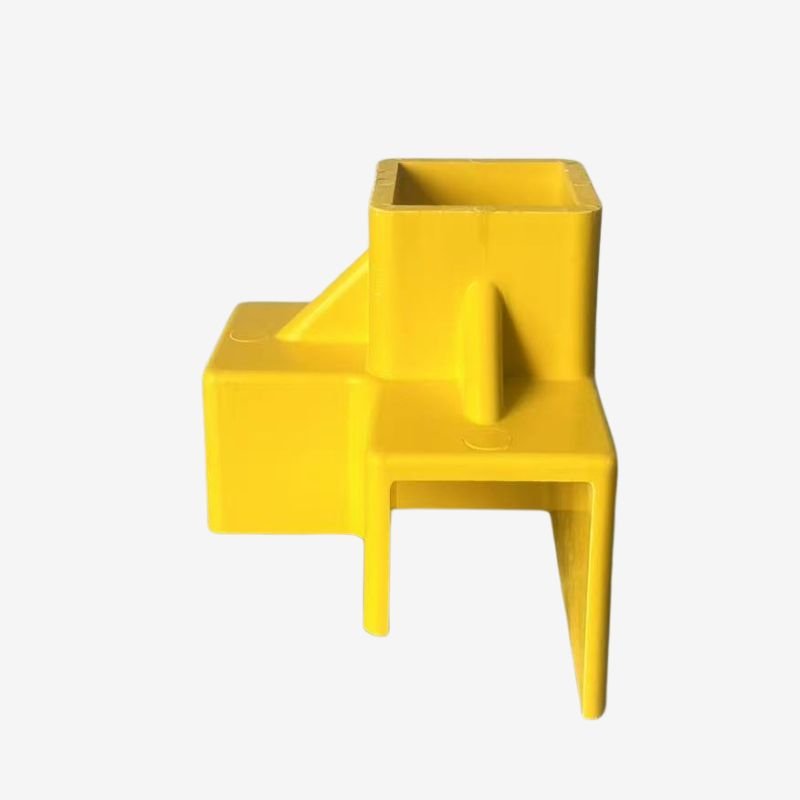
- We offer FRP pipe fittings such as elbows, tees, flanges and so on. We can customize the production of FRP fittings with different specifications, angles and pressure levels according to your requirements.
- All FRP pipe fittings have passed ISO9001, ISO14001, ISO45001 management system certification.
- A professional team provides 7×24h espond quickly to your order needs, and support to ensure your project runs smoothly.
Your Reliable FRP Pipe Fittings Supplier in China
We are a source factory of FRP pipe fittings, and we are also involved in design, production and sales. Directly supplied by the factory, eliminating intermediate links, stable supply and more advantageous price. Now we have more than 180 employees with stable running production line, which can provide good quality, high efficiency and cost-effective FRP pipe fittings products for your project. From raw material entering the factory, production process to finished products leaving the factory, we have a clear inspection process and standards. We ensure that the specifications of each batch of FRP pipe fittings are stable and consistent. We have been certified with AAA enterprise credit rating and now we have become a long-term cooperative FRP pipe fittings manufacturer for many customers at home and abroad. We offer a full range of FRP pipe fittings from standard to customized sizes, which can be applied to a variety of complex chemical and industrial piping systems, to meet the detailed needs of your project and to ensure the smooth implementation of your project.
Our FRP Pipe Fittings
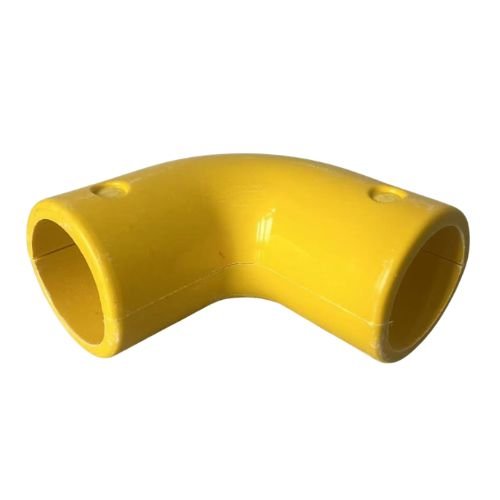
Multi-angle elbow design, adapt to different piping layout, easy to install complex piping system.
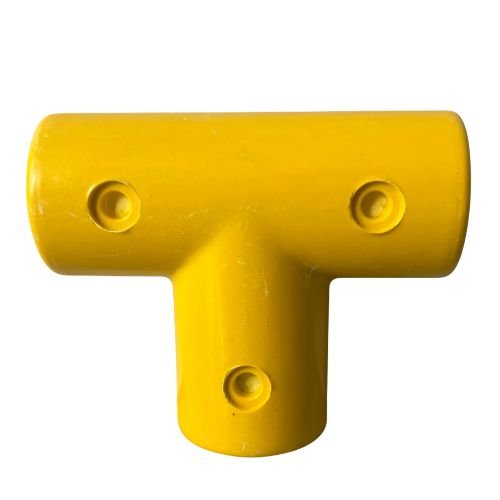
Realize branch piping connections and support a wide range of diameters and pressure levels to meet the diversified needs of projects.
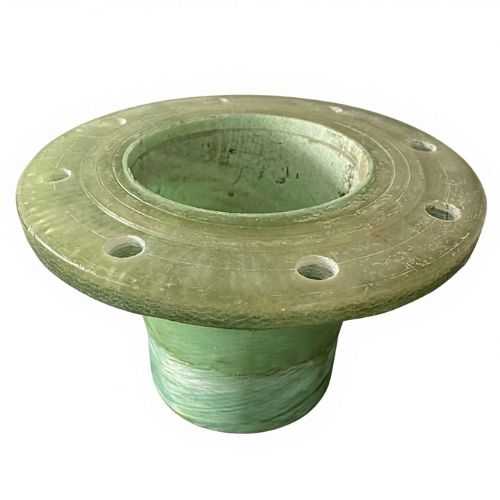
Provides standard and customized flanges to ensure a strong and reliable piping connection, which is suitable for various industrial environments.
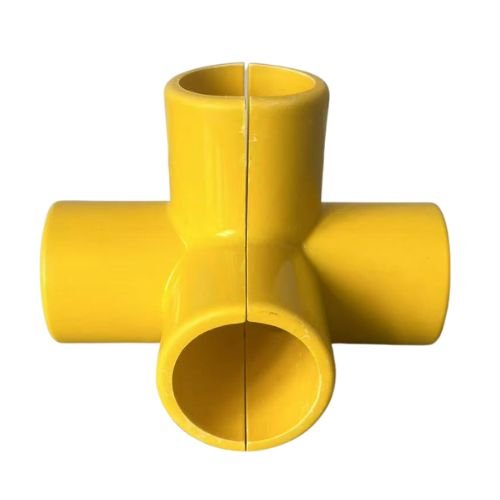
Includes size head, reducer, flange connection fittings, etc., which can be customized according to your drawings or special working conditions.
High Engineering Adaptability
Our elbows, tees, flanges and reducers are available in a wide range of diameters, pressure ratings and connection types to ensure a perfect fit for piping layouts in different situations. Whether you are building a new chemical plant, sewage treatment plant or upgrading a new project, you will be able to connect with the existing piping system, reducing the cost of secondary modification and construction difficulties. Our product interface adopts standardized design, can be quickly assembled, disassembled, convenient for on-site installation and maintenance. It also improves your project construction efficiency and ensures long-term stable operation of the pipeline system.
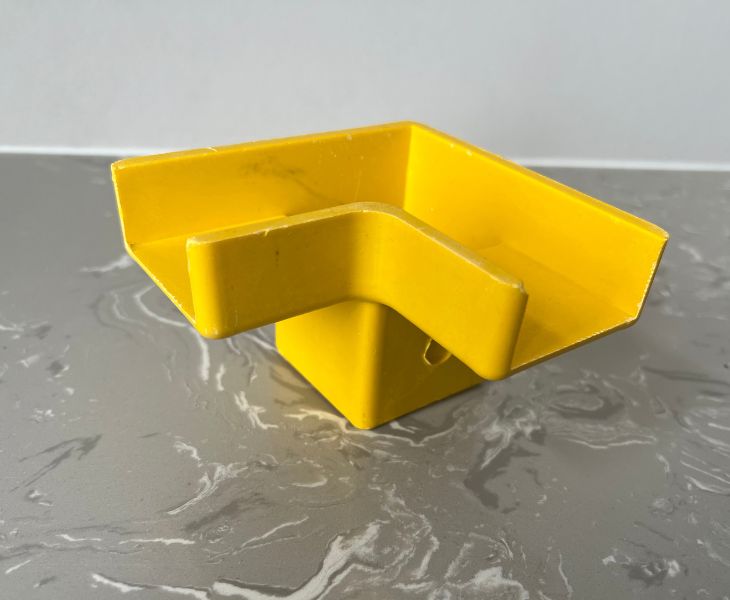
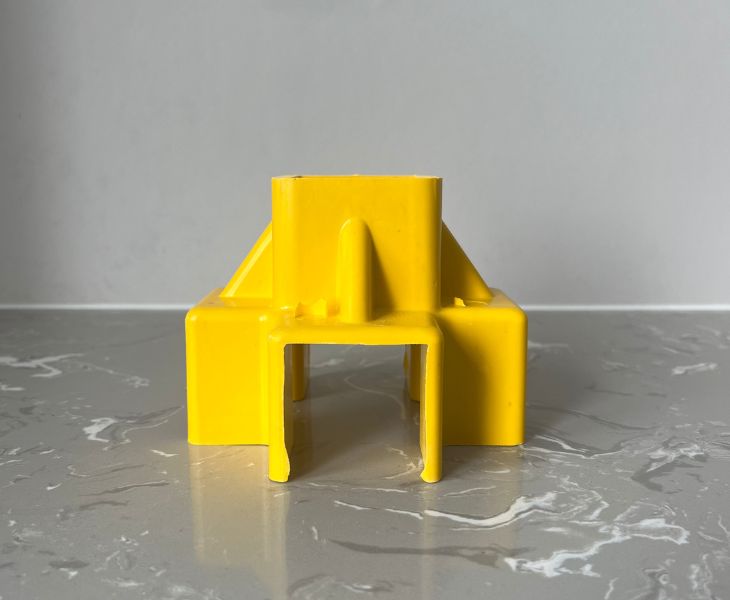
Temperature and Environmental Resistance
During the design and production of our FRP fittings, we take into account the temperature fluctuations and environmental changes at the application site. Our FRP pipe fittings are able to withstand alternating hot and cold temperatures, UV exposure, and minor vibrations without deformation or cracking. This means that they can be used in chemical plants, wastewater treatment and outdoor projects for a long period of time. This reduces the risk of leakage and maintenance of FRP fittings due to environmental problems and provides additional security for your project.
Perfect Production System
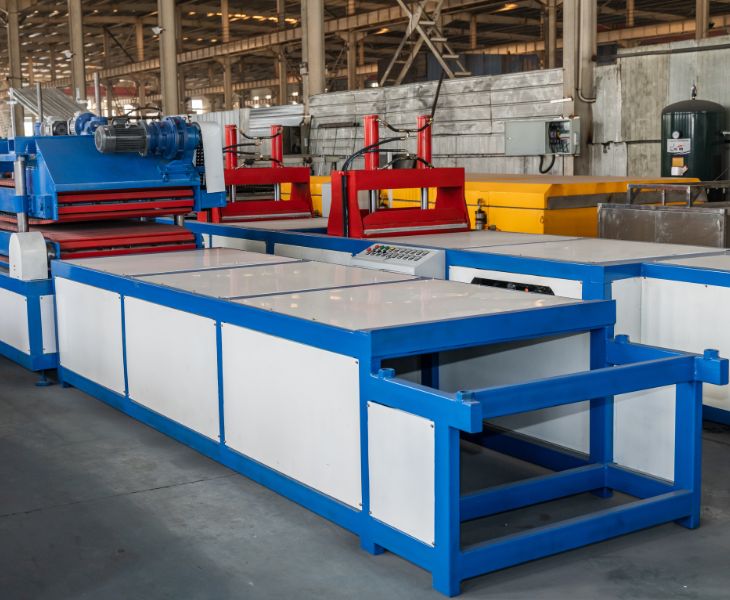
We provide one-stop solution from standard FRP fittings to project customization. We attach great importance to your experience and have established a mature order management, quality control and logistics system. Ensure that every your FRP pipe fittings can be delivered on time, and ensure that everything goes smoothly in your project.

FRP elbows, tees, flanges and reducers are widely used in piping systems for conveying acids, alkalis, organic solvents and other corrosive media. They are compatible with existing metal pipes and have good environmental adaptability.
FRP fittings are resistant to a wide range of chemical media and sediments. Its smooth interior reduces the risk of scaling and clogging and meets the needs of sewage, wastewater and water reuse systems.

These FRP pipe fittings are easy to install and lightweight, and can meet the complex layout of drainage, stormwater and aquatic pipe systems, which can reduce construction difficulties and meet the requirements of a tight construction period.

FRP pipe fittings have good environmental adaptability and can meet the complex environment of cooling tower circulating water piping, geothermal piping, ventilation systems and waste disposal piping.

For project-specific conditions, FRP fittings are customized with special calibers, pressure ratings and piping layouts to accurately match complex piping systems.
The nominal diameters of FRP fittings and common metallic piping systems are usually the same. However, engineering applications need to pay more attention to the wall thickness of the fittings, the pressure bearing, and the interface structure. Unlike metal fittings, the strength of FRP fittings comes primarily from the composite layer structure. Therefore, when selecting a size form, you need to match it to the specific pressure rating and design criteria, not just the OD or ID values. You need to consult the FRP fittings sizing catalog to ensure a perfect fit for your project.
The price of FRP key mainly depends on the complexity of its structure, the pressure level it needs to withstand and the production method. For example, DN150 FRP flange fittings of the same caliber, when applied to room temperature and low pressure water treatment system, it mainly withstands the basic fluid pressure, so its structure is relatively simple. In the chemical medium transportation conditions, it needs to meet the pressure requirements and long-term operation of the structural stability requirements. This is usually done by adding structural layers or adjusting the fiber layup to increase its pressure-bearing capacity. This will directly affect your cost.
To select a suitable FRP pipe fitting for your project, you need to consider the pipe diameter, the nominal pressure and the operating conditions of your project. At the design stage, you need to select the fittings that correspond to the structural design of the pipe in relation to the quality of the pipe, the operating pressure and the connection method. This will ensure the overall compatibility and long-term stability of the system.
Yes. In practice, FRP pipe fittings are often used together with metal pipes, valves and equipment interfaces. The key lies in the structural design and force matching of its connection parts. Through the reasonable connection design, it can ensure that the system maintains good sealing and structural stability during operation.
This usually depends on your project specifications and order structure. Regular sizes and fittings that need to be stabilized can be produced and arranged for shipment in a shorter period of time. Standard size fittings (e.g., elbows, tees, flanges of common sizes) can be produced in approximately 10-25 business days. If multiple sizes are required or project quantities are needed, 25-35 working days may be required. Deliveries will be made in batches based on the overall production schedule. If your project has an expedited requirement, you can communicate production scheduling in advance, or we can coordinate production within approximately 10 working days.
First of all you have to make sure that the FRP key meets the relevant standards and technical specifications, including certifications such as ASTM, ISO or domestic GB/T. Verify that the pipe diameter, wall thickness, pressure rating and temperature resistance meet the requirements of the project. High-quality FRP fittings are usually manufactured by winding or pultrusion process. It has a flat surface, no air holes or delamination, and the excuses and flanges are processed with high precision, which can ensure its sealing and installation stability. Also to determine whether it is reliable in the long term, check and refer to the service life and maintenance records of similar products in similar working conditions to ensure that it can operate safely and stably in your project.
What Is FRP Pipe Fittings?
A FRP pipe fitting is a composite component. It is commonly used to connect, turn, branch or terminate FRP pipes. It is an indispensable part of the FRP piping system. It is mainly used to solve the pipe system in the direction of change, pipe diameter transition and equipment interface connection problems. Its structural design will directly affect the overall stability and sealing performance of the pipe. The FRP key is often concentrated in the key stress and connection position of the system, and its structural design and manufacturing accuracy play an important role in the actual project.
Reasons to Use Fiber-Reinforced Polymer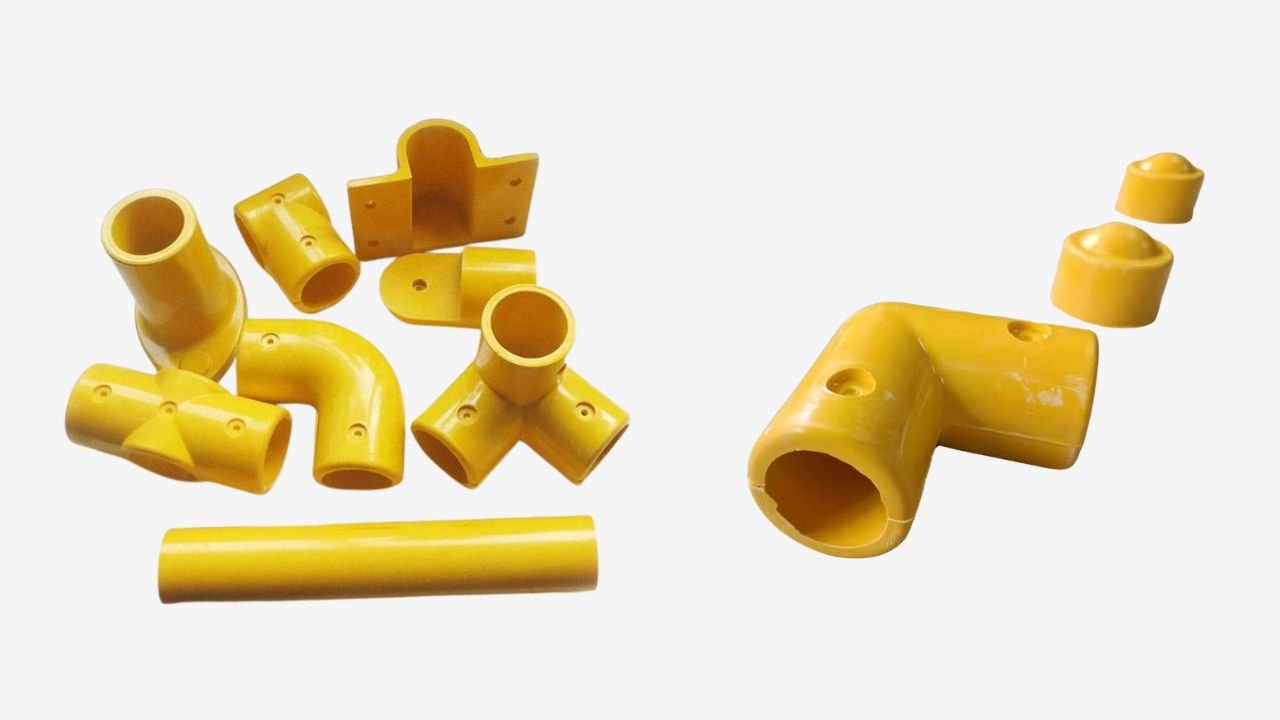
FRP pipe fittings have excellent corrosion resistance, whether it is acid, alkali, salt spray, containing corrosive gases or liquids, it can maintain long-term stability. It has low density, so the piping system composed of him is also lighter. The transportation and installation process is also very simple, without the need for large-scale machinery, manual labor can complete most of the work. This can effectively reduce your construction costs. FRP pipe fittings are also electrically insulating and thermally stable, making them very reliable in areas with electrical risks or temperature fluctuations. It also has a long lifespan and low maintenance frequency, making it ideal for industrial facilities that require continuous operation over long periods of time.
FRP Pipe Fittings vs Steel, Concrete and PVC
The common traditional materials used in long term piping systems are metals (carbon steel, stainless steel, cast iron), concrete, and some thermoplastics (PVC, HDPE). The following table is a simple comparison of the properties of these materials for your reference.
| Material Type | Key Features | Common Issues | FRP Advantages |
| Carbon Steel / Stainless Steel / Cast Iron | High strength, long history of use | Prone to corrosion, requires protective coatings, heavy, high installation cost | Corrosion-resistant, no need for regular maintenance, weight only 1/3–1/4 of metal, easier installation |
| Concrete | High rigidity, low cost | Very heavy, brittle, prone to leakage, long construction time | Lightweight, can be installed in complex terrain, leak-resistant, low maintenance |
| PVC / HDPE (Some Thermoplastics) | Lightweight, inexpensive, easy to fabricate | Prone to aging, poor temperature resistance, limited pressure capacity | Better temperature and pressure performance, chemical-resistant, structurally stable |
| FRP | Lightweight, high strength, corrosion-resistant, customizable | Higher initial material cost, but lowest long-term cost | Long service life (typically 20–50 years), maintenance-free, ideal for highly corrosive and high-humidity environments |
FRP Pipe and Fittings Dimensional Catalogue
FRP pipe fittings are usually designed according to DN and pressure level, he is suitable for chemical industry, seawater desalination, sewage treatment, ships and other systems. The common standard pipe diameters on the market are from DN15 to DN1200, and the length is usually 6 or 12 meters. Special engineering requirements can be customized.
| Nominal Diameter DN (mm) | Applicable Fittings | Common Applications |
| 15 – 50 | Small-diameter straight pipes, elbows, tees | Laboratory, light industrial piping |
| 65 – 300 | Small to medium-diameter fittings | Chemical plants, wastewater treatment, freshwater systems |
| 350 – 600 | Medium to large-diameter fittings | Municipal pipelines, industrial wastewater systems |
| 700 – 1200 | Large-diameter fittings | Seawater desalination, shipbuilding, port pipelines |
| 1300 – 2000 | Extra-large custom fittings | Large industrial projects, special conveyance systems |
Note: For different pressure ratings, the wall thickness increases with the pipe diameter. For example, for DN100, pressure 10 bar, the wall thickness is about 6-8 mm; for DN500, pressure 16 bar, the wall thickness is about 25-30 mm.
Fittings such as flanges, elbows, tees, etc. are usually matched to the size of the straight pipe, so that installation is easy.
Non-standard diameters and lengths can be customized on request for special projects.
Technical Specifications and Performance of FRP Pipe Fittings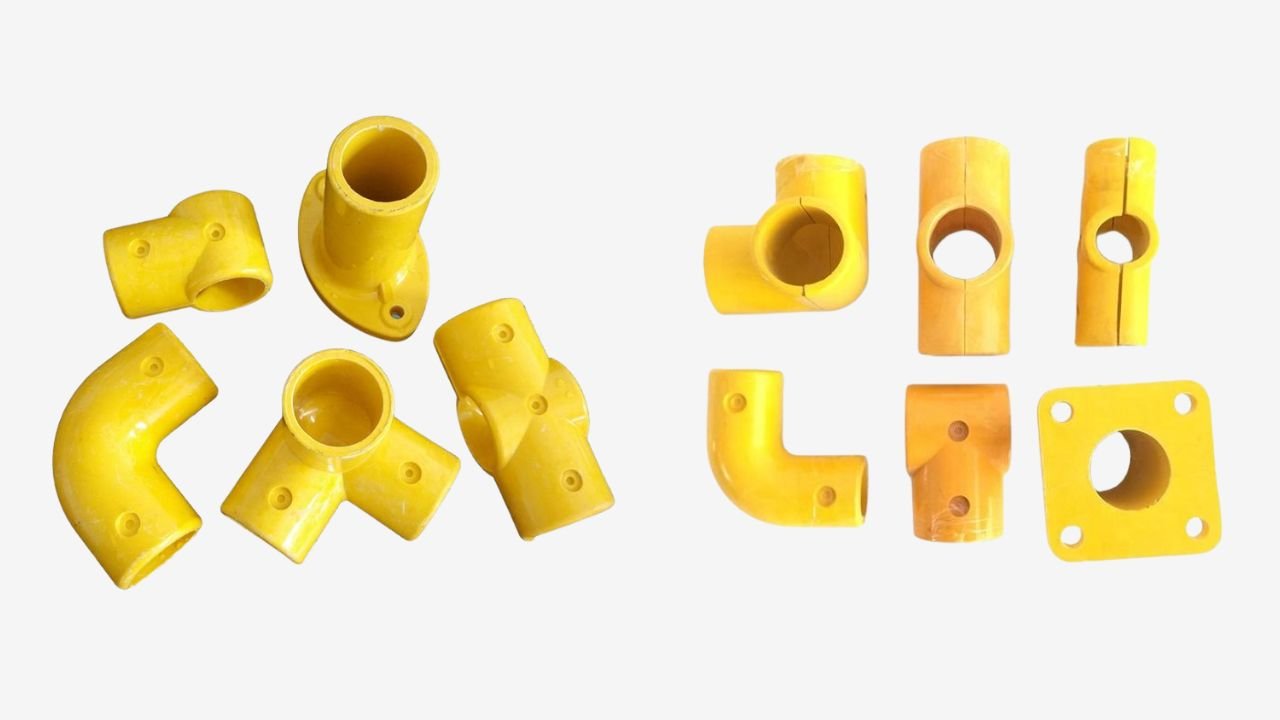
FRP pipe fittings have strong pressure resistance, corrosion resistance and long service life. It can withstand working pressures ranging from 1.0 MPa to 2.5 MPa, with wall thicknesses ranging from 4 mm to 40 mm, depending on pipe diameter and pressure rating. The fiberglass reinforced resin construction ensures the durability of the fittings under chemical media, high humidity and temperature fluctuations. Properly fitted FRP fittings have a service life of 20-50 years and are often more cost effective than traditional metal or plastic fittings.
Advantages of FRP Pipe Fittings in Desalination Plants and Wastewater Treatment
FRP fittings are widely used with desalination plants and sewage treatment plants. It is corrosion resistant and lightweight. It is able to withstand salt water, acidic and alkaline liquids and other chemicals in the bedrooms. It will not rust like traditional steel or concrete fittings. It is lightweight and easy to install. It reduces the fittings’ requirement for structural support of the pipe and reduces costs. FRP keys require little or no maintenance during their service life, significantly improving the operational efficiency and reliability of the piping system.
Installation and Maintenance Best Practices
During transportation and storage ensure that the FRP fittings are subjected to impact or prolonged exposure to the sun. Fitting connections should strictly follow the manufacturer’s specifications. Ensure its sealing and structural integrity, which is the key to ensure the performance of FRP fittings. Routine maintenance requires attention to support points, interface fastening and the state of the conveying medium. Properly installed and inspected as needed, your FRP critical system will perform reliably for decades under demanding conditions.
Contact us now! Whether you need standard sizes of FRP fittings or make custom sizes. We can meet your project needs for different projects. We can help you improve project efficiency and reduce maintenance costs. Choose us and enjoy high quality, reliable and professional FRP solutions immediately.