
Why Choose Our FRP Stair Treads
- We offer various anti-slip surface treatments. You can step safely even on wet or oily surfaces.
- We use high-performance composite resin materials. They resist acid, alkali, salt spray, and humidity and stay stable even in highly corrosive places.
- Our FRP stair treads do not require any additional anti-corrosion treatment. Their long-term maintenance cost is very low.
- Based on your project needs, we can customize size, thickness, color, anti-slip type, resin material, and load rating.
- We have a complete production line. Even for large-scale orders, we can deliver on time.
Your Reliable FRP Stair Tread Supplier in China
As a professional FRP stair manufacturer, we have rich production experience and a stable supply ability. We have a strict quality assurance system. Also, we can provide related material test reports and compliance certificates.
We support you to customize nearly all the details of FRP stair treads: appearance, craftsmanship, anti-slip ability, and flame retardancy. Tell us the information about your project, and we will give you complete advice.
Types of Our FRP Stair Treads
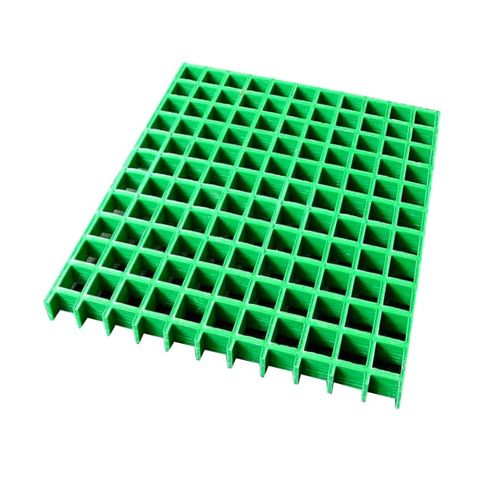
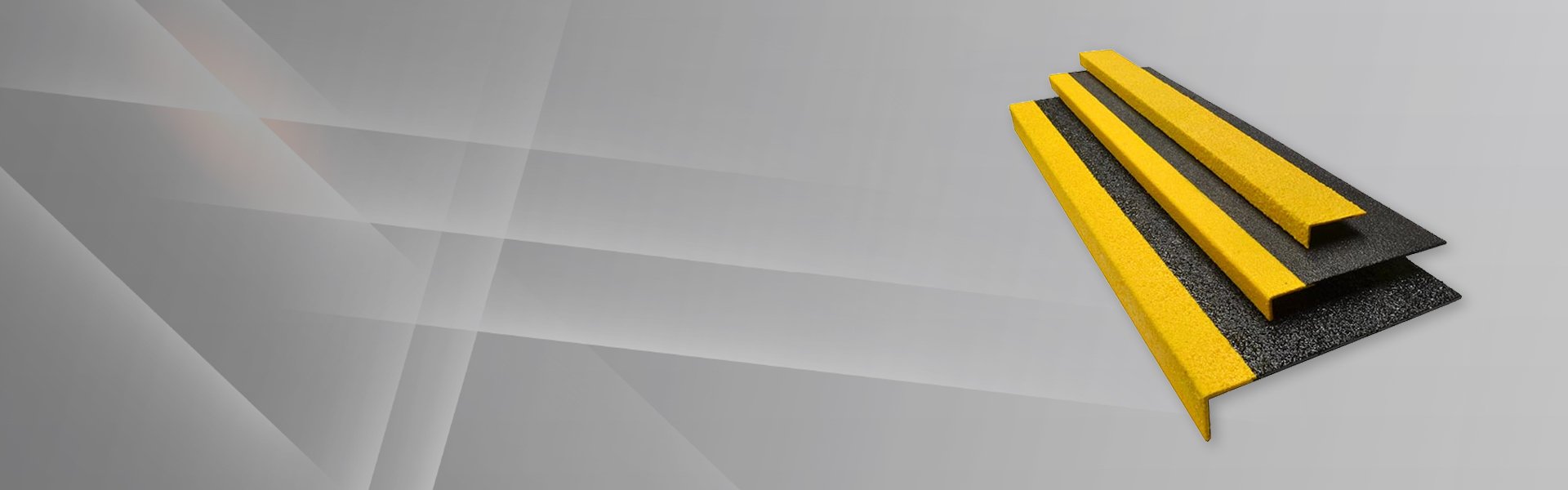
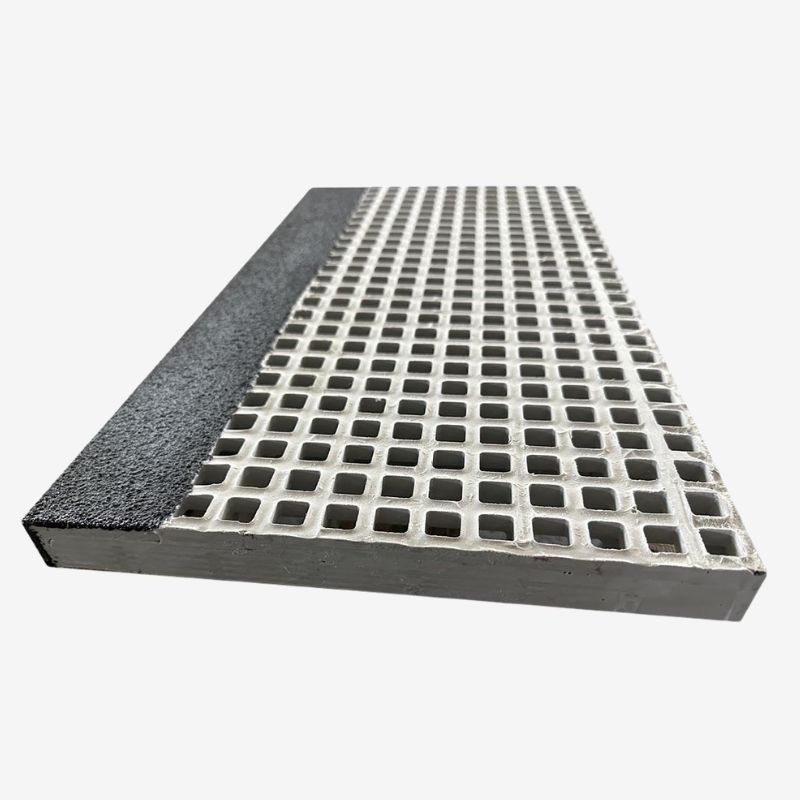
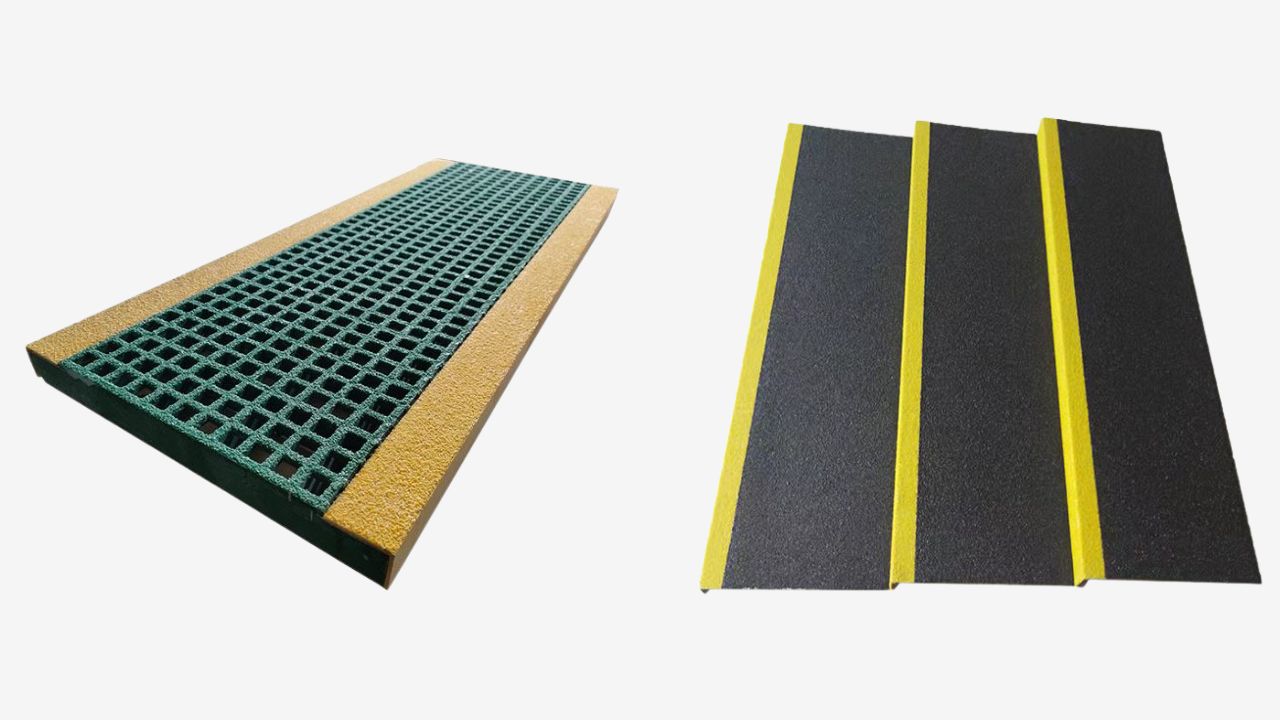
The molded FRP stair treads are formed in one piece through a high-precision mold. Using the molds, they can create textured, non-slip surfaces.
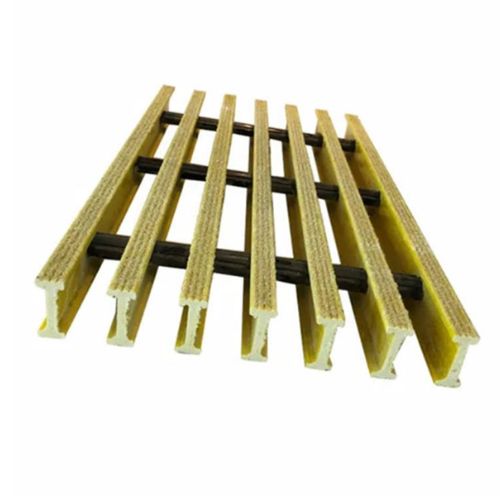
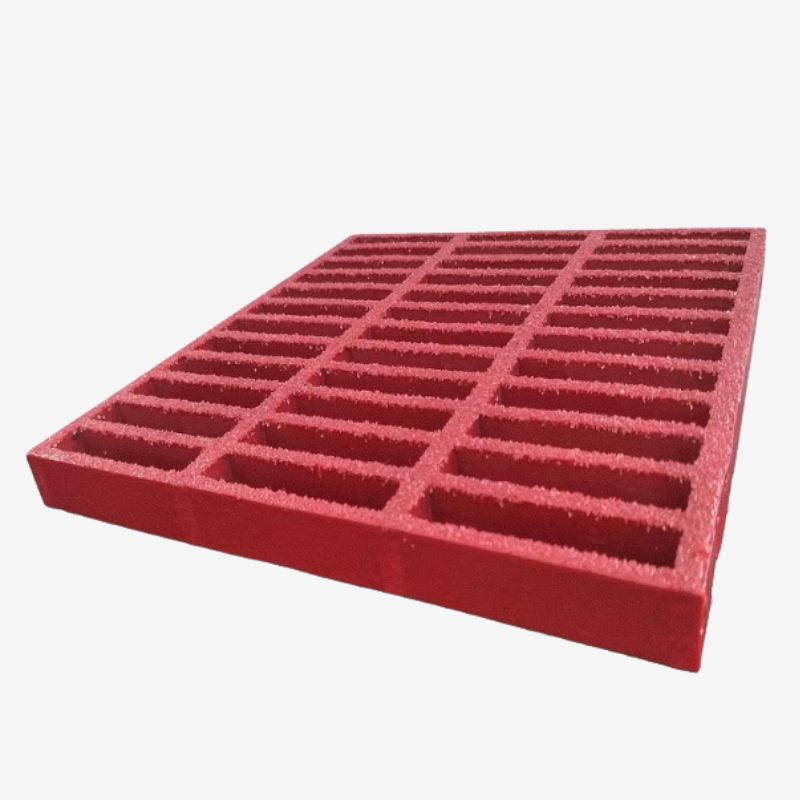
The pultruded FRP steps are produced continuously through the pultrusion process. Their load-bearing capacity is high and uniform.
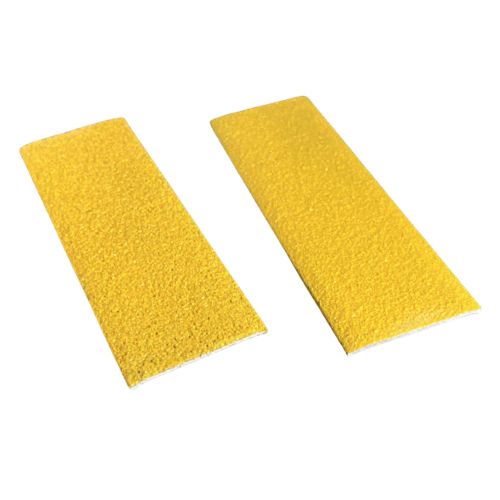
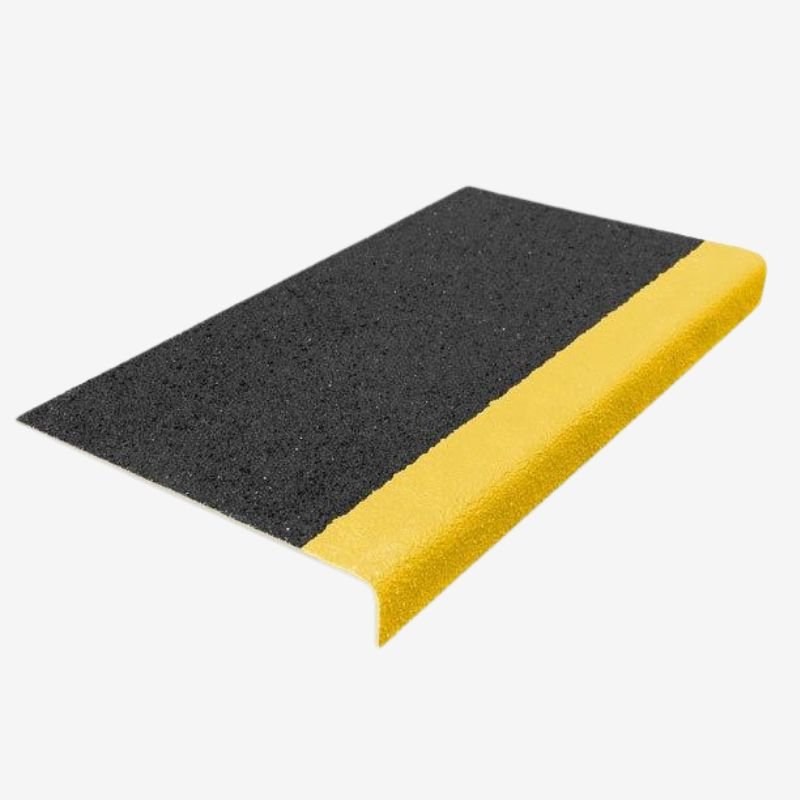
The anti-slip forms that can be chosen include sand surface, molded texture, anti-slip strips, or sprayed anti-slip coating. They can all achieve an extremely anti-slip effect.
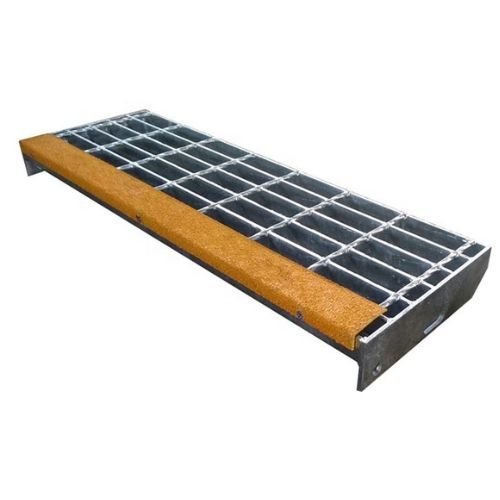
The heavy-duty FRP stair treads are designed for industrial or high-load environments. Their load capacity is very high, and they are suitable for heavy-duty equipment places.
Features of Our FRP Stair Tread

The glass fiber reinforced plastics have outstanding corrosion resistance. They can withstand acids, alkalis, salt fog, and humid environments for a long time.

Our FRP stair treads can keep slip-resistant in wet and oily conditions, and this will greatly reduce the risk of falls and accidents.

The FRP step is made of glass fiber-reinforced composite material. It is not only lightweight but also has a very high load-bearing capacity.

The FRP stair treads will not rust and do not require regular rust prevention treatment.

You can customize nearly all the parameters of the FRP stair treads: size, appearance, material, and surface texture.

Our FRP steps can be made to meet international standards such as ASTM, ISO, and EN. They can also meet other special requirements for fire resistance.
Operates Normally Under Extreme Environments
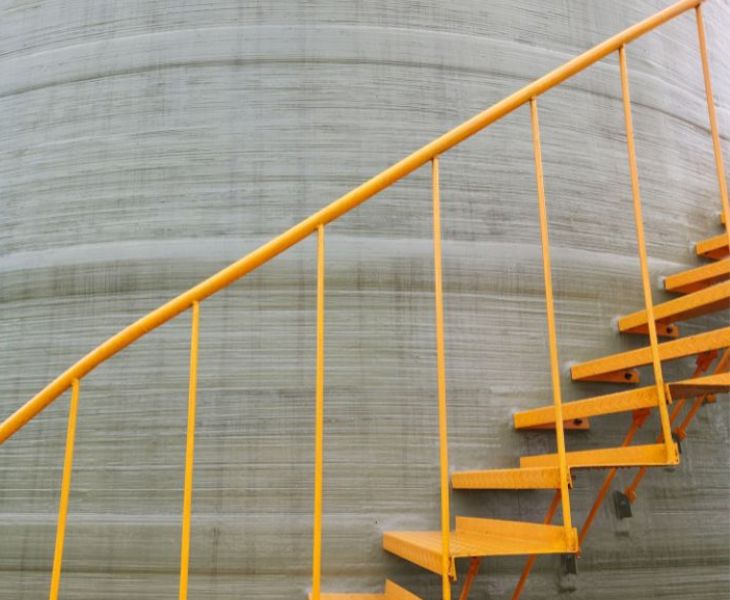
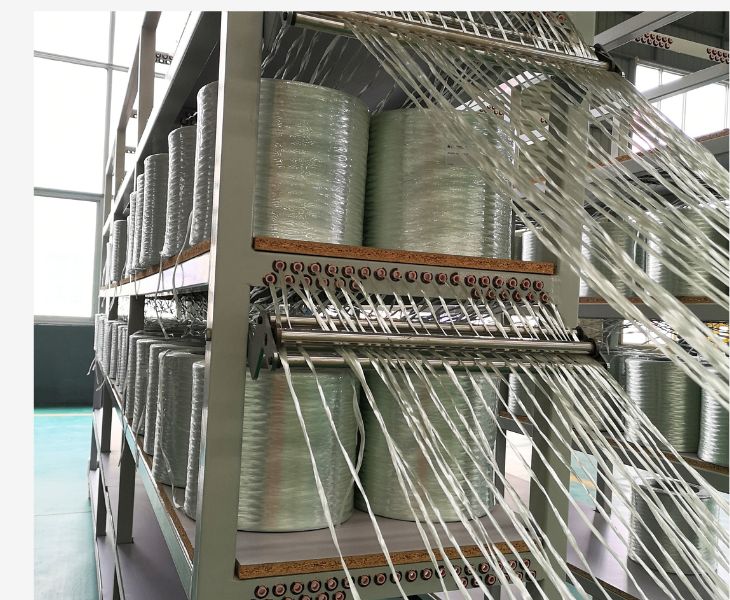
Our FRP stair treads are made of high-strength glass fiber composite material and corrosion-resistant resin. Due to these materials, their properties will hardly be affected.
Even in some extreme conditions, like high-humidity environments, acidic or alkaline corrosive environments, and extreme temperature environments, they will still keep stable performance.
High Degree of Customizability
We are familiar with the needs of FRP stair treads when they are used in various projects. For the appearance, we can design the width, length, thickness, and color of the FRP stair treads to meet the needs of your project. For the functions, we can use different processes and materials to achieve different slip resistance levels and meet different fire resistance standards, and other requirements.
Strict Quality Control
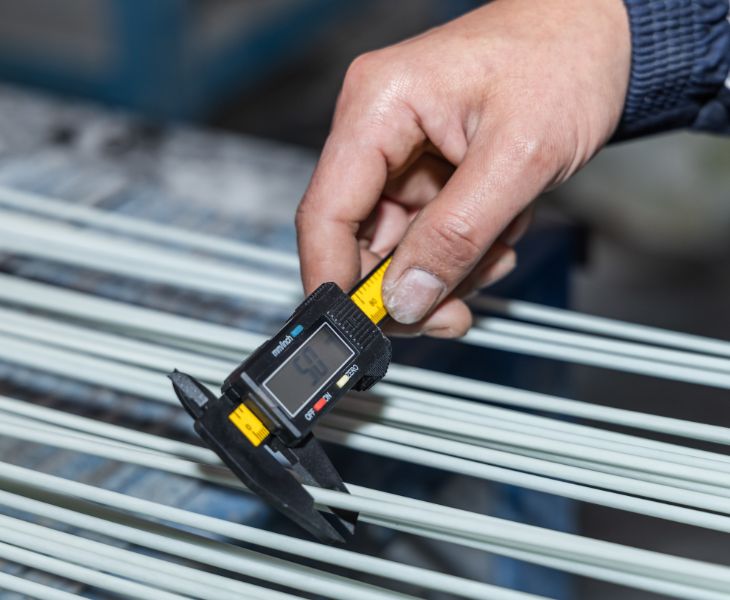
As a responsible manufacturer, we strictly carry out the quality control measures, like raw material checks, production process monitoring, and final product testing. Before each batch of FRP stair tread leaves the factory, we will conduct strict tests. We will start packaging and shipping only after we confirm that they have stable performance and meet the appearance requirements.
Applications of FRP Stair Treads

Chemical plants usually have corrosive chemical liquids, such as sulfuric acid and hydrochloric acid. If you use traditional steel step plates, they are likely to get corroded. FRP stair treads use naturally corrosion-resistant fiber-reinforced plastic. Even if they come into long time contact with chemical liquids, they will not react with them.

Oil and gas platforms are usually near the ocean. The seawater contains salt and is corrosive. More than this, the platform often has seawater, so the stair treads need high anti-slip performance. The FRP stair treads have all these features and also have a strong load-bearing capacity. They are the ideal choice for these workplaces.

Power facilities, like power plants and substations, may be exposed to high-voltage electrical environments. When you work in these areas, there is a risk of electric shock. The FRP stair treads are made of non-conductive materials. They have excellent insulation properties. In these working scenarios, the FRP stair treads perform very well.

Food processing plants often need the facilities in the factory be slip-resistant and easy to clean. A cleanable and mold-resistant stair tread will be a suitable choice. The surface of the FRP stair tread is always smooth and does not easily absorb stains. More than this, it can resist corrosion from acidic and alkaline cleaning solutions, disinfectants, etc.
The FRP stair treads have a very high load-bearing capacity. In most industrial and commercial settings, the FRP stair treads can meet the needs of daily use. The maximum load-bearing capacity depends on the thickness, width of the steps, and the materials.
For the standards, we can also design and produce based on the international industrial standards, such as ASTM, ISO, and EN standards.
Yes, the FRP stair treads still perform exceptionally well in chemical plants and marine environments. FRP stair treads are made of materials that resist corrosion and chemicals. They are capable of withstanding the erosion of most acids, alkalis, and salt water. Even when exposed to these environments for a long time, the properties of FRP Stair Tread will not change.
When FRP stair treads are made of flame-retardant resin, or when a flame-retardant coating is added to their surface, the flame-retardant function can be achieved. Our FRP stair treads pass the flame-retardant test of ASTM. The flame spread index can reach 5 to 15. Also, the smoke rating of our FRP stair treads can reach below 5.
There are two common installation ways for FRP stair treads: bolt fixation and adhesive fixation. Both of the two methods are simple and convenient. In addition, the FRP stair treads are much lighter than the steel ones, and they are very convenient for transportation and handling. When you need to replace them, just remove the fixing bolts or adhesive fasteners.
The purchase cost of FRP stair treads is usually higher than that of carbon steel ones. However, the steel treads need to be regularly coated with anti-rust paint and polished. Their components also need to be replaced constantly. In the long term, the FRP dtair treads have a lower maintenance frequency, a longer lifespan, and a lower overall cost compared to the steel ones.
What are FRP Stair Treads?
FRP stair treads are industrial staircase steps that are made by mixing glass fibers with different types of resins. It has two production processes: molding and pultrusion. No matter how it is made, the FRP stair treads all have the characteristics of corrosion resistance, high load-bearing capacity and excellent slip resistance.
In most cases, the FRP stair treads perform better than the traditional steel ones. They can be used in nearly all industrial scenarios, like offshore platforms, power plants, and food processing plants.
How is an FRP Stair Tread Manufactured?
The production of FRP stair treads includes several stages: raw material preparation, mixing, molding and pressing, curing and demolding, and grinding and finishing.
Material Preparation
The expected performance of the FRP stair treads determines what type of raw materials should be used. For example, strong corrosive environments need the vinyl ester resin. Besides the glass fiber and resin, accelerators, curing agents, and flame retardants are also necessary.
Mixing, Molding, and Pressing
After weighing the materials in the right proportions, they need to be mixed together. Then we will mix them and add the curing agent. At the same time, the mold needs to be cleaned, preheated, and filled with the well-mixed liquid.
Then, in order to remove the excess air and make the resin fully penetrate the fibers, we will apply pressure using a hydraulic press.
Curing and Demolding
The curing needs to be done at a controlled temperature, and it is usually above 60°C. After the mixture has been fully cured and cooled, the demolding process will begin. Due to the possibility of cracking and burrs during the demolding process, it is necessary to complete this process carefully.
Grinding and Finishing
After demolding, there may be extra resin and burrs at the edges of the stair tread. To give the stair tread a smooth, finished surface, we should grind it to remove these imperfections. This measure can also effectively prevent harm to the staff during future use.
Why do You Need FRP Stair Treads?
Generally, the traditional stair treads are made of steel. There is no doubt that steel is not anti-slip, and may rust in a humid environment. To prevent this, they need to be coated regularly for anti-corrosion and slip resistance. This way has limited slip resistance performance and higher maintenance costs.
In comparison, the FRP stair treads will not rust or corrode, and they are more slip-resistant. Moreover, the FRP stair treads have a longer lifespan, and they require less frequent maintenance. After installation, you don’t need to constantly add the coatings.
All in all, FRP stair treads are more durable, lighter, and last longer than steel treads. In most industrial scenarios, the FRP stair tread is the better choice.
Considerations When Choosing FRP Stair Treads
Load Capacity
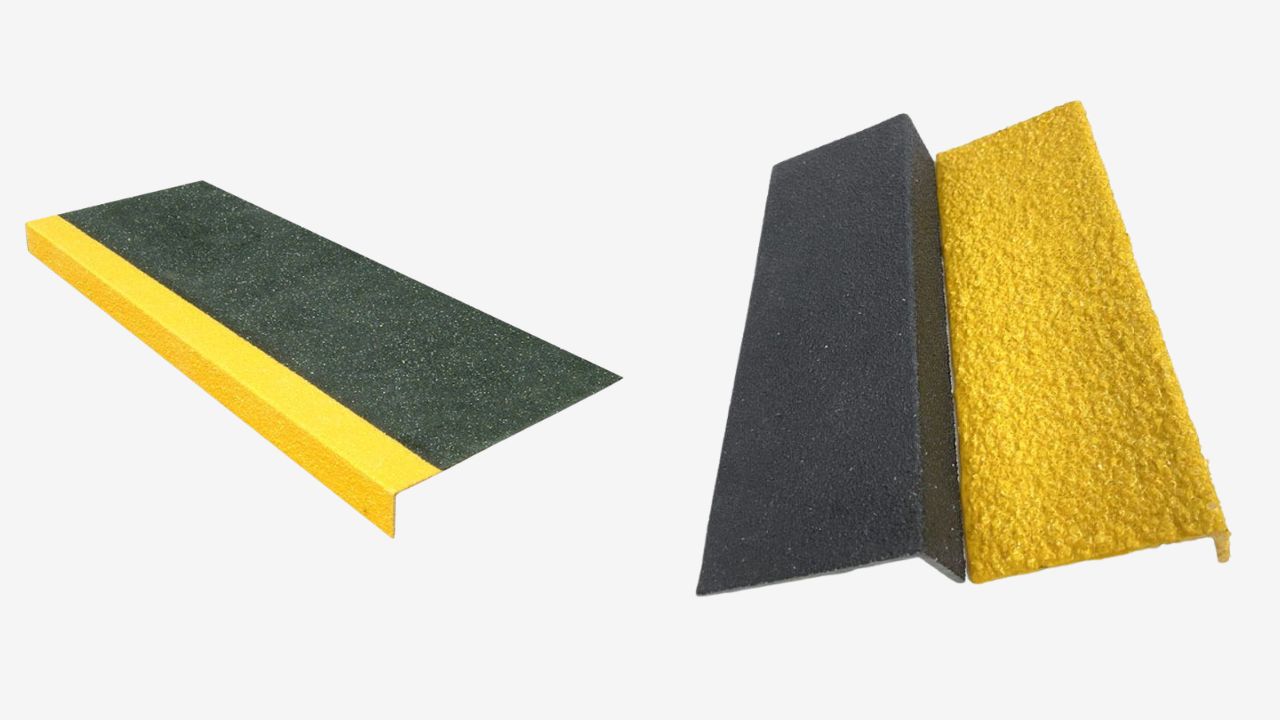
You need to customize different carrying capacities based on different requirements. When you are customising FRP stair tread for storage facilities or heavy machinery environments, it is advisable for you to choose a thicker and stronger material for the steps.
Environment Conditions
When you need to customize an FRP stair tread for a special environment, you should take the environmental factors into consideration. Different resin materials have different properties: Vinyl ester resin is appropriate for highly corrosive environments; flame-retardant resin is appropriate for high-temperature flammable environments. The properties of FRP stair treads need to match the environment.
Anti-Slip Requirement
Those environments with high humidity or that may generate oil stains need more effective anti-slip treatment. When customizing, you need to tell the manufacturer about the working environment of the FRP stair tread, and then choose the anti-slip texture you need.
Size and Appearance
When customizing FRP stair treads, the matching of sizes is very important. You need to accurately measure the width of the stairs or the platform. For appearance, choosing the right color is also important. The right color makes your stair tread look better, and can convey specific messages.