
Why Choose Our Pultruded FRP Grating
Pultruded FRP Grating Manufacturer for Heavy Load and Corrosive Environment
- Over 10 years of industrial experience and overseas export trade experience;
- Long-term cooperation with more than a dozen scientific research units to improve production technology;
- Factory direct supply ensures stable and reliable project delivery;
- Strict quality control during the entire manufacturing process;
- Support customization service on resin types, bearing bar profiles, sizes, etc.
Your Reliable Pultruded FRP Grating Supplier in China
Choosing proper pultruded FRP grating is directly connected to the project stability and reliability. Our product offers high rigidity and excellent corrosion resistance to meet different application requirements. Whether you need heavy walkways or long span platforms, we provide you with full technical guidance. If you have more questions about the pultruded FRP grating, please feel free to contact us for professional solutions.
Product by Bearing Bar Profile
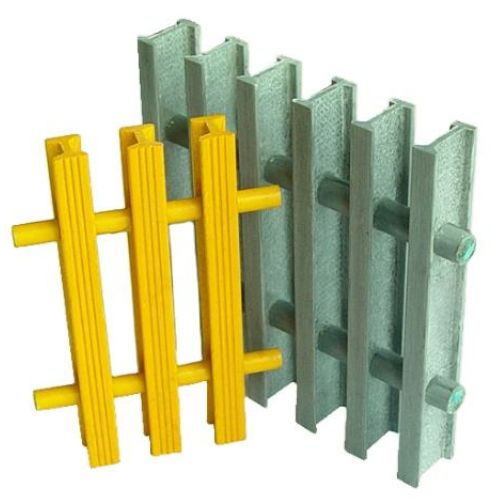
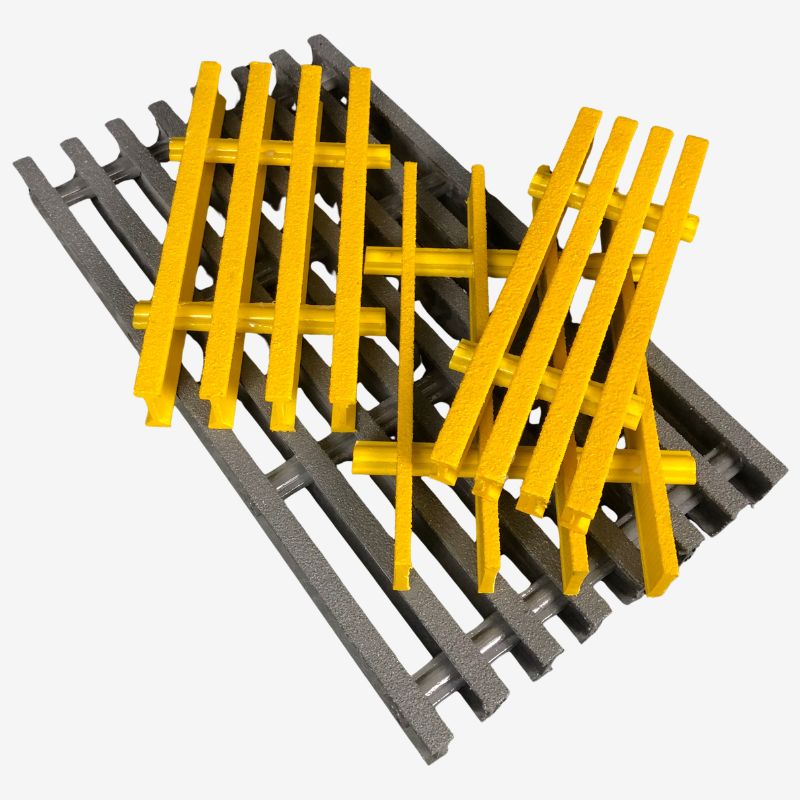
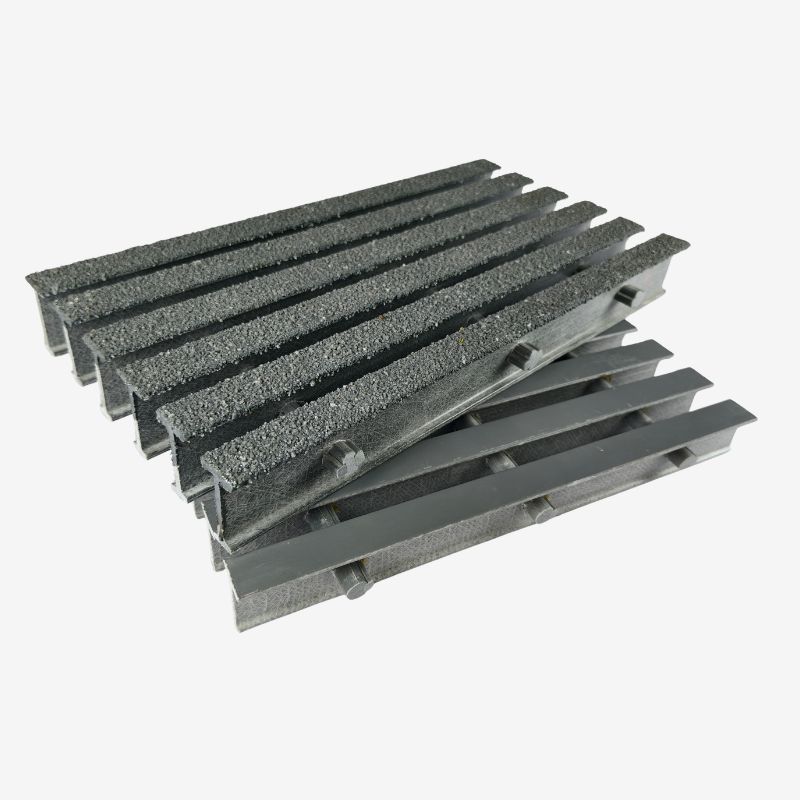
The I-bar pultruded FRP grating offers high versatility, which is widely used in industrial walkways, platforms, and other similar applications. It features high load-bearing capacity and high rigidity, making it more suitable for medium to long spans.
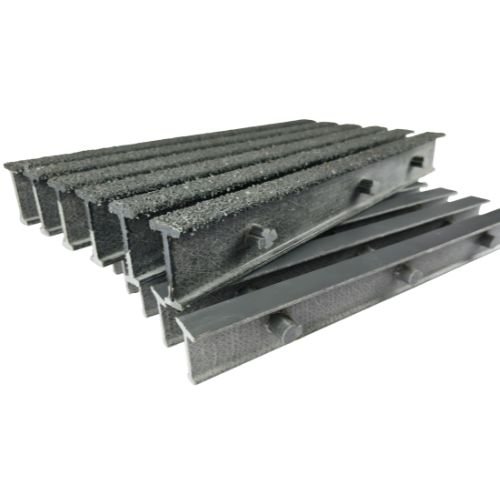
By using T-profile bearing bars, the T-bar pultruded FRP grating offers optimized surface support for lighter loads. It is typically used for specific applications to meet heavy-load or structural requirements, achieving better surface contact.
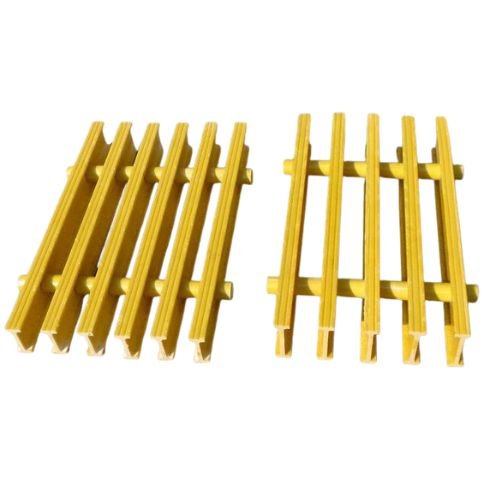
For long span applications, the rectangular bar pultruded FRP grating offers extremely high rigidity to prevent deflection and extend the service life. It uses solid rectangular pultruded profiles, suitable for withstanding long span or heavy equipment loads.
Features of Pultruded FRP Grating

Pultruded and aligned fiberglass ensures high load capacity in the span direction.

High-rigidity profiles reduce deflection and maintain stable performance during long term use.

Provide different resin types including polyester, vinylester, and more for various demands.

Excellent corrosion resistance to enhance reliability, suitable for chemical and industrial uses.
High Structural Load Performance for Long Span Applications
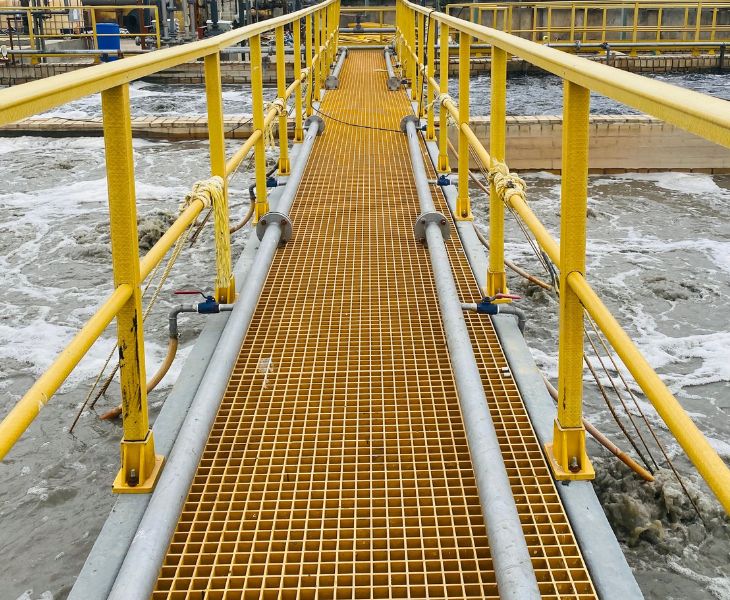
Our pultruded FRP grating features high fiberglass content within 60%- 70% or higher to enhance its rigidity and strength, thereby improving its load capacity. This type of grating also offers low deflection for maintaining stable operation during a long term use. It is especially suitable to withstand heavy loads and long span, while ensuring a long service life and stable performance.
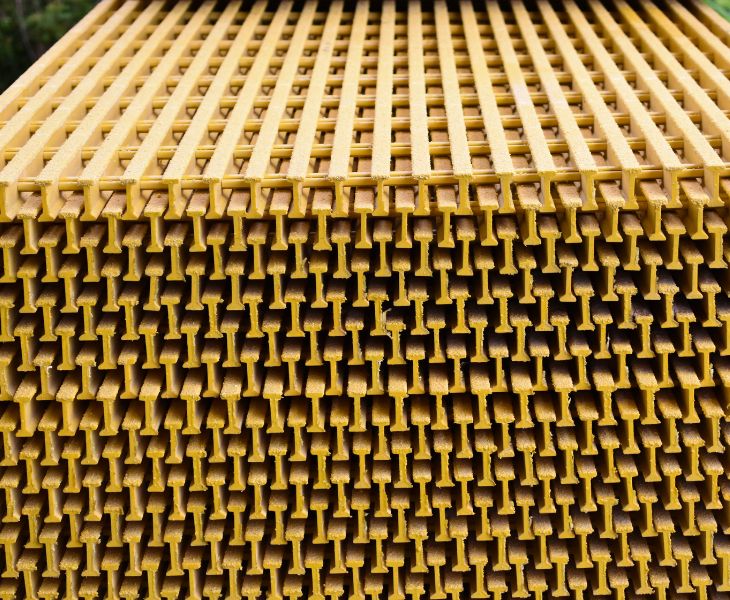
Support Personalization on Resin Types and Profiles
Based on different applications and demands, we support personalization service for you to make the most suitable decision. By analyzing actual project environments, you can choose different resin types to ensure stable chemical performance of the pultruded FRP grating. We also provide suggestions for choosing different bearing bars based on your project load and span.
Applications of Pultruded FRP Grating
Compared to traditional steel grating, the pultruded FRP grating is more suitable for projects with heavy load and complex environments. It is useful to ensure high structural stability and long-term reliability in the industrial project. The following are common applications of the pultruded FRP grating:

The oil or gas industry typically uses large and heavy equipment with high load. While the pultruded FRP grating offers structural advantages to withstand high load, meeting the safety demand on platform walkways and equipment maintenance areas. In addition, it features good corrosion resistance for ensuring working stability of long term use, while also reducing the maintenance rate.

Compared to a molded FRP grating, the pultruded FRP grating features higher longitudinal load-bearing capacity. This makes it more suitable for long-span walkways in the chemical industry, such as operating platforms, walkways, and chemical storage areas. In addition, this type of grating also offers high corrosion resistance on chemical materials such as acids, alkalis, and solvents.

The pultruded FRP grating is also widely used in the power station and energy industry due to its good load capacity. It offers stable mechanical properties to withstand heavy equipment, devices, and platform structural loads. In addition, the pultruded FRP grating is also lighter than a traditional steel grating, which can reduce its own load and enhance operation stability.

The offshore industry needs to operate in the environment with high salt spray and high humidity, which are easy to damage equipment. While the pultruded FRP grating offers excellent corrosion resistance to ensure stable operation even in this type of harsh environment. It is useful to reduce your maintenance cost and maintain reliable performance for prolonged offshore operation.
The pultruded FRP grating is typically not conductive. If you want to use it for applications with anti-static demands, you should choose the conductive type to prevent the explosion risk. In addition, through adding conductive materials in the resin system, you can also enhance the surface resistance of this pultruded FRP grating , thereby achieving good capacity to conduct away static electricity.
The pultruded FRP grating is pultruded from continuous longitudinal fibers, offering high longitudinal strength. It is suitable for most platforms, walkways, and long span applications, ensuring stable load-bearing capacity. While the molded FRP grating is cross-woven and molded in certain molds. This type of grating features excellent bidirectional strength and anti-slip performance, especially suitable for harsh corrosive environments. You can choose the most suitable one based on actual project requirements.
For preventing aging issues, the additional anti-ultraviolet felts are useful to resist harmful effects from UV. You can also demand the manufacturer add an ultraviolet absorber and anti-aging agent in the resin system of the pultruded FRP grating. This is helpful to slow down its aging process and maintain stable performance. If your project involves extreme environments, you can choose the grating with UV inhibiting layers or coatings to maintain stable performance.
When choosing FRP grating for your project, you should consider the span and load to determine proper specifications. Based on the required span and load-bearing capacity, you can choose different thickness and sizes to meet actual requirements. In general, 50x50mm grids of the pultruded FRP grating are the most versatile that can meet most application requirements. While some special projects may require different specifications to follow the existing layout design. It is better to provide the manufacturer with detailed drawing for professional selection support.
What is Pultruded FRP Grating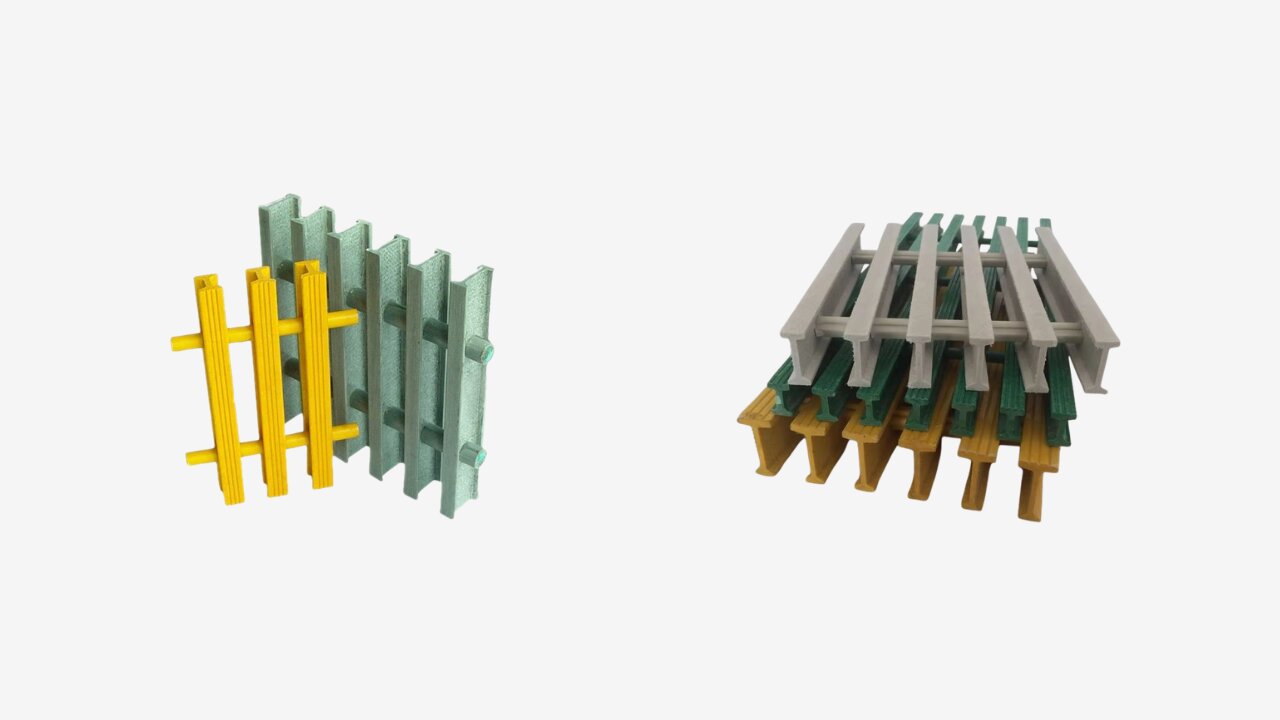
The pultruded FRP grating is a type of industrial grating that is manufactured by the pultrusion process, which contains a high fiberglass content within 60%- 70%. Unlike traditional steel grating or molded FRP grating, this type of grating uses pultruded profiles with longitudinally arranged glass fibers. This significantly enhances its strength, making the grating suitable for applications with harsh working environments. The pultruded FRP grating typically consists of the following three parts:
- Reinforcement Materials: The reinforcement material of a pultruded FRP grating is directly connected to its crucial mechanical properties. The grating typically uses continuous glass fibers with high strength such as E-glass, to enhance the load capacity.
- Resin System: Common resins used for the pultruded FRP grating include polyester, vinyl ester, and phenolic. For common applications, the polyester is a cost-effective choice. While the vinyl ester is more suitable for chemical and industrial environments due to its excellent corrosion resistance performance. If your project involves fireproof demands, the phenolic offers high fire resistance.
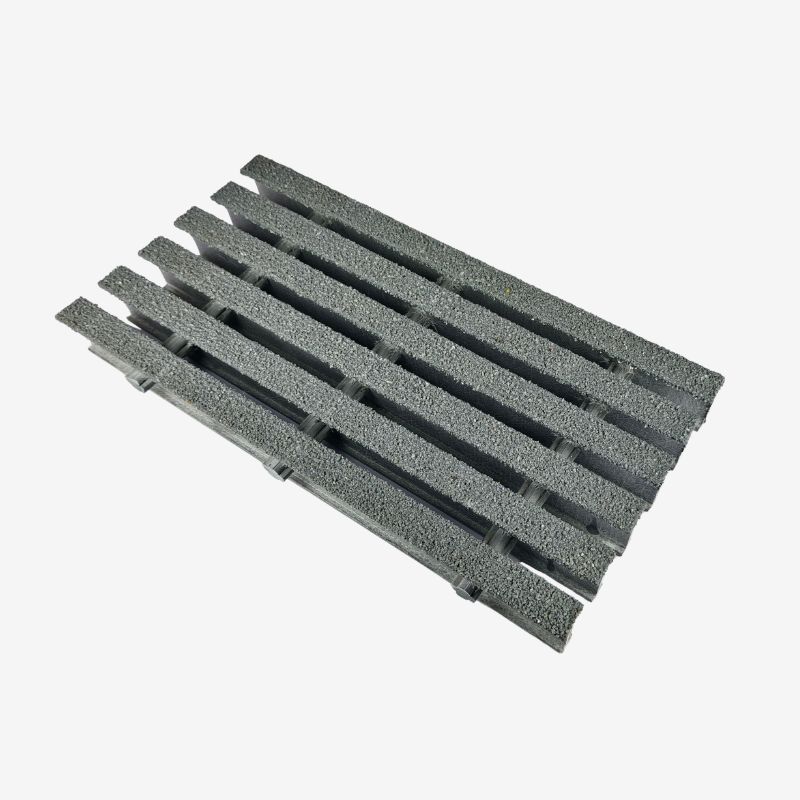
- Surface Layer: For industrial walkways, this grating supports anti-slip treatment on the surface to enhance safety and service life. Quartz grit is one of the most commonly used materials for improving slip resistance.
Manufacturing Process of Pultruded FRP Grating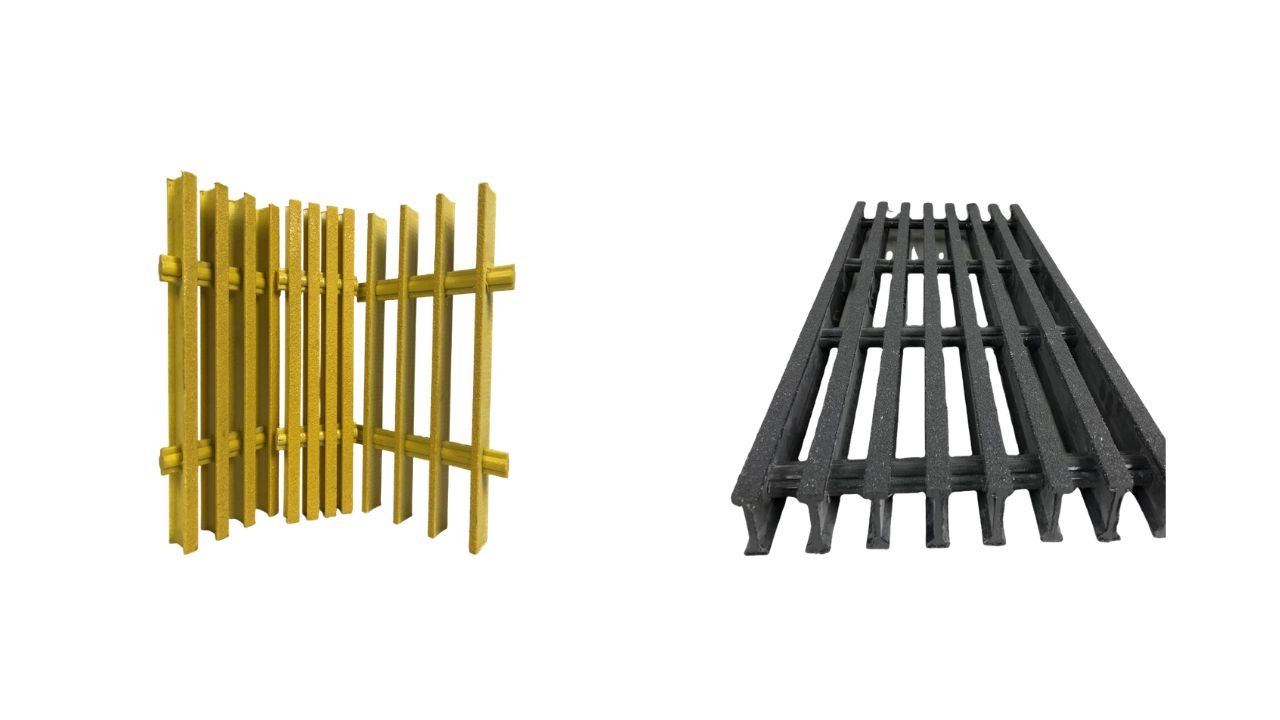
The pultruded FRP grating is produced by the continuous pultrusion process. Learning the manufacturing process of this grating is helpful for you to determine if the product is suitable for your project. The following are core processes:
Step 1: Reinforcement Preparation
Based on the predesigned ratio, continuous fiberglass rovings are conveyed from the creel into a pre-forming guide. This process is important to shape the fiberglass into your required forms such as T-bars or I-bars, and is directly connected to the load-bearing direction of this grating. Some products also use fiberglass mats to achieve multi-directional strength.
Step 2: Resin Impregnation
Put the reinforcement material into a resin bath, making it fully impregnated with a prepared resin system. This resin system typically includes resins, curing agents, accelerators, and pigments. These additives determine the entire performance of finished pultruded FRP gratings.
Step 3: Pre-Forming
After the impregnation process, the fiberglass enters a pre-forming equipment to preliminarily achieve the target cross-sectional shape. The excess resin can be extruded to ensure a stable ratio between fiberglass and resin. This is helpful to enhance the interior structure’s uniformity of finished products.
Step 4: Heated Die Curing and Cutting
The fiberglass then enters in a heated steel die for curing and shaping with a constant temperature. When the resin curing is completed, the profile is finally formed into a fixed cross-section. Then profiles are pultruded and cutted based on set length, you can also use an automatic equipment to enhance the efficiency.
Step 5: Grating Assembly
According to the actual requirements, the pultruded profile is arranged at the designed spacing. While the lateral support strips are connected by methods of structural adhesives or mechanically, forming a complete pultruded FRP grating panel. This process is important to ensure reliable rigidity and load-bearing capacity of the grating.