

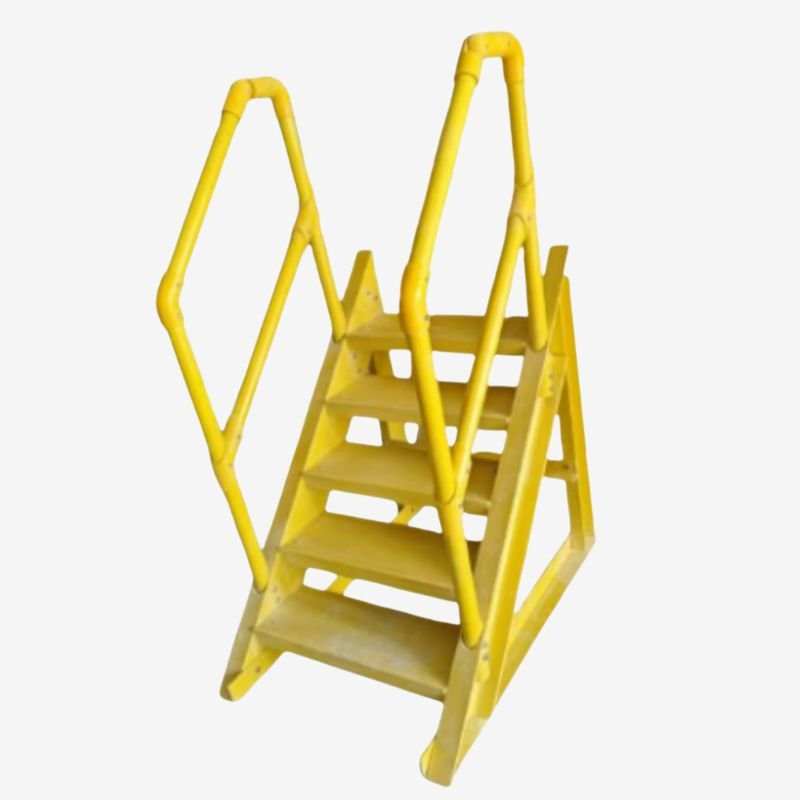
Why Choose Our FRP Stair
FRP Stair Manufacturer
- Mature industrial experience over 10 years and compliance with overseas trade standards;
- Strong technological strength based on cooperation with multiple scientific research units;
- A 30,000 square meters of factory achieves mass production and maintains stable delivery;
- Raw material inspection and product verification before shipment ensure high stair quality;
- Support custom stairs on width, height, angle, shape, and color based on your drawings.
Your Reliable FRP Stair Supplier in China
For projects that need to operate in corrosive, wet, or oily environments, the FRP stair offers a durable choice to ensure stable performance even in harsh conditions. It is useful to reduce the risk of repainting, rust repair, and structural replacement, significantly saving your maintenance costs. If you are seeking for a reliable FRP stair solution, please feel free to contact us for professional advice based on your site conditions.
Our Product by Stair Structure
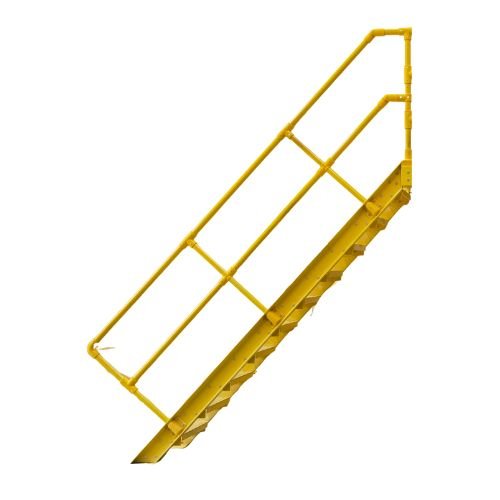
The straight FRP stair is the most common form with simple structure, which consists of a single continuous step without the turning platform. It is easy to install and maintain, which is suitable for applications requiring frequent use.
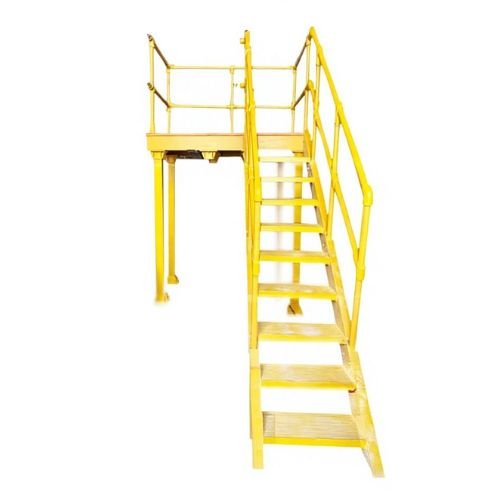
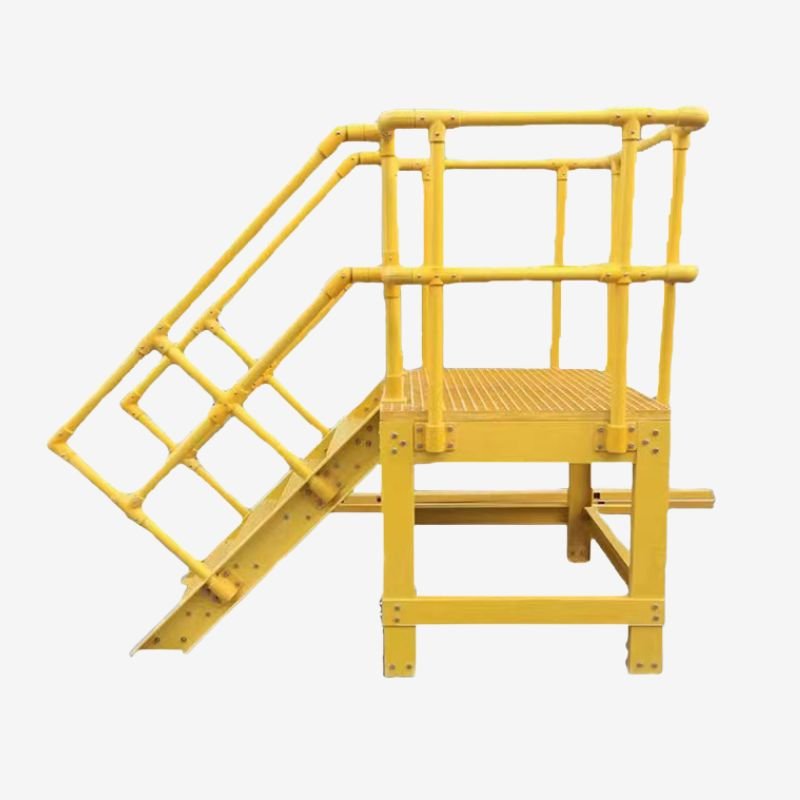
This type of stair typically contains a 90° corner platform, suitable for areas that need to change direction of travel. It can improve the structural safety by reducing the height of a single step, while also saving longitudinal space.
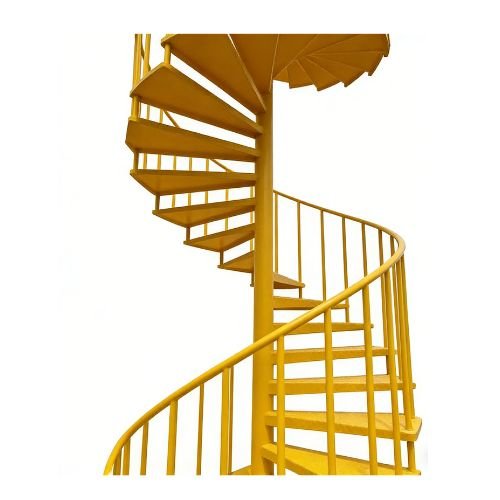
The spiral FRP stair employs a central column to support its structure, with steps arranged in a circular pattern. It is widely used for applications with very limited space to save space, but not suitable for high-frequency personnel.
Features of FRP Stair

FRP materials achieve high corrosion resistance to salt water, chemicals, and harsh weather.

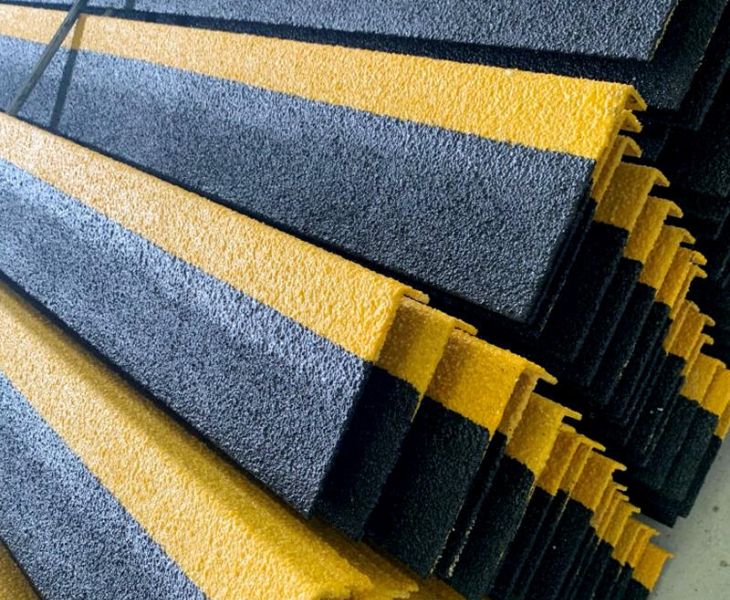
Anti-slip design based on the coarse stair surface to ensure safety in wet or oily conditions.

Feature a significant lower weight than steel, reducing your installation and transport costs.

The FRP is a type of non-conductive material, suitable for projects with electrical equipment.

Offer high durability that does not easily deform, rust, or rot, reducing the maintenance rate.

Widely used for various applications, including industrial factories, docks, generation plants, etc.

Provide flame-retardant resin options to prevent fire risks, meeting demands of fire protection.

Convenient installation based on the modular design to adapt to different on-site conditions.
Durable Anti-Slip FRP Stairs for Corrosive Environments
The FRP stair is specially designed for corrosive environments, ensuring stable performance and operation during a long term use. It can resist corrosion, chemicals, and harsh conditions, which is efficient to prevent rust and quality failures, thereby extending its service life. By equipping with anti-slip grating steps, the safety property of this stair can be also improved, making it suitable for wet and oily applications.
Lightweight Design Decrease the Installation Complexity
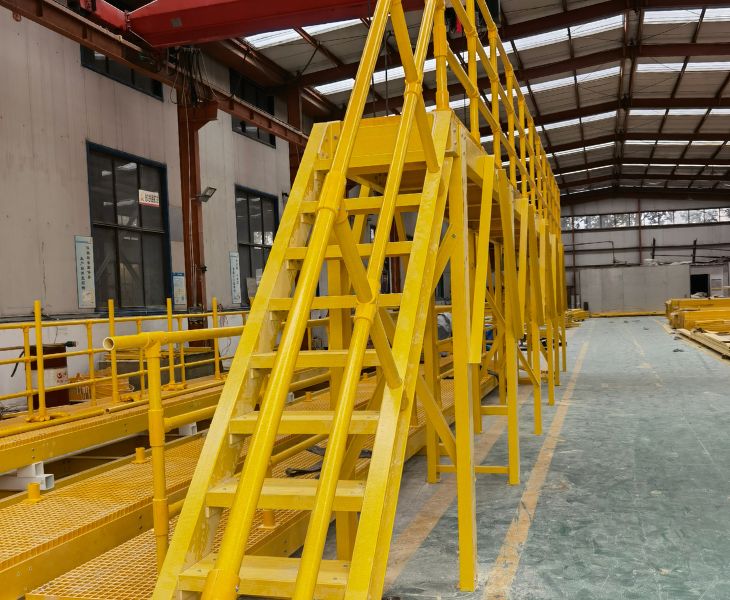
Compared to traditional steel or concrete stairs, the FRP stair offers a light structure that can decrease transport and installation complexity. It just requires a smaller installation crew, which significantly reduces your entire costs. This means the FRP stair project can be completed without extended downtime, saving the production loss. In addition, it is also simple to maintain and ensures stable performance during the whole lifespan.
Flexible FRP Stair Specifications for Your Selection
Our FRP stair supports flexible customization on the span, tread width, and load capacity based on your actual applications and CAD drawings. By adjusting the fiber distribution and resin type, we ensure that the product can meet specific load-bearing standards to maintain stable operation. If required, the FRP stair can be also equipped with additional functional layers such as the UV protection layer, to enhance its entire performance.
Application of FRP Stair
The FRP stair features significant advantages for withstanding complex environments. It maintains stable performance in harsh conditions, which is suitable for industrial and basic facilities. The following are common applications of the FRP stair:

In the industrial application, especially the chemical factory, there are multiple corrosive media that may affect stairs, such as acids, alkalis, solvents and others. Common metal stairs require frequent maintenance even with anticorrosive coatings. While the FRP stair is more suitable for these conditions due to its excellent chemical corrosion resistance. It is widely used for chemical escape stairs, plant platforms, reactor operation areas, and maintenance channels.

Water treatment plants mainly operate in the environment with high humidity and high corrosion, which have high demand on the safety and durability of basic facilities like stairs. The FRP stair can be used as the equipment maintenance stair, perimeter access to aeration basins, and other similar applications. It is not easy to rust or corrosion, offering a relatively long service life, which can reduce your project costs for a long term operation.

Salt spray is one of the most harmful media for metal structure, especially in the marine environment, such as offshore platforms, wharves and coastal plants. The FRP stair is useful to prevent the risk of this type of corrosion. It offers excellent resistance performance to maintain stable operation even in the harsh marine environment. It is typically used in the access of offshore platforms, inspection stairs, and port equipment operation areas.

The FRP stair is also widely used for power plants, including traditional, nuclear, and renewable energy facilities. It features good no conductivity properties, which can meet the insulation demand of power projects, thereby preventing risks of fire or explosion due to short circuit. It is also suitable for various energy applications, such as wind, photovoltaic, and more, not only offering sufficient structural strength, but also ensuring personnel safety.
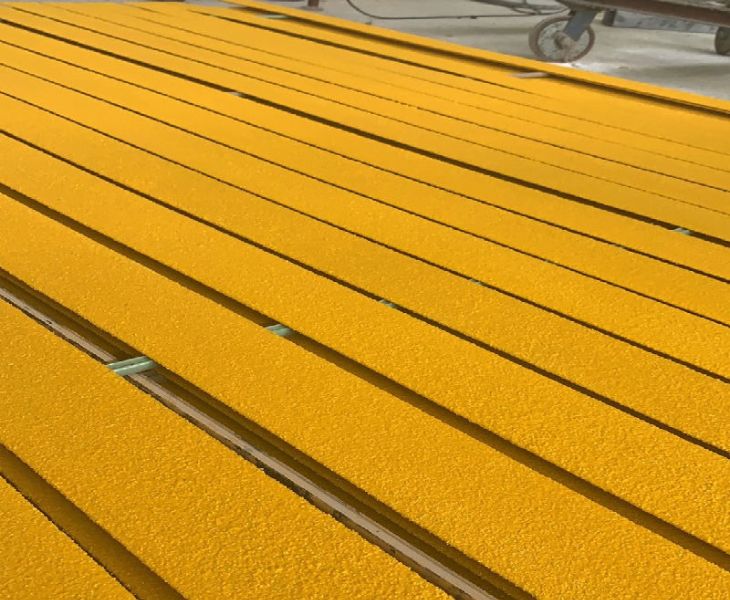
The surface of FRP stairs is typically added with grit or equipped with grooves, which can enhance their coefficient of friction. These textures are bonded to the resin during the manufacturing process, and do not come off as easily as non-slip strips. This makes the FRP stair more suitable for wet and oily environments than common steel stairs, significantly reducing the risk of slips and falls in the workplace.
Our FRP stair provides a fire retardant resin option for you, which is efficient to withstand high temperature environments. The FRP stair with this type of resin offers high fire protection that can reach Class 1 or higher. Although it cannot achieve completely noncombustible effects like steel stairs, it maintains stable support even in the environment with high temperature.
No. The installation process of FRP stairs is similar to assembling furniture without any welding operations, significantly reducing the risk of fire. Through stainless steel fasteners and expansion bolts, you can easily complete the installation process.
Commonly used standard thickness of the industrial FRP stair include 25mm, 30mm, and 38mm. The final selection depends on the support span of the stair and actual expected load demand. In general, the stair with 38mm thickness offers less deflection, which can enhance the stability of stair structure.
What is the FRP Stair
The FRP stair is a type of industrial stair system that is mainly made of fiber reinforced plastic materials. It is widely used in projects with high demands on corrosion resistance, safety, and service life. Unlike traditional metal stairs, this type of stair achieves a balance between structural strength and lightweight. It also maintains high stability even in wet or oily environments to ensure personnel safety.
Core Components of FRP Stair
A complete FRP stair system consists of multiple components to ensure stable structure and safety. Learning its structure is helpful for you to determine proper parameters when selecting the FRP stair. The following are its core components:
Stair Treads
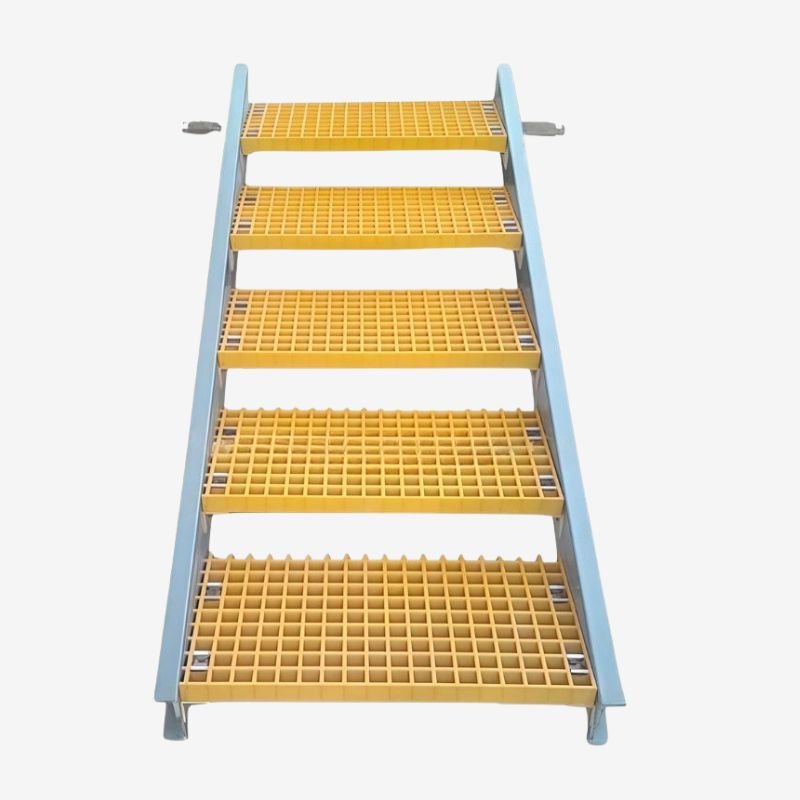
Stair treads are core components to directly withstand the load of people walking, and are also connected to the safety of FRP stairs. The stair tread is typically made of FRP molded grating or one-piece molded step plate. Its strength is enhanced by fiberglass reinforced structure, while also achieving high corrosion resistance performance. If your project involves chemical or sewage environments, the stair treads with anti-slip grit is useful to maintain a high coefficient of friction in wet conditions.
Stringers
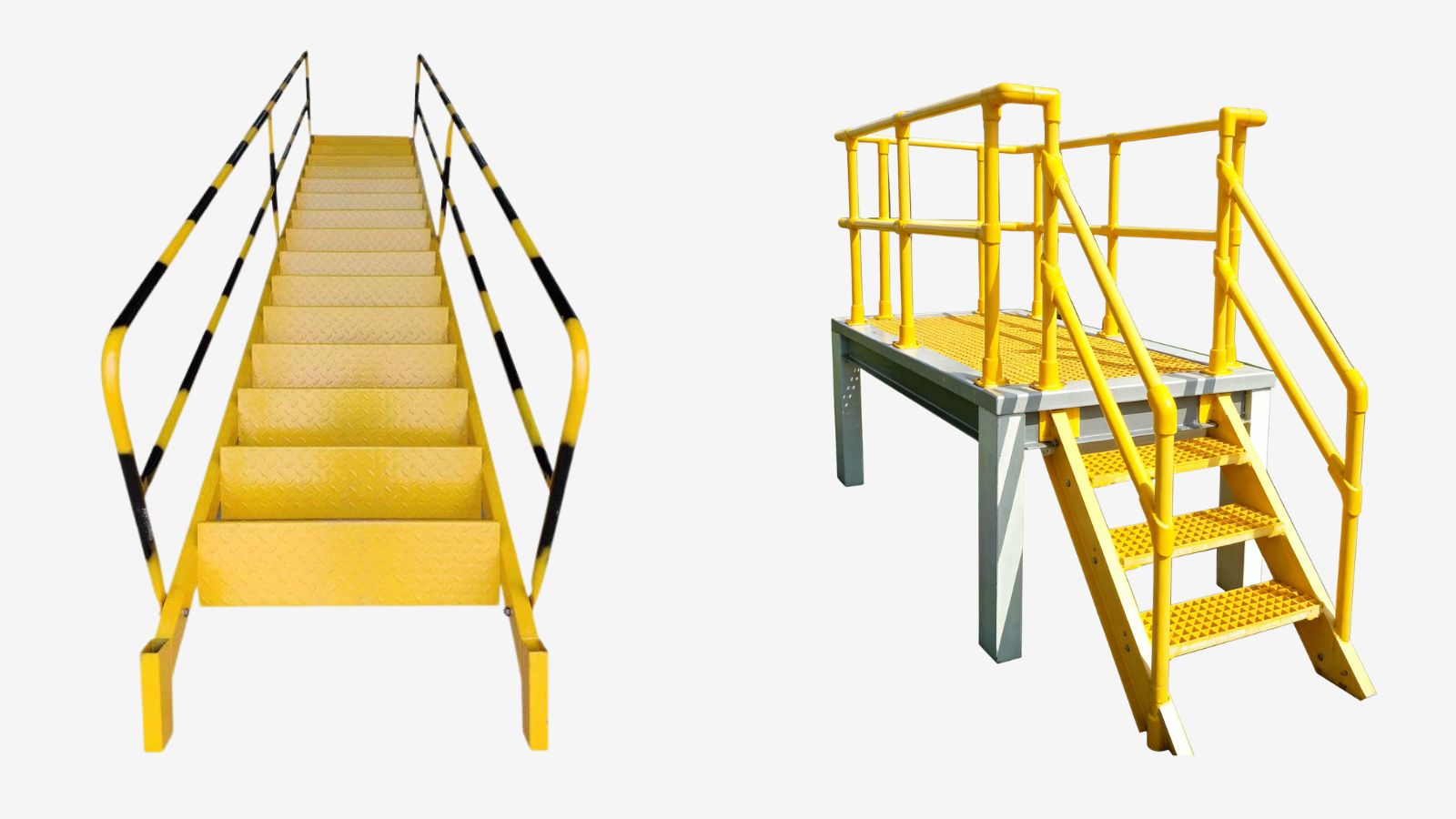
The stringer determines the entire structural stability and load strength of the FRP stair. Common types of stringers used for the FRP stair include I-beam or channel structure, FRP pultruded profile combination, and double/single beam support structure. In addition, the direction of the glass fiber arrangement also affects the entire bearing capacity. For areas with frequent earthquakes, you should also consider the connection design of the stair to enhance its seismic performance.
Handrail System
The handrail system of a FRP stair consists of posts, rails, and available toe plate. It keeps consistent material selection with the main body of the stair, ensuring reliable corrosion resistance properties. This system not only offers safety support, but is also insulated to decrease the risk of electrical conductivity. Based on actual demands, you can customize various colors to achieve safety marking distinction.
Fastening and Joint System
Connections directly affect the service life of the FRP stair, including stainless steel bolts, nuts, washers, and saddles. You can based on actual project requirements to determine the material of connections, ensuring reliable operation during long term use. For large projects, the FRP stair features modular design to improve the installation efficiency and accelerate project progress.
Functional Surface
According to the various requirements of different environments, you can add different functional finishes for the FRP stair to enhance its performance. For example, outdoor projects typically require additional UV protection layers to extend the service life of stairs. You can also choose the FRP stair with a fire-resistant resin system to meet safety demands.