

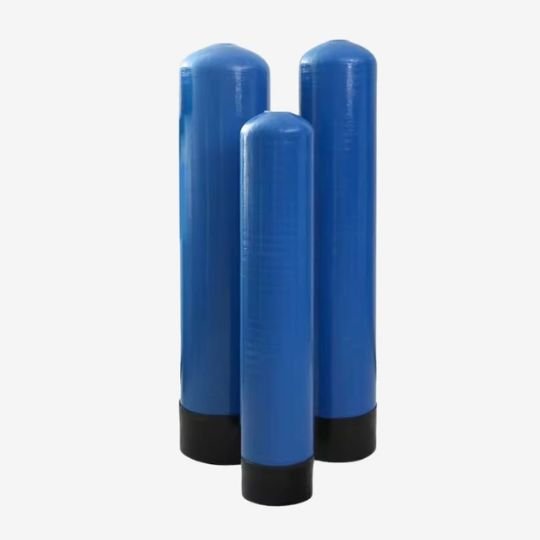
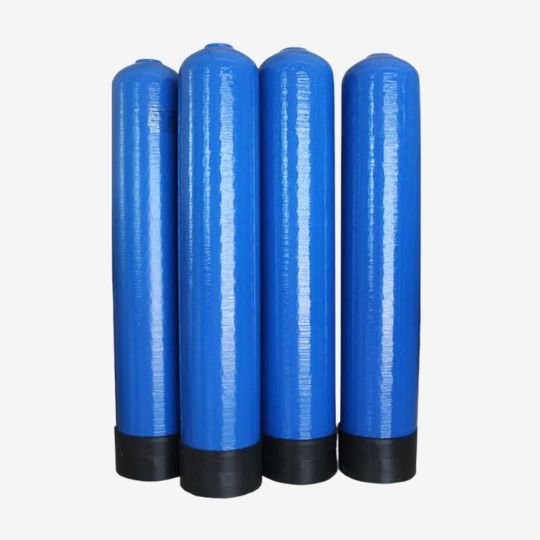
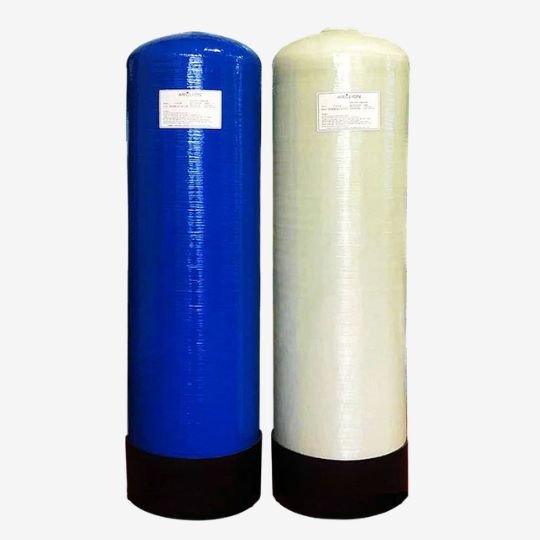
Why Choose Our FRP Pressure Tank?
High-Pressure FRP Pressure Tank Manufacturer
- Optimized fluid design inside the tank for uniform fluid distribution, reduced dead zones and pressure loss, allowing your water treatment or chemical process system to run more efficiently.
- Supports a wide range of interface sizes, openings and installation methods. Flexibly adapts to different piping layouts and site spaces to meet your project needs.
- About 70% lighter than traditional steel tanks, easier installation and transportation, saving your project cost.
- All FRPs are certified by ISO9001, ISO14001, ISO45001, safety is guaranteed.AAA grade enterprise credit rating.
Your Reliable FRP Pressure Tank Supplier in China
As a professional FRP pressure tank manufacturer, we have rich production experience, advanced technology and perfect service system. We provide 7×24 hours technical support and after-sales service. Reliable and efficient FRP pressure tank solutions are available. Contact us for more information.
Our Products
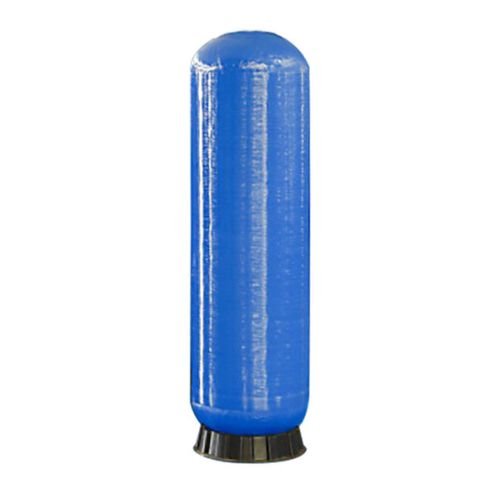
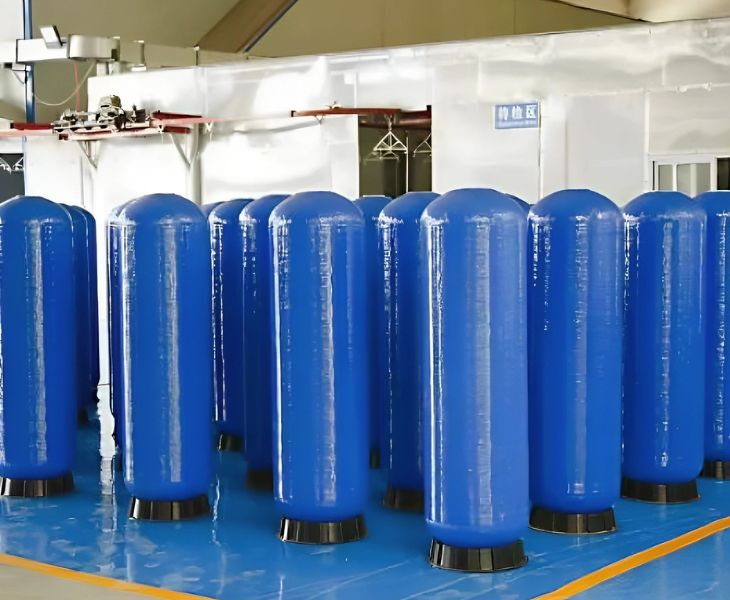
It is easy to operate and maintain, and is widely used for filtration, ion exchange and general liquid storage. It is suitable for low- and medium-pressure systems.
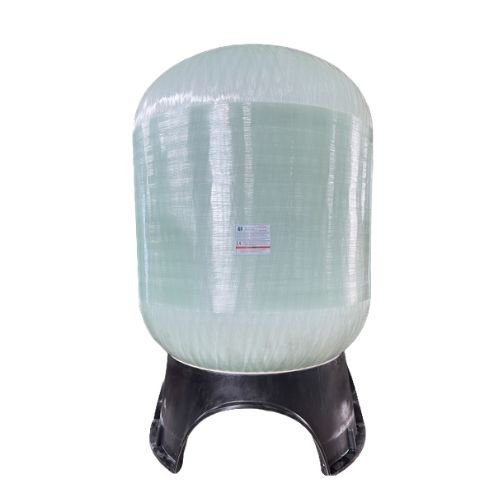
Strong pressure-bearing capacity, to ensure the long-term continuous operation of the project, safe and reliable. Suitable for high-pressure conditions and reverse osmosis systems.
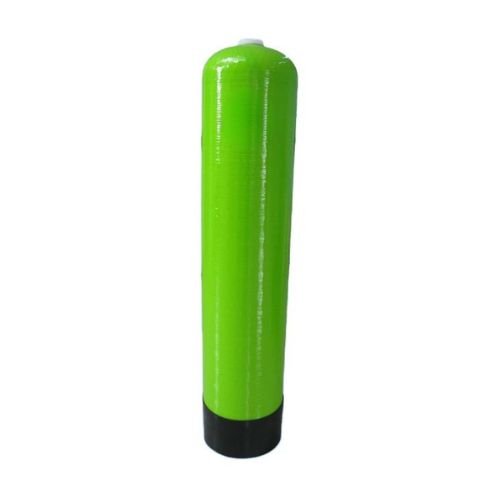
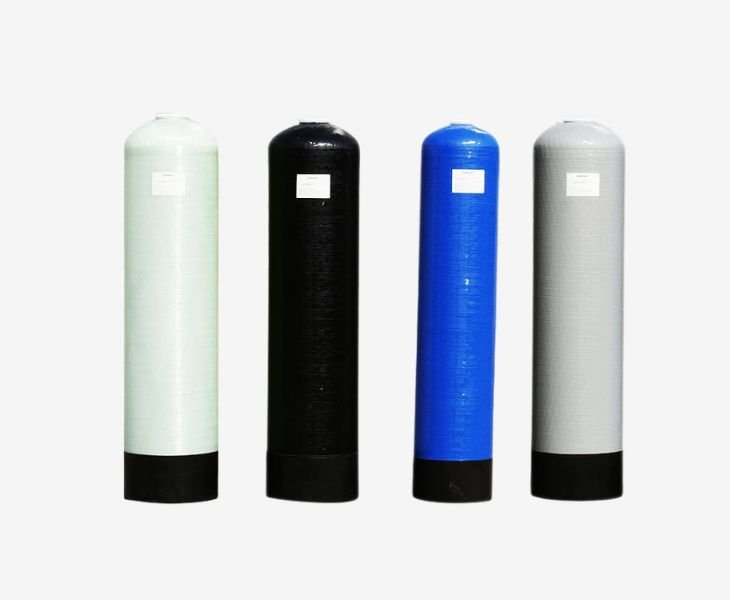
You can customise the tank’s diameter, capacity, interface and opening to fit your project’s needs flexibly.
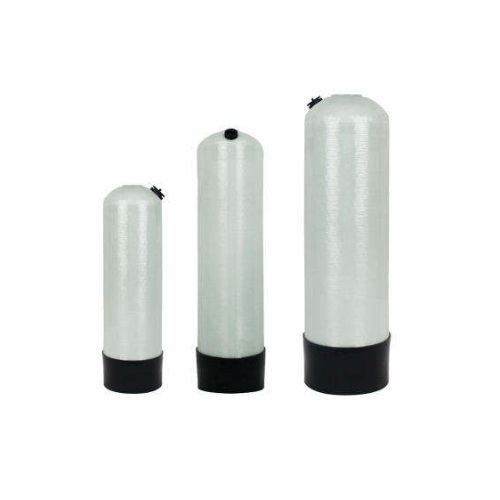
Compact capacity and easy operation. Suitable for research experiments and small-scale processing systems for experiments, sample processing or small-scale recycling process projects.
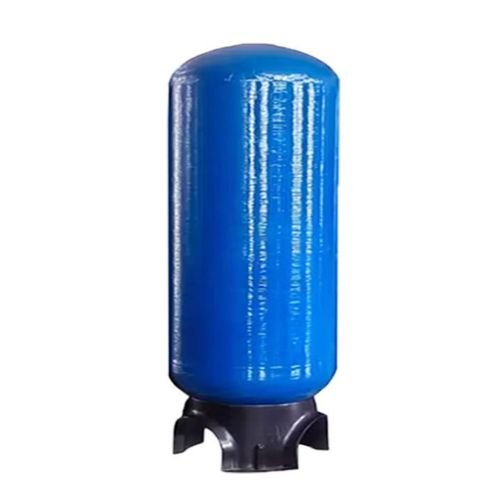
It can be integrated with stirring, dispensing or multi-layer filtration modules to enhance the system’s overall efficiency. It is suitable for demanding scenarios or special processes.
Features of FRP Pressure Tank

FRP composite material avoids the risk of metal corrosion perforation, reduces system contamination and prolongs the service life of the equipment.

Multi-layer structure, uniform force, stable pressure-bearing performance. The risk of tank burst is low, which guarantees the long-term continuous operation of the project.

FRP is not prone to metal fatigue cracks under repeated pressure changes, which is suitable for frequent start-stop systems.

The tank does not require anticorrosion coating, which reduces the time spent on maintenance and decreases labour and material costs.

FRP materials are lightweight, which means they can be transported more cheaply and installed more easily.

Suitable for humid or salt spray environments, not affected by the underground environment, suitable for complex industrial environments.

FRP is non-conductive, which reduces the risk of leakage during the project. It improves system safety and is suitable for electrical integration equipment.

Stable material structure, not easy to rust and age. Extend the equipment replacement cycle and curtail long-term operating costs.
High Efficiency Operation
Our FRP pressure tanks are designed with full consideration of volume fit and fluid design. Ensuring that fluids in water treatment, reverse osmosis and industrial filtration systems can flow evenly, reducing dead zones and localized pressure fluctuations. This not only ensures process continuity, but also allows pumps and piping systems to run more smoothly, reducing energy consumption and equipment failure rates. Stable, efficient operation is guaranteed for your project.
Flexible Customization
We offer customisation options tailored to the requirements of your project’s processes and site conditions. Whether it’s a special capacity requirement, a non-standard interface layout, or a multi-tank linkage system. We can accurately design the FRP pressure tank to perfectly match the piping, pumping station and treatment system. We also provide installation instructions and technical support to ensure that the FRP pressure tank is quickly commissioned and put into operation.
Reliable Project Guarantee
We have 26 years of experience in manufacturing FRP pressure tanks, and our products have been exported to the global market and relied on by many industrial projects. We have our own production base and perfect testing system to ensure that every tank meets the strict industrial standards. With a stable supply chain and rich engineering experience, we ensure that your project will run smoothly from procurement, installation to operation.

The tanks are corrosion-resistant and pressure-stable, making them suitable for storing and transporting acid and alkaline water generated in the treatment process and circulating water. It is beneficial to maintain the safe operation of the system.

The tank structure is stable and able to withstand the high-pressure water flow of reverse osmosis system. Ensure that the water flow in front of the membrane element is uniform and reduce the occurrence of local impact and damage.

The inner surface of the tank is smooth and the lining material can be customized. It is not easy to be corroded by a chemical medium. Suitable for processing softened water, deionized water and other highly active liquids.

PE/PP lining combined with FRP composite structure can resist corrosion by acids, alkalis and organic solvents. It is suitable for storing all kinds of industrial chemical liquids without contamination or leakage.

The multi-layer winding structure and pressure-bearing design can ensure the long-term stability of FRP pressure tanks under a high-pressure working environment. Suitable for sand filtration, activated carbon filtration and multi-media filtration systems.

Customizable small capacity FRP pressure tanks with convenient operation and safe structure. Suitable for scientific research experiments, small-scale circulation process or sample treatment. Can meet the experimental precision and safety requirements.

The interface and opening of the FRP pressure tank can be customized according to the on-site piping layout and process requirements, which is convenient for multi-tanks to be operated in series or parallel. Ensure the flow balance and stable operation of large systems.
Yes. Proper design and material selection will ensure that your pressure tank can handle high-pressure water or chemicals. For high-pressure water applications, common FRP pressure tanks are rated for working pressures of 1.0-2.5 MPa, depending on the tank’s structural design and FRP wrap thickness. The multi-layer FRP winding structure has high circumferential and axial strength. It maintains structural stability in continuously pressurized systems such as reverse osmosis, industrial filtration, etc. and is suitable for continuous high-pressure operation. The choice of lining material is critical to withstand chemical fluids. PE/FRP construction is recommended for conventional water treatment and mildly corrosive media. PP/FRP construction is chosen for chemical treatment and industrial wastewater systems. It offers greater resistance to acids, alkalis and chemical fluids.
FRP pressure tanks are rated at 1.6-2.5 MPa and can be used in general industrial water treatment and reverse osmosis systems for most medium to high-pressure applications. The maximum working pressure also depends on the structural design of the tank, the number of FRP winding layers and the lining material. You can also customize FRP pressure tanks with higher pressure ratings according to your project requirements, please feel free to contact us.
Yes. FRP pressure tanks can maintain stable and reliable operation under high pressure, frequent starts and stops, and acid and alkali environments. It ensures the uniformity of liquid storage and avoids equipment damage caused by localized pressure fluctuation. It has good resistance to acid and alkali corrosion, long-term operation does not require frequent maintenance, strong stability.
Standard FRP pressure tanks made of common polyester or vinylester resins are capable of continuous operation at liquid temperatures from 0°C to 60°C. For high temperature environments, special resins or reinforced liners can withstand temperatures up to 90°C. Operation above the recommended temperature range may reduce the mechanical strength of the FRP tank, damage the lining, and shorten its service life.
FRP pressure tanks are mainly used in water treatment plants for processes such as filtration, softening and chemical dosing. It can carry sand filtration, activated carbon or multi-media filter media. It ensures uniform water flow and stable pressure. In the softening and ion exchange process, a FRP pressure tank is used to store and circulate water flow through the resin bed. It is corrosion-resistant to acid and alkali regenerants. It can also be used to store treated water, chemical solutions or backwash water. It ensures efficient system operation and prevents leakage or contamination.
By choosing appropriate materials and processes, FRP pressure tanks can be operated reliably for more than 20 years in typical industrial environments.
Generally, standard sizes of FRP pressure tanks can be manufactured and scheduled for shipment within 2-4 weeks. If special sizes, custom interfaces or multi-tank linkage systems are required, the lead time may take 4-6 weeks.
What Is FRP Pressure Tank?
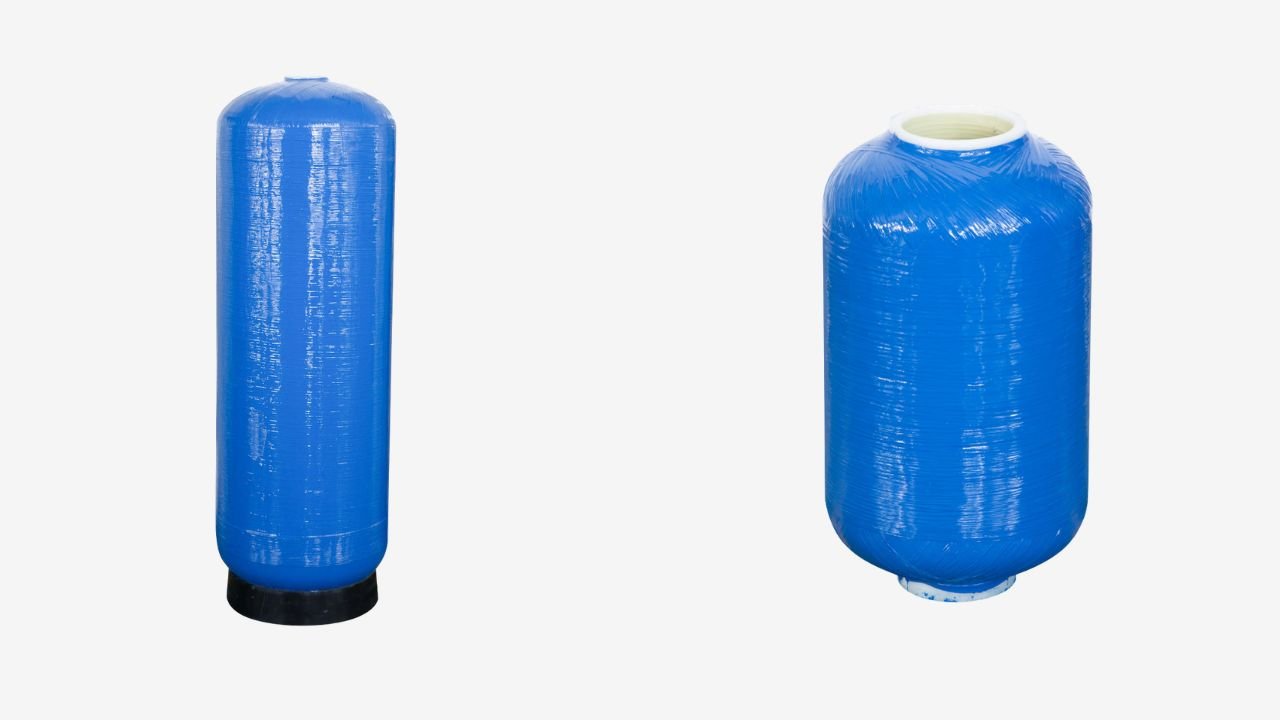
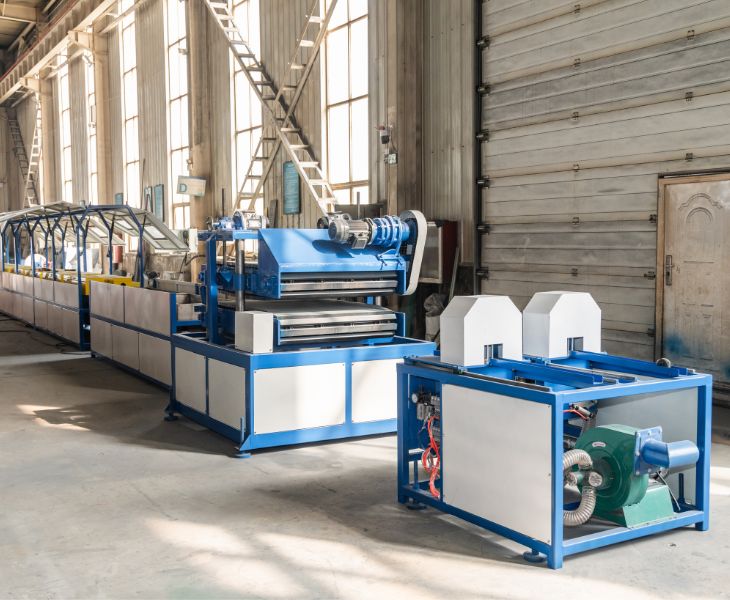
A fiberglass reinforced plastic (FRP) pressure tank is a container specially designed for the storage of liquids or gases under pressure. The tank is usually made of resin and FRP materials, which are compounded and molded through an automated winding process. The lining is usually PE/PP corrosion-resistant material. The tank has good sealing and strong structural stability. It is mainly used in water treatment systems, ion exchange equipment and industrial filtration systems. It combines safety, utilization efficiency and low maintenance cost.
How to Choose the Right FRP Pressure Tank?
To choose the right FRP pressure tank, you usually need to consider the following conditions:
Load Pressure
The FRP pressure tank body must meet the maximum working pressure of the system and leave a safety margin. For common low and medium-pressure water treatment you can choose 1.0-1.5 MPa tanks. For high-pressure reverse osmosis or high-pressure filtration systems, 1.6-2.5 MPa tanks are available. Through multi-layer FRP winding design, our FRP pressure tanks can still maintain stable operation under long-term high pressure, reducing the risk of equipment failure.
Corrosion Resistance
Choose the right lining material according to the characteristics of your stored liquid. PE/FRP can be used for common water treatment liquids, while PP/FRP lining can be used for acidic or organic chemical liquids. The combination of composite structure and lining can effectively prevent tank corrosion and leakage. Extend the service life of the FRP pressure tank.
Capacity and Liquid Flow
Your FRP pressure tank capacity should match the system circulation volume. Small experiments or sample processing can choose 50-500L FRP pressure tank. Medium-sized industrial water treatment choose 1-5m³ FRP pressure tank. Large systems can be linked by multiple tanks to meet the high flow requirements, to ensure uniform water flow and system stability.
Interface and Installation
According to the requirements of piping layout and process, select the appropriate interface size and opening method. You can customize the design of top, side or multiple connections to meet your project requirements.
Maintenance and Service Life
FRP tanks do not require regular corrosion protection. Its long-term maintenance frequency is about 50% lower than that of carbon steel tanks, and the high-quality FRP + PE/PP liner can be used for more than 20 years.
| Selection Factor | Technical Basis | Selection Reference |
| Operating Pressure | System maximum working pressure + safety margin | Low–medium pressure systems: 1.0–1.5 MPa High-pressure RO/filtration: 1.6–2.5 MPa |
| Liner Material | Selected based on the chemical properties of the stored liquid | General water treatment: PE/FRP Acidic/alkaline/chemical media: PP/FRP |
| Tank Capacity | Matched to the system circulation rate | Small systems: 50–500 L Medium industrial: 1–5 m³ Large-scale: Multiple tanks in parallel |
| Nozzle Configuration | Based on piping layout and process requirements | Custom top/side nozzles Multi-port configurations available |
| Maintenance & Service Life | Long-term operating cost consideration | No periodic anti-corrosion treatment required ~50% lower maintenance than carbon steel Service life: 20+ years |
What Are the Standard FRP Pressure Tank Sizes Available?
| Tank Type | Capacity Range | Standard Diameter | Standard Height | Application |
| Small Tank | 50–500 L | 400–600 mm | 1–1.5 m | Laboratory, small circulation systems, sample processing |
| Medium Tank | 1–5 m³ | 800–1200 mm | 1.5–2.5 m | Industrial water treatment, RO pretreatment, medium-flow filtration systems |
| Large Tank | ≥10 m³ | ≥1500 mm | ≥3 m | Large-scale water treatment plants, high-pressure chemical storage systems |
What Is the Difference between FRP Pressure Tank and Plastic Pressure Tank?
FRP pressure tanks are usually made of FRP and resin composite. Often lined with PE or PP, they have high mechanical strength, good corrosion resistance and can withstand higher pressures (usually up to 2.5 MPa). Ordinary plastic pressure tanks are mostly PE, PP or PVC monolithic molding. It has limited pressure capacity and mechanical loading. Plastic pressure tanks are suitable for low-pressure scenarios, it is low cost and light weight. However, in industrial water treatment, chemical liquid storage and high-pressure filtration systems, FRP pressure tanks can provide higher durability, safety and long-term stability. FRP composite structures also support flexible customization and can meet the complex process needs of your project.
How to Maintain and Clean FRP Pressure Tank?
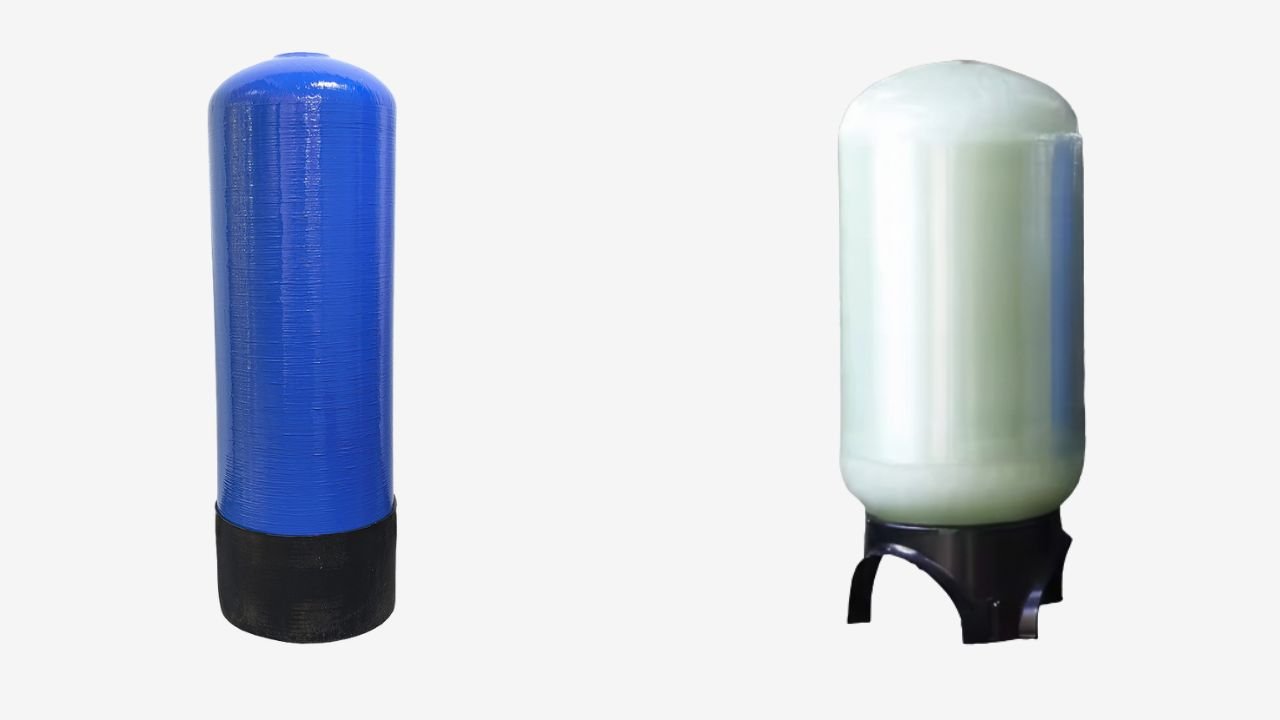
You’ll need to regularly inspect tank surfaces and connections for cracks, leaks, or abnormal wear. Make sure all sealing parts are tight and reliable. For chemical liquid industrial wastewater systems, periodically flush the inside of the FRP pressure tank to prevent any deposits or residues from clogging the lines or affecting the fluid uniformity. You can choose neutral cleaner or low concentration acid and alkali solution during the cleaning process. Do not use strong corrosive chemicals or high-pressure flushing to directly impact the tank surface. This may damage the FRP fiber layer or the inner lining. High-frequency start and stop or high-pressure systems should be combined with pressure detection instruments to check pressure changes. Ensure the long-term stable operation of FRP pressure tank.