
Why Choose Our FRP Septic Tank
Corrosion & Leakage Resistant Design
- Every batch of FRP septic tanks that passes through the factory undergoes inspection by the ISO 9001 quality management system.
- Continuously optimize the underground environment.
- A mature-state FRP composite material development system provides the best strength and corrosion resistance for septic tanks.
- Leakage resistance and fatigue tests were performed as per EN 14807 PB/T and standards to ensure good sealing performance.
- Our proprietary waterproof ring has undergone a thorough, 5,000-cycle water penetration test, showing a very minor leakage rate of less than 0.01%.
- The resin full formula system, which was independently developed, enhances resistance to corrosion of the septic tank by over 40%.
Your Reliable Chinese FRP Septic Tank Manufacturer
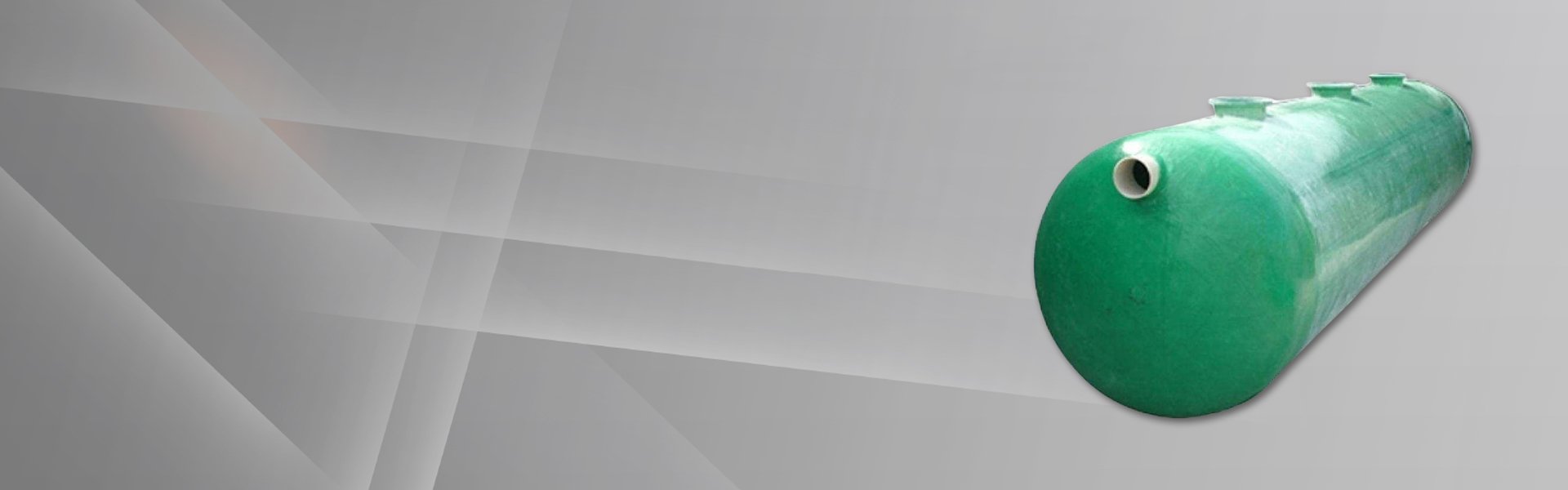
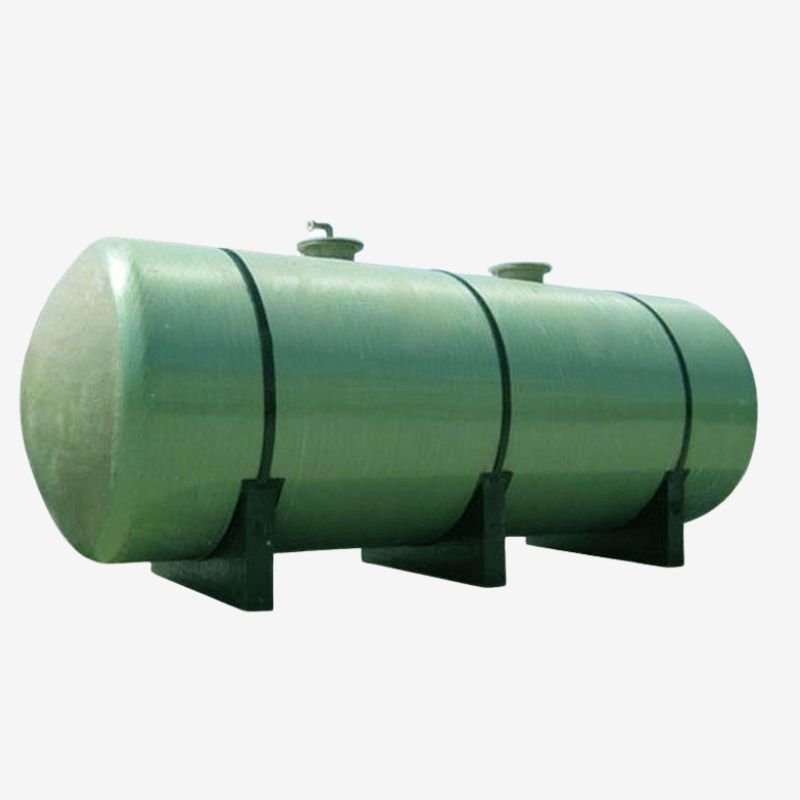
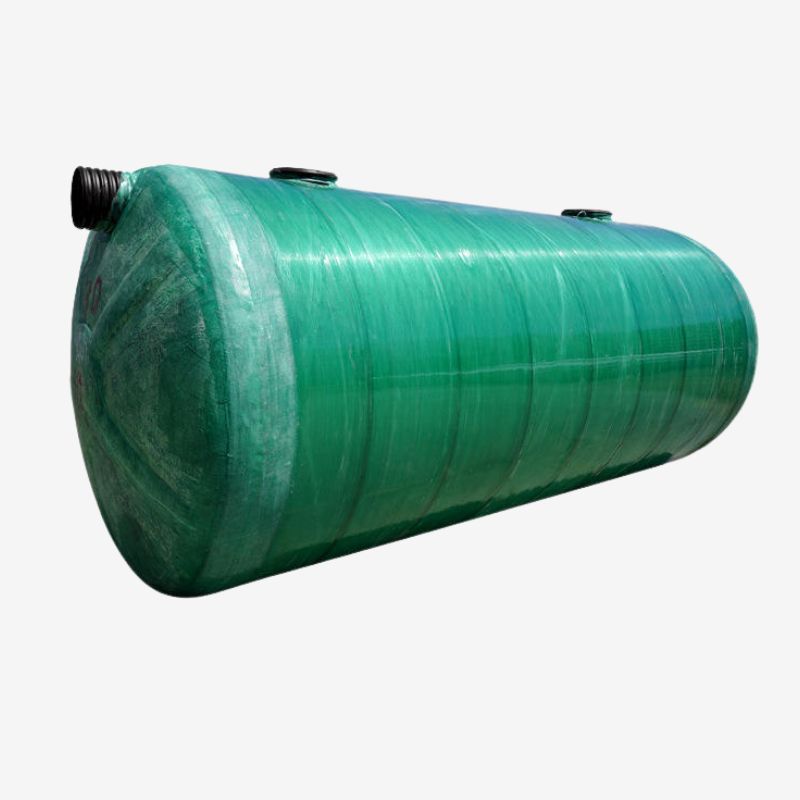
The new generation of FRP fiberglass reinforced plastic septic tank is integrally formed without leakage, and it provides 30 years of corrosion protection, which prevents any structural deformation. It offers a lightweight design together with high strength and enables fast installation, which requires less labor, while its sealing performance exceeds national standards, and it maintains environmentally friendly and hygienic characteristics without producing any pollution. The company provides direct sales from its factory together with a ten-year warranty, and it offers products at competitive prices. The choice of our services will eliminate your worries while reducing costs and providing you with greater security.
Products By Features
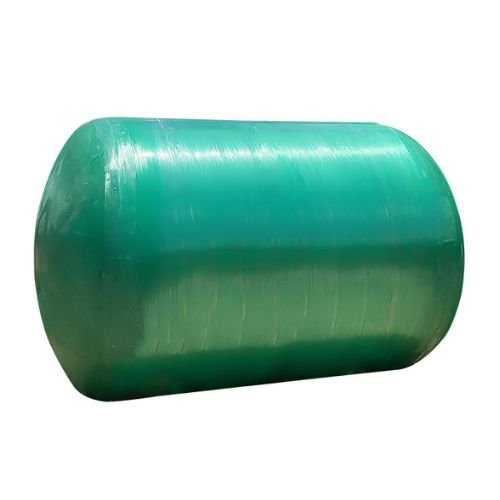
The first choice for small household use, which can be used in single-family villas and small apartments. For use by 3 to 5 people.
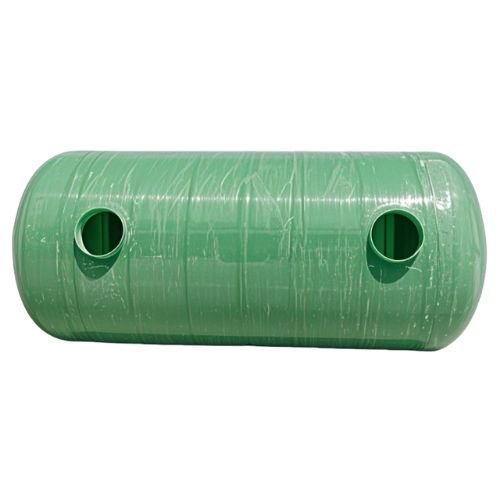
Standard large family configuration, suitable for everyday use of 10 to 12 people, with high cost performance.
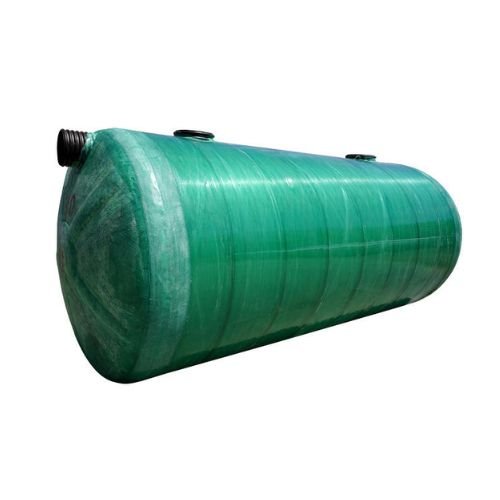
It has been designed to meet the needs of medium-sized homes, duplexes, and multi-person households, and provides processing power that can support 13 to 15 users.
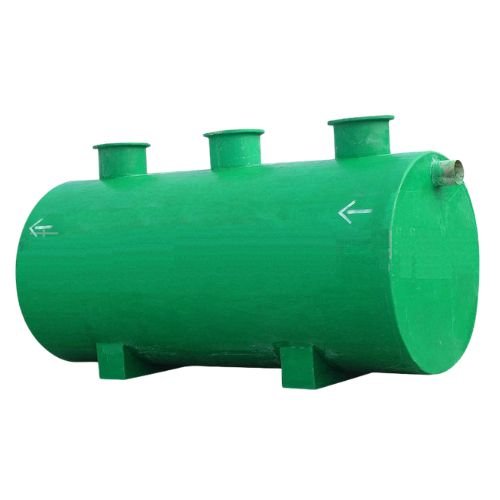
That meets the operational needs of homestays, small restaurants, and office spaces. The system operating capacity supports 16 to 25 users
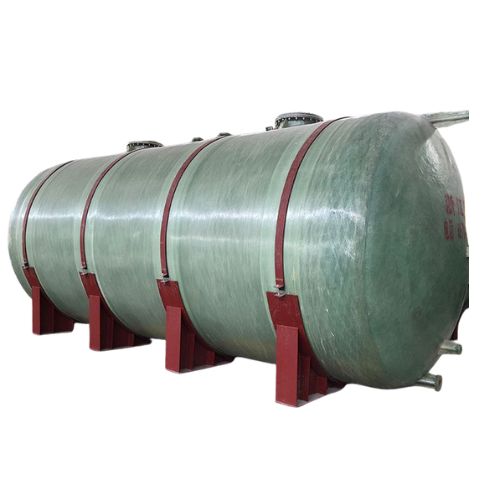
The standard model is designed to function in multi-family townhouses and small commercial buildings. The system can accommodate more than 40 users.
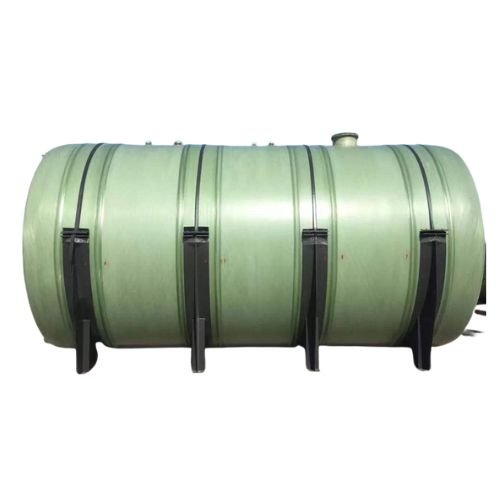
You can adjust the specification to meet your engineering needs and specific project requirements.
Features of FRP Septic Tank

The fiberglass reinforced plastic material provides protection against both acids and alkalis while sustaining sewage erosion damage for 30 years.

The material weighs only 1/4 of concrete while delivering double the strength of concrete, which makes it easy to work with and install.

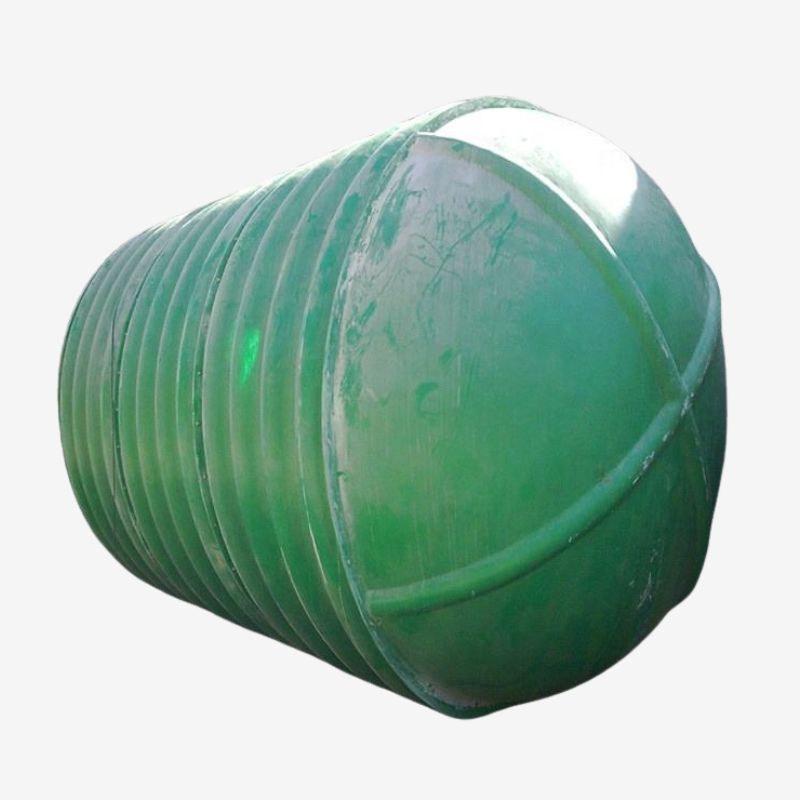
The process creates a complete product through integral molding, which prevents any possibility of leakage.

The product provides extended benefits during normal operation, which lasts over 30 years after its initial purchase.

The system requires no on-site pouring or curing because it becomes operational through immediate use after hoisting.

The tank body achieves a complete seal with the pipe opening, which prevents both odors and groundwater pollution from escaping the system.

The system shows a strong load-bearing capacity, which maintains its original shape when buried underground and functions in diverse geological conditions.

The materials remain safe because they do not emit toxic substances, and the processing method does not create any environmental hazards while meeting all environmental. protection requirements.
One-piece Molding
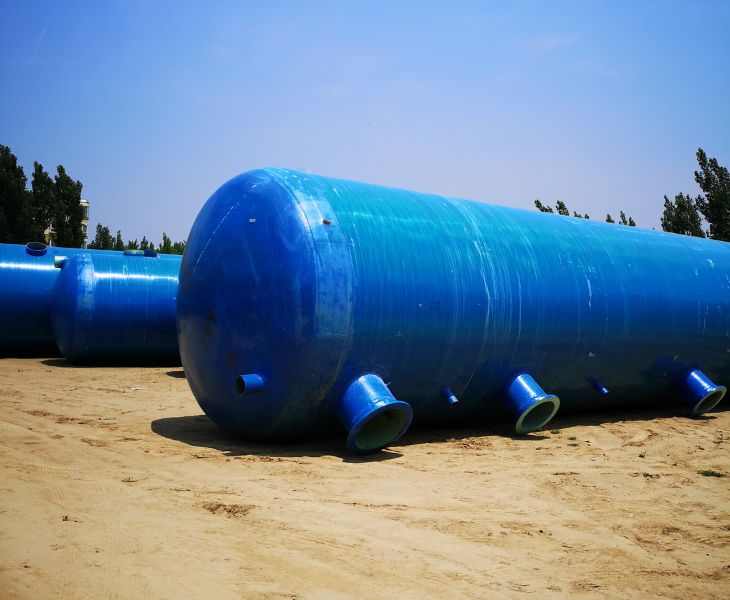
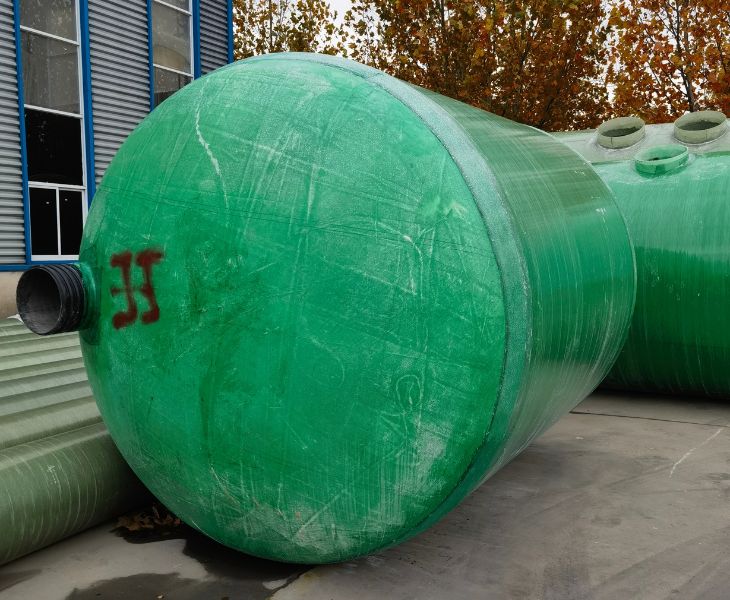
Advanced molding technology produces the entire tank body as a single piece without any seams, which results in complete protection against leakage that occurs in traditional brick and cement septic tanks. The sealing performance meets the national first-class standard, effectively preventing sewage from seeping down and polluting underground water sources, while blocking the backflow and dilution of groundwater, ensuring the treatment effect. The technology enables our product qualification rate to reach 99.8 percent, which exceeds the typical industry standard.
Ultra-lightweight and Quick Installation
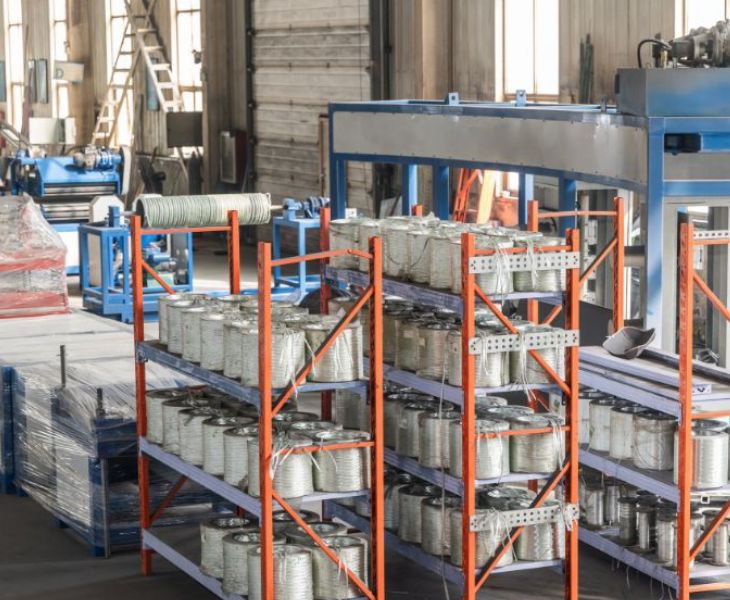
The product uses FRP material, which causes it to weigh only 25 percent of the weight of a concrete septic tank with identical capacity. The construction site requires no complex processes because it eliminates the need for formwork setting, pouring, and curing activities. The team completes the entire process of digging a pit, hoisting and backfilling, and connecting pipes within half a day. The method decreases both labor expenses and construction time, which makes it ideal for projects that operate under stringent time restrictions.
An Ultra-long Service Life of 30 Years
The combination of high-performance resin and glass fiber composite materials provides exceptional protection against corrosion, which enables their usage in acidic and alkaline wastewater environments for extended periods. The material shows resistance against aging effects and impacts, and extreme temperature conditions. The material maintains its performance throughout all weather conditions,s which include southern humidity and northern extreme cold. The normal service life is over 30years, which is 3 to 5 times that of a traditional septic tank.
Applications of FRP Septic Tank

The daily sewage treatment requirements of families are met through standard building designs that apply to both detached villas and townhouses, and sidewalks.

It helps build attractive villages while enhancing environmental sustainability.

Hospitals and clinics, together with health centers, need to fulfill pre-treatment requirements that apply to their medical wastewater disposal systems.

All types of hotels, including star-rated establishments and budget hotels, together with homestays and inns, offer dependable services for sewage treatment.

Septic tanks are installed in factory workshops, staff dormitories, etc. to meet environmental protection requirements.

Tourist attractions have a large flow of people. Installing FRP septic tanks can maintain the cleanliness and hygiene of the scenic area.

FRP septic tanks have low maintenance requirements and solve the sewage problem in remote areas.

Installing this equipment in public toilets and other places can improve the infrastructure of the city.

FRP can withstand all kinds of harsh environments and is suitable for the areas of border troops.
FRP fiberglass reinforced plastic septic tanks consist of advanced composite materials that showcase superior resistance to corrosion and long-lasting durability through their resin-based construction. The tanks have a typical operational lifespan that extends over 30 years, which exceeds the lifespan of standard concrete septic systems by three times.
Our FRP septic tanks fully comply with the national “Standard for Design of Building Water Supply and Drainage” and the relevant regulations of environmental protection departments. The products have obtained environmental protection certification, together with quality inspection certification. The sealing performance meets the standards, which helps your project achieve environmental protection acceptance.
The FRP septic tank’s inner wall surface maintains its smooth texture, which prevents dirt from building up on the surface. The recommended cleaning schedule requires maintenance every six months to one year, based on actual user activity. It needs fewer maintenance operations than traditional septic tanks. It also operates without any special daily maintenance needs, which can reduce both your operational expenses and your need for staff resources.
The septic tank should be installed at a depth that exceeds the local permafrost layer, which typically ranges between 1.2 and 1.5 meters, and the top should be covered with soil to provide thermal insulation. Insulation boards or rice straw can be used as additional insulation material in areas with cold climates. The sewage material inside the system also undergoes continuous fermentation, which produces thermal energy. So you don’t need to worry too much.
You can use FRP septic tanks for your urban sewage pretreatment system, which operates independently from central sewage systems. It provides built-to-last performance, which requires no maintenance and offers more than 30 years of operational life, thus serving your municipal engineering needs as a trustworthy solution.
What is an FRP Septic Tank
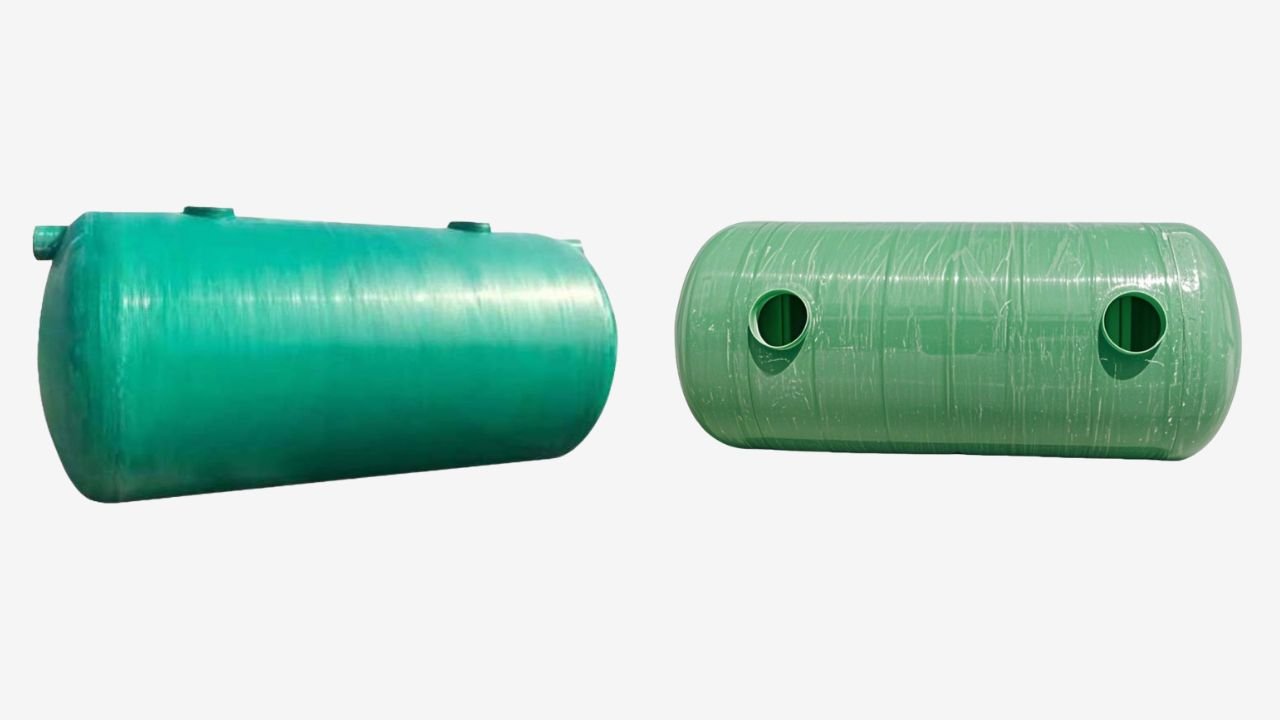
The FRP septic tank system functions as a modern sewage treatment apparatus that uses glass fiber reinforced plastic material to replace conventional brick and concrete septic systems.
The FRP septic tanks provide users with better benefits than traditional septic systems because they use integrated molding technology, which provides complete protection against leaks. The FRP material provides lightweight properties that enable fast installation while delivering durable performance. The material shows excellent resistance to corrosion, which enables it to function for 30 to 50 years. The design features a smooth interior wall, which simplifies cleaning processes, while the system requires minimal upkeep expenses.
The FRP septic tanks deliver safe and eco-friendly wastewater treatment solutions that suit both residential villa projects and commercial developments, municipal initiatives, and rural toilet upgrades that need modern building components.
How is the Wastewater Treatment Carried out in FRP Septic Tanks
Preliminary Sedimentation
The wastewater treatment plant receives domestic sewage through its main entrance, which leads to the first fermentation tank. The tank bottom receives solid feces and debris because those materials have a higher specific gravity than water. Light substances such as oil float up to form a scum layer. The middle section of the system contains a water layer that has less turbidity than the other sections. The process establishes the first stage of solid-liquid separation.
Anaerobic Fermentation
The first tank serves as a breeding ground for anaerobic microorganisms, which reproduce in high numbers. The organisms break down organic matter through their fermentation process, which occurs under anoxic conditions. The process continues to decrease sludge volume while it decreases organic material concentration. At last releases biogas through an exhaust pipe.
Secondary Sedimentation Purification
The treated sewage enters the fecal pipe, which leads to the second continuing fermentation tank, where it undergoes sedimentation and anaerobic decomposition again. The process continues as microorganisms degrade the remaining decomposing organic matter while suspended solids settle down. The treatment process achieves secondary water purification, which results in a major reduction of pollutants that prepares the water for final discharge standard compliance.
Clarify compliance with emission standards
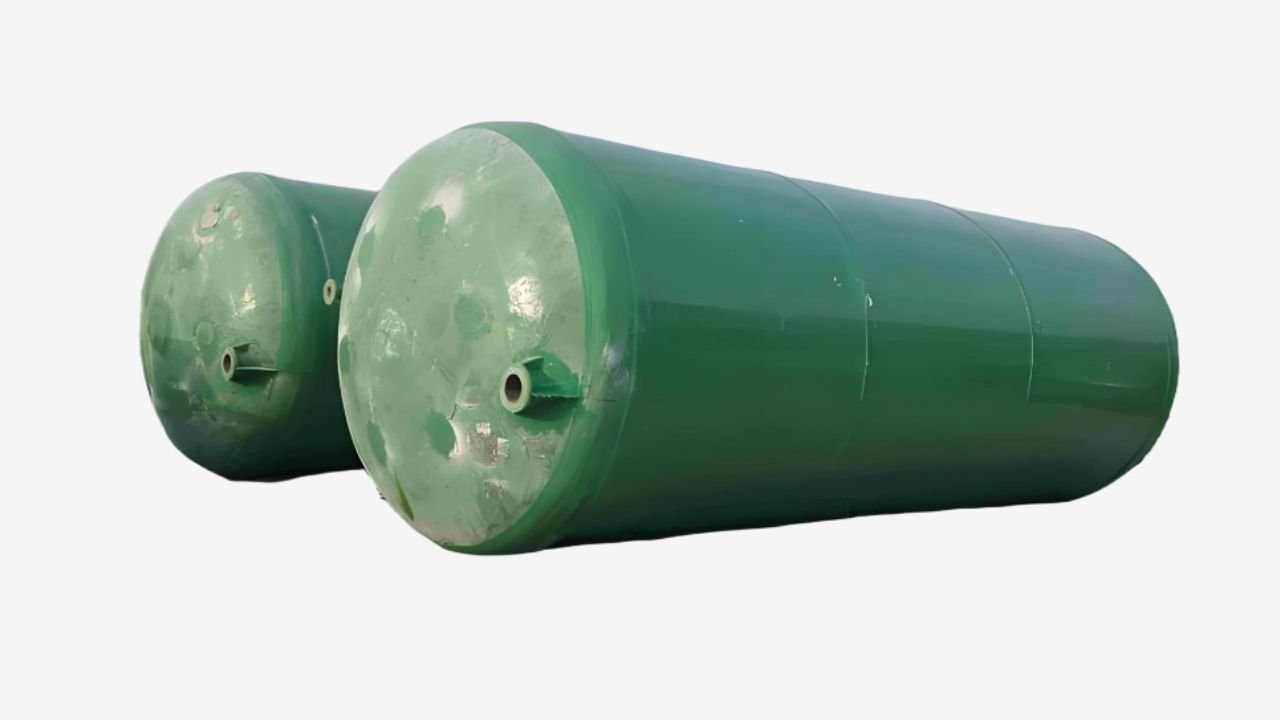
The third clarification tank receives sewage, which directs the nearly treated water from previous treatment stages to final sedimentation and clarification. The water quality improves as the remaining fine suspended particles settle down from the water body. The clear water that is discharged from the outlet meets discharge standards, which allows for safe disposal into the municipal water network or use in farmland irrigation.
What are the Limitations of FRP Septic Tanks
The price of FRP septic tanks costs 30% to 50% more than traditional brick septic tanks, which creates significant budget challenges for projects needing to spend less. The full life cycle cost evaluation shows that this option has cost benefits.
Transportation and Installation Requirements
The integral tank body must be delivered by a dedicated vehicle. The process of transporting goods becomes challenging when dealing with remote mountainous regions and narrow alleyways. The installation process needs hoisting equipment to function properly, so the work area must be kept open at the installation site.
Fixed Capacity Limit
The system needs expansion capacity, which remains inactive until complete installation. You need to accurately assess the usage requirements in the early stage. The only solution for future water consumption increase requires either new tank installations or tank size upgrades.
Geological Condition Requirements
Foundation reinforcement costs increase through special geological situations, which include soft soil and expansive soil. Systems need to implement anti-floating solutions for locations where groundwater levels reach extreme heights, which protects tanks from floating.
Small Capacity
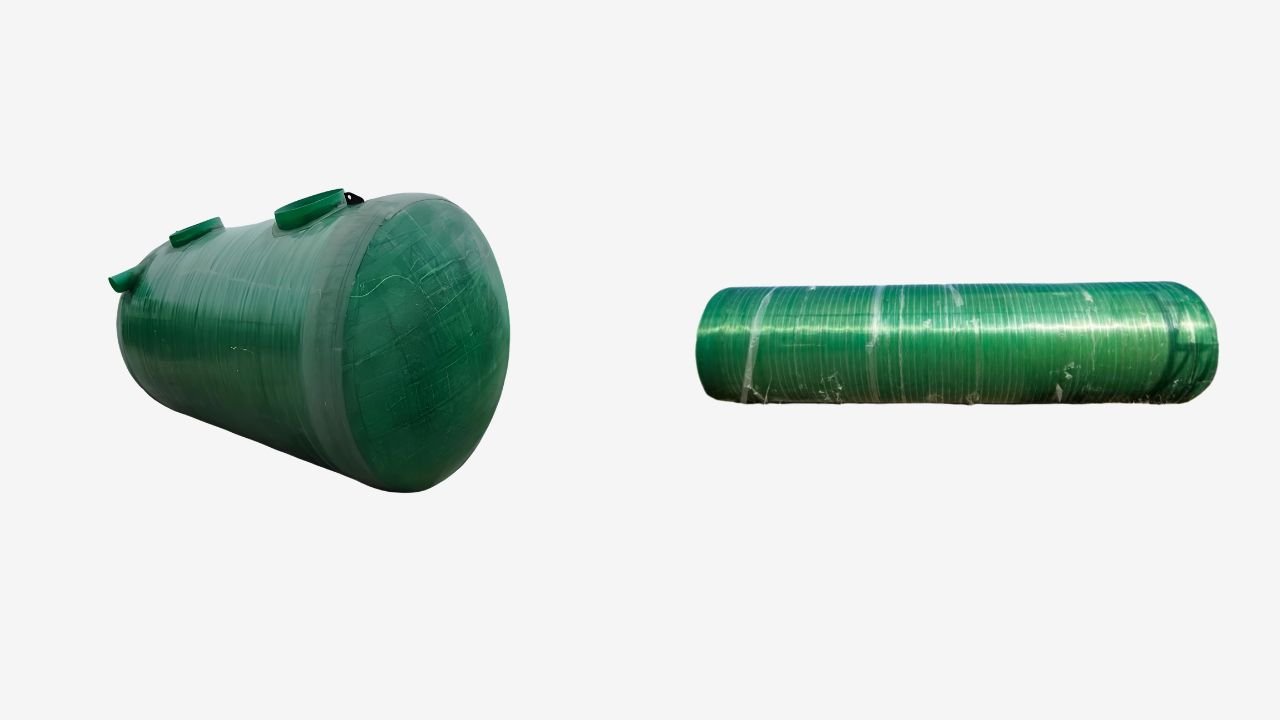
Most tanks have a maximum capacity that does not exceed 100 cubic meters. Super-large sewage treatment projects need to use multiple tanks, which restricts operational flexibility compared to the cast-in-place concrete tank system.
The Surface is Prone to Scratches
The entire structure remains strong, but the surface resin layer lacks durability. The transportation and installation process requires protective measures that prevent sharp objects from creating scratches that damage the appearance and anti-corrosion features.
Why Use FRP (Fiberglass Reinforced Plastic) Instead of Concrete or Plastic
FRP Septic Tank vs Concrete Septic Tank
Concrete septic tanks require extended construction periods which need their concrete to be poured at the building site. The tanks need a minimum of 15 days before they can start being used. FRP septic tanks can be installed and operational within one day after being delivered to the site. Workers need heavy machinery to move concrete because it weighs too much but two people can handle FRP. The total building expenses decrease by more than 40 percent.
FRP Septic Tank vs Plastic Septic Tank
Plastic septic tanks face more challenges than concrete tanks because ordinary plastic materials which include PE and PP exhibit low strength properties that lead to deformation issues. The combination of high-temperature sewage and summer surface temperatures leads to faster material degradation. FRP fiberglass reinforced plastic combines the corrosion resistance of plastic with the high strength of molecular weight. Its exhibits compressive and impact resistance which exceeds regular plastic by 5 to 8 times.Its high-temperature resistance is also stronger than that of plastic.