Global trade tariffs and policies on raw materials such as steel are transforming the strategies for purchase across industries. For procurement experts, engineers, and project managers, these constantly changing costs has a direct effect on the choice of material and budget for a project. In this article, we will be analyzing ways in which the trade dynamics of today affects the FRP vs Steel debate. This will play an important role in making the best and cost-effective choice of material despite the volatile nature of the market.
Brief Overview of FRP and Steel Materials
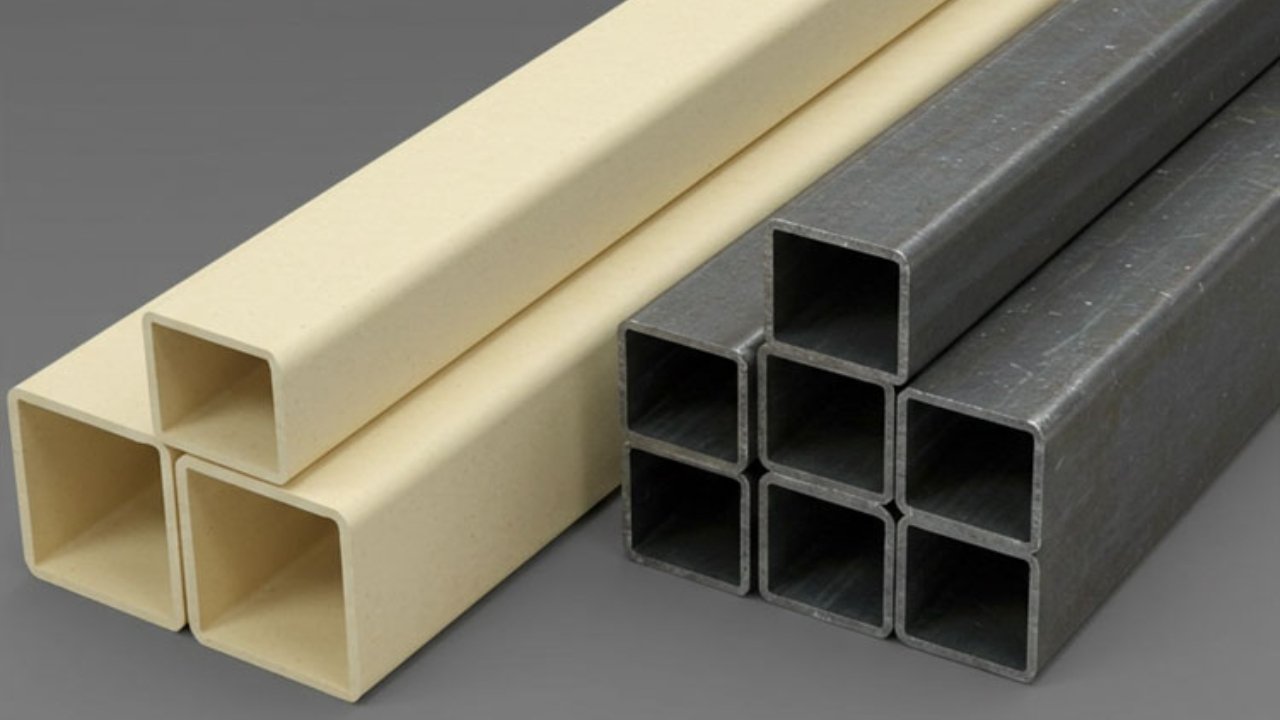
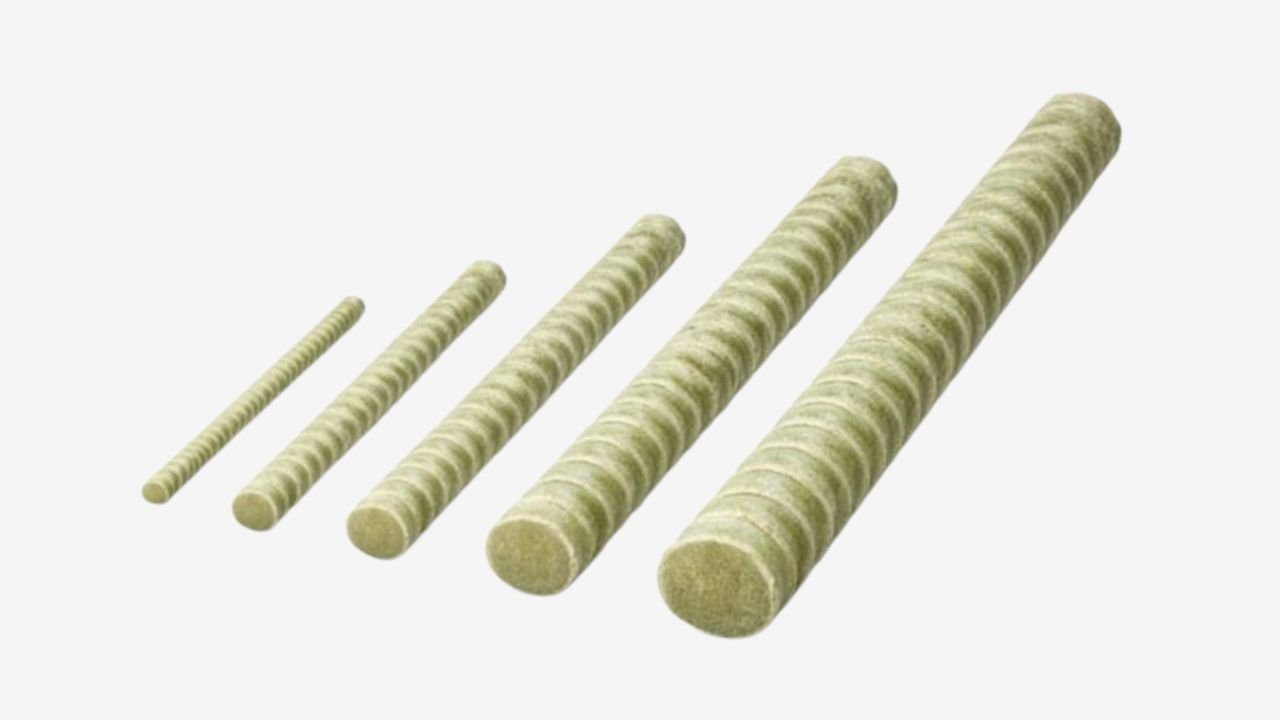
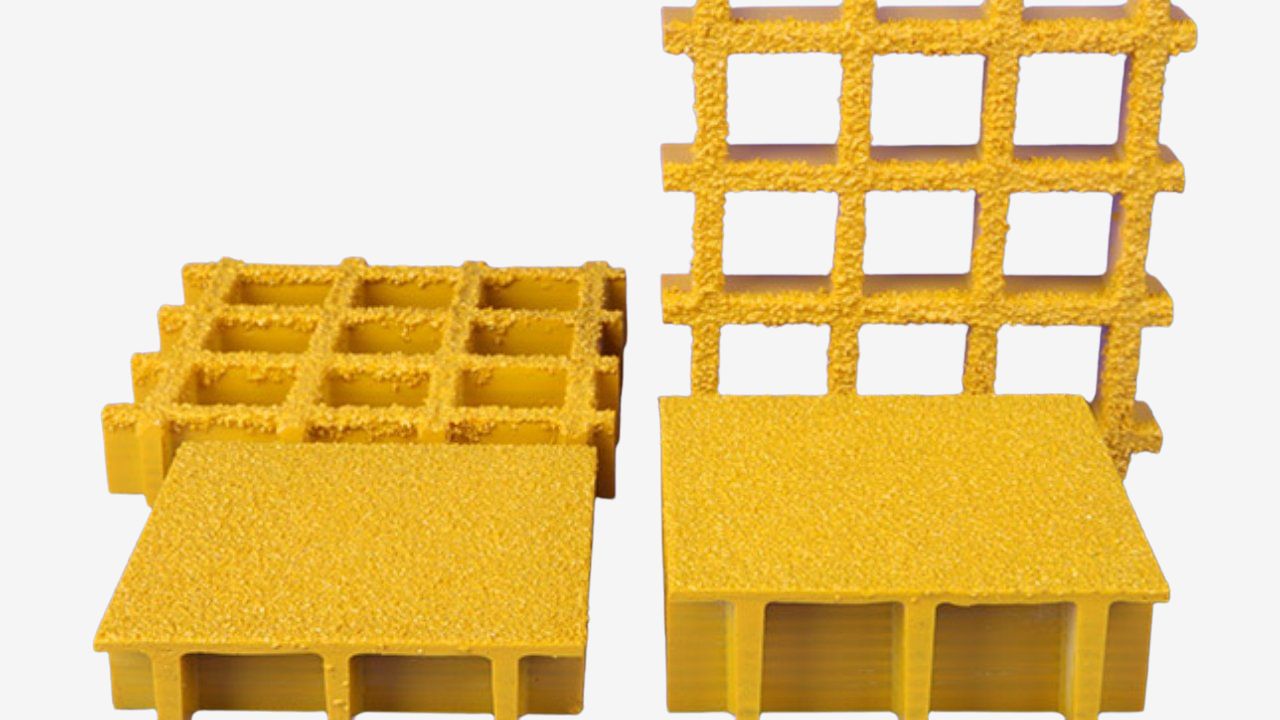
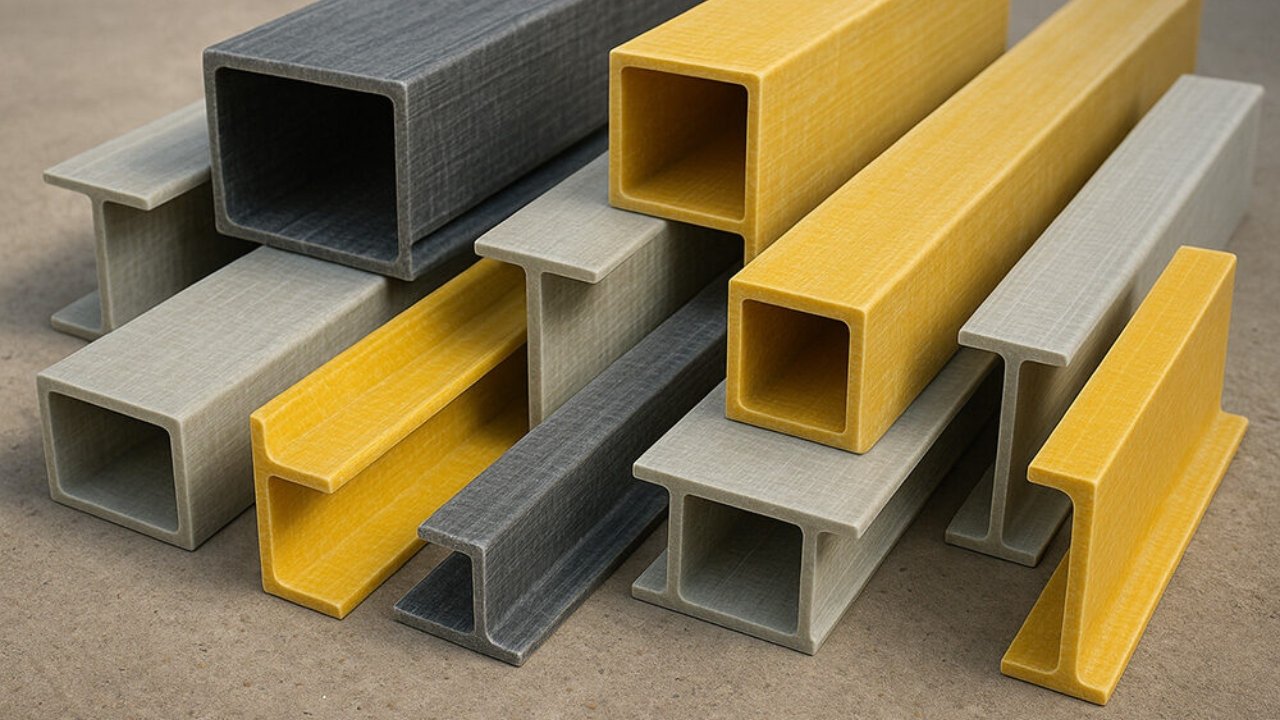
Fiber Reinforced Polymer (FRP) is a type of composite material made of high-strength fibers and polymer resin matrix. The combination of this material produces a material with high corrosion resistance, which makes it suitable for applications exposed to harsh environmental conditions. FRP weighs 60-80% less than steel, this great strength-to-weight ratio contributes to its performance.
Also, FRP is a non-conductive material that offers safety properties especially in applications that need high thermal insulation. However, FRP has lower modulus of elasticity, which requires you to make carefully make deflection calculations.
Over the years, steel like carbon steel, galvanized, and stainless steel has been a popular choice for industrial construction due to its strength and recyclability. Also, steel offers excellent ductility and exceptional performance under load.
It is usually considered a cost-effective option for large-volume projects. Steel offers less concerns for deflection due to its high modulus. However, this material can corrode in harsh environments, which makes it important to use protective coatings or galvanization.
These measures increase the cost of the lifecycle because of replacement, inspection, and regular maintenance. In addition, steel is a heavyweight material that requires support structure, especially during transportation.
What Tariffs in the Construction Materials Market Entail
Tariffs are government-imposed taxes on goods imported. This is in place to offer protection for the domestic industries, create revenue, and challenge trade practices. Considering the construction materials market, tariffs usually create a sudden and frequent fluctuations in price which affects supply chains.
Whenever tariffs are placed on raw materials such as aluminum or steel, there is a usual rise in domestic prices. This is because as imported ones become too expensive, the local suppliers decide to adjust their prices to closely match the conditions of the market. These rise in cost won’t only affect the materials but has an effect in timelines of projects, costs of transportation, etc., as budgets usually need renegotiation.
This unpredictability in tariff can affect procurement specialists and project managers’ choice of materials and planning in the long term. An economically useful material seven months back may suddenly surpass budget constraints, leading to value engineering or changes in specification. It is important to understand the effects of tariffs to make cost-effective and informed decisions in the constantly-changing global market of today.
Where Tariffs Affect FRP vs Steel
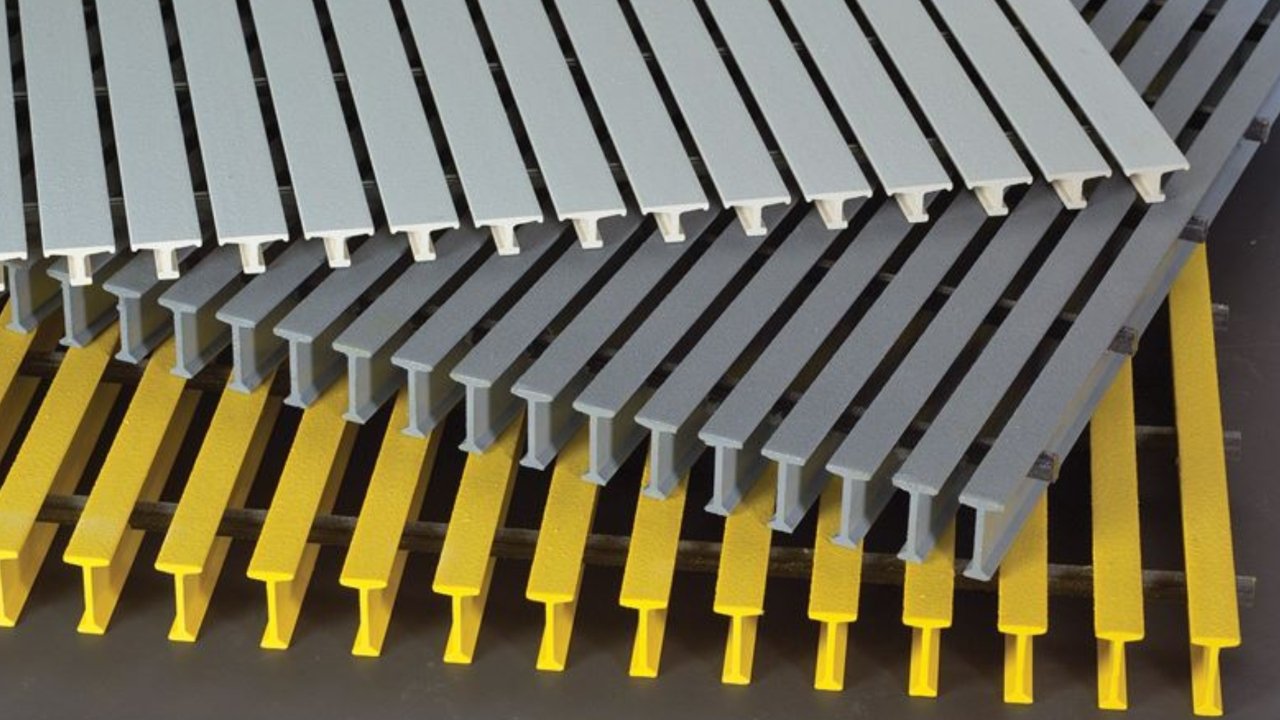
Tariffs restructures the choice of material’s economic landscape. Below are important areas where policies for trade affect the FRP vs steel debate.
· Upfront Material Cost Comparison
Tariffs has a direct effect on the cost benefit that steel has over FRP regarding upfront material costs. As governments add tariffs on steel imported, the domestic prices of steel usually increases as local manufacturers raise their costs to be equivalent to that of the protected market. This inflation in price can reduce or remove the gap between the FRP and steel initial costs.
For project managers that usually compare bids, steel which once stood out as the best economic option could now be in direct competition with FRP. However, FRP components, which are usually sourced from regions with no tariffs placed or manufactured domestically, remain with a relatively stable price. With this shift, teams involved in procurement recalculates the budget and then reconsider whether the upfront savings of steel still stands under the present policies of trade.
· Project Budgeting
Tariff can be volatile which makes it difficult for contractors that want to bid and owners that need to manage projects on fixed budgets. The prices of steel can change between the time of bidding and material procurement, thereby reducing profit margins or causing budget deficit.
Due to this, a lot of contractors add tariff contingency clauses in their contracts, which shifts the risk to project owners. FRP’s pricing is more stable and helps contractors in estimating proper budget that steel can’t offer during trade uncertainties.
In terms of pricing, FRP offers a competitive advantage where price certainty is a major concern. Therefore, procurement specialists must always make extra budget to cover cost in case it increases mid-project.
· Supply Chain Stability and Exposure to Risks
Tariffs bring about huge disruption risks in the supply chain which goes beyond just increases in price. Steel imports could experience delays at ports because of quota restrictions or documentation requirements from partners in trading. The capacity to manufacture steel domestically could experience struggles to meet the sudden increases in demand when there is restriction in imports. This creates long lead times and shortages. There is a cascade effect from these delays, which leads to postponements of projects and labor inefficiencies.
Furthermore, FRP manufacturers usually work with controlled and localized supply chains depending less on international effect. With this stability, there is reduced disruption in policy trade, making sure that materials are available when required. For projects that are time sensitive, relying on the supply chain could outweigh the minor differences in cost in the choice of material.
· Consideration for Lifecycle Cost Under Tariff Pressure
Increase in steel price due to tariff can make project owners to recalculate lifecycle cost. When the initial cost advantage of steel reduces, project owners start considering long-term maintenance requirements as an important factor when estimating budget. Steel structures require proper maintenance like galvanization, corrosion inspections, and frequent painting all through their use.
Due to the cost of maintaining steel, project owners will prefer to go for FRP even if there are changes in upfront pricing. Tariffs increases the entry price of steel as the payback time for the initial investment of FRP rises.
Therefore, it is important for financial analysis and engineers to always ensure consider the current situation of the market before updating lifecycle models.
· Specification and Decision Shifts in Design
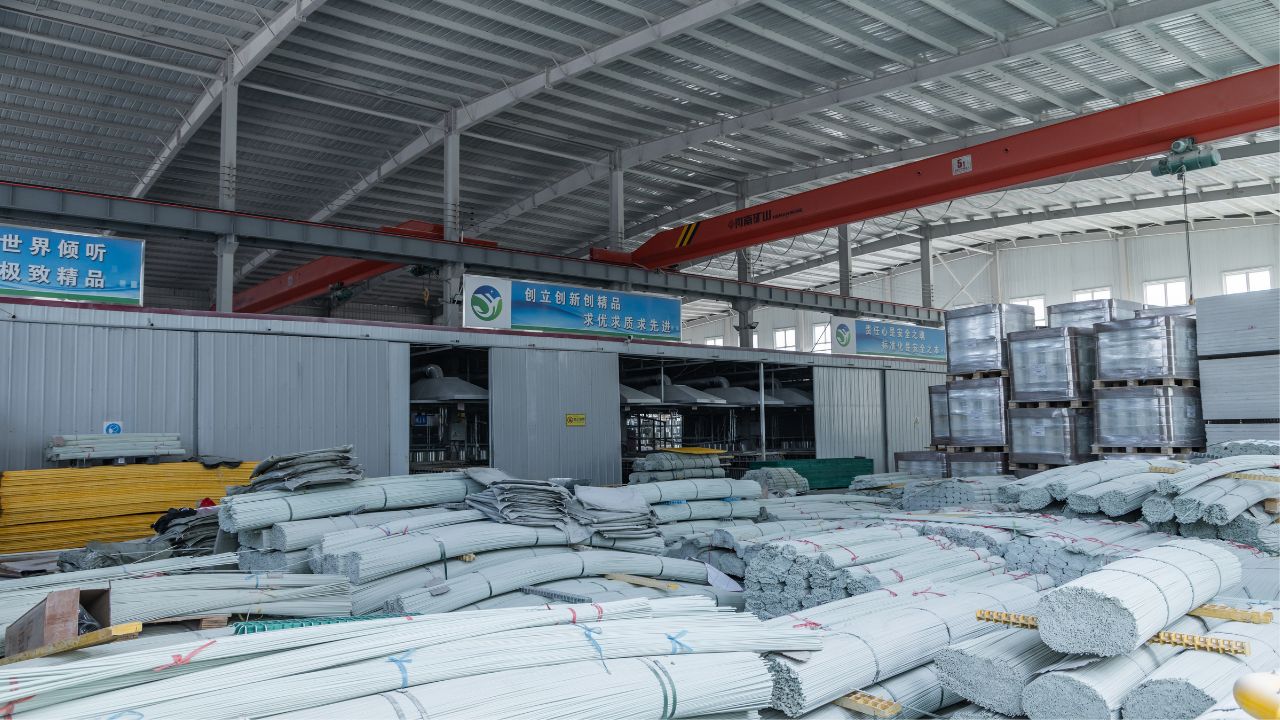
Increasing costs of steel because of tariffs has an effect on design decisions and engineering specifications at the planning phase of the project. To control costs, designers could optimize steel structures in a more aggressive way reducing the quantities of material using refined engineering for controlling costs.
Also, they may indicate FRP in applications whereby it was initially viewed as expensive or unnecessary. These shifts in specification need updated approaches to design, as FRP behaves in a different manner than steel under load and needs unique connection details. In addition, engineering firms have to invest in design tools and training to easily provide the two material options. With time, repeated events of tariffs could changes the preferences of design permanently as engineers become more familiar and comfortable with other material choices.
· Implications of Infrastructure and Public Sector
Fixed budgets and strict adoption of procurement regulations affect public infrastructure projects. This is because the cost of tariff-driven materials may fluctuate over time.
Municipal governments and transportation departments usually work with funding that can be very difficult to adjust when there is an increase in price.
Agencies will either seek funding from other sources or delay projects when the tariffs on steel increases. FRP gives public sector buyers the opportunity to maintain their project scope regardless of any budget issues. For instance, in corrosive environments like waste water facilities and bridge decks, FRP is a budget-friendly option.
In addition, public agencies always consider the cost of lifecycle when making procuring decisions, especially in applications where FRP offers long-term performance.
· Domestic Manufacturing
Tariffs usually strive to ensure better domestic manufacturing, thereby offering opportunities for local FRP manufacturers to be in competition with domestic and imported steel. Although, tariff protection gives steel some benefits, FRP manufacturers can influence the idea of buying locally without the energy and environmental intensity of steel manufacturing.
Project owners that want to meet the requirements for local content or support the domestic industry may see FRP as a useful and reliable option irrespective of the specifics of trade policy. This dynamic allows FRP fabricators to enjoy market opportunities, positioning them as sustainable and patriotic options. Moreover, procurement teams have to verify the true domestic content, because several FRP components could still rely on imported resins or fibers which could experience future restrictions in trade.
· Long-Term Market Positioning
Consistent tariff environments help in reshaping the positioning of the market in the long term for the FRP and steel industries. Steel manufacturers could invest in expanding the domestic capacity when safeguarded from foreign competition. This potentially reduces the prices in the future through economies of scale.
Also, FRP producers gain market strongholds when steel is made expensive artificially. This builds relationships and preferences in design which continues even when tariffs have normalized.
Engineers that clearly identify FRP on projects that are affected by tariffs gain experience which transforms into future specifications. This leads to structural shifts in the market where FRP picks up applications where it wouldn’t have been able to under normal prices. Therefore trade policies affect both the economies of the current project and the whole competitive landscape, even beyond the period of enforcement.
FAQs
Why do steel tariffs increase domestic prices?
Generally, tariffs limit foreign supply, which helps to reduce competition in the market. Local steel producers take advantage of this and increase prices since import options are not competitive for buyers.
Does FRP experience the same tariff issues as steel?
No. FRP component manufacturers use locally sourced materials. However, some materials.like specialized resins may have trade restrictions.
Can tariffs shift material preferences?
Yes. If tariffs periods remain for too long, engineers may build specification preferences for FRP which may likely continue even after the prices of steel drop.
Do tariffs affect infrastructure bidding strategies?
Yes. Contractors need to specify other material option such as FRP and get firm quotes for fixed public budgets. This will eventually affect the bidding strategies for infrastructure.
Does FRP become cheaper when the tariffs on steel increase?
Not immediately. The application requirement often determine the value of FRP. However, increase in tariff-driven steel makes FRP a better choice amongst contractors.
Do resin import tariffs affect composite materials?
Sometimes. Some resin systems are from overseas and are most likely to face tariffs. Domestic FRP production usually depends on locally sourced materials.
How should procurement teams manage tariff risk?
Procurement teams should get various material quotes, confirm domestic content, and assess lifecycle costs before procurement. Also, these teams should work with reliable manufacturers that offer good pricing.
Will steel dominate the market if tariffs are no longer included?
Most likely. However, FRP will still be a popular choice in corrosive environments where their long-term value compensates for their high initial cost.
Partner with Primefrp
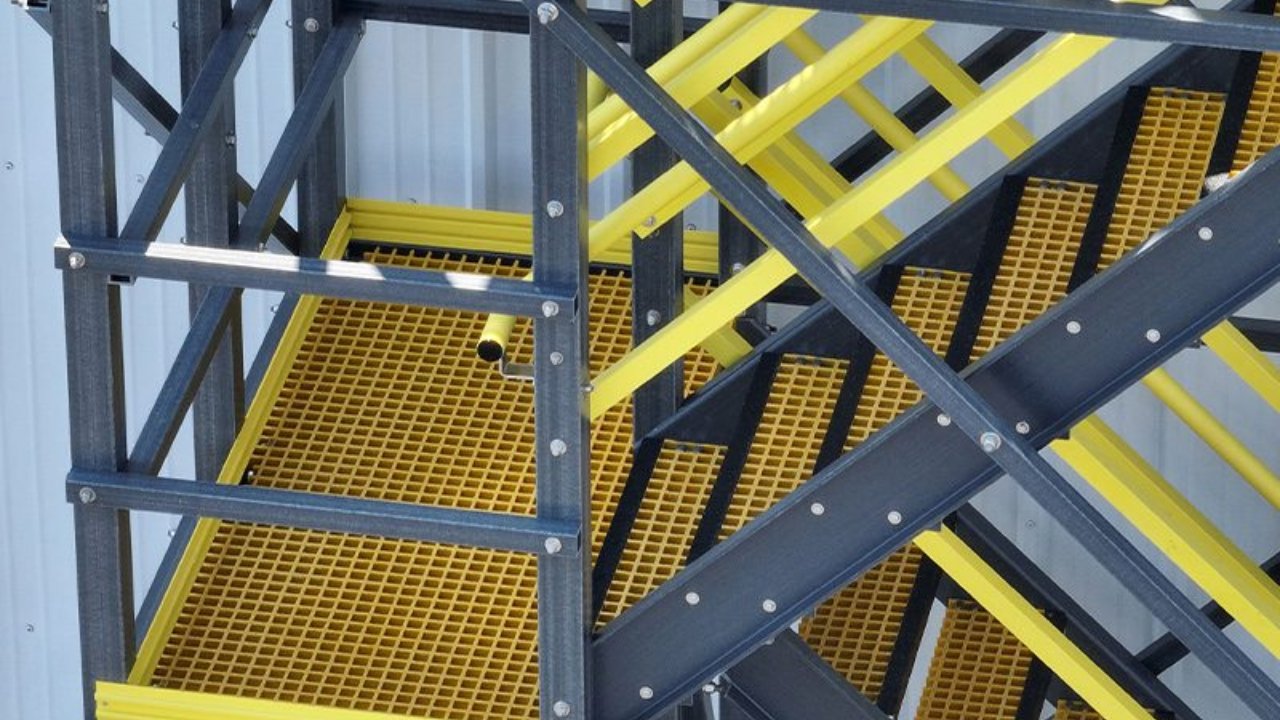
Tariffs on steel price has made FRP a more popular choice. Based on risk exposure and lifecycle value, FRP offers more benefits. When procuring materials for projects, contractors must think beyond initial pricing. This makes it important to always partner with a reliable manufacturer.
It is for this reason that Primefrp offers a FRP as a perfect construction material. Our FRP panels and grating come in custom designs for unique requirements of every project – Explore our product catalogue now.