Architectural railings guarantee safety, define space, and elevate the visual appeal of any project. As a contractor, selecting a railing system that complements your structural design will give you a competitive edge in the industry.
In this article, we will explore the main architectural railing systems and their specific applications in different industries.
What Are Architectural Railings?
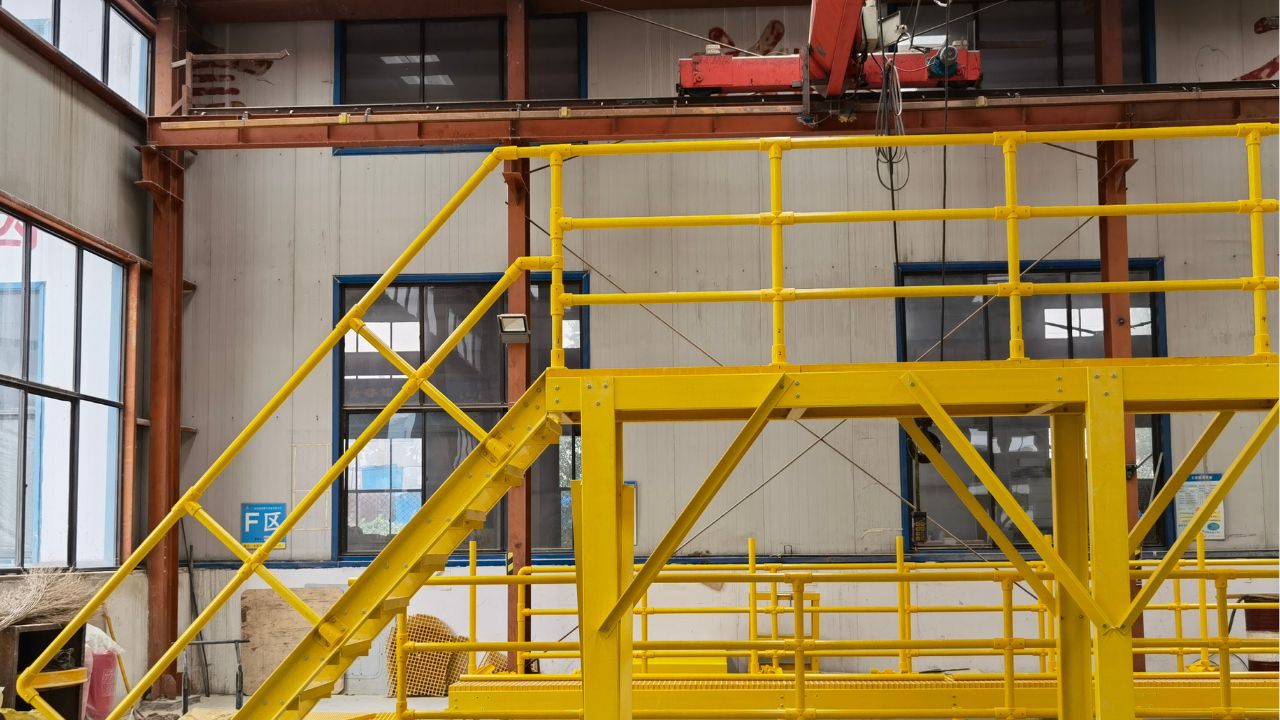
The architectural railings are protective barrier systems that are placed at edges, stairways, balconies, decks, and walkways. They eliminate falls, offer support, and help in the general design of residential, commercial, and public constructions. These systems integrate the performance of the structure with visual integration and hence remain in line with safety standards and even complement the surrounding architectural features.
Main Functions of Architectural Railings
· Safety and Fall Protection
Railings protect against accidental falls at high places like balconies, stairs, terraces, and platforms. They form a shield of protection that minimizes the risks of injuries and enhances the user confidence.
· Structural Support
Handrails give firm support and stability as individuals walk down or up the stairs and ramps. When you install railing systems that are properly anchored, you improve the safety of the users.
· Space Definition
Railings assist in the definition boundaries between levels and dividing functional areas, but do not enclose them completely. For example, glass and cable systems keep openness and clearly mark edges.
· Aesthetic Enhancement
Railings determine the aesthetic appearance of a building. The style, finish, and material you choose can enhance modern, industrial, traditional, or decorative architecture.
· Code Compliance
The construction codes outline the minimum height, spacing, and load standards. These can include IBC, IRC and NFPA in USA, AS 1657 in Australia and Eurocode in the European Union.
You should install railings that comply with local safety codes in order to be in line with the law and protect occupants.
Common Types of Architectural Railings (By Material)
· Stainless Steel Railings
Stainless steel railings are very strong, resistant to corrosion, and have a clean, modern look. Mostly, you find them in commercial premises, on beaches, and in modern residential houses.
· Aluminum Railings
Aluminum railings offer low cost, lightweight strength, and good corrosion resistance. They need very little maintenance and are suitable for balconies, decks, and residential stair systems.
· Glass Railings
Glass railings provide unobstructed views and a smooth aesthetic. Laminated or tempered glass panels are safe and, at the same time, transparent. They are usually found in modern homes, offices, and hotels.
· Wrought Iron Railings
Wrought iron railings provide traditional beauty and decorative finishing. They provide good structural performance, yet they need protective coatings to avoid rust.
· Mild Steel Railings
Mild steel railings offer a high degree of strength at a reduced cost. You should use the right coating or galvanization to ensure they do not corrode, particularly in the open areas or outside.
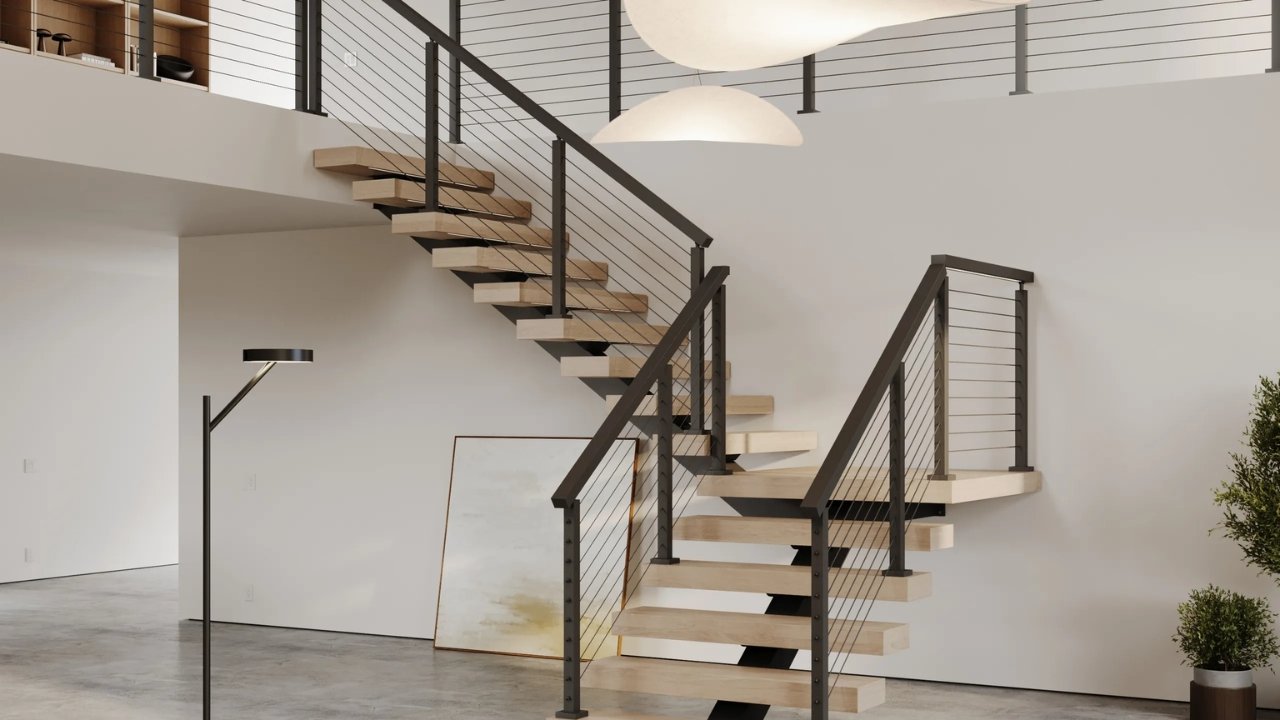
· Cable/Wire Railings
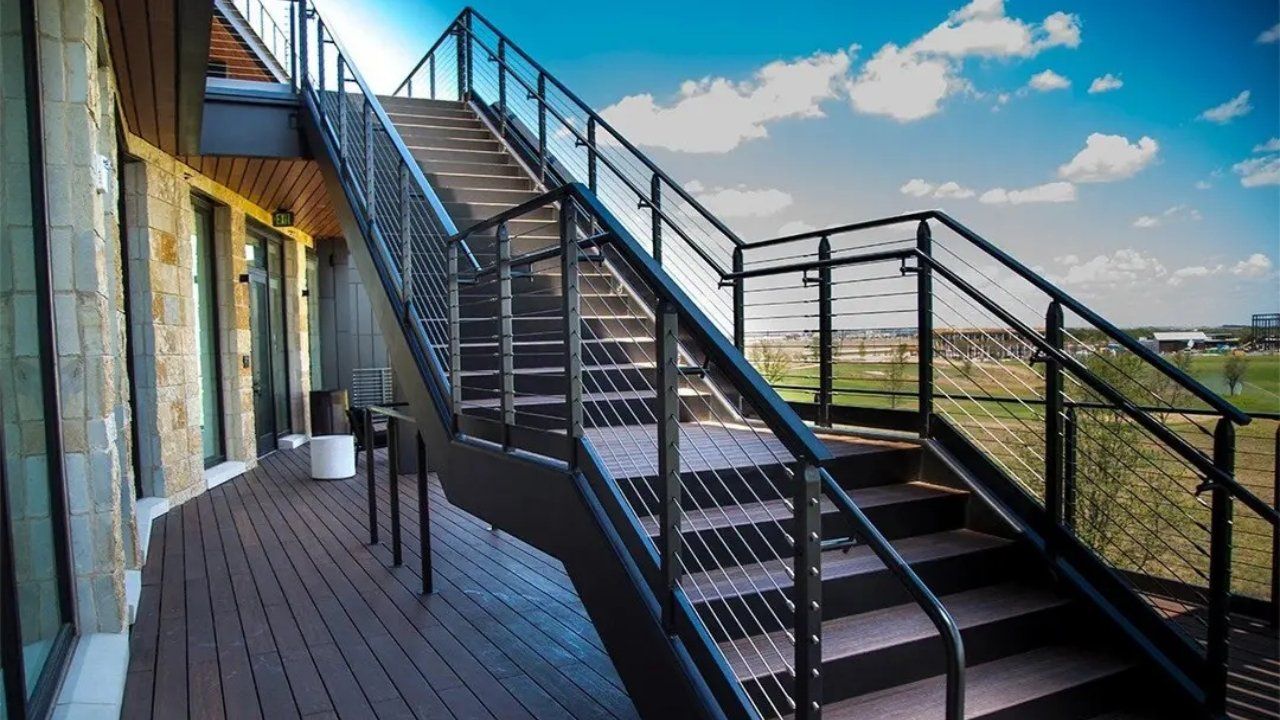
The cable railings are designed with tensioned stainless steel wire in order to produce a minimalistic appearance. They are visible and offer protection, which makes them popular in decks and modern interiors.
· Wood Railings
Wood railings have a warm, natural look. They fit well in traditional and rustic designs, but need frequent sealing or painting in order to ensure they are durable in the outside environment.
· Composite Railings
Composite railings are made of wood fibers and plastic polymers. They are more resistant to moisture, insects, and decay than natural wood, and have a similar aesthetic.
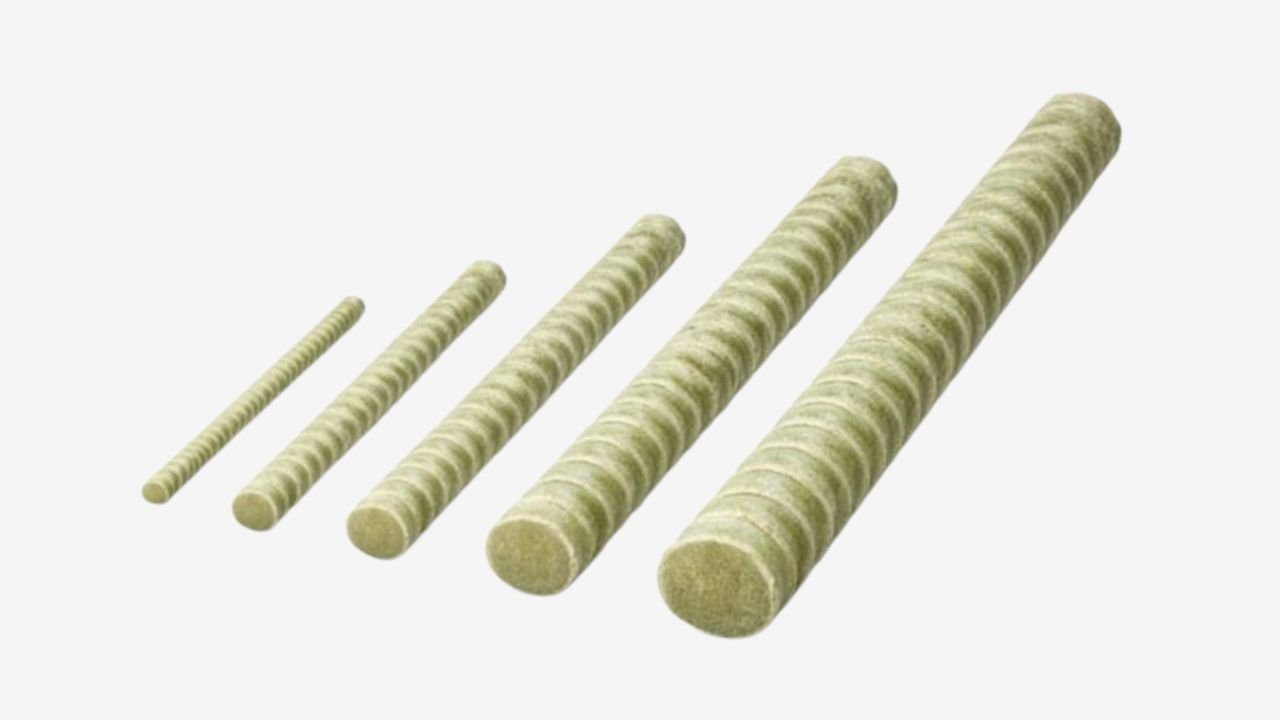
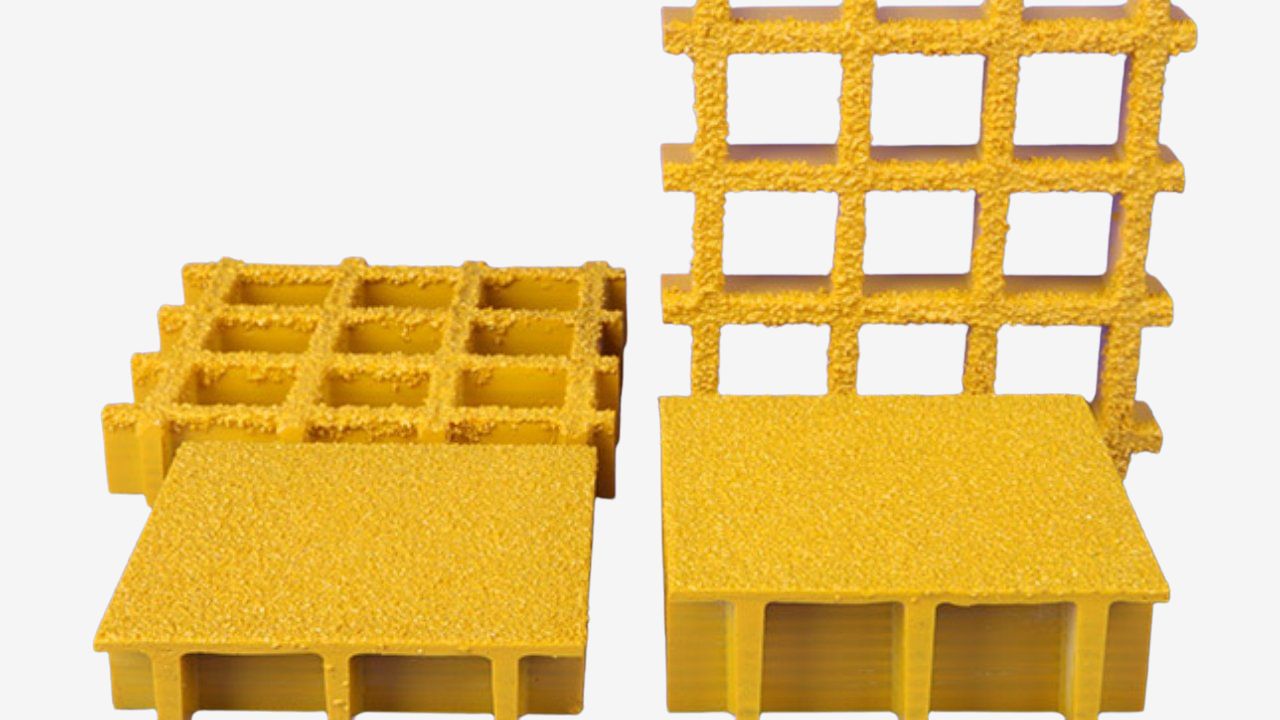
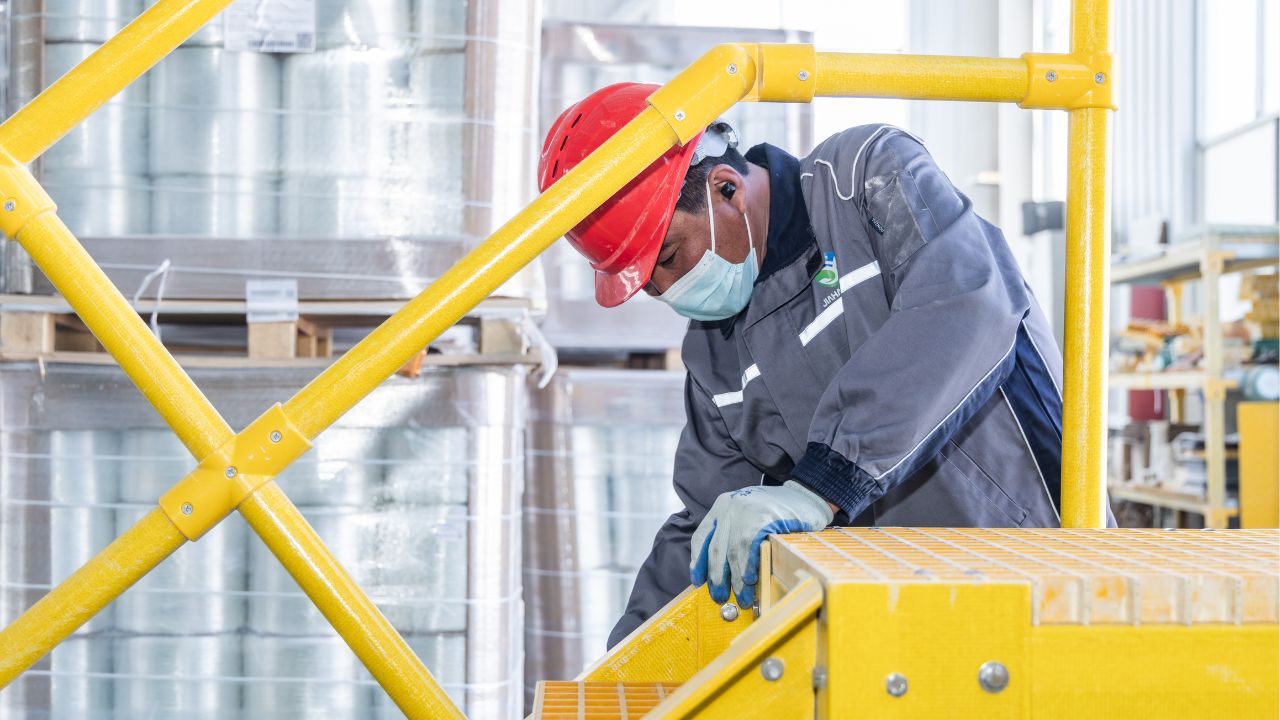
Recently, many contractors are choosing fiber-reinforced polymer as a perfect structural railing. Remember, this is not just a plastic material but a composite structure with superior properties.
Over the years, FRP railings are popular for their corrosion resistance, high strength-to-weight ratio, low maintenance and non-conductivity
A Quick Comparison Table: Common Railing Material Types
| Material | Cost | Aesthetics | Durability | Maintenance | safety | Typical Application |
| Stainless Steel | High | Modern / Sleek | Very High | Low | Excellent | Commercial, coastal buildings |
| Aluminum | Moderate | Contemporary | High | Very Low | Very Good | Residential balconies, decks |
| Glass | High | Minimalist / Luxury | High (tempered) | Moderate | Very Good | Offices, hotels, modern homes |
| Wrought Iron | Moderate-High | Classic / Ornamental | High | High | Excellent | Gates, staircases, balconies |
| Mild Steel | Moderate | Industrial | High | Moderate | Excellent | Factories, stairs, platforms |
| Cable/Wire | Moderate | Minimalist | High | Low | Very Good | Decks, terraces |
| Wood | Low-Moderate | Traditional / Rustic | Moderate | High | Good | Residential interiors |
| Composite (FRP) | Moderate | Contemporary | High | Low | Good | Outdoor decks |
Types of Railings (By System Design)
· Guardrails
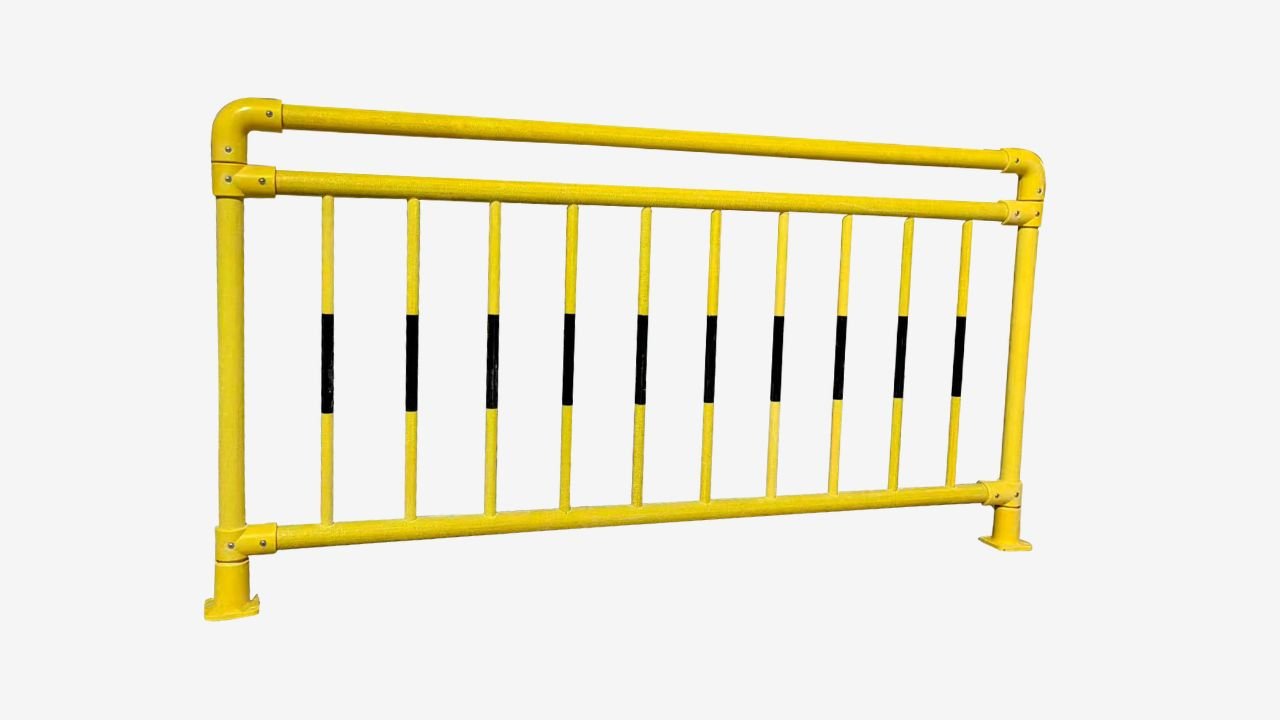
Guardrails are designed to guard open edges on elevated surfaces. You put them on balconies, rooftops, and mezzanines to avoid falls.
· Handrails
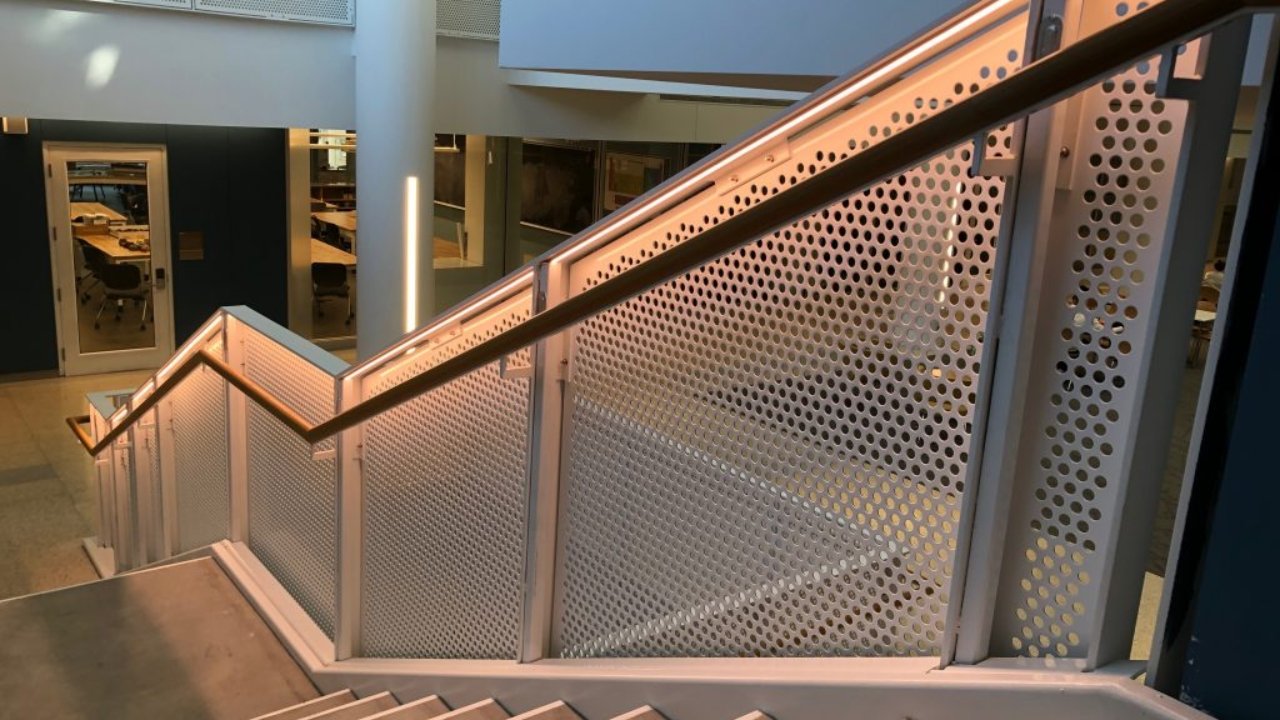
Handrails offer gripping support on the stairs and ramps. They make accessibility easier and help people with mobility problems.
· Balustrades
Balustrades are made of a row of vertical balusters that support a top rail. They are not only ornamental but are also structural.
· Frameless Glass Systems
Frameless glass systems remove the appearance of posts and frames. They produce a sleek, continuous look that is perfect for modern architecture.
· Post-and-Rail Systems
The post-and-rail system works with vertical posts connected by horizontal rails. They are structurally strong and adjust very well to different materials.
Popular Architectural Railing Styles
· Modern / Contemporary
This style focuses on clean lines, neutral finishes, and materials such as stainless steel and glass.
· Minimalist
Railings that are minimally made help to eliminate visual clutter. This look is usually characterized by cable and frameless glass systems.
· Industrial
Industrial railings have bare metal, dark shades, and plain geometry. The mild steel and black powder-coated systems suit well.
· Traditional / Classic
Traditional styles contain ornamental ironwork, elaborated balusters, and most patterns are symmetrical.
· Ornamental/Decorative
Ornamental Railings feature intricate designs, curves, and all other artistic elements within that concept.
· Coastal/Nautical
These styles place an emphasis on using materials that will not corrode when exposed to saltwater, such as Aluminum or Stainless Steel.
· Curvilinear
Curvilinear railings curve along the stairways and balconies creating an attractive architectural element.
Applications of Architectural Railings
· Residential Buildings
In residential buildings, you typically use Railings to provide a barrier between people and open-edge areas where they could fall (e.g., on Stairs, Balconies, Decks, Terraces, or Mezzanines). You also utilize them as elements of design that contribute to the appearance of the building (both outside and inside) while providing barriers for safety,
· Commercial Buildings
In Office Buildings, Shopping Malls, Hotels, Retail Centers, etc., you rely on Railings to maintain safe and orderly pedestrian movement and to secure open-edge areas. A well-designed Railing system combines durability with visual appeal to handle the significant foot traffic of people who will be utilizing the space, while still conveying a pleasant professional appearance.
· Industrial Facilities
You utilize Heavy Duty Guardrails & Handrails in factories, warehouses, and processing plants to protect workers from falling off of elevated work areas, equipment, or hazardous areas.
· Public Infrastructures
You design Railing Systems for Bridges, Walkways, Transportation Hubs, and Airports to ensure that they are strong enough to withstand regular use by the general public. Ensure that these installations meet the increased load requirements and long-term durability needs because of continual exposure and heavy traffic.
· Healthcare and Educational Institutions
Hospitals and schools often utilize railings to increase accessibility, provide safety for patients, and protect students.
Key Factors to Consider When Choosing the Right Architectural Railing
· Building Codes and Safety Standards
Before you buy a system, double-check local regulations to ensure you’re up to code with the minimum height, spacing of balusters, and load-bearing standards.
· Height and Load Considerations
Make sure that the railing meets support requirements for both specified vertical loads (weight-bearing) and specified horizontal loads (force-bearing). Public and commercial buildings need railings to support heavier loads than residential buildings due to increased foot traffic and concern for user safety.
· Indoor vs. Outdoor Use
Outdoor railings are exposed to a harsh environment, so it is important to select appropriate materials that will hold up to ultraviolet light, moisture, and wide temperature variations. Indoor railings generally have a greater emphasis on aesthetics and finish quality.
· Corrosion Resistance
Coastal areas and humid environments require corrosion-resistant materials; stainless steel, aluminum, and treated metals all do well in extremely harsh conditions compared to untreated steel or wood.
· Maintenance Requirements
If long-term maintenance is a concern, choose low-maintenance materials. Many materials need periodic sealing, repainting, or rust treatment, and this will significantly increase the total lifecycle cost over time.
· Cost Considerations
Consider balancing between the cost, durability, and design priorities for your project. Compare the price of the raw materials, installation costs, and long-term maintenance costs in order to evaluate the total lifecycle cost.
· Environment and Location
The climate, level of foot traffic, and usage of the site all affect the performance of railings. Higher levels of foot traffic in public spaces require railings that are constructed to withstand significantly greater levels of weight and impact compared to residential balconies or decorative interior railings.
· Design & Style Compatibility
Match the architectural style of the building to its railing. A railing that matches the architectural style will improve visual continuity and add to the overall architectural identity of a building.
Installation and Maintenance
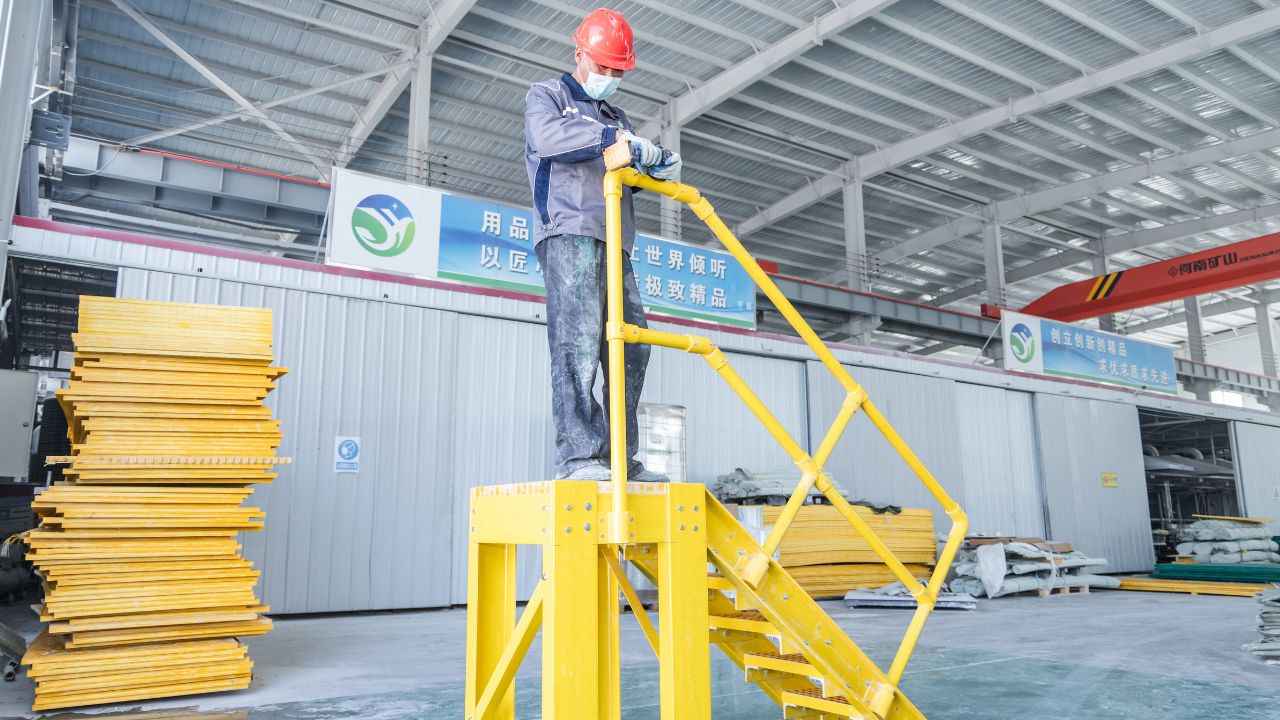
Correct installation of railings will provide the structural integrity and compliance with safety standards. Correct fastening, accurate alignment, and uniform spacing will assist in keeping the structure stable and prolonging the service life of the system. Regular inspections, cleaning, and applying protective coatings will also provide some measure of protection against corrosion caused by the elements, particularly outdoors.
FAQs
What is the most durable railing material?
Stainless steel provides the greatest durability, due to its superior corrosion resistance; this is especially in outdoor or coastal regions.
Which railing style suits modern architecture?
Generally, railings constructed from glass, stainless steel, or cable that have a clean-lined profile are considered to be the best match with contemporary architectural styles.
How high should architectural railings be?
According to local building code requirements, guardrails must have an approximate height of 36 to 42 inches, depending on the use and location of the building.
How long do railings last?
Life expectancy is dependent on the materials, as well as the environment in which the railings are located. Stainless steel and aluminum railings are estimated to last 30 to 50+ years, while wood railings have a life expectancy of 10 to 20 years, with an increased frequency of maintenance and replacement.
Partner with Primefrp
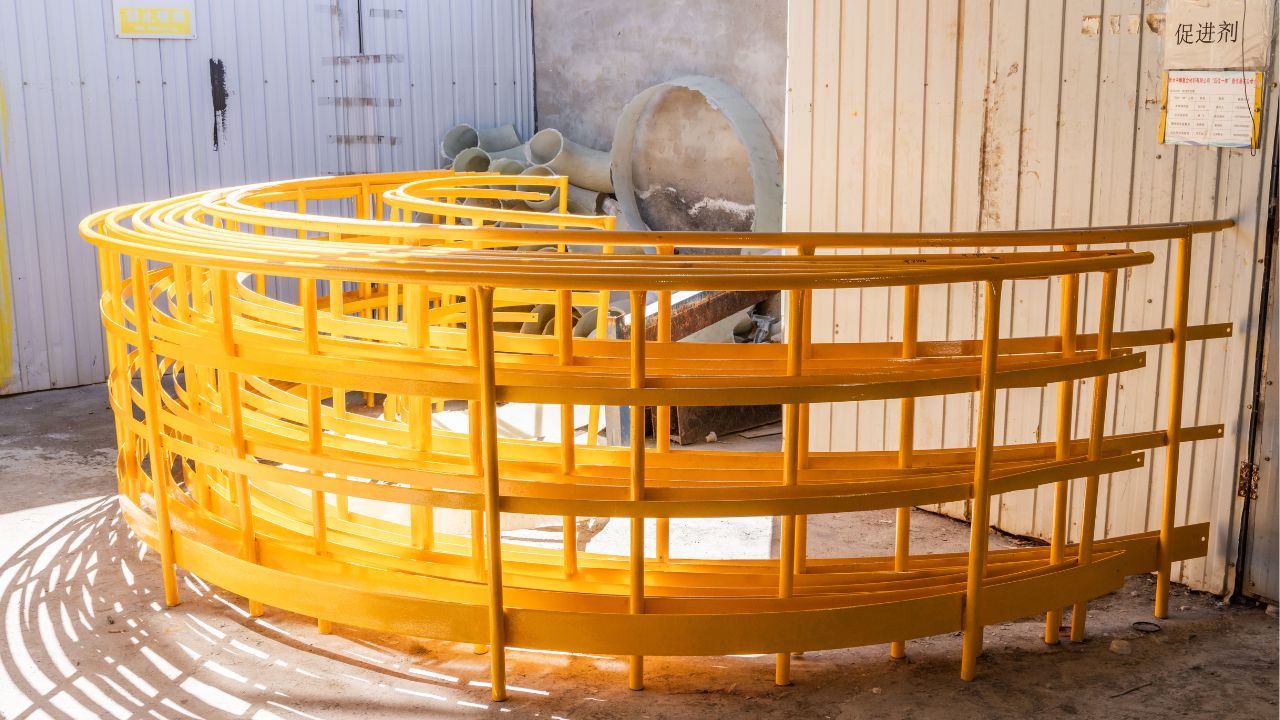
Primefrp is a trusted fiber reinforced polymer manufacturer in China. When you partner with Primefrp, we will customize your FRP railing solution to match your projects specific requirements. Even when you want FRP profiles, Primefrp is among the top professional manufacturers you can trust – Get a quote now.