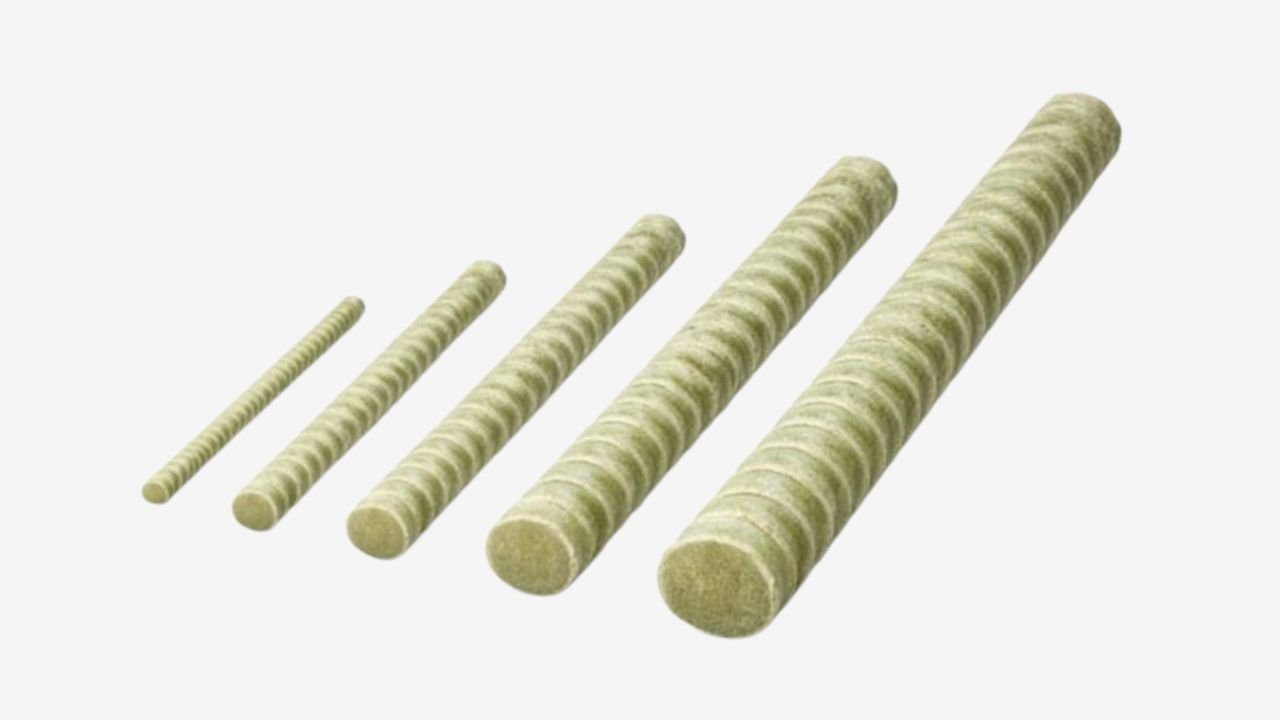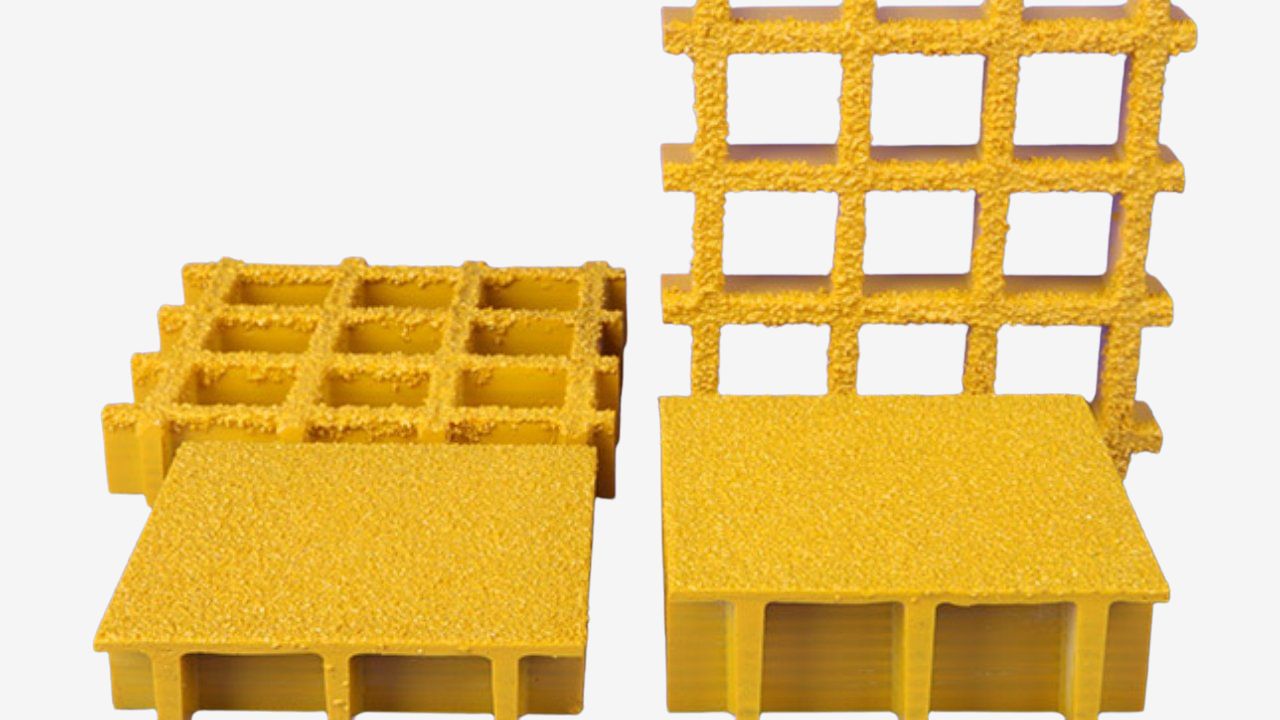
Fiber reinforced plastic (FRP) has moved from being a niche composite to a mainstream industrial material. Companies that adopt FRP strategically reduce maintenance cycles, downtime, and long-term replacement costs. Your factory can benefit from these advantages by incorporating FRP into a wide range of applications.
In this article, we discuss what FRP is and why it matters in the modern market
Understanding the FRP Market
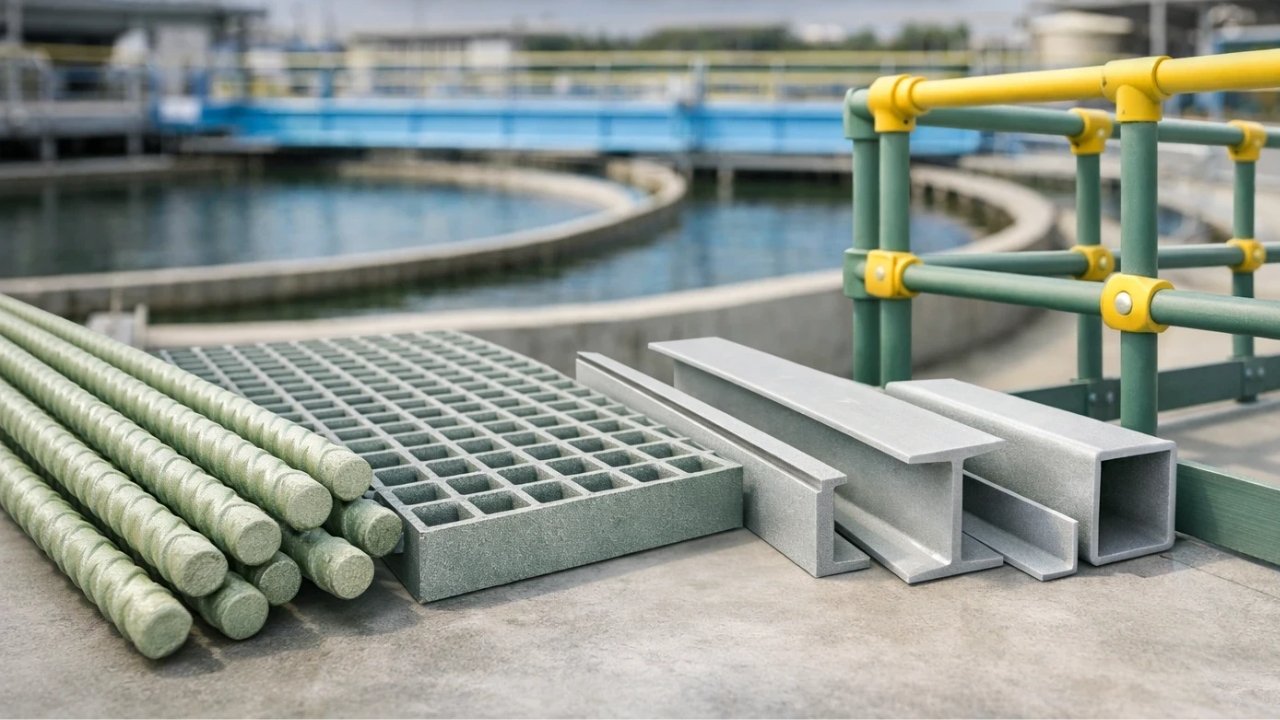
The fiber-reinforced plastic market is a worldwide materials infrastructure built around fiber-reinforced polymer materials in specific environments. The FRP market is brutally competitive and margin sensitive; you need a strategy to operate. First, you need to understand where real demand, defensible margins, and sustainable entry points actually exist.
· Size of the FRP Market
The entire FRP composite ecosystem is about $104.6 billion and forecast to hit $150 billion. However, the mid-range industry estimate is about $92.8 billion and projected to reach $150.7 billion by 2030, which is around 8.4%. Glass fiberglass dominates with about 85% market share. Annually, the global consumption of FRP exceeds 11–12 million metric tons.
· Demand and Supply of FRP
Global demand for FRP continues to grow steadily. The corrosion replacement cycle in high-demand environments is the strongest driver that is recurrent, making it reliable and long-term. The infrastructure has expanded, resulting in new markets that value durability and low maintenance. However, these buyers are also extremely price sensitive. If your cost structure is high, you will struggle.
· Expected Growth and Demand Beyond 2026
The market growth outlook global trajectory is estimated to over $150 billion and projected to $200 billion by 2031. This means the capacity is expanding globally, which will pressure commodity margins.
Many governments have preferred materials that reduce maintenance cycles and lifecycle costs, therefore pushing for the adoption of FRP for infrastructure rehabilitation. Beyond 2026, the FRP market will grow steadily as commodity segments get more crowded, increasing margin pressure. Corrosion critical infrastructure, engineering FRP systems, water and wastewater solutions are some of the companies that will outperform beyond 2026. If you strategize well in these areas, then making a profit is inevitable.
Common Uses of FRP
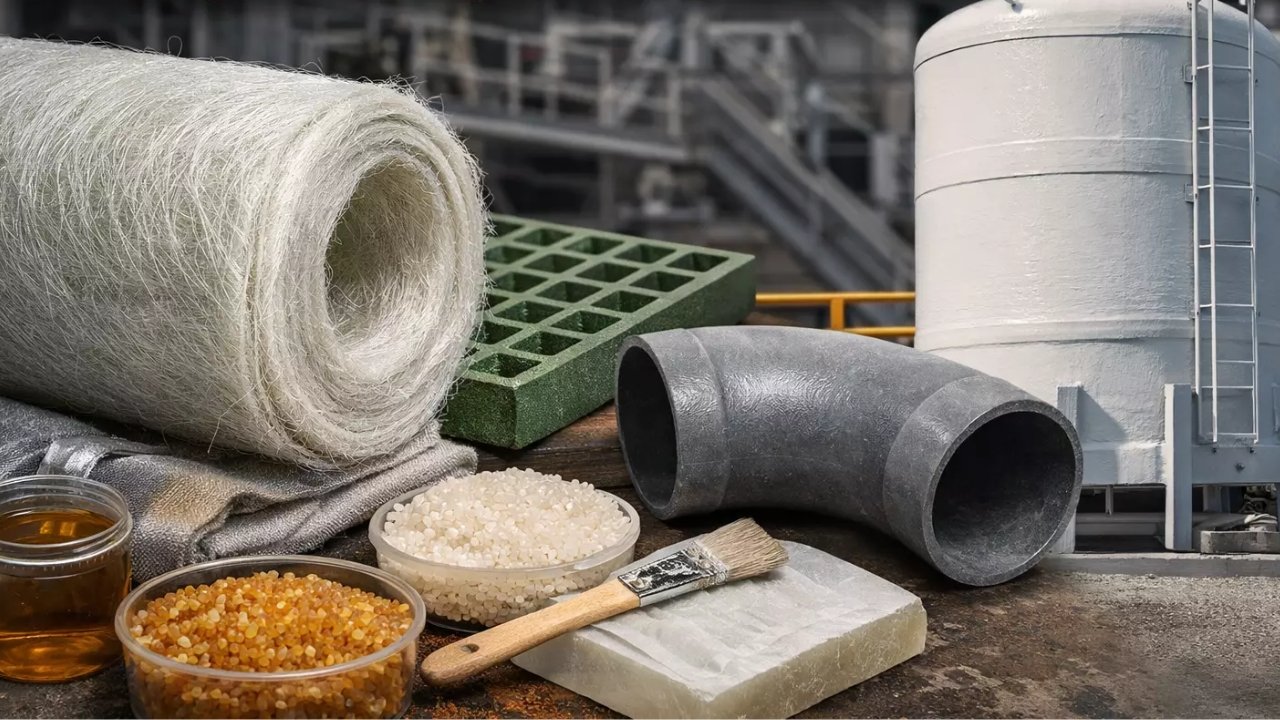
· Building and Construction
The materials used in construction are key to any structure’s success and longevity. FRP composites in particular, offer an optimal strength-to-weight ratio alongside superior durability, corrosion resistance and affordability.
They have a protective polymer reinforced with high-strength fiberglass that holds up to decades on wear and tear.
It is typically used in bridge decks, marine structures, parking structures, coastal buildings and in water tank treatments. Here, FRP’s lower modulus of elasticity, affects deflection behavior.
· Automotive Industry
In automotive industry weight reduction is the main driver, especially with electric vehicles where every kilogram matter for range. FRP combines polymer resin with reinforcing fibers that results to high strength-to-weight ratio and design flexibility.
FRP body panels are common in sports cars and premium vehicles because they are lightweight, have excellent corrosion resistance and allow complex shapes.
· Aerospace Industry
Weight reduction is key in aerospace. Every kilogram saved reduces lifetime fuel burn. FRP delivers a combination of corrosive resistance, fatigue resistance and an exceptional strength to weight ratio. Fiber reinforced polymer dominates primary structures like wing boxes, fuselage sections and wing skins and spars because of its fatigue durability and high stiffness.
· Defense Industry
Defense organizations use FRP because they are lighter and perform well in harsh conditions. In stealth and antenna systems, they give radar transparency. Defense industry, body panels, armor modules and mine resistant vehicles hull components are key. FRP here is essential because it can be molded to complex shapes.
FRP enables precision and weight reduction for dimensional stability, thermal resistance and electromagnetic transparency. This is important in missile casing, rocket motor housing, launch tubes, and drone structures.
· Marine Industry
FRP performs exceptionally well in saltwater environments. FRP vessels can have low magnetic signatures, which is crucial for many warfare ships. Because of its lightweight nature, vessels are made lighter hence can move at higher speeds reducing fuel consumption.
On decks, superstructures, and topsides, FRP is incorporated reducing weight high on the vessel improving stability, fuel efficiency and payload capacity.
In offshore platforms and marine infrastructure, FRP is increasingly used in grating and walkways, handrails and ladders, cable trays as well as splash protection zones.
· Pedestrian Bridge
In pedestrian bridges, deck panels are most common users of FRP. FRP made decks have better corrosion resistance over waterways and are lighter than concrete slabs. This means faster installation and low maintenance, making it cost effective.
· Oil & Gas
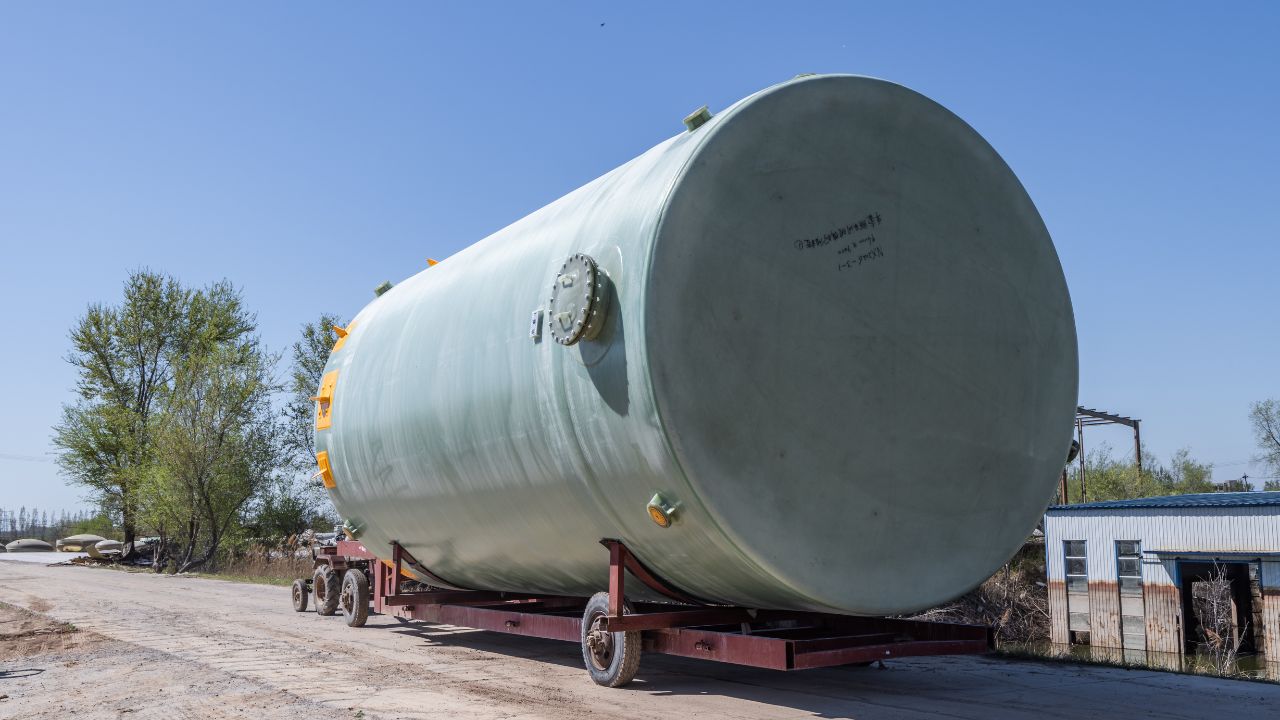
FRP piping is excellent for low to moderate pressure and temperature. In seawater injection lines, fire water systems, cooling waterlines, chemical transfer lines as well as offshore utility piping, FRP is the best material to use. This is because FRP is immune to internal corrosion, has a smoother internal surface that lowers friction losses and is lighter and easier to install.
You can use FRP in chemical storage tanks, produced water tanks, brine tanks as well as scrubber vessels. Using FRP tanks will serve you for long because they are corrosion resistant and have good chemical compatibility.
· Agricultural Industry
In agricultural industry, there is fertilizer and chemical exposure with constant moisture and manure environmental exposure. FRP” s character of being corrosion resistant and chemical resistant works just perfect.
Irrigation tanks, water tanks, pesticide tanks, brine storage as well as aquaculture tanks are best used incorporated with FRP. This is important because FRP tanks are resistant to aggressive chemicals and avoid rust contamination which results to long outdoor life.
· Water Management
FRP works in water management system with excellence because it does not allow internal rusting in pipes and has good hydraulic efficiency. In raw water transmission, seawater intake lines and desalination plant piping, FRP works best because of its good hydraulic efficiency.
For medium size tanks and industrial water systems, FRP wins because of its excellence in saline environments. In sewer pipes and wastewater infrastructure extreme corrosion is expected. FRP offers long term chemical resistance that reduces maintenance that cuts cost.
· Electrical and Electronics
FRP is extremely valuable in electrical systems because its an excellent electrical insulator. This makes it suitable for outdoor installations, chemically aggressive environments and high voltage infrastructure.
In cable management systems, FRP is widely used in power plants and industrial facilities in cable trays and cable ladders and trench covers. This is because FRP is a non-conductor of electricity and has high dielectric strength.
· Wind Energy
With wind turbines, the blades must be extremely light weight to be able to propel. FRP offers the lightweight effect and fatigue resistance over millions of cycles. These material delivers corrosion resistance offshore, design flexibility for aerodynamic shapes as well as good vibration damping.
· Specialized Applications
In medical equipment, it’s used in MRI environments because it is non-magnetic. It is also used in hospital bed components, prosthesis and orthosis and radiolucent imaging tables.
In mining and mineral processing, FRP is used in scrubber vessels, ducting systems as well as slurry pipes and wash down structures. Here it offers extreme corrosion resistance, lightweight installation and reduced maintenance downtime.
FAQs
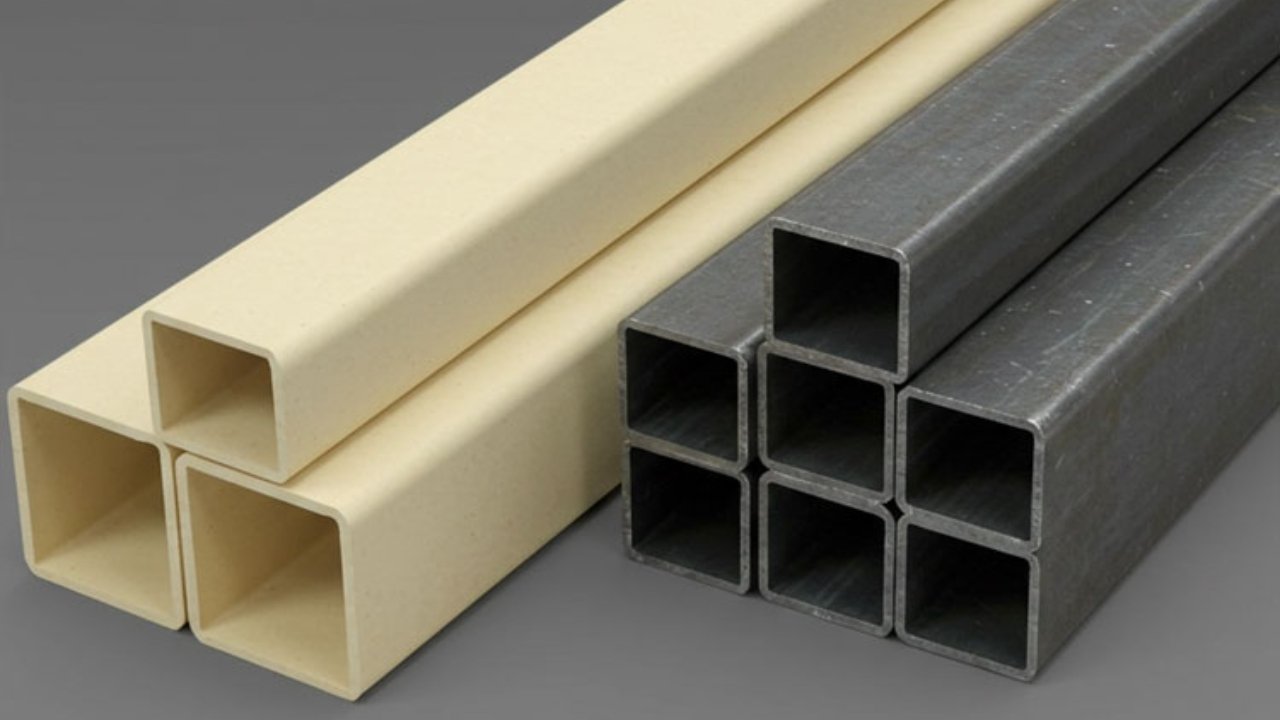
What are the main types of fiber reinforced polymer (FRP)?
There are many FRP options available in the market. Among the most common options include glass fiber reinforced polymer (GFRP), carbon fiber reinforced polymer (CFRP), aramid fiber reinforced polymer (AFRP) and basalt fiber reinforced polymer (BFRP).
How long does FRP last?
FRP can last 15–50 years depending on design, environment, and maintenance.
Is FRP a sustainable construction material?
Yes. FRP is suitable for construction material because it is durable, does not corrode and requires low maintenance.
What are the limitations FRP?
Although FRP is superior engineering material, it has some limitations some of which include:
- Most FRPs are thermosets therefore cannot be melted or reshaped
- They degrade under prolonged UV exposure without proper coating
- FRP deforms under long-term load
- It is strong in tension along fiber direction but weaker in compression or transverse directions
- FRP is quality sensitive since manufacturing defects can reduce strength by 30–50%.
Partner with Primefrp
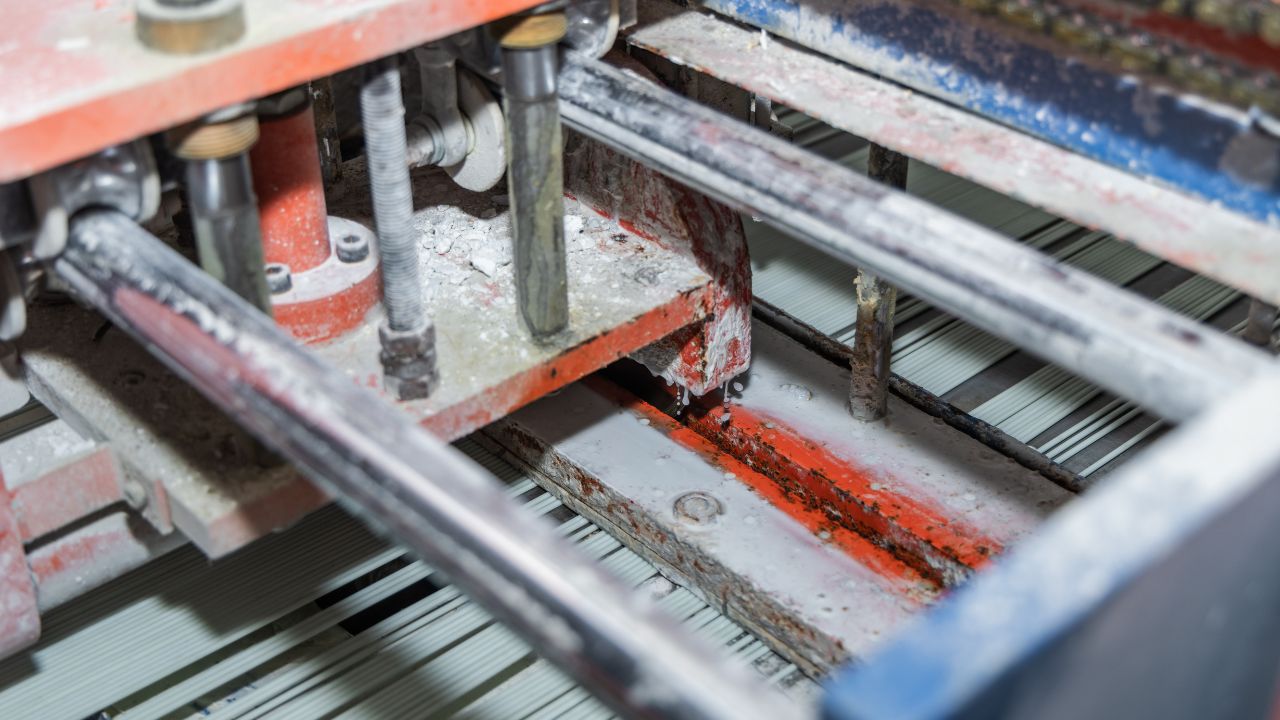
If you are looking for a trusted fiber reinforced polymer (FRP) profile and structural components manufacturer, then Primefrp is your trusted factory in China. At Primefrp offers a wide range of FRP products including grating, panels, sheets, and trench covers.
Partner with Primefrp today for all your custom FRP products – talk to our sales team now.