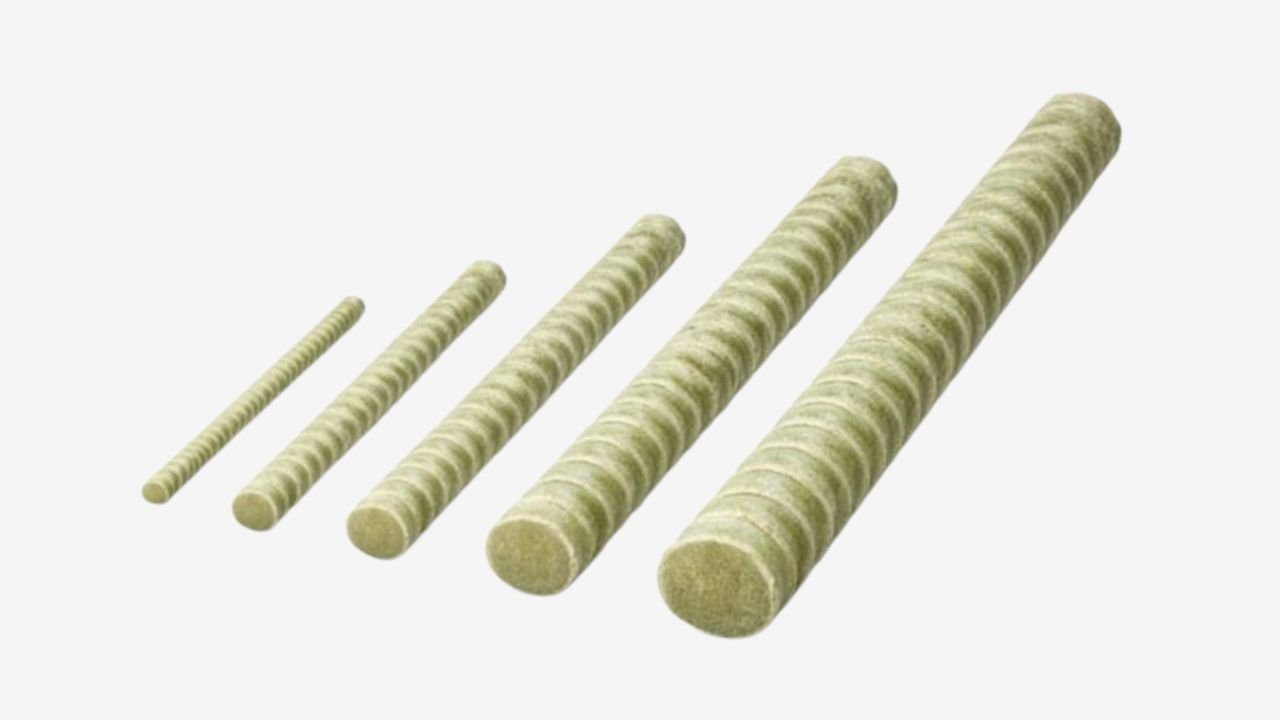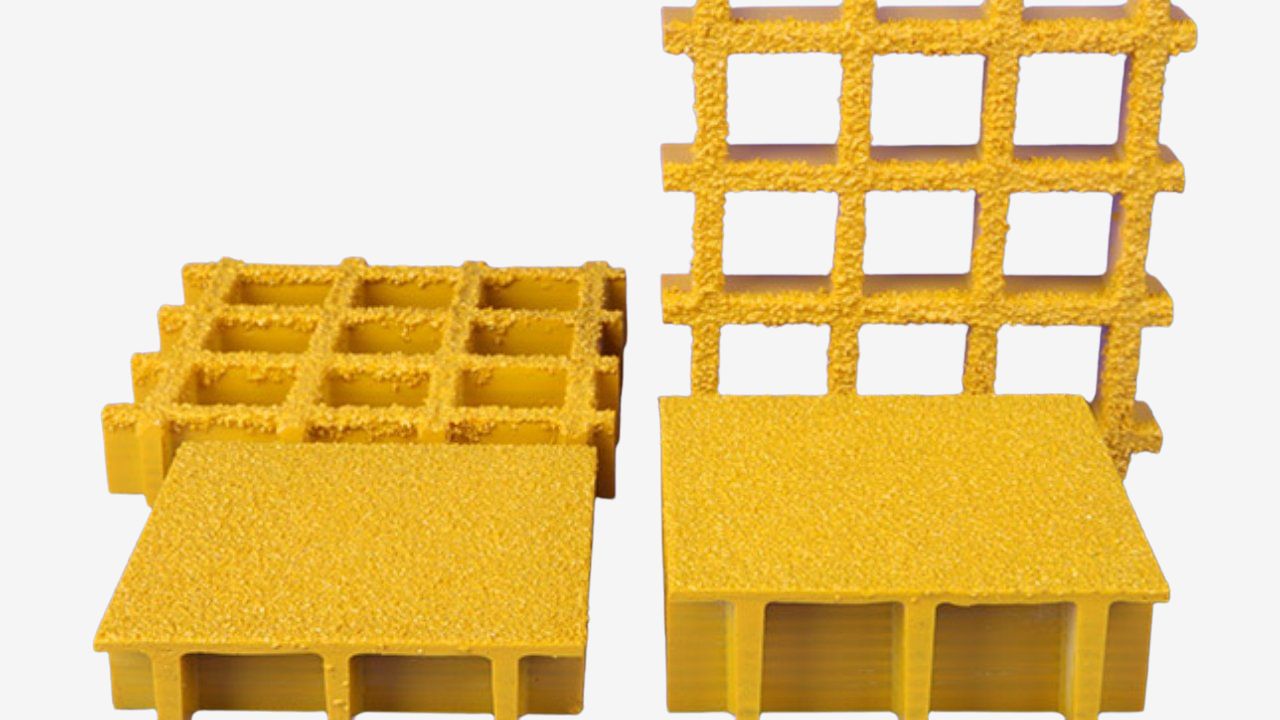
Among the key drivers that have contributed to the growth of fiber-reinforced plastic market to over $113 billion are factories shifting to sustainable structural solutions. From mining, marine, to construction, FRP remains a superior engineering material offering unique features and benefits.
In this article, we will explore some hidden facts about fiber-reinforced plastic material you must know before investing in this material.
What is FRP?
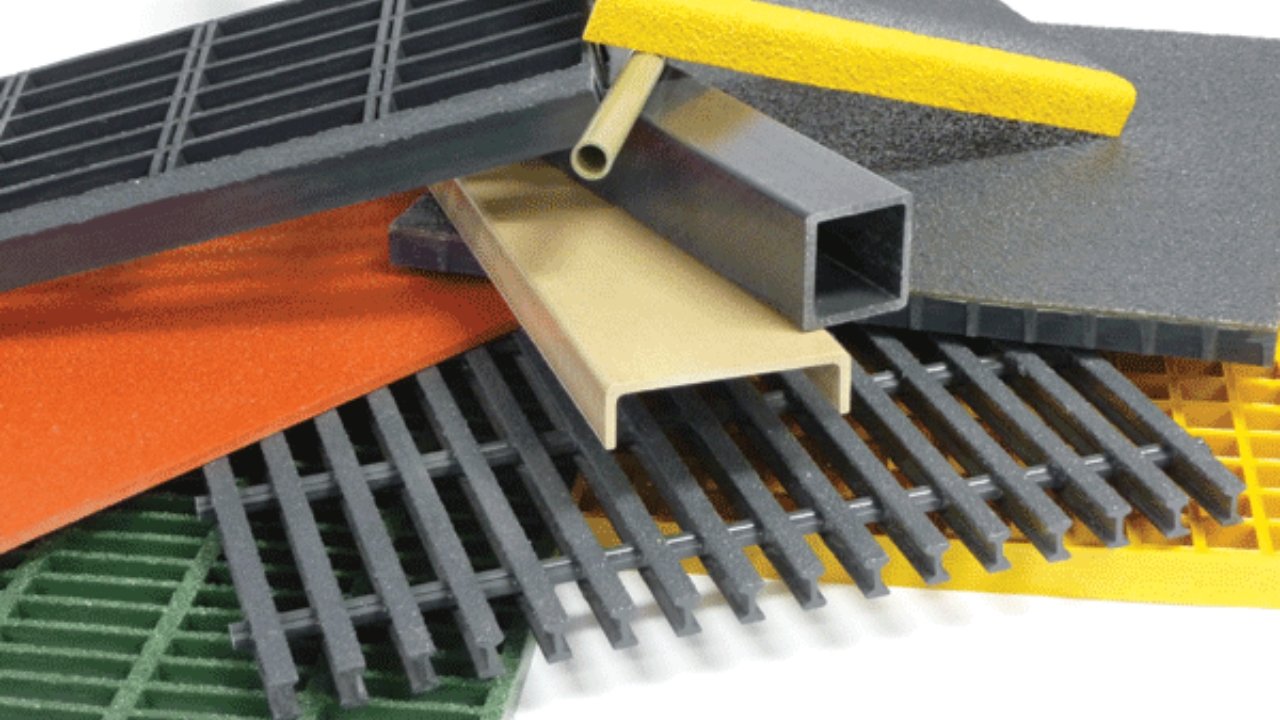
Fiber-reinforced plastic (FRP) refers to a composite material that is prepared by placing powerful reinforcing fibers in a polymer resin base. These fibers, which are usually glass, carbon, or aramid, bring about structural strength and stiffness. The resin holds the fibers together, allocates weight and prevents environmental degradation.
Key Properties Fiber-reinforced Plastic
· Large Strength-to-Weight Factor
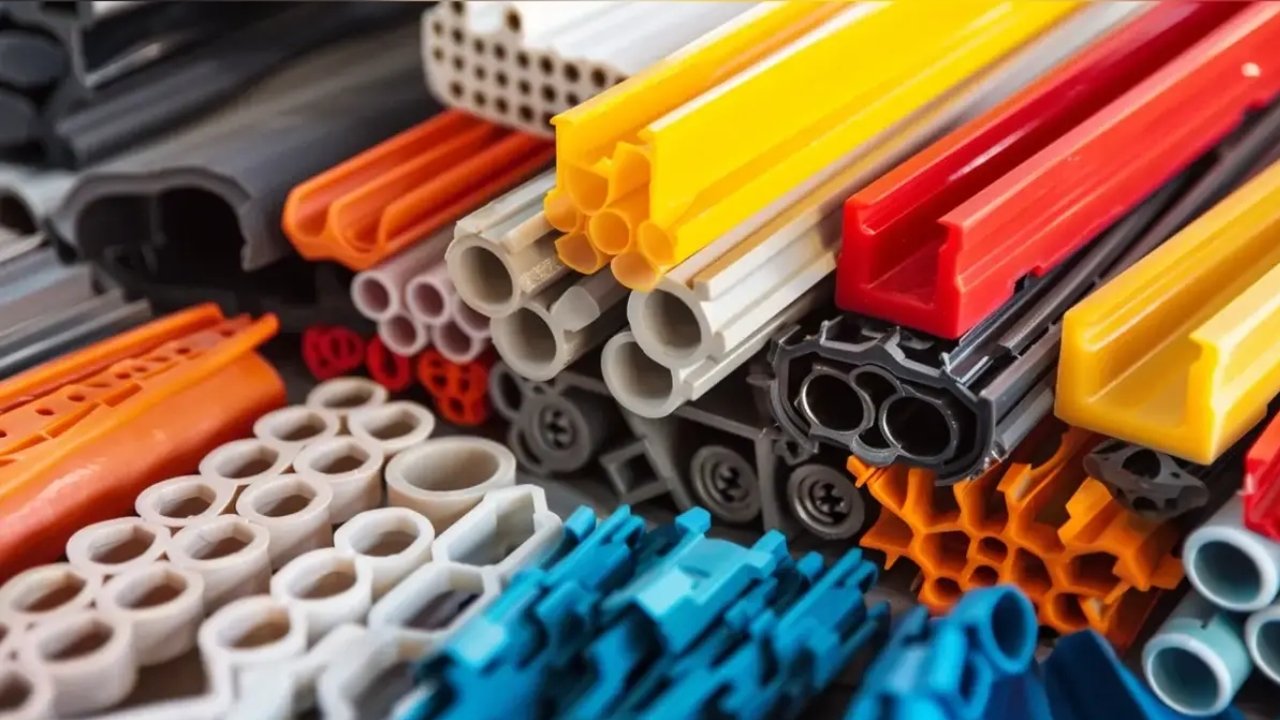
FRP offers an outstanding structural performance due to the fact that the reinforcing fibers bear heavy loads whereas the polymer is subjected to stress dispersion and shields the fibers. FRP components can support heavy loads without excessive mass as glass and carbon fibers have high tensile strength. FRP is frequently much lighter in weight than steel and can provide similar strength in most applications.
The lower weight makes transportation, handling and installation easier.
Additionally, lightweight structural materials reduce the foundation loads and minimize labor demands. Remember, the lower weight also reduces the total stress of the structure in elevated platforms, walkways, and offshore structures.
· Corrosion Resistance
FRP is resistant to corrosion since its polymer base is not susceptible to oxidation as steel or to electrochemical reactions with moisture and salt. Polyester, vinyl ester, and epoxy resin systems offer superior resistance to acids, alkalis, and industrial chemicals. In particular, vinyl ester resins are effective in extremely hostile chemical environments.
· Electrical and Thermal Insulation
FRP is known for non-conductive and low thermal conductivity. This makes it a perfect choice for your unique project applications.
· Non-Conductive Properties
FRP is not an electrical conductor under normal operating conditions. It does not conduct electricity like a steel or aluminum. This non-conductive action minimizes shock hazards at substations, power plants, and chemical plants.
For example, you will find FRP grating, cable trays, and structural supports where electrical safety is of utmost important.
Again, the dielectric strength of FRP varies with the formulation of resins and content of fibers. FRP components that are made properly will retain consistent insulation in humid environments.
· Low Thermal Conductivity
FRP also has low thermal conductivity in comparison to metals. It does not conduct heat quickly hence the hot or cold temperatures of surfaces are minimized. This property enhances the safety in the industrial environment where the high temperature equipment is used nearby.
Low thermal conductivity also restricts the formation of condensation in humid ambient, favors corrosion control and stability of the system. These thermal insulation properties make FRP applicable in the interior and exterior use where there is fluctuation of temperature.
· Lightweight Construction
Another property wherever you are choosing FRP material is weight. As earlier mentioned, the large strength to weight ratio is a critical aspect when handling the FRP material.
But how does this impact the overall your construction projects:
· Lower Transportation and Installation Cost
FRP structures are much lighter than similar steel structures. Reduced weight minimizes freight costs, eases the loading and offloading operations, and reduces the amount of fuel used in transportation. Lightweight materials during installation decrease crane demands and limit the intensity of labor.
· Easier Handling and Support Requirements
The lower weight of FRP reduce structural loading on supporting structures and foundations. Designers can also design lighter substructures, which further decreases material consumption and building cost. Lower dead load reduces pressure on main structural components in high rise platforms and offshore structures.
· Fire-Retardant Resin Systems
To improve the fire performance of FRP, manufacturers employ the fire resistant resin systems. These are usually modified polyester, vinyl ester, epoxy or phenolic resins that are formulated with flame-retarding additives like alumina trihydrate (ATH), or brominated.
- Resin made of fire-retardant polyester and vinyl ester helps slow down the spread of flames and enables the resin to extinguish itself once the source of the flame is removed.
- Phenolic resins offers high fire resistance and also generates lesser smoke and toxicity levels than the usual polyester systems. They are usually prescribed in offshore platforms, tunnels and transportation infrastructure.
- Systems based on epoxy can also be developed to perform better in fire, especially structural use where there is a need to have high strength and better thermal stability.
· Flame Spread and Smoke Ratings
Laboratory tests are the standardized measures of fire performance. FRP products are typically tested to ASTM E84 (Steiner Tunnel Test) in North America. This test determines:
- Flame Spread Index (FSI)
- Smoke Developed Index (SDI)
An average fire resistant FRP grating has:
- Flame Spread Index of 25 or less
- Smoke Developed Index of 450 and below.
These values categorize the material as Class A in building code-definition and the material is the most flammable.
· UV Resistance
Polymer surfaces without protection are gradually damaged by ultraviolet radiation (UV) radiated by the sun. Excessive exposure may lead to surface chalking, discoloration, and slight fiber exposure. To overcome this effect, manufacturers add UV stabilizers directly to the resin formulation.
A synthetic surface veil or resin-rich outer layer is also incorporated in many FRP products. This coating protects structural fibers against UV rays and surface fiber bloom with time. UV inhibitors are often used in vinyl ester and polyester systems, used outdoors.
· Moisture Resistance
FRP is much more resistant to moisture uptake than wood and is resistant to rusting like steel. The thermoset resin matrix creates a continuous barrier that prevents water infiltration. Vinyl ester resins are especially water and chemical intrusion resistant and can be used in marine and submerged applications.
· Temperature Tolerance
Typical, standard polyester and vinyl ester systems can be run at continuous temperatures ranging between -40°C and 100°C (-40°F to 212°F), depending on resin formulation. FRP has low thermal conductivity as compared to metals, which promotes quick transfer of heat.
It is important that all your FRP components for different construction materials comply with ACI CODE, ASCE 74-23, ASTM D7957 / D8505, and ISO 18319-1:2026, among other standards.
FRP components could be subject to classification society regulations and fire testing protocols that are consistent with international safety standards. Authorities usually indicate the presence of strict flame spread limits and smoke emission thresholds in public infrastructure projects.
Compliance needs include third-party lab testing, documentation of resin formulation, and continuous quality control to maintain a consistent performance. To prove compliance with the relevant requirements, manufacturers usually supply certified test reports.
FRP Manufacturing Methods
· Pultrusion
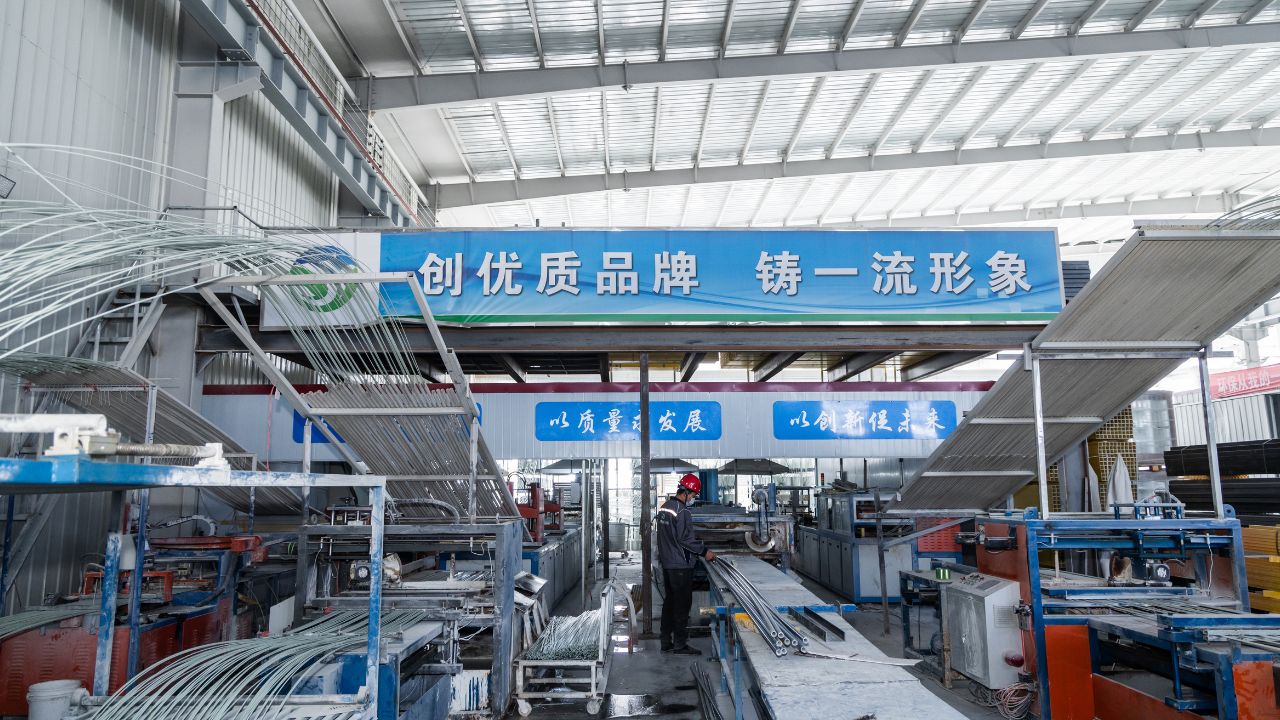
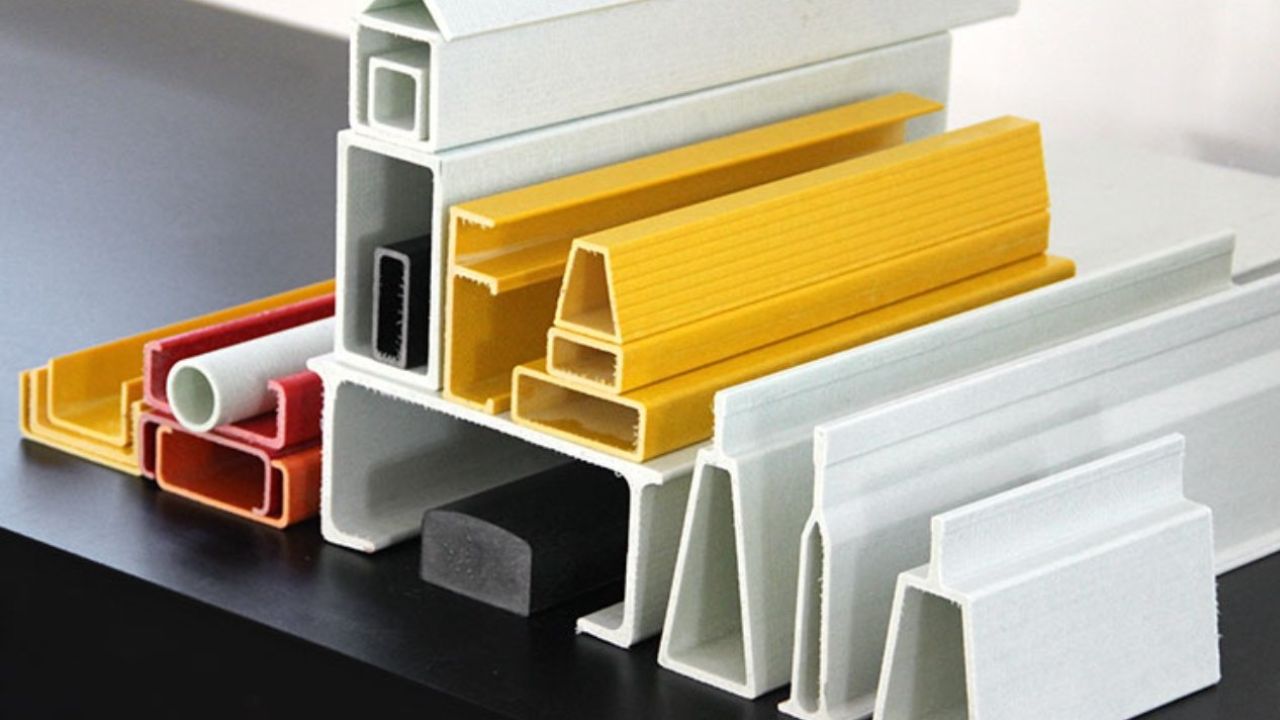
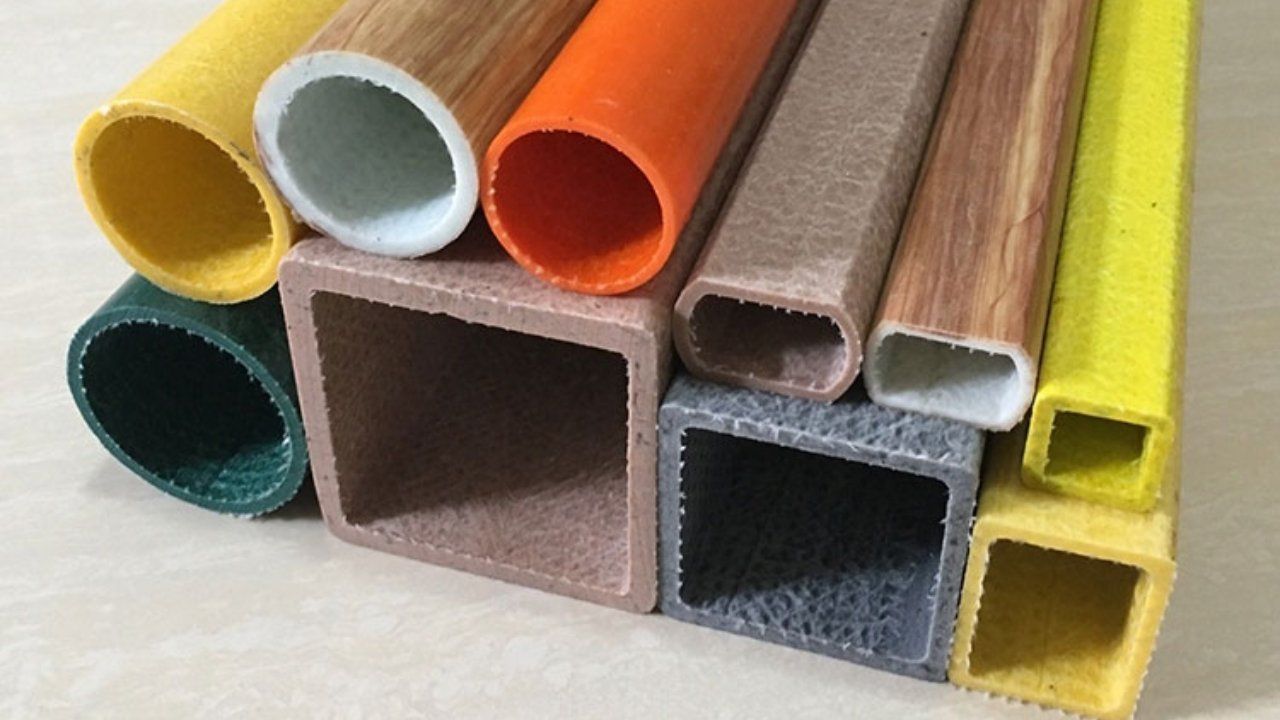
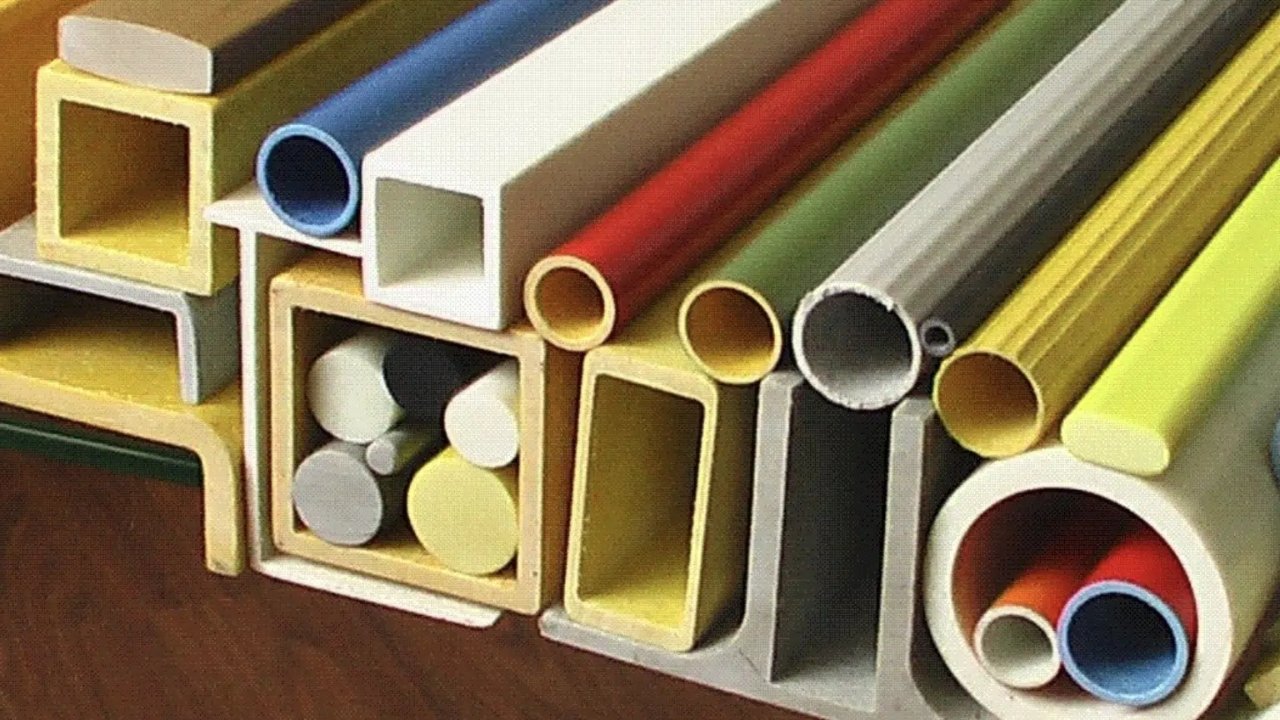
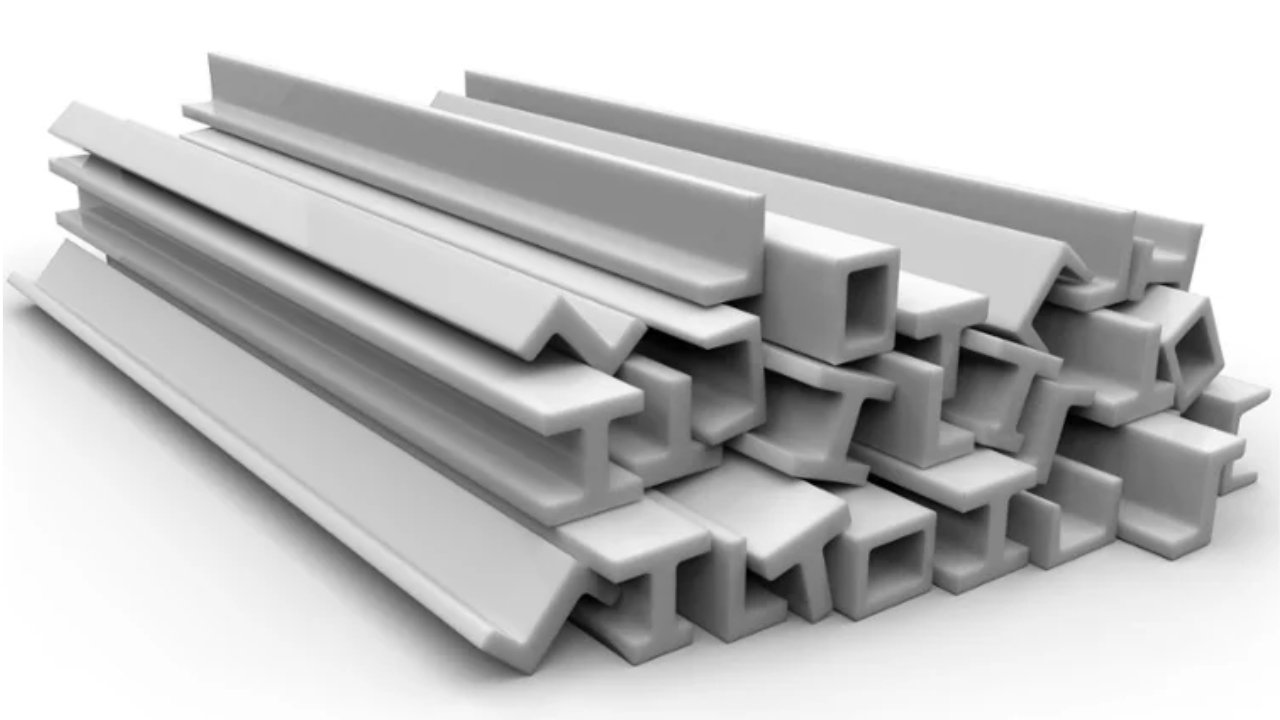
Pultrusion is a continuous process that creates constant cross-section forms of beams, channels, tubes and grating bearing bars. You can achieve this by pulling continuous strands of glass or carbon fiber rovings through a resin bath so that they are thoroughly impregnated. The saturated fibers are then subjected to a heated steel die, which shapes and cures the composite into a rigid structural profile.
Pultrusion places the fibers mainly longitudinally. The orientation gives high tensile and flexural strength along the profile length. The scheme provides a high level of dimensional precision, uniform quality, and high load carrying capacity in the primary axis.
· Molding
Molding produces the complicated forms and the two-way structural sheets. In open-mold processes, the technicians insert continuous strand mat or woven fiberglass inside a mold and apply resin on the strand. The composite is cured in the mold cavity, creating a solid, monolithic structure.
Compression molding involves pressurizing and heating matched metal molds to generate high-volume components consistently. Molded FRP tends to have more resin than pultruded products, resulting in increased corrosion protection and impact absorption. The woven reinforcement design shares load in many directions.
· Filament Winding
The cylindrical or tubular structure of pipes, tanks, and pressure vessels are created through the filament winding. It involves wrapping resin-impregnated fibers continuously around a rotating mandrel in regulated designs. The angles of the fibers may be manipulated to maximize hoop strength, axial strength, or a combination of the two.
This technique gives very high structural efficiency, especially in pressure containment systems. Once cured, the mandrel is cast off, and a lightweight but robust composite structure remains. The FRP products of a filament winding are usually used in chemical storage tanks, water transmission systems, and industrial piping networks.
Advantages of FRP
· Long Service Life
FRP offers a long service life in corrosive, humid and chemically aggressive conditions. It is not subjected to rust or electrochemical corrosion as it is in the case of steel. Correctly chosen resin systems are resistant to decades of exposure to acids, alkalis, and salt.
· Low Maintenance
The maintenance of FRP is minimal in comparison with metal structures. It does not require regular painting to avoid rust, and it is not pitted, scaled, or attacked by chemicals.
· Design Flexibility
The properties of FRP can be customized by controlling fiber orientation, resin formulation, and reinforcement density by manufacturers. This gives flexibility to engineers in optimizing strength, stiffness, fire performance or corrosion resistance depending on the project requirements.
· Chemical and Corrosion Resistance
FRP works very well in conditions where steel and aluminum deteriorate quickly. Vinyl ester and epoxy resin systems are highly resistant against acids, solvents, and saltwater effects.
Limitations of FRP
· Increased Upfront Material Cost
The initial cost of FRP is typically much more expensive than that of carbon steel. Custom manufacturing processes, fire-retardant additives, and specialized resin systems add costs to production.
· Lower Stiffness Compared to Steel
Although it is very strong, it can bend away under load unless designed correctly. Deflection criteria need to be considered by engineers in structural design, which may necessitate increased thickness or distance between supports.
· UV Sensitivity No Additives
FRP surfaces are susceptible to corrosion in the long term when not covered. There might be surface chalking and discoloration unless manufacturers add UV stabilizers or protective surface veils.
· Repair Considerations
FRP repair involves specialized materials and procedures. FRP repairs are normally achieved through resin bonding, patching or replacement of sections unlike steel that can be welded on site.
FRP vs. Traditional Materials
| Property / Criteria | FRP (Fiber-Reinforced Plastic) | Carbon Steel | Stainless Steel | Aluminum | Wood |
| Weight | Very lightweight; high strength-to-weight ratio | Heavy | Heavy | Lightweight | Lightweight to moderate |
| Strength | High tensile strength; moderate stiffness | Very high strength and stiffness | High strength | Moderate strength | Moderate strength |
| Corrosion Resistance | Excellent; does not rust | Poor without coating; rusts easily | Very good; may pit in chlorides | Good; forms oxide layer | Poor in wet environments; prone to rot |
| Electrical Conductivity | Non-conductive | Conductive | Conductive | Conductive | Non-conductive (dry conditions) |
| Thermal Conductivity | Low | High | High | High | Low |
| Fire Performance | Fire-retardant grades available | Non-combustible | Non-combustible | Non-combustible | Combustible |
| UV Resistance | Requires UV stabilizers | Not UV-sensitive | Not UV-sensitive | Not UV-sensitive | Degrades without protection |
| Installation | Easy handling; reduced lifting equipment | Heavy equipment required | Heavy equipment required | Moderate handling | Easy handling |
| Typical Service Life | 20–50+ years (proper design) | Variable; depends on protection | Long in controlled environments | Moderate to long | Shorter in wet or harsh conditions |
FAQs
What does FRP stand for?
FRP is an acronym that refers to Fiber-Reinforced Plastic. It is a compounded material comprised of reinforcing fibers, usually glass, carbon, or aramid, and a polymer resin that is used to produce a strong, lightweight and corrosion-resistant compound.
Is FRP stronger than steel?
FRP has a high strength-to-weight ratio, which is why it can match tensile strength with much less weight. But steel is generally stiffer and more compressive.
Does FRP rust or corrode?
FRP does not rust since it is made of zero iron. It is also resistant to chemical corrosion when produced using the right resin systems like the vinyl ester or the epoxy.
Is FRP fire resistant?
FRP may have fire-resistant advantage when it is produced using special resin systems and flame-inhibitory additives.
How long does FRP last?
Well-designed and installed FRP constructions typically have a life of 20 to 50 years or longer, depending upon the circumstances of environmental exposure and loads.
Partner with Primefrp
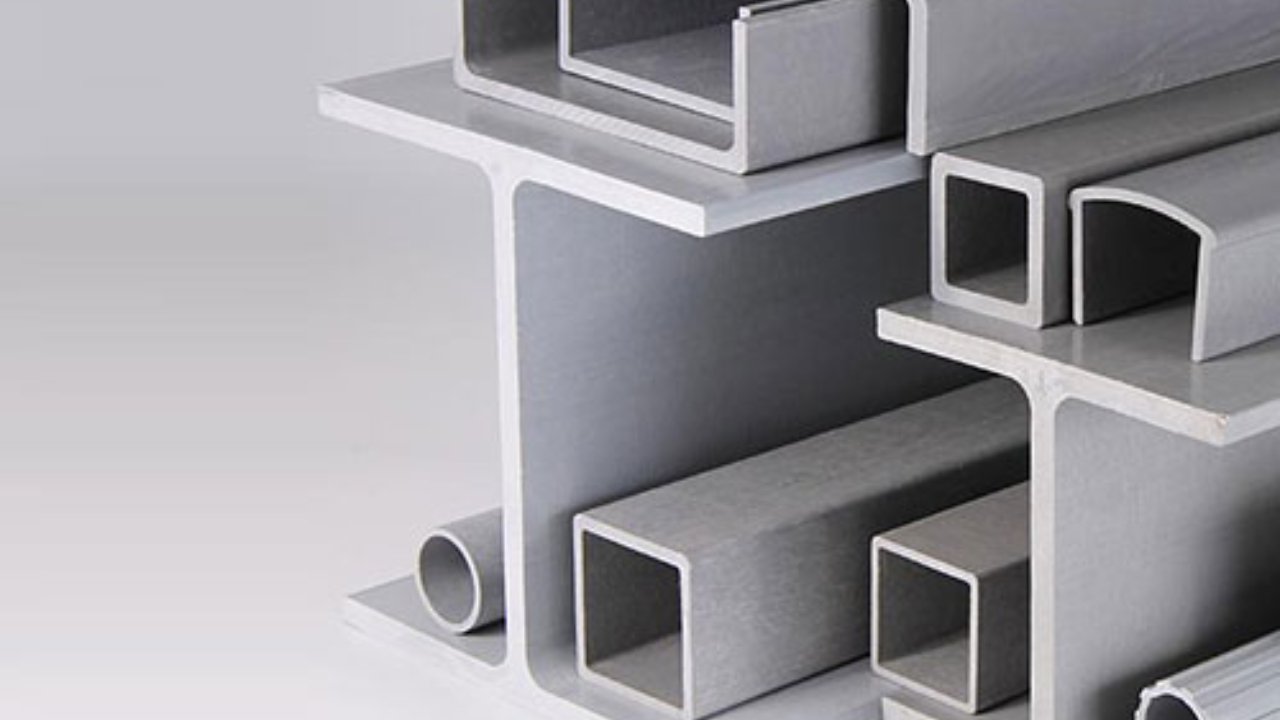
Primefrp is a leading fiber reinforced polymer manufacturer in China. We design and manufacture different FRP profiles and structures to match your unique project needs.
At Primefrp, you can get a wide range of products including FRP mesh grating, FRP covered grating, heavy duty FRP grating, anti-slip grating, pultruded FRP grating, and molded fiberglass grating, among others. Tell us more about your project needs and we will customize FRP to match your project requirements – contact our sales team now.