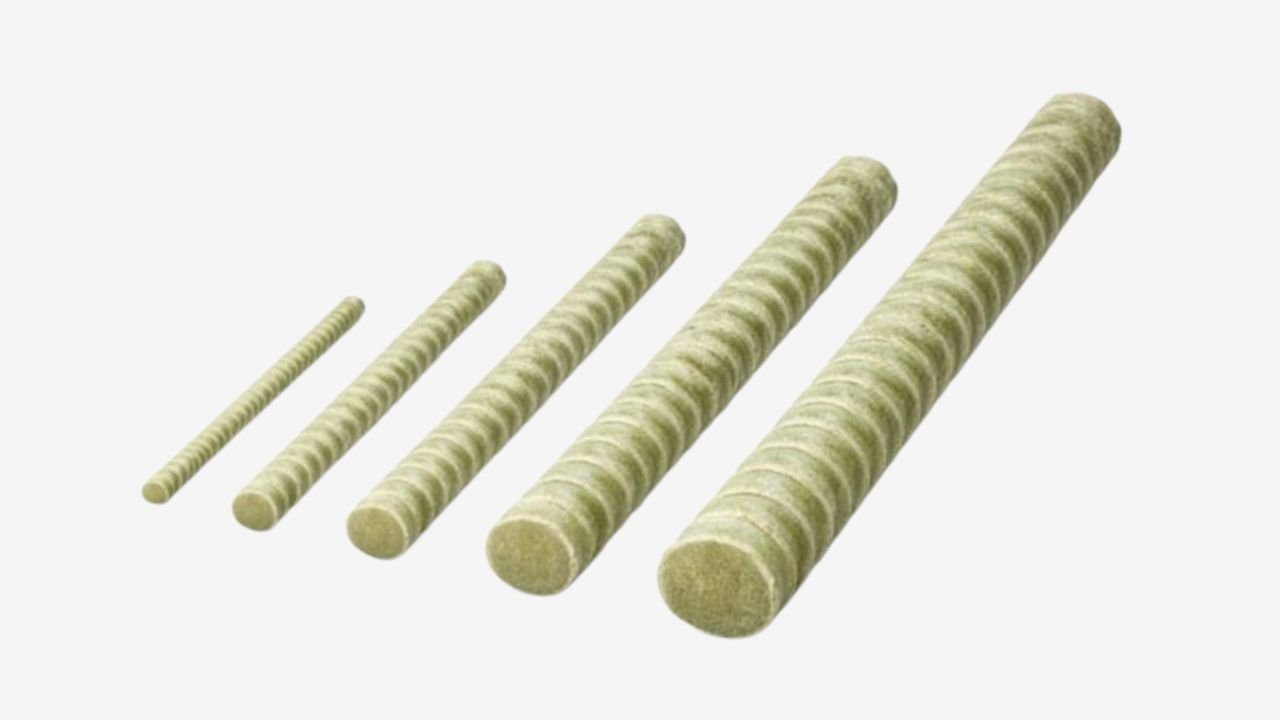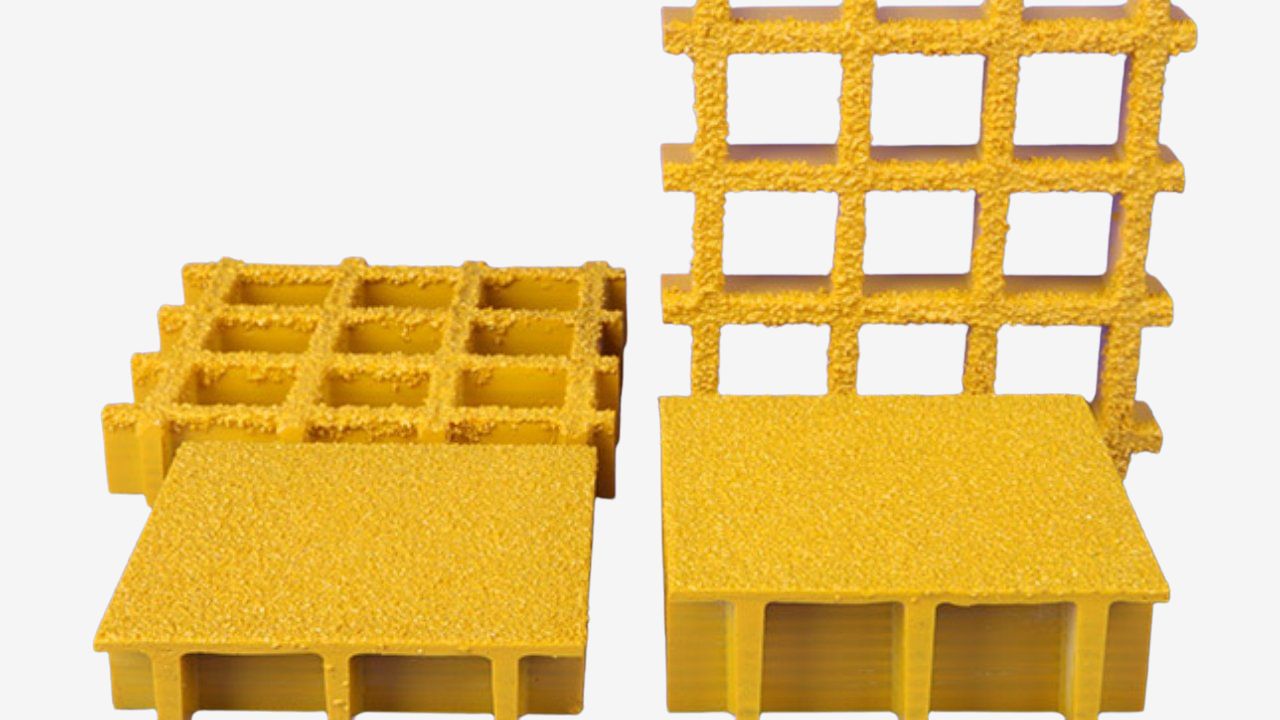
For manufacturers, contractors, and suppliers, understanding the correct FRP cutting techniques, tooling strategies, and safety controls are critical operational necessity.
Usually, FRP cutting precision in shops translates to higher throughput, reduced rework, extend tool life. Additionally, they will ensure your staff is not subjected to health risks due to composite material exposure.
This article outlines the key techniques for cutting FRP, from the recommended safety, tool selection to cutting processes.
Why Cutting FRP Requires Attention
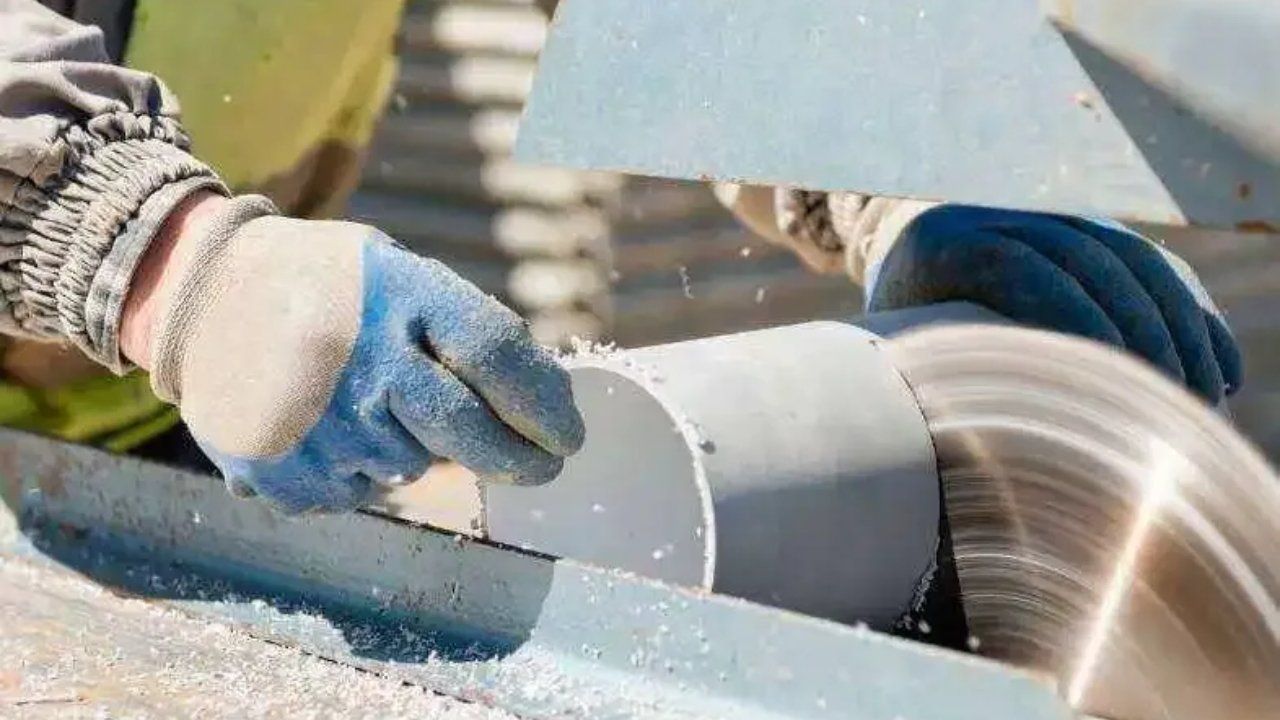
Cutting FRP requires utmost attention because it is a precision process that directly affects your FRP product quality, worker safety, and operational cost.
During FRP cutting, its resin and fibers respond differently to heat and mechanical stress. This means that poor cutting techniques can cause delamination and microcracking that may weaken performance in load-bearing applications.
Therefore, cutting FRP demands focused attention because it sits at the intersection of material science, production efficiency, and occupational safety.
Safety Precautions when Cutting FRP
· Personal Safety Equipment
· Skin Protection
During cutting, drilling, or grinding, FRP releases microscopic fibers and resin dust that become airborne and can settle on exposed skin and clothing. When you get exposed to overtime, it can lead to dermatitis, persistent itching, and lost productivity. Equip your workers with disposable coveralls which are strongly preferred for heavy cutting because they prevent fibers from lodging in everyday clothing.
Use cut-resistant gloves for your trimming operations and nitrile-coated gloves for general handling. When your skin gets exposed, use cool or lukewarm water with mild soap and avoid aggressive scrubbing.
· Eye Protection
FRP cutting produces high-velocity chips and fine airborne fibers that can injure the eye instantly. This exposure can lead to corneal scratches, embedded fibers, infection risk, and loss of your work time.
For heavy dust environments, you will need sealed safety googles and safety glasses with side shields for light cutting. If your process requires grinding, include a face shield. In your cutting area, make sure that you have an accessible eyewash station and train your workers not to rub contaminated eyes.
· Respiratory Protection
Cutting, grinding, routing, or sanding FRP generates respirable dust particles that are small enough to reach deep into the lungs. This most likely will create chronic health complaints. Therefore, incorporate local exhaust ventilation in your cutting station. Your tool should also be mounted with dust extraction. For light cuttings, use N95 masks and N99 for heavy dust environments.
Workspace Safety
· Combustible Dust Risk
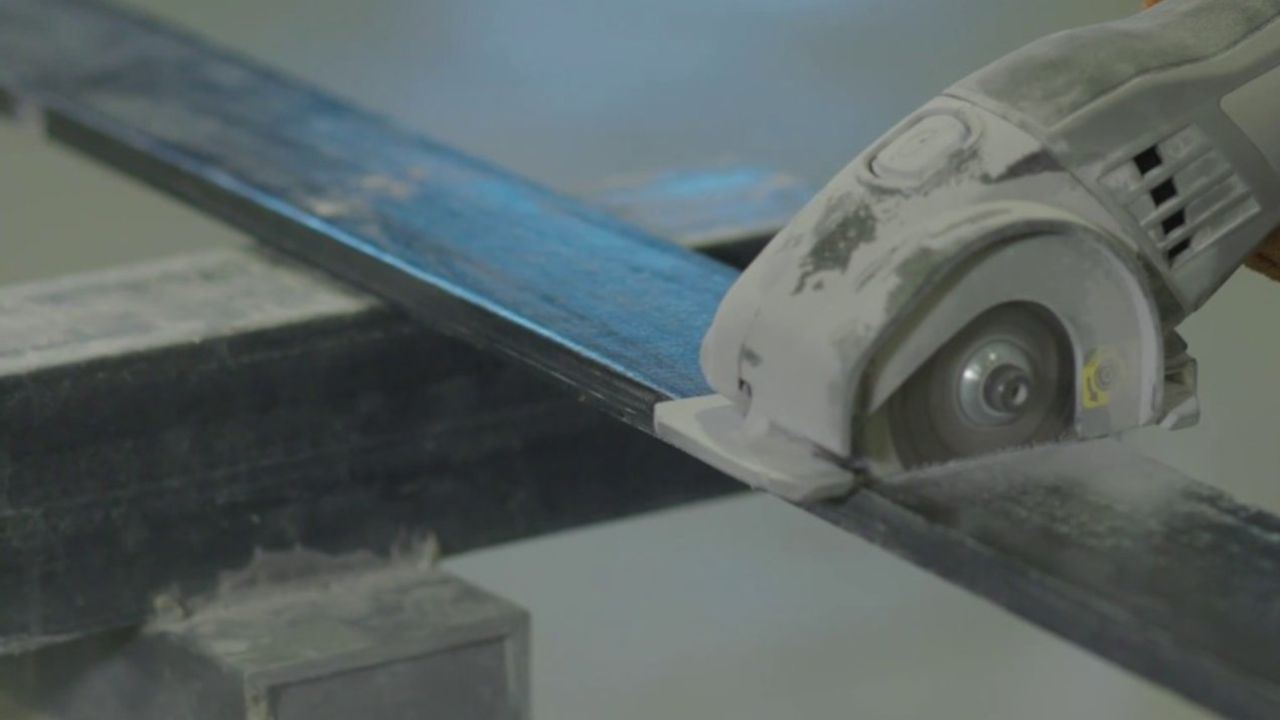
During cutting, routing, or grinding, FRP generates very fine particles. You are at high risk if your fabrication shop has carbon fiber composites, dust accumulation in an enclosed space, or poor hygiene practices. Watch out for visible dust layers on beams, ducts, or equipment, or sparking cutting operations near dust clouds and stagnant cutting areas.
Have effective local exhaust ventilation with properly sized dust collection systems in place. Also have anti-static ducting and grounded equipment to prevent dust from accumulating and becoming airborne, especially in hazardous concentrations.
Always do A proper risk assessment and train your workers on dust accumulation hazards and report ventilation failures immediately. Also, they create awareness among themselves on understanding why spark control matters.
· Electrical Safety
FRP cutting operations create conditions that stress electrical systems, such as high dust loads that infiltrate motors and panels. You need to implement structured inspection, proper protection devices, and carbon-dust awareness to significantly reduce both shock and fire risk.
· Ventilation
FRP cutting generates fine, persistent airborne particles that stay suspended far longer than ordinary workshop dust. Those particles spread across the workspace, settle on equipment, and can remain in your workers’ breathing zones. Therefore, you need to invest in proper source capture, balanced airflow, and disciplined maintenance.
FRP Cutting Tools and Equipment
FRP can be cut using the same tools used for wood or light metals. You need to select tools specifically designed to handle composite materials and match them to the type of cut required. Tools include:
· Circular Saws
Suitable for straight cuts, large panels and structural FRP shapes. They offer speed and good productivity.
· Jigsaws
You will use this when making openings in the FRP panels, making curve cuts and field modification during installation.
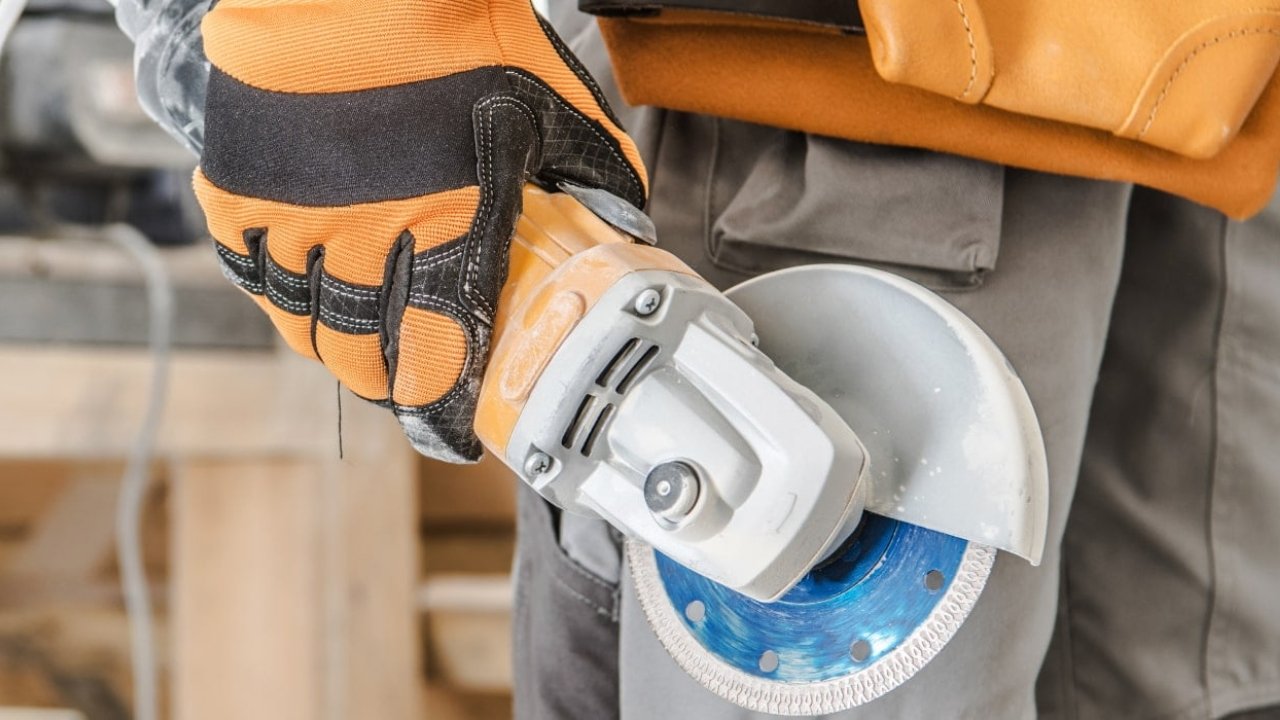
· Angle Grinders
When you want to cut thick laminates, trim molded components, grind the surface, or do edge finishing, this is the best tool to use.
Key Technique for Cutting FRP
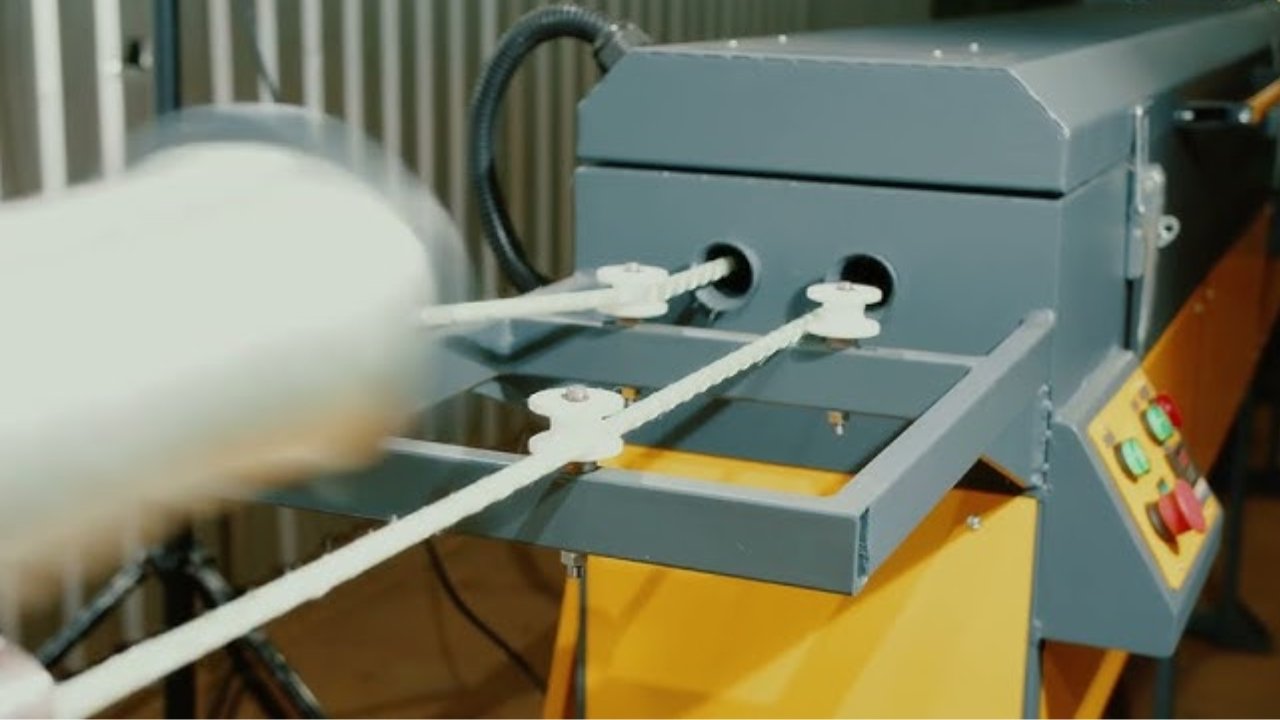
Sawing FRP Cutting Techniques (Sawing Techniques)
· Handheld Shears
These are manually operated cutting tools that are only viable for very thin sheets or low-volume work. While keeping the sheet flat on a stable surface to prevent bending, cut in controlled strokes along the marked line.
· Jig Sawing
If your goal is custom shapes and low-volume curved cuts, then use the jig sawing technique. This will only work on thin-to-medium FRP sheets that are typically ≤10 mm thick. Start the jigsaw before contacting your FRP, moving along the cut line steadily without forcing the blade.
· Circular Sawing
For medium-to-thick sheets and panels, circular sawing is viable. Start the saw before feeding the FRP material. Maintain moderate cutting speed to prevent resin melting or excessive vibration as you feed the blade steadily.
· Guillotine Cutters
Guillotine cutters make straight cuts on thin FRP sheets with high volume precision. Adjust blade clearance based on material thickness to minimize fraying and splintering. Apply a steady force while cutting.
Advanced FRP Cutting Techniques
· CNC Routing
FRP is challenging to machine because it combines abrasive fibers with heat-sensitive resin. CNC routing offers controlled cutting parameters and stable machine setups. If your fabrication shop is focused on producing large quantities of FRP panels or structural components, CNC routing can significantly improve your manufacturing efficiency.
· Laser Cutting
Laser cutting uses a concentrated beam of light to melt, burn, or vaporize material along a programmed path. Under controlled conditions, you can use laser cutting to make high precision on thin materials.
· Waterjet Cutting
This technique is more effective if your priority is material integrity and edge quality. It eliminates thermal damage and handles thick composites with precision.
Step-by-step Cutting Process
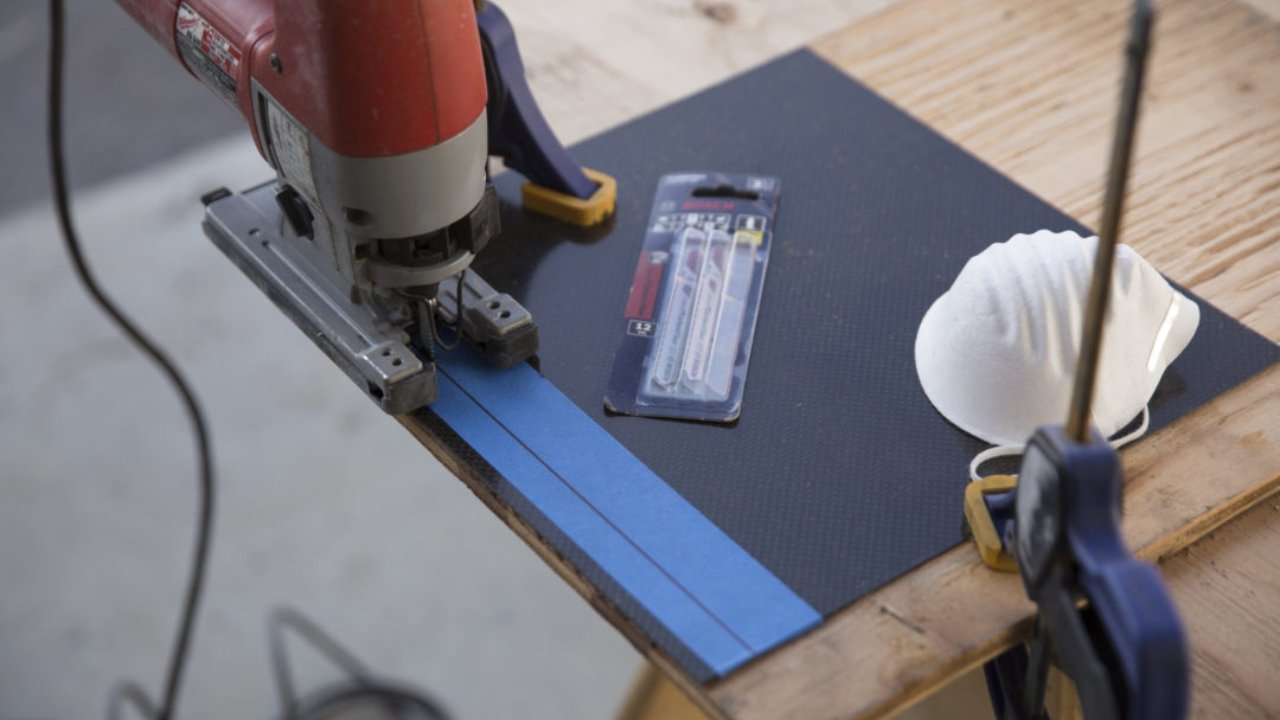
· Step 1: Wear Safety Equipment & Workplace Safety
FRP cutting generates airborne fibers, dust, and debris that can irritate the skin, eyes, and respiratory system. You need to equip yourself and your workers with personal protective equipment before cutting begins. You also need to confirm that your dust control systems are fully operational.
Inspect your workspace by checking if there is adequate lighting for precise cutting and clear walkways or unobstructed work areas. Remove any unnecessary materials from cutting zones and ensure stable work surfaces. Check all tools and equipment and ensure they are in safe working conditions.
· Step 2: Prepare FRP Material
Before any marking or cutting, inspect your material carefully for any surface imperfections or internal stresses that can affect cutting performance. Wipe the material surface with a clean cloth to remove loose debris or dust. This is to allow marking tools and templates to work accurately.
Using measuring tools such as steel rulers or measuring tapes, measure and mark the cutting lines appropriately. Thereafter, secure it firmly to prevent movement during cutting.
· Step 3: Set up FRP Cutting Tools (After Choosing Cutting Technique)
Proper tool preparation ensures both cut quality and operator safety. Ensure that the tool you have installed for cutting matches your cutting technique. Inspect your cutting tool condition well and check if there is uneven blade edges or chipped teeth. Secure the tool properly and adjust cutting parameters according to the FRP materials. Run a short test to allow you to identify potential problems early.
· Step 4: Start FRP Cutting Process
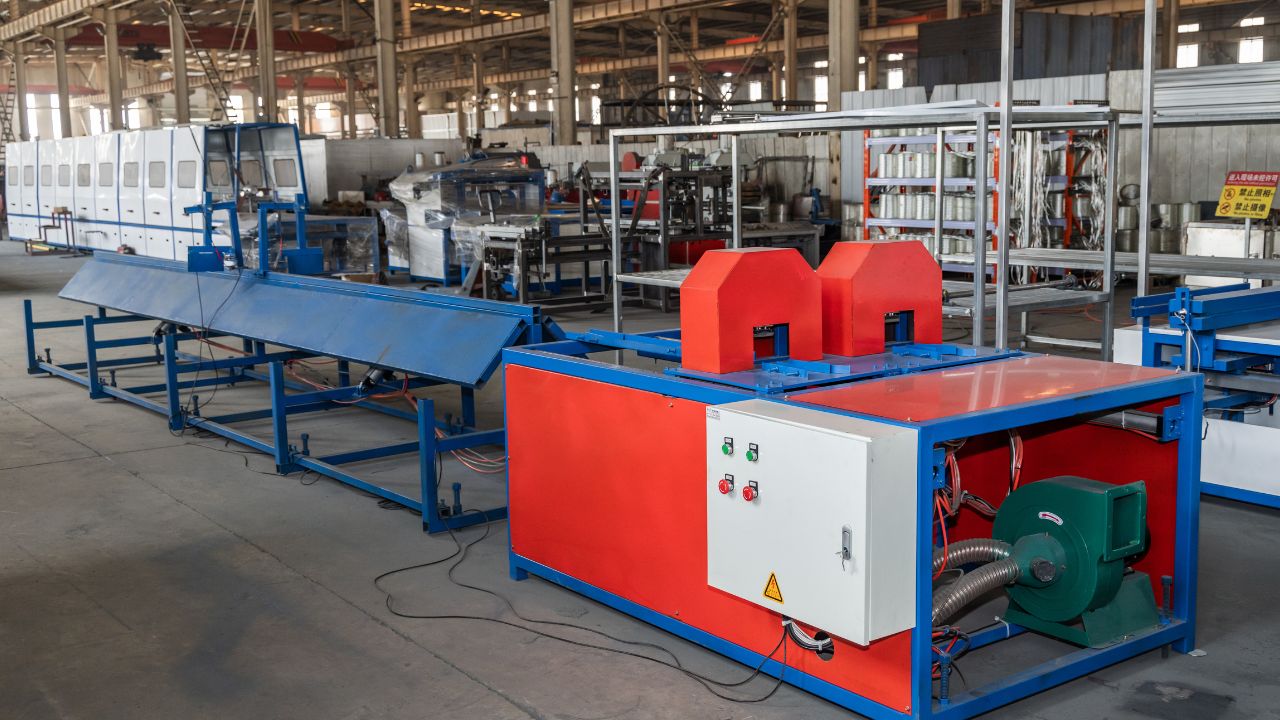
Start the tool before contacting the material. Introduce the blade slowly into the FRP surface, maintaining a steady and controlled cutting motion. Continuously observe how the material and tool behave as you check for any unusual vibrations, burning smell, or excessive dust or smoke.
Maintain proper cutting speeds as you allow the tool to clear debris during this process to avoid overheating that can make your material degrade.
· Step 5: Post-Cutting Process
After cutting, do a careful inspection by examining edge smoothness, fraying, or any signs of delamination. Finish by using sandpaper, grinding rough sections, or trimming rough fibers along the cut edge. This improves both appearance and safety while reducing the chance of fiber splinters during handling.
FRP Cutting Problems and Solutions
| FRP Cutting Problem | Possible Causes | Recommended Solutions |
| Chipping | · Incorrect blade. · High cutting speed or excessive feed rate · Improper support to material | · Ensure your blade matches the tool and has no damages · Adjust feed rate and cutting speed for smoother cuts · Clamp material securely and use backing boards where needed |
| Delamination | · Excessive vibration during cutting. · Deep cuts in thin laminates | · Ensure stable material support and minimize tool vibration. · Make multiple shallow passes instead of a single deep cut |
| Dust Control Failure | · Inadequate or disconnected extraction system. · Clogged filters. · Open workspace with poor airflow | · Check and connect dust extraction systems before cutting. · Maintain and replace filters regularly. · Improve ventilation and use local exhaust near the cutting point |
| Resin melting | · Slow feed rate allowing friction buildup. · Dull tool increasing friction | · Use sharp, composite-grade tools. · Allow for tool cooling or intermittent cutting in high-heat situations |
FAQ
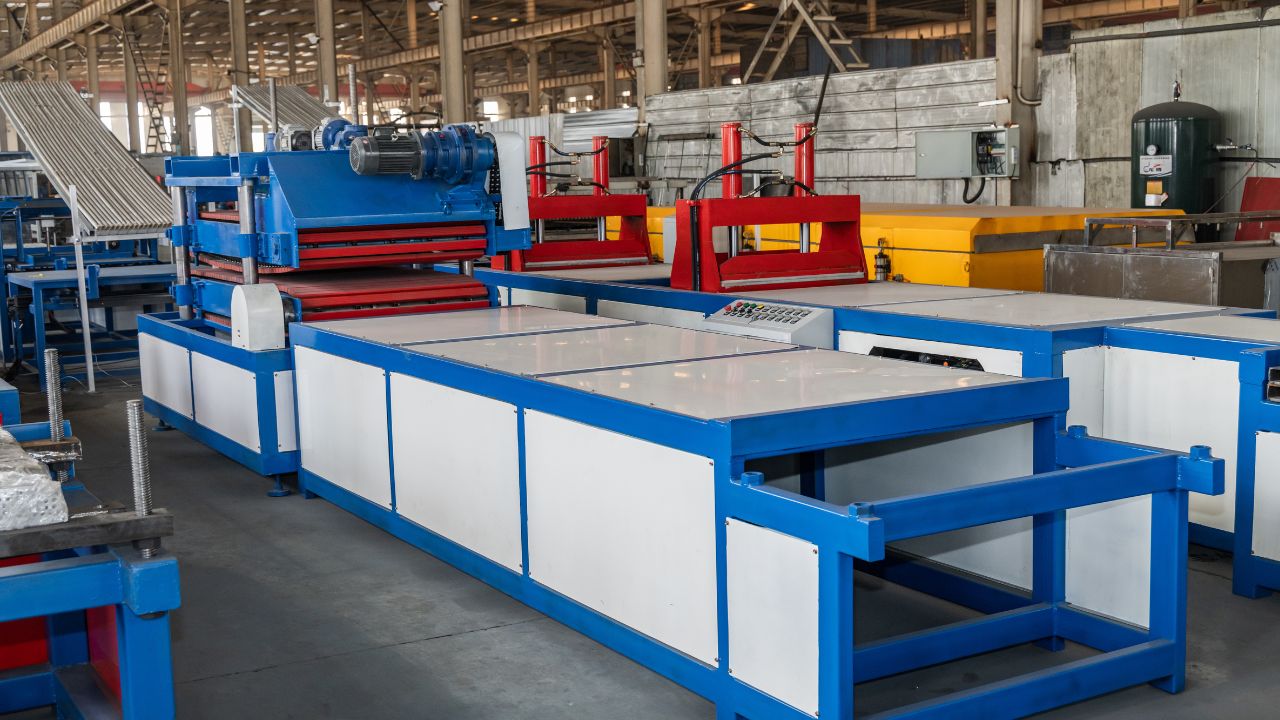
Which is the best tool for cutting FRP?
The best tool for cutting FRP depends on material thickness, part geometry, precision required, production volume, and your dust control setup.
Can you cut FRP Rebar with an angle grinder?
Yes. You can cut FRP rebar with an angle grinder.
What are the Common Uses of FRP?
They are mainly used in components where minimizing weight improves performance, like in automotive and aircraft.
Also, it is suitable for electrical housing, panels, and support structures because of its non-conductive nature. Furthermore, it is used in tanks, ductwork, and protective covers as a barrier to prevent leakage, contamination, or wear.
They can be used for decorative purposes because they can be colored, textured, or shaped for visually appealing panels or facades.
Can a utility knife cut FRP?
Yes. A utility knife can cut very thin FRP sheets of about ≤ 2–3 mm.
Why should you seal the cut edges of FRP?
Sealing the cut edges of FRP reduces fiber fraying and splintering, maintains structural integrity, and prevents moisture penetration.
Partner with Primefrp
Primefrp is a leading FRP products manufacturer in China. Our FRP products range from construction profiles, structural components, sheets, and gratings.
Depending on your unique project specifications, we will cut-to-size every FRP part to match your project specifications – request a quote now.