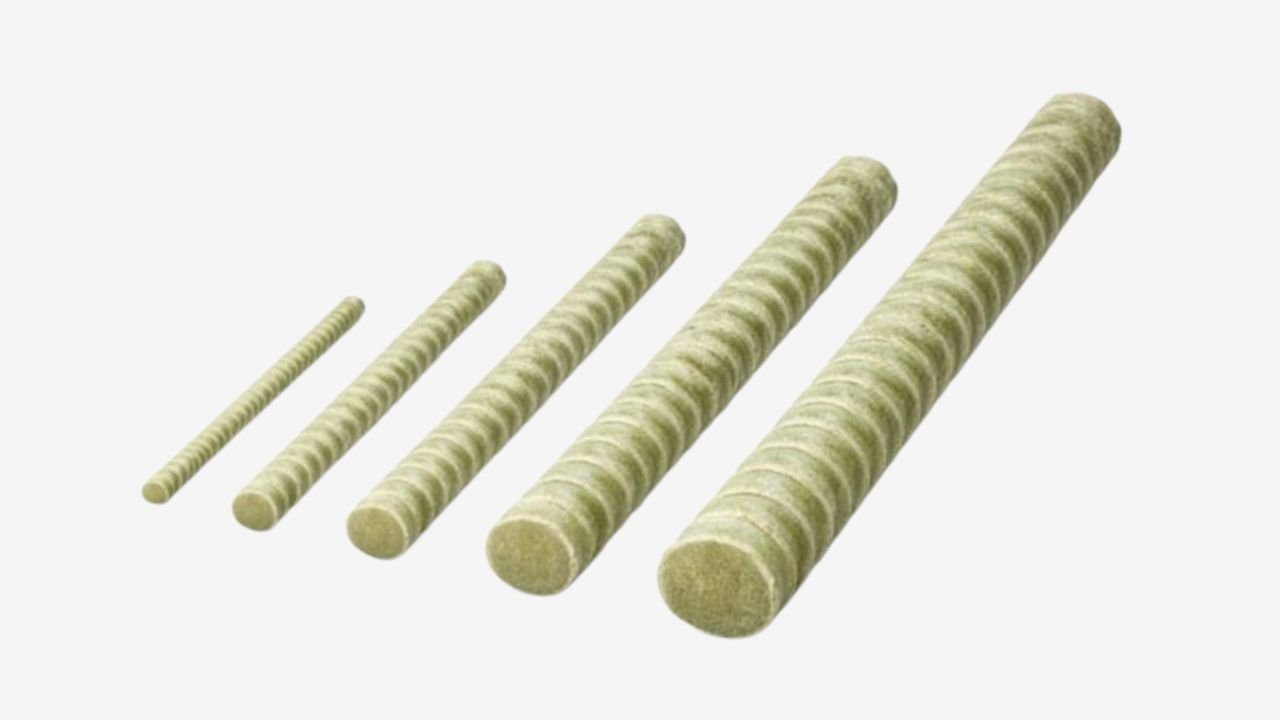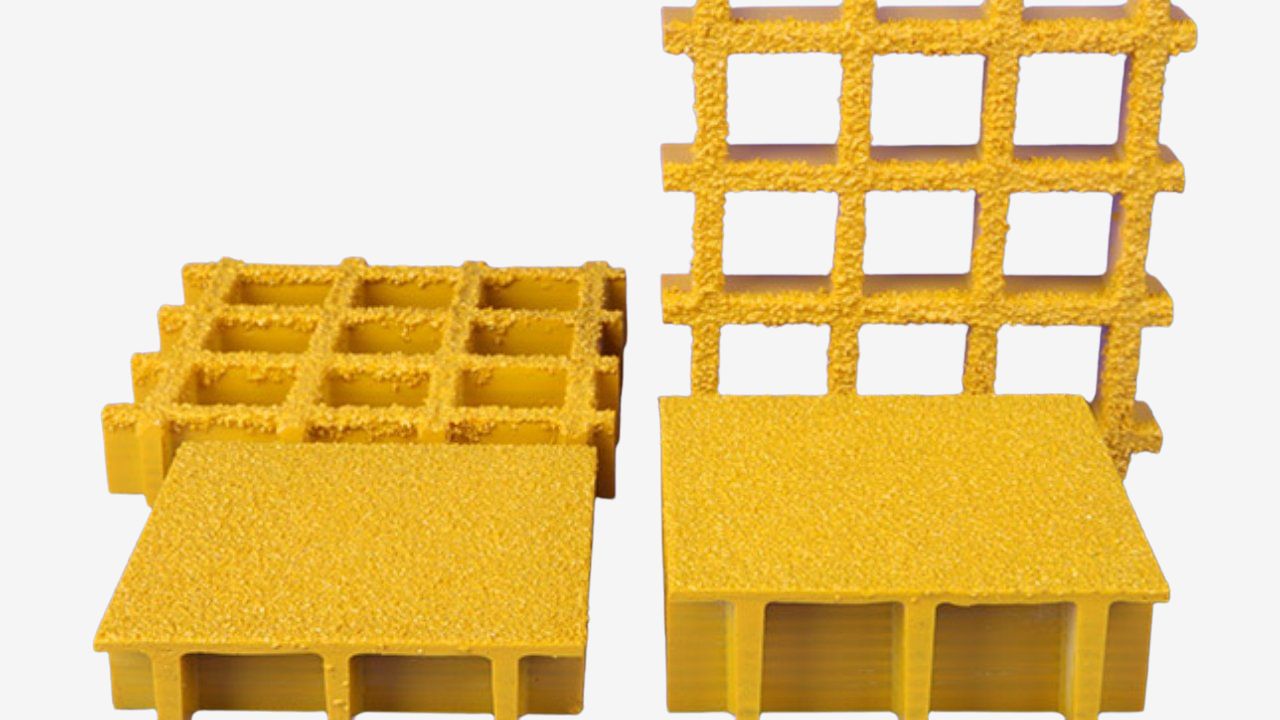
Understanding ADA compliance regarding industrial flooring could be a complex process for contractors, engineers, and facility managers. Ensuring that pathways are accessible and safe is more of a moral obligation and not just something the law requires. This article simplifies the complex nature of regulation, explaining how FRP grating complies with ADA standards to achieve stability and slip resistance. This allows you to choose the best solution for long-lasting and compliant installations.
ADA-Compliant Requirements for FRP Grating
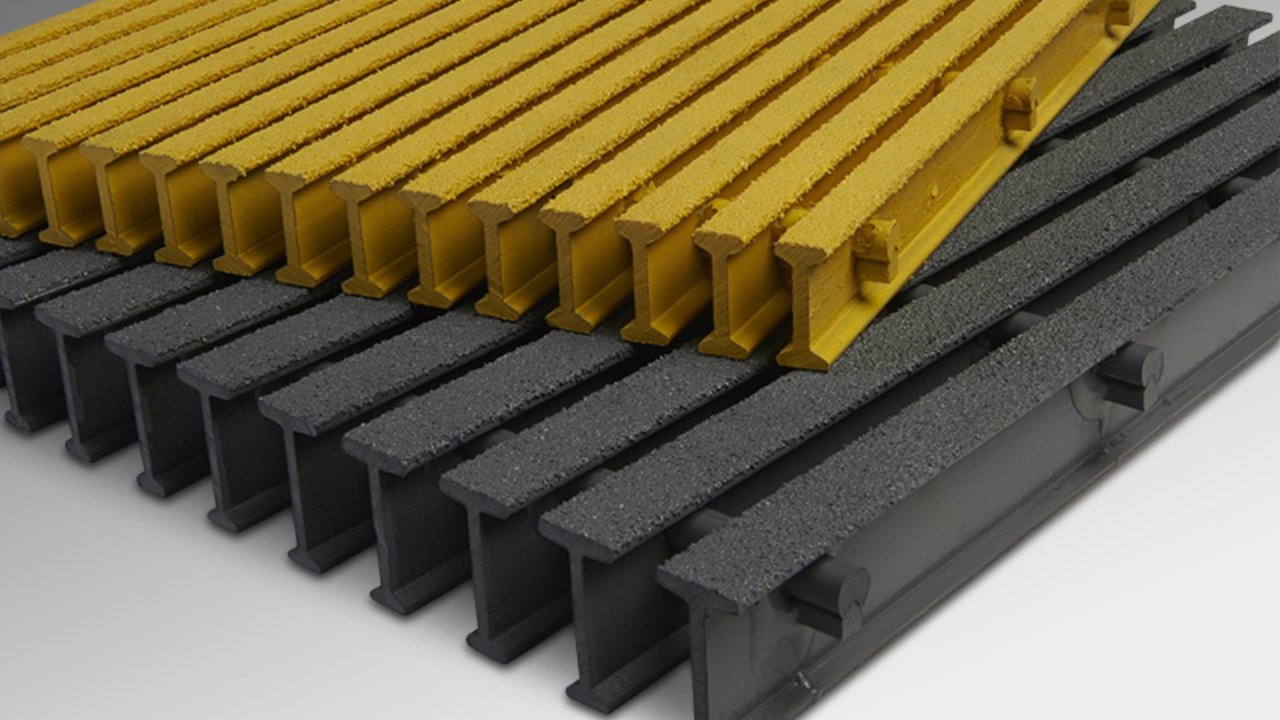
The safety of the public is very important and it cannot be negotiated. This is why facility owners, engineers, architects, etc., must understand the ADA standards for stability and slip resistance in FRP grating.
· Spacing Requirements and Opening Size
The Act for Americans with Disabilities includes a strict regulation on openings in the surfaces of floors to ensure that crutch tips and wheelchairs don’t get caught. What this means is that the gap present between the bearing bars shouldn’t be more than 13mm or 0.5 inches in the travel direction. Should the grating have elongated openings, they have to be placed perpendicularly to the main travel path to reduce the possibility of entrapment.
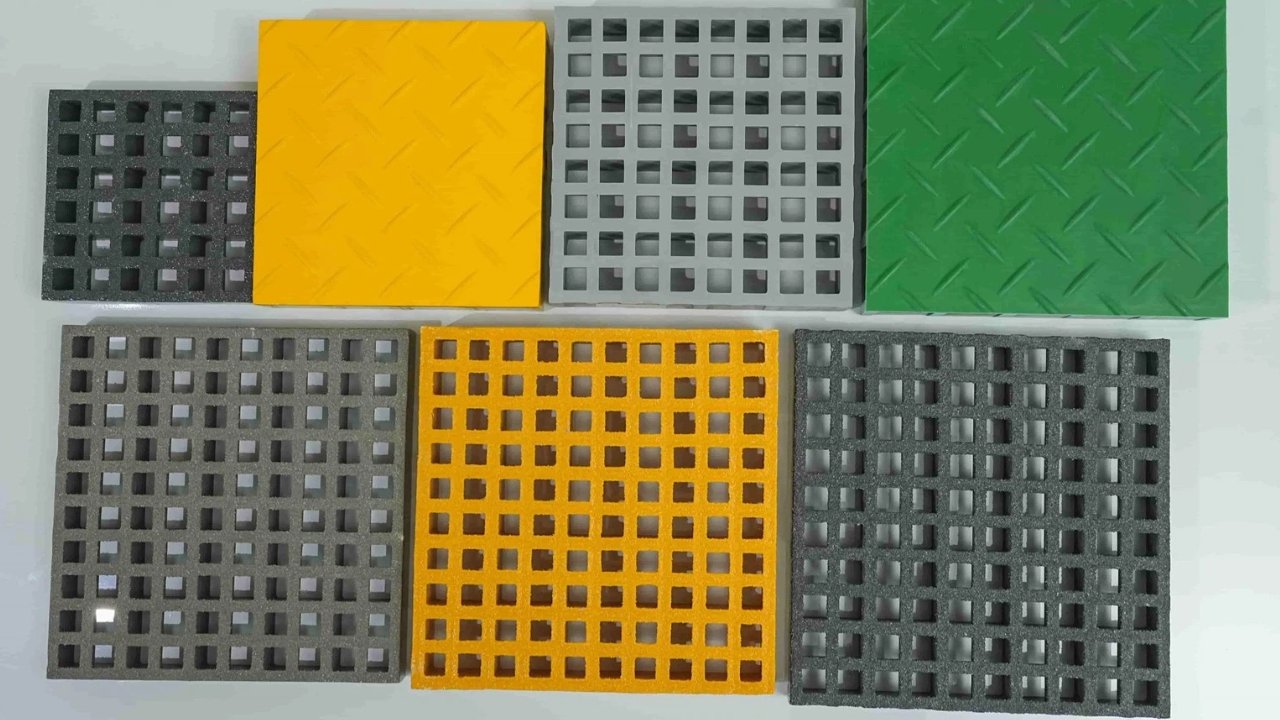
Facility managers and engineers should carefully verify the specification of the mesh when making a purchase. Choosing gratings with small square patterns usually promotes compliance, while larger openings, usually found in industrial grating, might need the presence of a fill material or cover plate to meet these standards for gaining access.
· Surface Smoothness and Stability
According to ADA compliance, walking surfaces need to be stable and firm enough to resist slips, thereby affecting the specifications of FRP grating. Molded FRP grating should offer rigid and strong surfaces that ensure proper stability. However, in some cases, the texture of the surface determines a lot.
While the structure of the grating remains stable, open mesh can make wheelchair users experience uneven feel. This is why FRP grating with a filled or flush top surface is ideal for an accessible route. Alternatively, you can use a gritted surface to compensate for smoothness with traction. The most important thing is to make sure the surface stays firm for all users, regardless of weight.
· Traction Performance and Slip Resistance
Slip resistance stands out as the basis for ADA compliance, especially for areas with constant contact with contaminants or moisture. For surfaces that are level, the ADA requires that surfaces for walking have a static coefficient of friction of at least 0.6, while for ramps, it should have a minimum of 0.8.
When wet, standard FRP grating could be slippery; therefore there is a need for compliance to ensure better traction. Manufacturers make this possible by adding grit to the top surface when fabricating. With this gritted surface, you are meeting or exceeding the friction standards of the ADA. For stakeholders of projects, it is important to indicate “gritted top” for public and high-traffic areas. This ensures that pedestrians have an easy and safe passage using wheelchairs, walkers, or canes.
· Structural Performance

Accessibility standards demand that surfaces must be firm and stable, which offers strict limits on how FRP grating should react under load. If you notice any excessive flex when a wheelchair passes over a grating, it affects stability, which may cause harm to users. This is why it is important for engineers to give correct calculations regarding anticipated live loads and choose FRP grating with enough stiffness and thickness to prevent deflection.
A rule of thumb here is to limit deflection to 1/4 inch or lower under the expected load. Well-engineered FRP installations make sure grating doesn’t flex, which helps to maintain a smooth and safe surface. Such surfaces offer structural integrity and meet the requirements of ADA.
· Slope and Ramp Compliance Standards
Using FRP grating on ramps means using the slope requirements of the ADA to ensure that wheelchairs navigate easily. The highest running slope allowed for accessible ramps is 1:12 which approximates to 8.33%. This means that for each inch of rise, a ramp run minimum of 12 inches must be present.
Cross slopes have to be more stringent and must not be more than 1:48 or 2%. Note that this is necessary for the installation of FRP grating, because you must set the grating panels accurately to ensure that these tolerances are maintained. Wrong leveling or warping of the framework underneath the FRP could cause cross slopes which disregards the ADA standards. This could cause safety risks and the funds needed to make corrections could be expensive.
· Edge Protection
FRP grating installations that comply with ADA must ensure smooth transitions between different flooring and as well protect open edges. In walkways or ramps with drop-off, there should be a barrier or rail to prevent wheelchairs from slipping off.
In addition, it is important to carefully manage any change in level when moving from one floor surface to an FRP grating. You can allow vertical changes of about 1/4 inch without treatment. However, if there are changes between 1/4 inch and 1/2 inch, there is a need for a beveled edge.
It is important you account for these transition points when you are installing FRP grating. This requires you to use transition plates or edge profiles to maintain slip-free and smooth surfaces.
· Verifying the Documents and Certificates
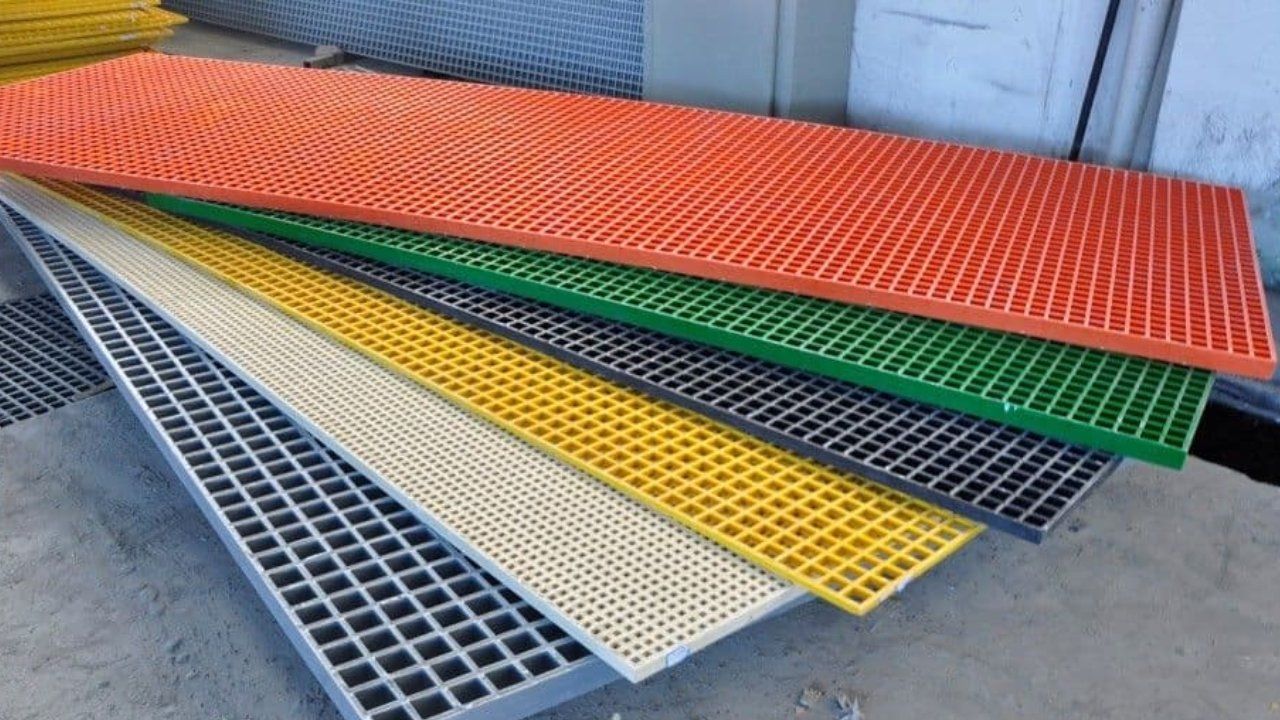
FRP grating ADA compliance doesn’t just involve physical installation but needs documents that can be verified. Project owners and architects must ask the manufacturer for certifications revealing that their FRP products adheres to the necessary standards. It is important to obtain this for legal protection as well as passing municipal inspections.
In addition, reviewing the installation guidelines of the manufacturer makes sure that the assembly on-site sticks to the conditions in which the product testing was done. With the right documentation, manufacturers are giving the required confidence that the FRP grating system you have installed meets the necessary ADA requirements.
FRP Grating: ADA-Compliant Applications
Asides specifications, the applications in the real world show proper ADA compliance. In this section, we will be discussing areas where FRP grating offers accessible and safe solutions across different industrial and public environments.
· Pedestrian Paths and Public Walkways
For pedestrian paths and public walkways, FRP grating helps to ensure durability and stability due to its slip-resistant properties. Pathways in waterfronts and parks must have a firm surface with less openings to allow wheelchairs and mobility aids, ensuring compliance to ADA specifications.
You can choose molded FRP grating with gritted surfaces to ensure smooth passage for users. FRP is a reliable material that doesn’t only resist corrosion but also offers long-term value. FRO installations that feature compliant slopes and flush transitions offer great performance.
· ADA-Compliant Ramps
FRP grating is a great material option for ramps that are ADA compliant in either private or public facilities. Also, its lightweight design ensures easy installation while its great strength to weight ratio allows for structural integrity without too much bulk.
For ramp-related applications, the grating has to adhere strictly to a maximum running slope requirement of 1:12, while for cross slope, the maximum is 1:48. Gritted surfaces offer the needed traction, having the needed static friction coefficient of 0.8. In addition, features of edge protection like railings or curbs has to be included to ensure that wheelchairs don’t slip off from the sides. The corrosion resistance of the FRP ensures that it is very useful for ramps usually exposed to snow and rain.
· Pedestrian Bridges
FRP grating is commonly used in pedestrian bridges because it is lightweight and has the ability to resist corrosion. Therefore, you can use it in sensitive applications like waterways. For these structures, engineers must pay attention to transition points, surface traction, and running slopes to meet ADA specifications.
The surface of grating must be rigid enough to offer stable footing while preventing debris that could increase the risk of tripping. Also, engineers must carefully calculate the deflection limit so that the bridge deck must stay strong under wheelchair loads.
Also, FRP can resist environmental degradation, which makes it a good option for bridge construction. Well constructed FRP pedestrian bridges offer structural efficiency and accessibility to all users.
· Transit Stations and Platforms

Transit authorities usually indicate FRP grating for light rail stops, train stations, and bus platforms because of its safety features and durability. ADA compliance in these busy environments need careful attention to identify platform edges, which is possible through touch-sensitive warning surfaces or color strips included in the grating.
Also, the surface must be resistant to slip in cases of wetness due to melted snow or rain, offering protection to all passengers. The gratings’ openings have to be sized properly to ensure that wheelchair casters and cane tips don’t catch when allowing water to drain. The non-conductive features of the FRP include safety around electrified rail systems; this is a smart move for accessible and modern transit infrastructure.
· Commercial Entryways
Emergency exits in commercial buildings should be accessible to all users including visitors and people with disabilities. When you install FRP grating at entryways and exit points, this can function as a walk-off system while ensuring compliance with ADA. This grating system should also feature slip resistant surfaces and opening sizes for proper compliance.
FRP grating must ensure smooth and proper transitions from walkways to interior flooring. The changes in this transition must be well managed to meet up with ADA specifications. Gritted FRP surfaces keep moisture and dirt from shoes while enabling stable footing especially during extreme weather.
FRP gratings must be firm under high loads while offering clear routes. FRP is a low-maintenance grating system that benefits property owners by offering long service life and great performance.
· Industrial Facilities with Public Access
Industrial facilities used by public visitors like energy facilities having visitor centers should make sure that their flooring adheres to the ADA standards as well as industrial requirements.
With FRP grating, you’re addressing both needs by offering corrosion resistance in demanding environments and ensuring stable and slip-resistant surfaces that are open to all. Specifiers have to choose grating having opening sizes that stops the entrapment of mobility aid and ensuring the required ventilation or drainage.
FAQs
Why is FRP grating ADA-compliant?
ADA compliant grating must have opening sizes under 1/2 inch, firm surfaces, and stable construction that doesn’t allow deflection. FRP grating meets all of these requirements, making it compliant to ADA standards.
What is the highest opening size for ADA compliance?
For ADA-compliant grating, openings must not be higher than 1/2 inch in the travel direction. This helps to prevent wheelchairs casters from getting trapped.
Is FRP grating safe for wheelchair access?
Yes, FRP grating is safe for wheelchair because it offers stable and firm traction that meets the requirements created by ADA for wheelchair users
What is the ADA requirement for slip-resistant surfaces?
According to ADA, Slip-resistant surfaces must have a static coefficient of friction of 0.8 for ramps and 0.6 for coefficient of friction.
Is FRP grating suitable for public ramps?
Yes. FRP grating that features gritted surfaces are suitable for public ramps and other outdoor spaces.
How do you verify if a grating is ADA compliant?
When verifying the compliance of a desired grating system, check the opening sizes, manufacturer certification, and slip resistance test reports.
Do ADA standards for indoor use differ from outdoor use?
No. ADA standards for both indoor and outdoor use remain consistent. However, outdoor installations need improved slip resistance.
Does FRP grating meet local building codes?
Not always. Ensure you request for manufacturer documentation since building codes may have extra requirements.
Partner with Primefrp Today
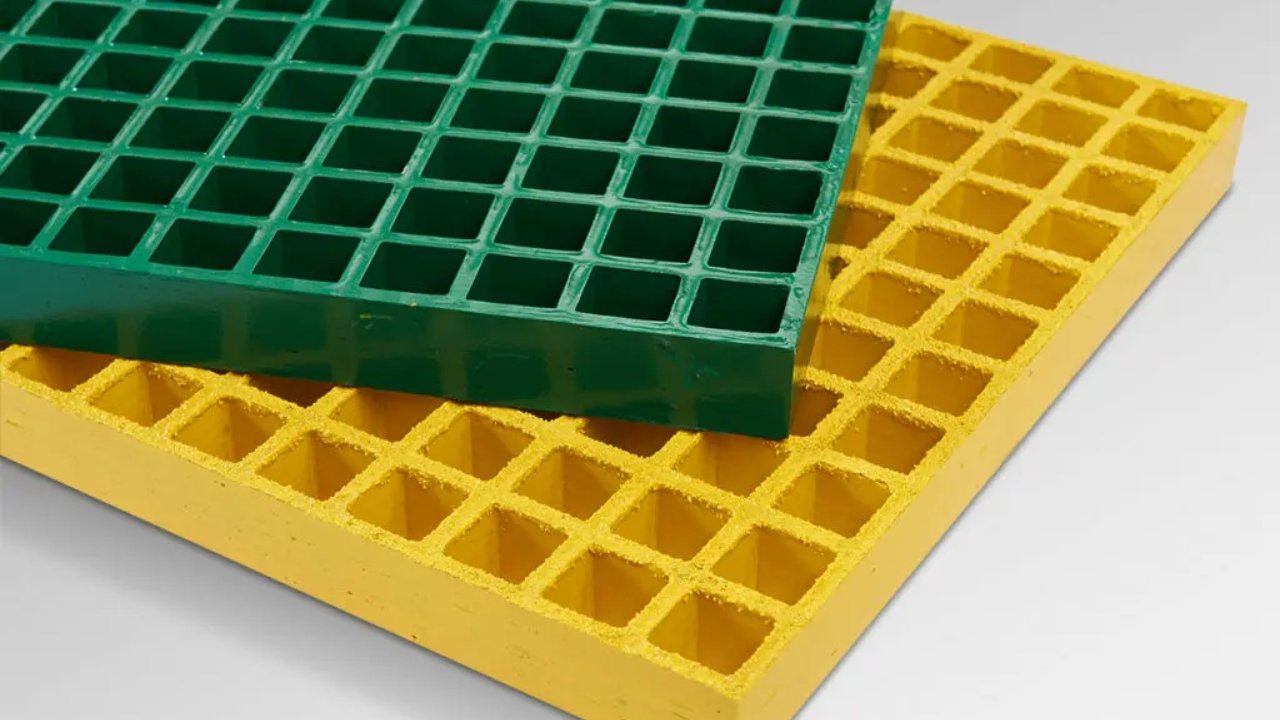
At Primefrp, we adhere to strict quality control in all our FRP grating manufacturing process. Our FRP grating is designed and manufactured according to the ADA requirements to ensure firm traction and smooth transition for wheelchair users. From ramp slopes to opening sizes, Primefrp FRP grating guarantees safety and access for all users.
Therefore, if you are looking for custom-made FRP grating, Primefrp is your trusted partner in China – Download our product catalogue now.