
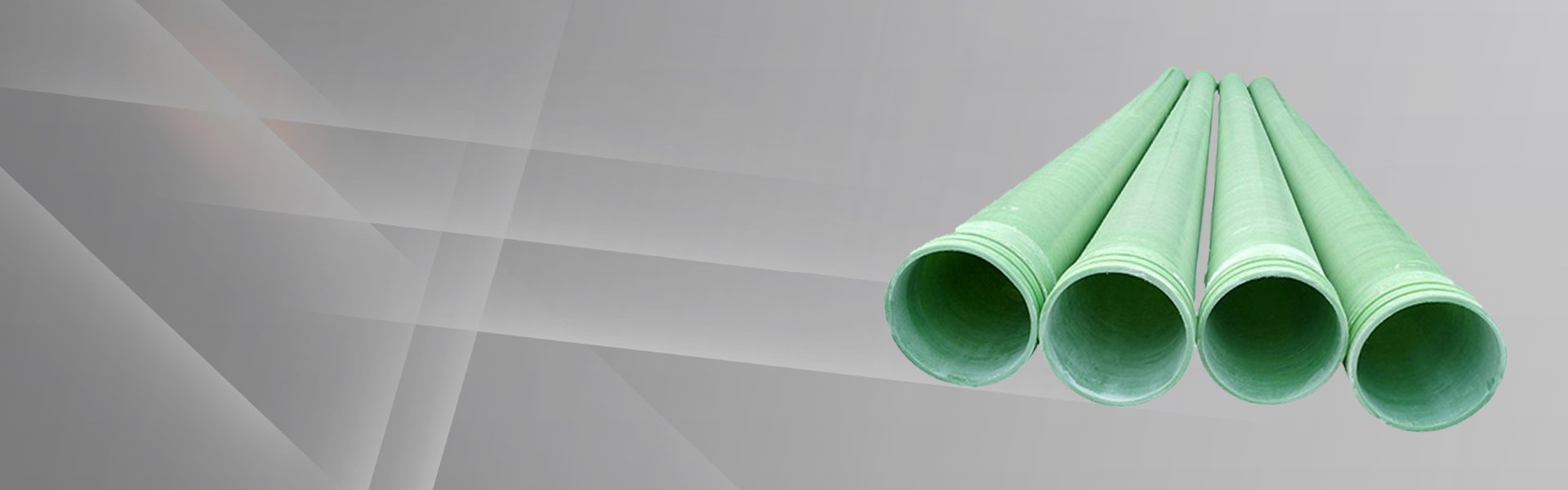
Why Choose Our FRP Pipe Line
- An independently fabricated resin formula can prolong the protection against chemical corrosion on the pipeline by over 30%.
- We operate three completely automated production lines, enabling the production of customized FRP Pipe Line.
- The FRP Pipes have obtained ISO 9001 quality management certifications and the international standard certificate of AWWA C950.
- The design pressure for the pipeline can be customized up to PN2.5MPa, but the qualification rate remains at 99.6% or higher.
Your Reliable FRP Pipe Line Manufacturer
The long-term advantages of FRP pipes serve as an effective solution to help your business achieve cost reductions and operational efficiency improvements. It provides lightweight and corrosion-resistant capabilities, which enable a service life that exceeds 50 years and delivers more than 30% cost savings when compared to conventional steel pipe systems. The complete process from design to delivery can be finished in 15 days at a minimum because the system operates on independently developed technology. Place your order now, and it will be put into production for you shortly.
Products By Features
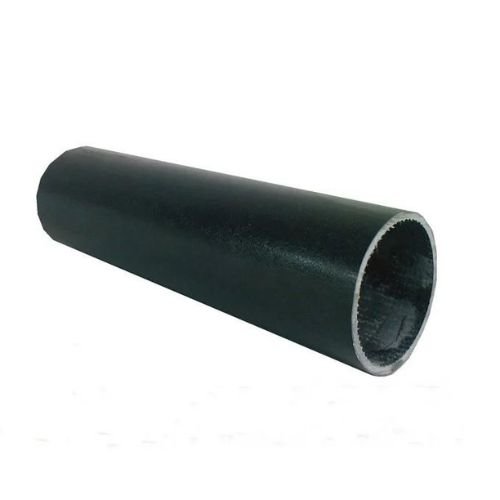
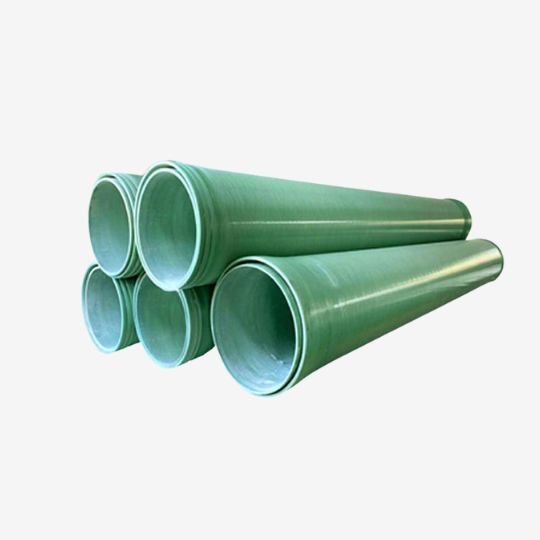
uses quartz sand as its interlayer filler material because this combination provides enhanced ring stiffness and pressure-bearing properties.
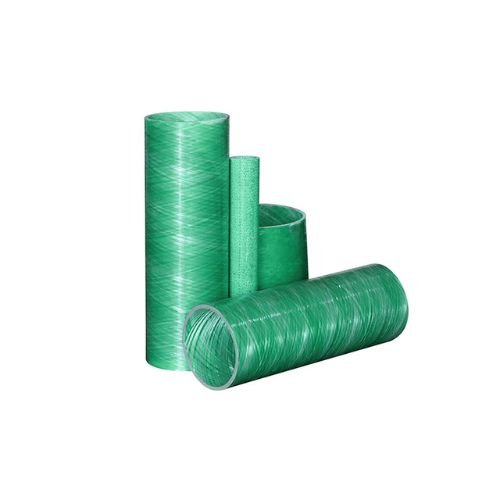
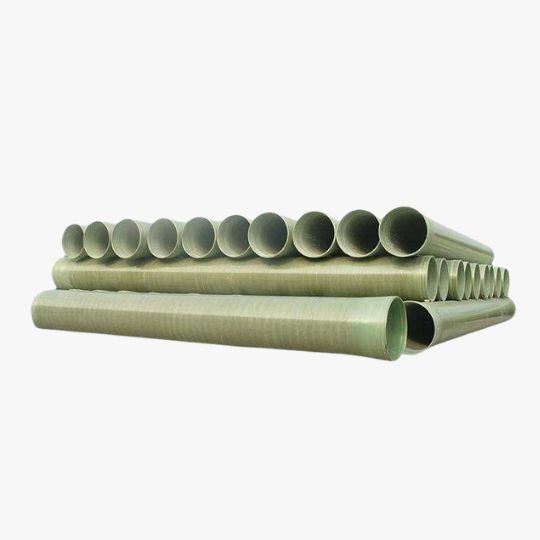
operates through its fiber winding process, which produces a solution that handles high-pressure requirements for petrochemical and chemical media transportation
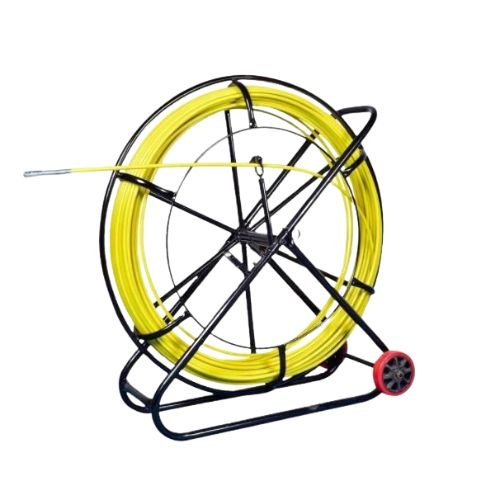
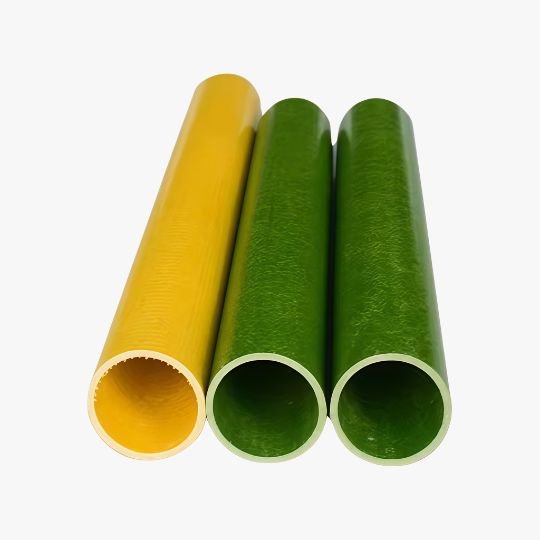
These maintain consistent wall thickness and meet precise size requirements for their intended use in small-diameter structural components and electrical insulation applications.
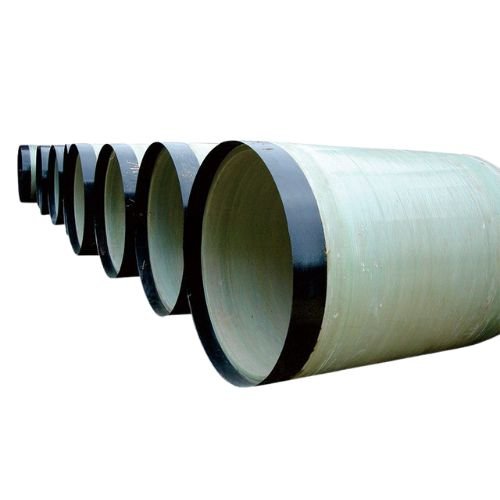
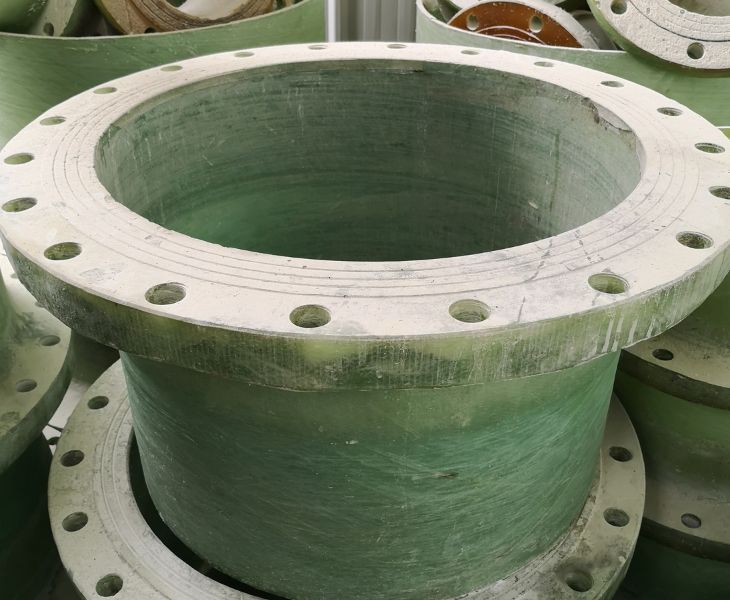
It offers strong pressure resistance and impact resistance, which makes it suitable for underground installation in locations that include road and railway crossings.
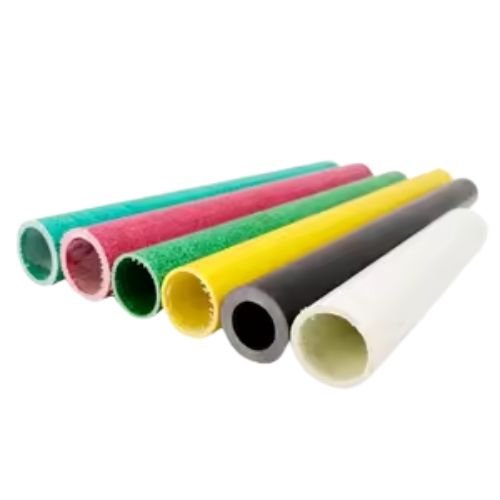
It provides excellent insulation and corrosion resistance while allowing for easy construction and installation. For your electrical needs, you can rest assured in choosing this one.
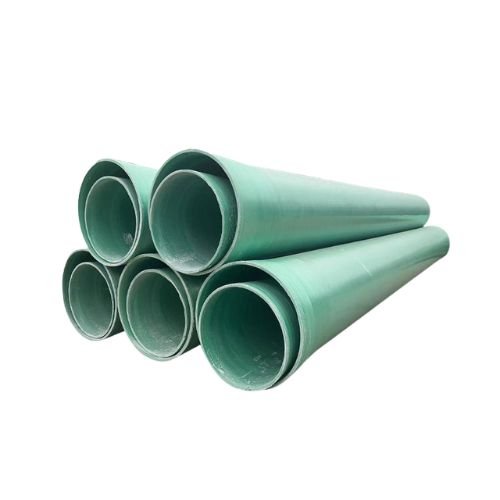
Withstands strong acid corrosion and maintains stable operation under high-temperature and humid conditions. This type is more suitable in more complex chemical environments.
Features of FRP Pipe Line

FRP maintains its ability to resist chemical damage without requiring extra protective measures against corrosion.

The FRP weighs only one-fourth of the total steel pipe weight, which results in lower expenses for both transportation and lifting operations.

The product maintains its operational capabilities for more than 50 years while its maintenance expenses remain minimal throughout all stages of its operational lifetime.

The pipeline delivers operational efficiency that exceeds that of steel pipes and concrete pipes because its inner wall maintains smoothness through a reduced friction coefficient.

The structure uses glass fiber composite materials, which provide exceptional tensile strength and enable it to endure high internal pressure, together with external weight.

The pipeline installation process becomes efficient because multiple connection options exist and the system allows work to proceed at a high pace throughout its operational duration.

The material functions as a non-conductive and non-magnetic substance, which makes it appropriate for special environments that require insulation protection.

We can customize the product based on the diameter of the pipeline, pressure rating, and resin formula, and also meet all industry requirements through the selection of materials.
Corrosion-resistant
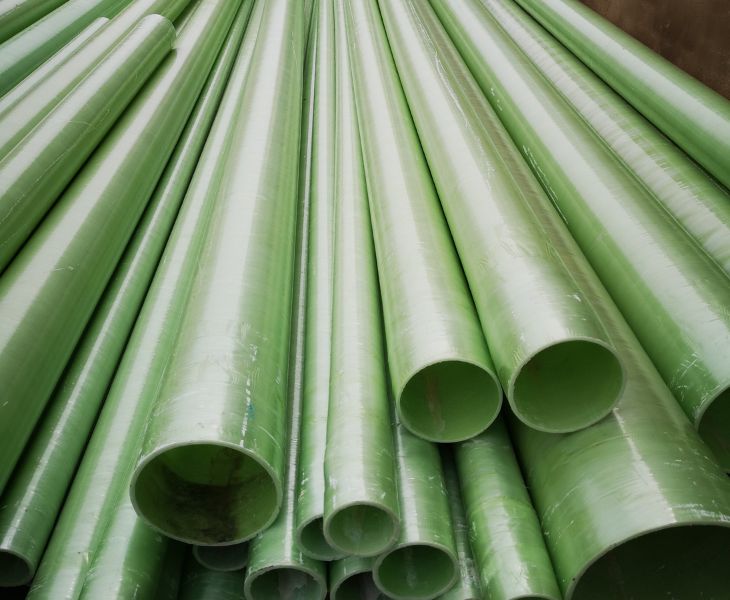
FRP pipe lines are produced when manufacturers blend glass fibers with resin material. The material demonstrates durability against acids and alkalis, and salts, and multiple chemical substances for an extended period. The material requires no protective coating maintenance, unlike steel pipes, which need regular application of protective coatings. It requires minimal future maintenance costs and functions best in industrial settings that experience severe corrosion from petrochemical, chemical, and wastewater treatment processes.
Lightweight structure
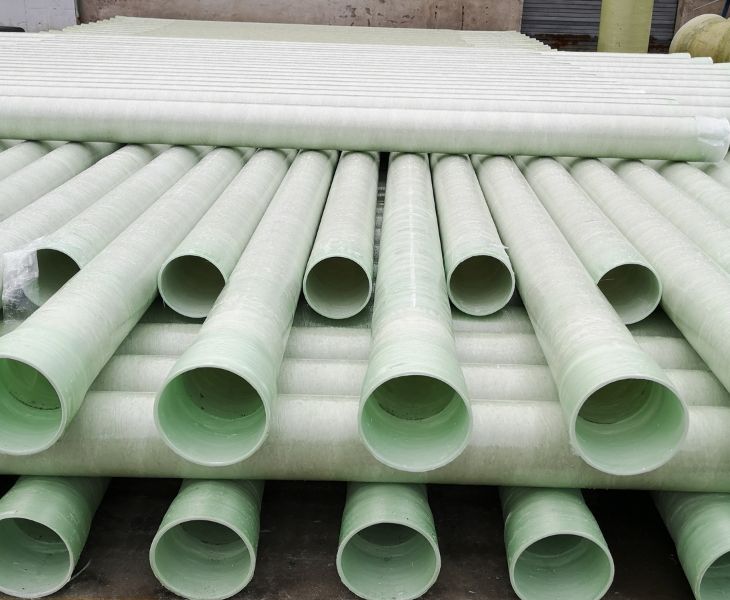
The weight of this pipe type under identical specifications measures only 25 percent of the standard steel pipe weight. The equipment required for transportation and hoisting is less, making manual handling more convenient. Your logistics expenses, together with your construction expenses, experience a direct reduction. In large-scale pipeline projects or those in high-latitude regions, the lightweight structure of FRP pipe line can significantly reduce your costs.
Long lifespan
The designed service life can exceed 50 years. The system requires less frequent replacement and maintenance compared to standard steel pipes and concrete pipes. The overall usage cost throughout the entire life cycle can be reduced by more than 30%. The solution provides high cost-effectiveness for businesses that need to maintain their pipeline systems during extended operational periods.
Applications of FRP Pipe Line

The material suits pipe systems that need to transport crude oil, refined oil products, and chemical substances because of its corrosion resistance capabilities.
The system operates in urban water supply systems, sewage discharge systems, and rainwater pipeline systems while providing extended operational life.

It adapts to power plant cooling water circulation and desulfurization system operation, and cable protection pipeline operation because it maintains effective insulation.

The material provides ideal pipeline protection against seawater desalination system transportation because it protects against salt fog and chloride ion corrosion.

The system enables lightweight construction for main pipelines, which function as water transmission networks to support large-scale farmland irrigation.

The material can resist strong acid and strong alkali media, which makes it suitable to replace stainless steel pipelines.

It can handle drainage operations for mines and tailings transportation activities at sites with strong corrosive materials and high-wear conditions.

It withstands sewage and treatment agents, so it serves as a widespread solution for sewage plant inlets and outlet pipelines, and drug delivery systems.
FRP pipes have a design service life that can reach more than 50 years, which exceeds the typical lifespan of steel pipes that last 15 to 20 years and concrete pipes. The anti-corrosion coating does not require replacement because the pipe material demonstrates both corrosion resistance and non-corrosive properties, and complete protection against scaling. The system requires minimal maintenance throughout its entire operational period, which makes it a dependable solution for sustaining enterprise pipeline systems through extended durations of stable performance.
FRP pipes support on-site repair. The pipes permit you to perform manual repairs of cracks and damage and local leaks through the application of glass fiber cloth and resin, which they can install directly at the installation site. The material reaches a strength of more than 90% its original strength after the curing process. The pipe section requires no complete replacement. The repair process needs minimal expenses and brief operational interruptions, which allows your production activities to continue without interruption.
FRP pipes are perfectly suitable for underground installation. The pipes maintain their corrosion-resistant properties, which protect against underground soil erosion and groundwater erosion, without needing any extra anti-corrosion treatment. The underground service life of the pipes extends beyond 50 years because the construction methods of backfilling and compaction sand cushion layers enable the pipes to withstand ground loads and soil pressure. They serve as a dependable option for underground pipeline systems used in municipal and industrial applications.
FRP pipes function properly when installed in outdoor environments. The production process involves applying an anti-ultraviolet resin coating or surface felt protective layer to the outer pipe wall which effectively stops ultraviolet rays from damaging the pipe material. The pipes maintain their structural strength and operational capabilities for extended outdoor use because they can endure overhead ground installation and open-air factory area applications.
The following points need you control to achieve protection against FRP pipe failures. The installation process requires you to follow specific specifications, which include maintaining controlled backfill compactness and defined support spacing to prevent uneven weight distribution on the piping system. It requires operators to inspect its interfaces and pipe walls at regular intervals to identify any leaks or cracks. The team must conduct immediate on-site repairs to prevent further damage after they discover any local damage. The system must operate within its designated pressure and temperature limits at all times of transporting media through the pipeline system.
The selection process should be based on which option better matches the specific operational conditions. FRP pipes provide better performance for corrosive media and municipal and chemical applications because they combine corrosion resistance with lightweight design, extended durability, and minimal upkeep requirements. Steel pipes deliver better performance than FRP pipes because they provide greater strength and superior impact resistance, which makes them suitable for ultra-high pressure systems and situations that demand maximum pipeline strength.
What is an FRP Pipe
The composite material called fiberglass reinforced plastic pipes, which engineers refer to as FRP pipes, uses high-strength glass fibers to create their structural framework and then combines these fibers with premium quality resins. The weight of the pipes is only 1/4 of a steel pipe, yet they show strong resistance to corrosion and withstand high-pressure conditions, which will last for 50 years. The systems find extensive application in petrochemical operations, municipal service delivery, power generation, and seawater desalination facilities.
FRP pipes include internal anti-corrosion protection that eliminates the need for maintenance, which leads to total operational expenses that decrease by more than 30% compared to conventional metal piping systems. The implementation of FRP pipes through adoption as a solution enables organizations to reduce their operational expenditures while maintaining system performance. Industrial facilities consider this option as the most valuable choice for their pipeline system upgrades.
What are the Connection methods for FRP Pipes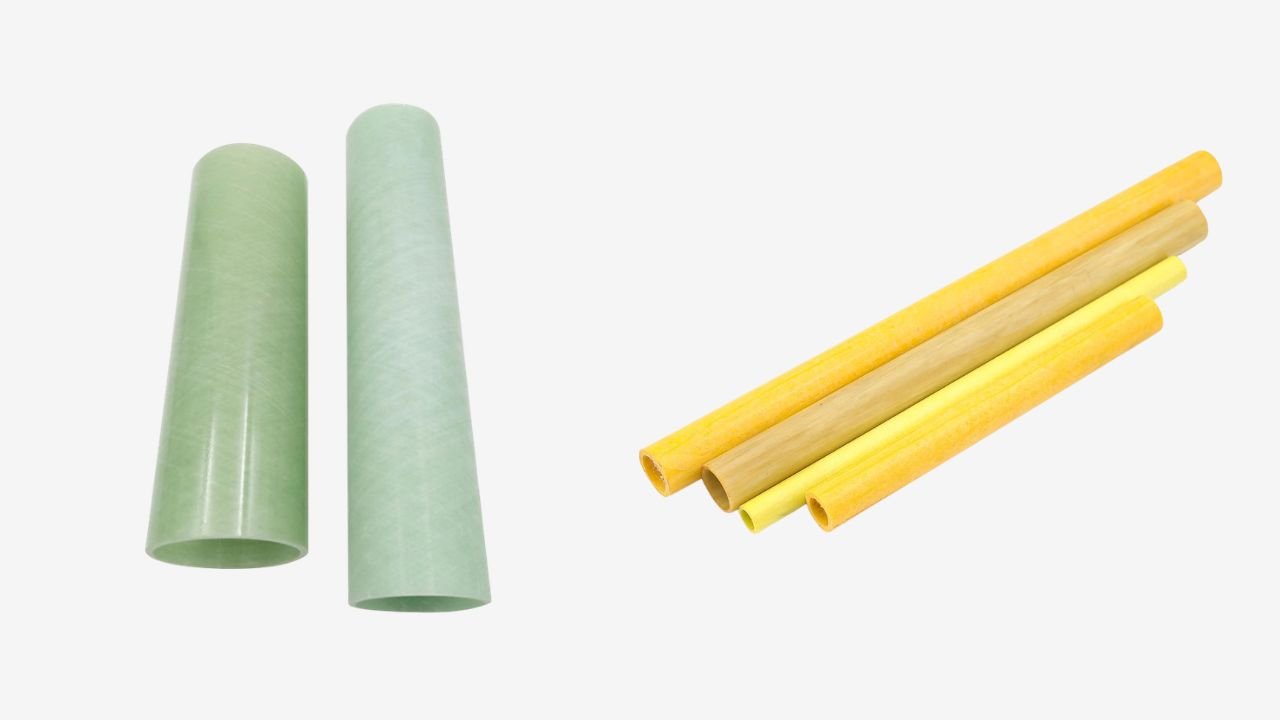
Socket-joint connection
After applying the special adhesive to the pipe socket, insert it into the socket and let it cure to form a sealed whole. The operation is simple, and it is suitable for medium and small-diameter pipes.
Double O-ring flexible connection
Two O-ring seals are set at the interface, allowing the pipe to have a certain angle deflection. It is suitable for buried pipelines and parts that require certain flexible compensation.
Flange connection
The connecting pipes are aligned and tightened with bolts through the flange plate. The disassembly and installation are convenient, and it is suitable for nodes that require regular maintenance or connection with equipment and valves.
Welded connection
After aligning the two sections of pipes, manually wrap the outer wall with glass fiber cloth and resin for fixation. The connection strength is high, and it is suitable for on-site connection of large-diameter or high-pressure pipelines.
Clamp connection
Seal the two sections of pipes with a special metal clamp, and the installation is quick. It is suitable for pipe sections that require frequent maintenance and replacement.
Threaded connection
Suitable for small-diameter FRP pipelines. Connect by processing threads at the pipe ends and rotating them together. The sealing performance is good, and it is mostly used for interface instruments or small pipeline systems.
How are FRP Pipe Line Installed
Above-ground Installation
The support spacing needs to be determined according to the design drawings which specify that one support should be placed every 3 to 5 meters. The pipeline needs to be hoisted into its designated position, after which it will be secured through saddle supports and hangers. Socket welding and flange connections serve to seal the pipe sections, which receive protective treatment at their interface. The installation delivers straightforwardness which results in a brief construction duration.
Underground Installation
The process requires you to first excavate a trench before you can lay a sand cushion layer of 100-150mm thickness. The pipeline needs to be installed into the trench in a straight manner, after which the pipe sections require a socket or double O-ring flexible connection installation, followed by medium-coarse sand backfilling at both sides until the compacted depth reaches 300mm above the pipe top. After that, the earth needs to be placed back and compacted. The entire process requires proper management of backfill soil compaction because it safeguards the pipe body throughout the operation.
Non-digging Installation
This method works best for your construction needs in locations where excavation work cannot be performed, which includes roads and areas with high building density. The first step involves creating work pits at both ends of the area. A guide drilling machine will create holes, which will be used to steer the drilling process according to the planned route. The FRP pipeline needs to be connected to the drill rod, which will be used to pull it back through the underground until it reaches its designated location. The ends will be sealed and connected after the work concludes. The process does not create any harm to the ground.
What Options are Available for the Liner of the FRP pipeline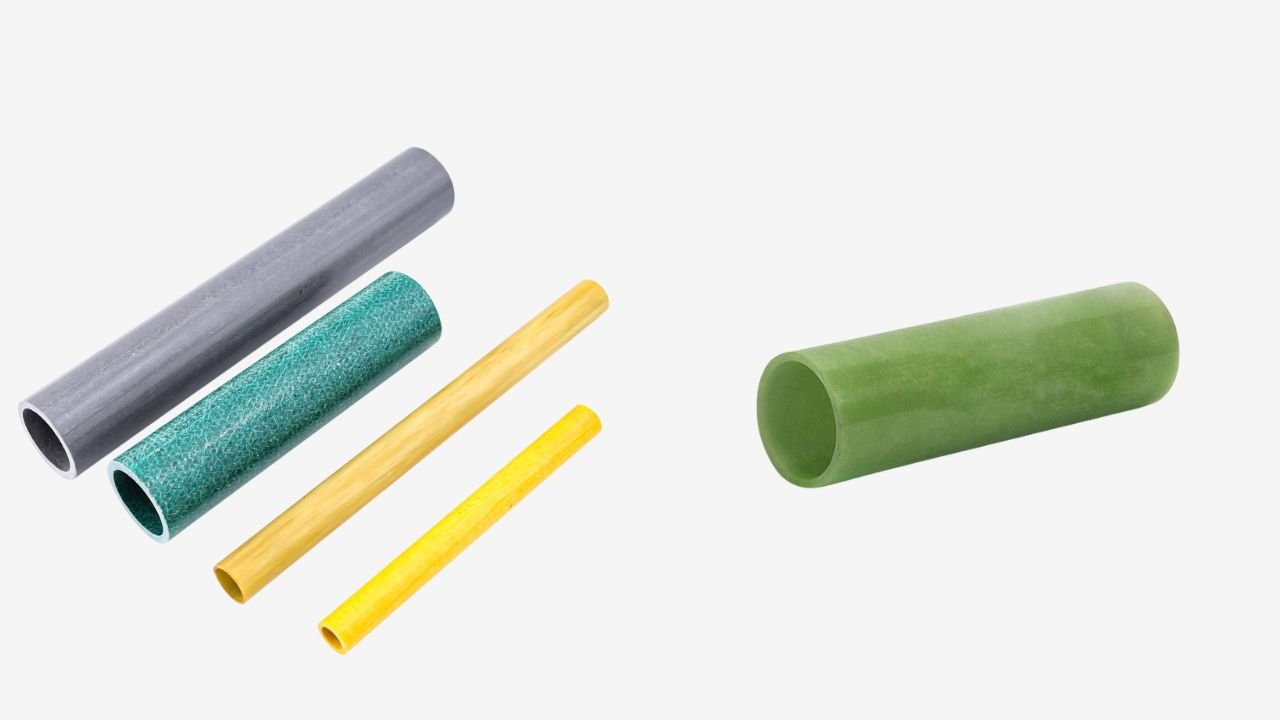
Isopropyl type resin lining
This standard lining material functions as the most common option because it provides basic protection against corrosion while granting suitability for standard water supply systems, drainage systems, and low-pressure piping systems. The product has an affordable price.
Ortho-type resin lining
The material provides less protection against corrosion when compared to isopropyl-type materials. The product serves its primary purpose of protecting basic water pipelines, which require minimal chemical resistance. The product has an affordable price.
Vinyl ester resin lining
The material contains exceptional protection against all strong acids, strong alkali, and solvent dissolution activities, which makes it suitable for use in high-dissolution pipelines utilized in petrochemical and chemical industrial operations. The material serves as the best choice for lining purposes that require demanding conditions.
Epoxy resin lining
The product provides strong coating ability together with effective wear protection which makes it appropriate for handling pipeline slurries that contain solid particles and for situations where pipeline inner walls will experience growth. The material serves as a standard component in mining operations and tailings pipeline systems.
Aldehyde phenol resin lining
The material exhibits outstanding performance when exposed to high temperatures which enables it to maintain stable operation at elevated thermal conditions. The product serves its primary purpose in applications that require high-temperature pipeline systems found in power generation and metallurgy operations.