
Why Choose Our FRP Process Pipe?
- Over 20 years of experience in manufacturing FRP process pipes, deeply cultivating FRP materials and processes.
- Fully automatic production line achieves precise layering, ensuring consistent thickness and uniform fiber distribution.
- Independent formula laboratory, customizing pipeline solutions based on your medium.
- Offer matching FRP connectors, saving the procurement costs associated with multiple suppliers.
Your Reliable FRP Process Pipe in China
As a FRP process pipe manufacturer with 20 years of experience in China, we are committed to providing high-quality FRP process pipes for your pipeline systems. We offer customised matching solutions of resin and process for different industries such as chemical, power, marine, and food. We strictly adhere to the ISO9001 quality management system and conduct tests for pressure, hardness, temperature, and more to ensure no quality issues on delivery.
Classification of FRP Process Pipe
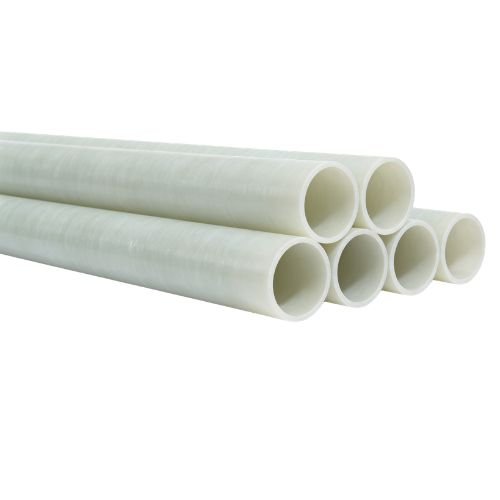
Both the inner and outer layers are made of FRP, featuring strong versatility and can adapt to any medium. It is the most reliable choice for chemical plants and water treatment facilities.
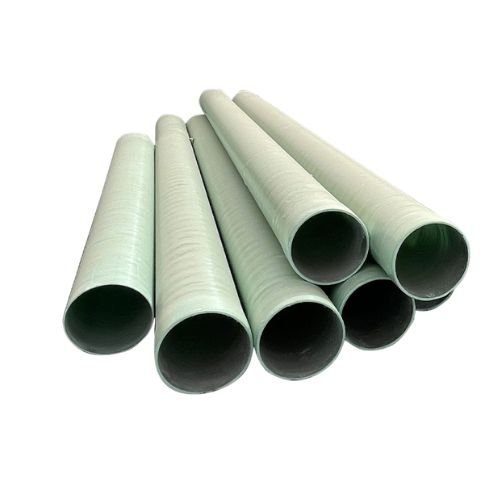
The quartz sand layer inside significantly enhances circumferential stiffness. It can withstand soil loads and vehicle traffic, preventing collapse. It is suitable for underground drainage pipelines.
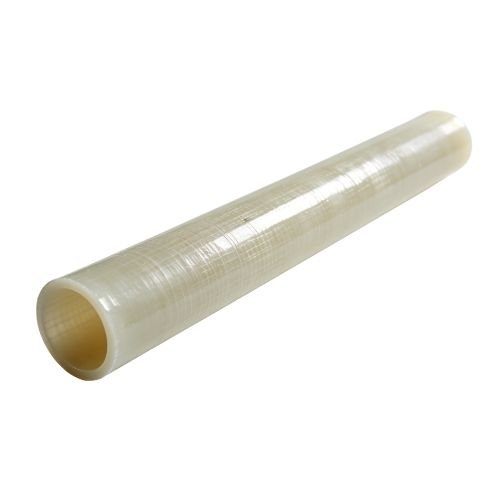
The internal polyurethane insulation layer maintains the temperature of the medium during transportation and reduces energy consumption. It is commonly used for transporting hot springs and geothermal fluids.
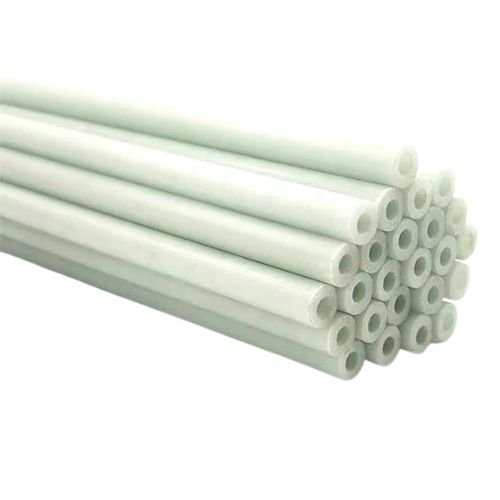
It has a low cost and basic FRP properties, making it a cost-effective choice with limited budgets. They are used for pipeline transportation in general conditions or as alternative solutions.
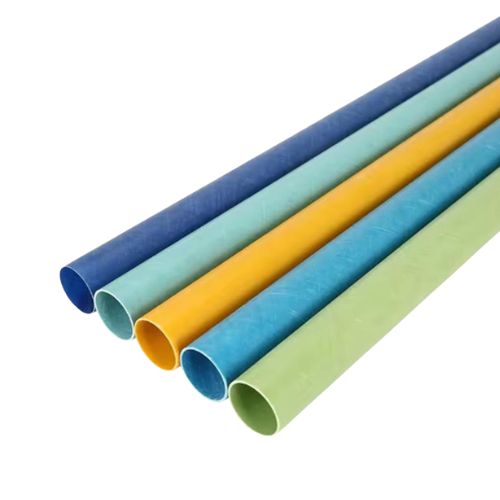
It is made of epoxy resin and has higher strength and toughness, providing safety for high-pressure projects, such as oil and gas fields and ships.
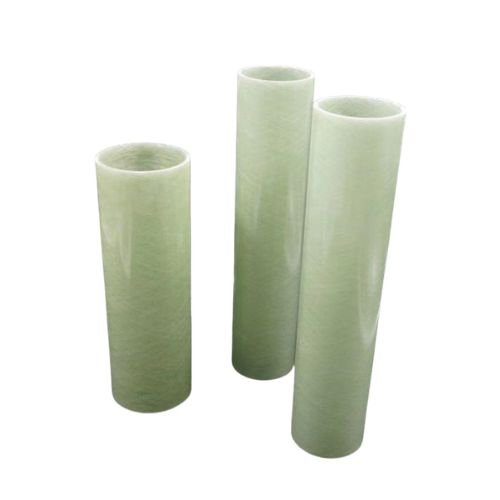
Using vinyl ester resin, its strong resistance to oxidation makes it highly suitable for use in the papermaking and chlor-alkali industries, effectively extending the lifespan of equipment.
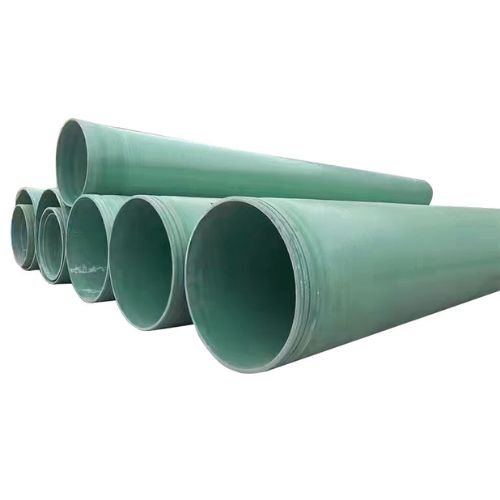
Using a continuous winding process ensures extremely high mechanical strength and structural stability, commonly used in various pressure pipelines and oil and gas transportation.
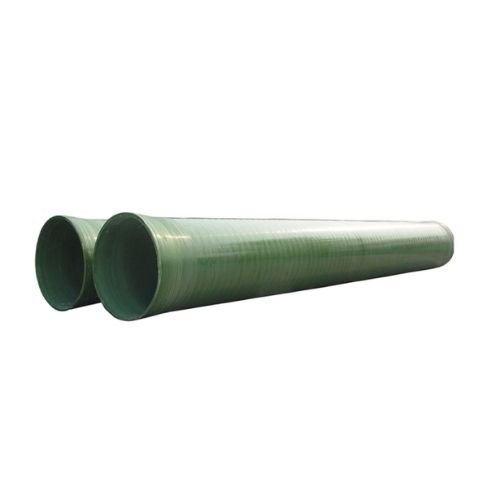
It can precisely control the layup to adjust strength, enabling it to adapt to different pressures and temperatures. It is often used in medium and high-pressure process pipelines.
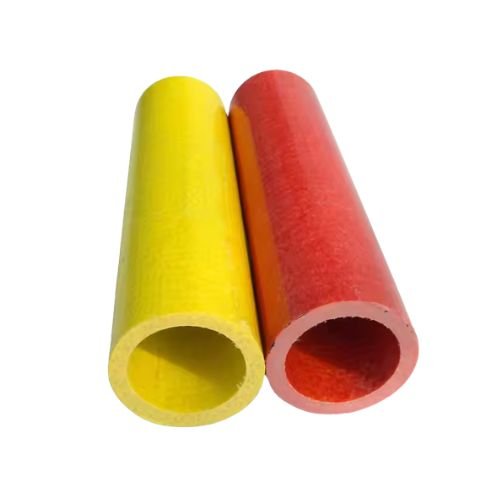
It is formed through high-speed rotation, ensuring an extremely dense pipe wall and fundamentally eliminating micro-pore leakage. It is suitable for seawater treatment and the transportation of highly corrosive media in chemical plants.
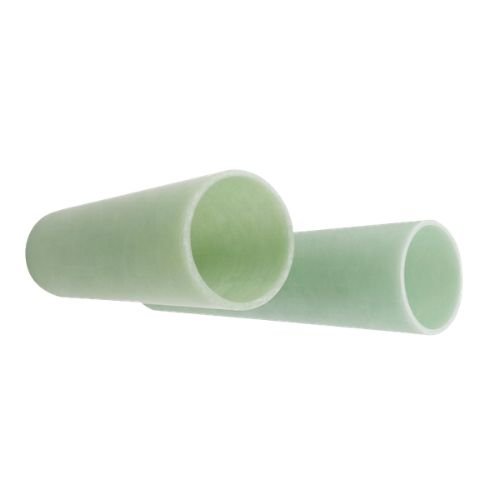
Fibers are manually laid, and resin is brushed on by workers. It allows for a high degree of customization and is suitable for non-standard FRP components to meet the requirements of special working conditions.
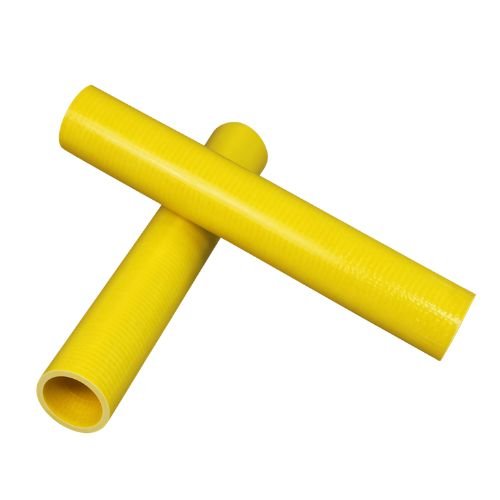
Use a spray gun to spray mold fiberglass and resin, commonly used to make complex-shaped pipes. It does not require large equipment and has a very low production cost.
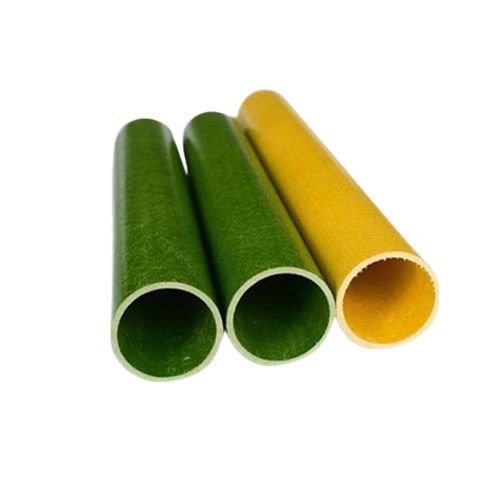
It is formed by tension pulling and has extremely high axial strength, and is suitable for supporting structures in the power industry.
Features of FRP Process Pipe

FRP materials can resist acids, alkalis, salts, and organic solvents, requiring no protective coatings or manual maintenance, thus avoiding perforation and downtime caused by corrosion.

FRP process pipes with added silicon carbide have 2-3 times the wear resistance of ordinary steel, effectively resisting erosion from solid particles and preventing perforation.

FRP process pipes can flexibly choose resin systems to cope with working environments with different temperatures, ensuring no softening or deformation under high temperatures.

FRP process pipes achieve a tensile strength of 300MPa at ¼ the weight of steel, making them well-suited for projects in mountainous or overhead areas, significantly reducing transportation and installation costs.

FRP process pipes using a mirror polishing treatment have a smooth inner wall, preventing high-viscosity materials from sticking, reducing cleaning frequency.

Different manufacturing processes can emphasize different performance characteristics, avoiding unnecessary budget spending on extra features.
Almost Zero Maintenance Costs
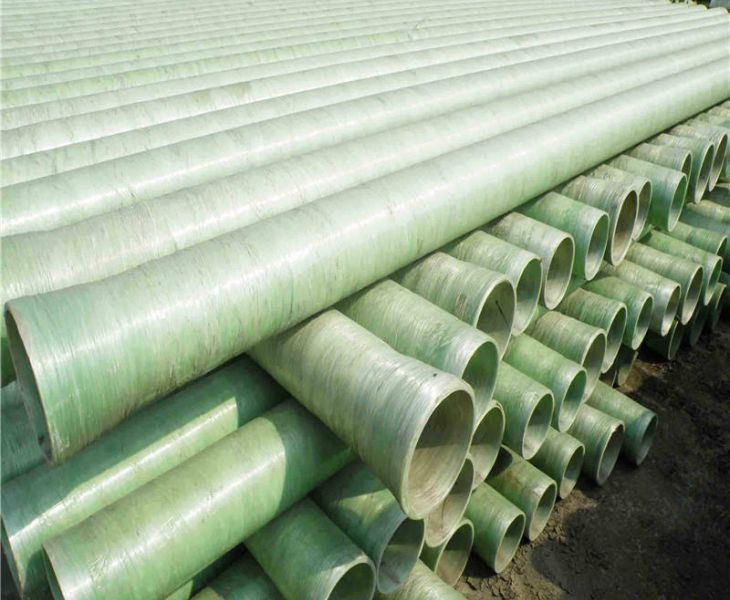
As a reliable FRP pipe manufacturer in China, we customize FRP process pipes according to your pipeline requirements, which can perfectly address corrosion and wear issues. They require nearly no maintenance over a service life of up to 50 years, saving maintenance costs and avoiding production stoppages caused by frequent replacements.
Strong Installation Adaptability
FRP process pipes have a light self-weight, making them easy to handle and position during installation. They can easily adapt to various installation environments, including overhead or buried settings, reducing installation time and saving costs of large equipment use.
Applications of FRP Process Pipe

The FRP pipe made of vinyl ester resin has excellent corrosion resistance and wear resistance. It effectively resists the erosion of slurry, ensuring the normal operation of the flue gas desulfurization system and reducing the downtime risks.

FRP process pipes can be customized with resin matrices and manufacturing processes to adapt to various chemical media, thus avoiding the high cost of frequent pipe replacement.

FRP process pipes can be applied to various types of municipal projects, such as overhead, underground, and pipe jacking. Their excellent comprehensive performance ensures a lifespan of several decades.

Their strong resistance to chloride ion corrosion enables them to withstand the marine environment. Its light self-weight can also be used in pipelines of ships, reducing the hull weight and enhancing the cargo-carrying capacity.

It can resist the corrosion of acids, alkalis, and salts in the soil when irrigating crops. It can also be used as ventilation pipes in agricultural greenhouses to reduce the maintenance costs of agricultural equipment.

Food-grade FRP process pipes have a smooth inner wall that does not harbor bacteria or release harmful substances. It can be used to transport drinking water, seasonings, and other products, ensuring food safety and quality.
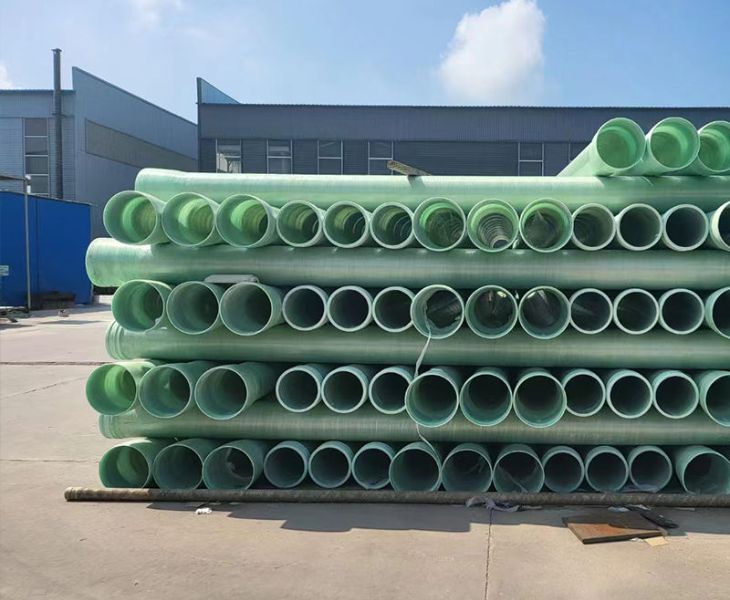
FRP process pipes have good toughness and impact resistance and will not be easily damaged during normal transportation. As an experienced FRP pipe supplier in China, we understand the importance of transportation safety. To ensure product quality upon delivery, we place soft cushions between each layer of FRP process pipes to relieve vibration and friction, and use elastic ropes for bundling and securing.
Our FRP process pipes use an overall coloring process, and the color is integrated into the resin instead of adhering to the surface. It will not fade due to long-term use. For pipes that are exposed to long-term sunlight, we add ultraviolet absorbers to the FRP process pipes, ensuring that they will not show significant fading even under long-term sunlight, keeping your piping system looking professional and aesthetically pleasing.
The fiberglass of the FRP process pipes will not come off under normal use. The resin content of FRP process pipes is as high as 90%. It forms a dense lining layer that completely encases the fiberglass, preventing fiber shedding from affecting the purity of the medium. If your pipeline is transporting high-purity media, we offer FRP process pipes with thickened linings.
We use a fully automated production line and monitor raw material ratios, winding angles, thickness, and other parameters in real time. Each FRP process pipe undergoes performance tests such as pressure, hardness, temperature, wear resistance, as well as visual inspection, before leaving the factory to ensure that the FRP process pipes you receive have consistent quality.
For buried pipeline projects, the pressure of the medium is shared by the FRP process pipe and the surrounding soil. Therefore, we recommend using sandy soil as the filling material around the pipe to avoid pipe settlement and deformation.
What Are FRP Process Pipes?
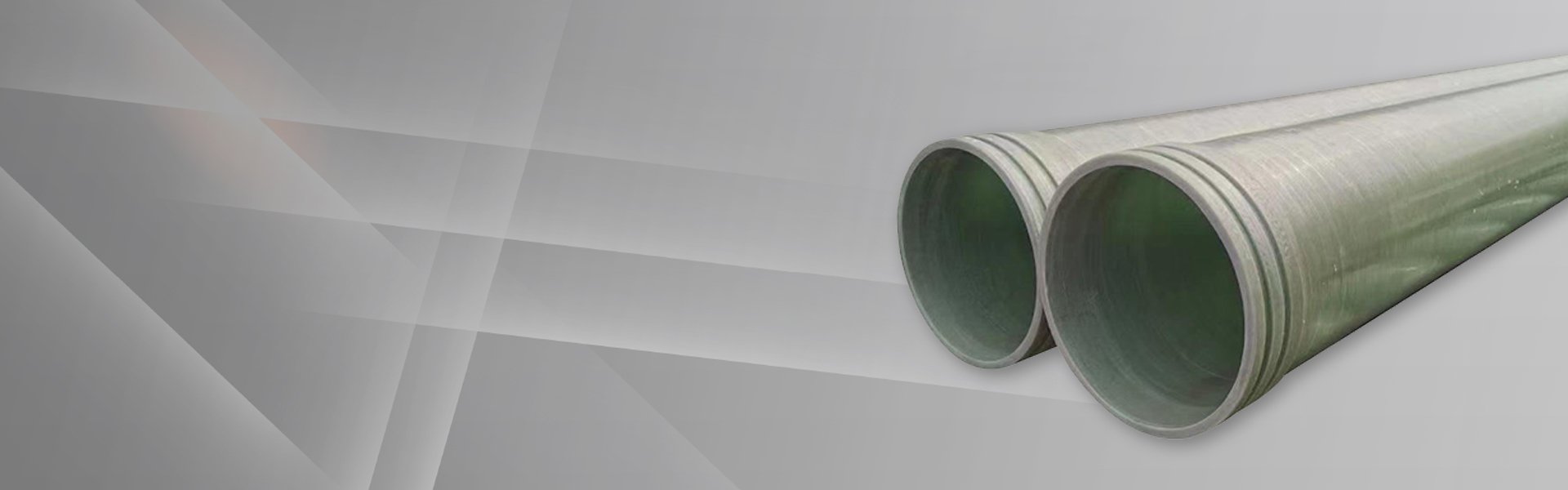
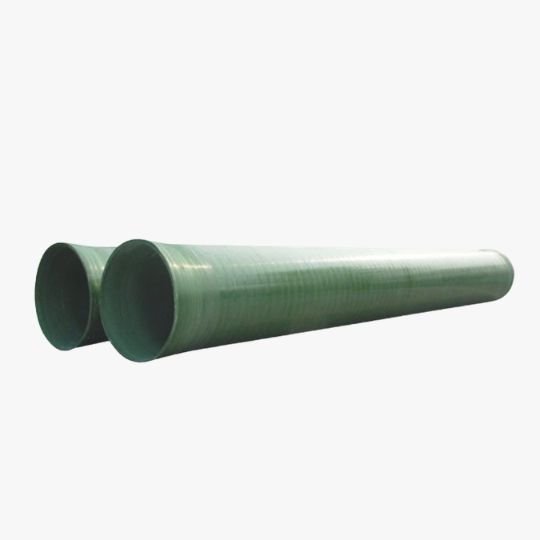
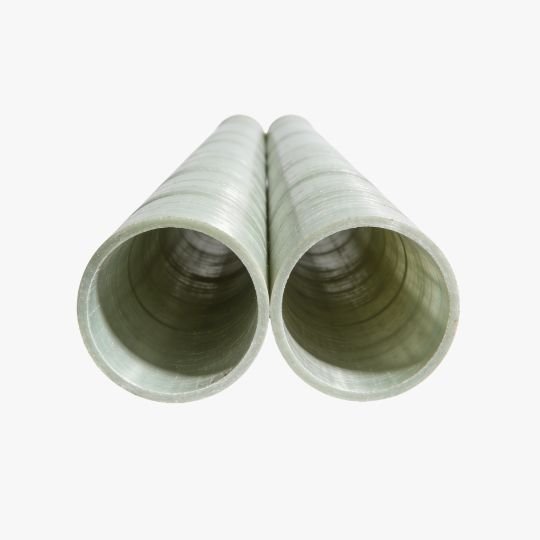
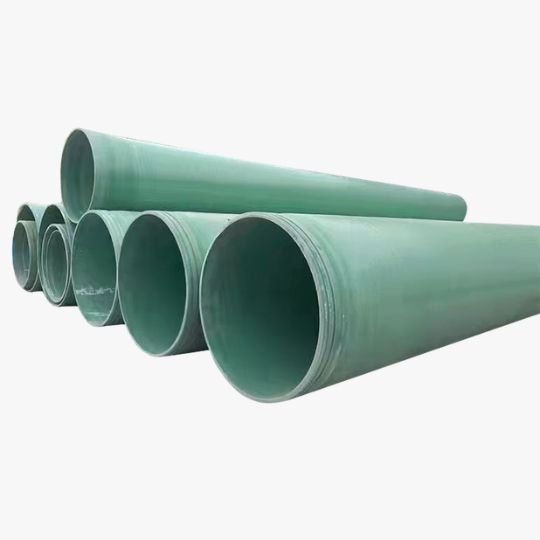
FRP process pipes are composite material pipes made with glass fibers and resin matrices through specific techniques. Unlike metal pipes, their wall structure can be flexibly designed to resist specific media and environments.
How to Choose The Appropriate FRP Process Pipe?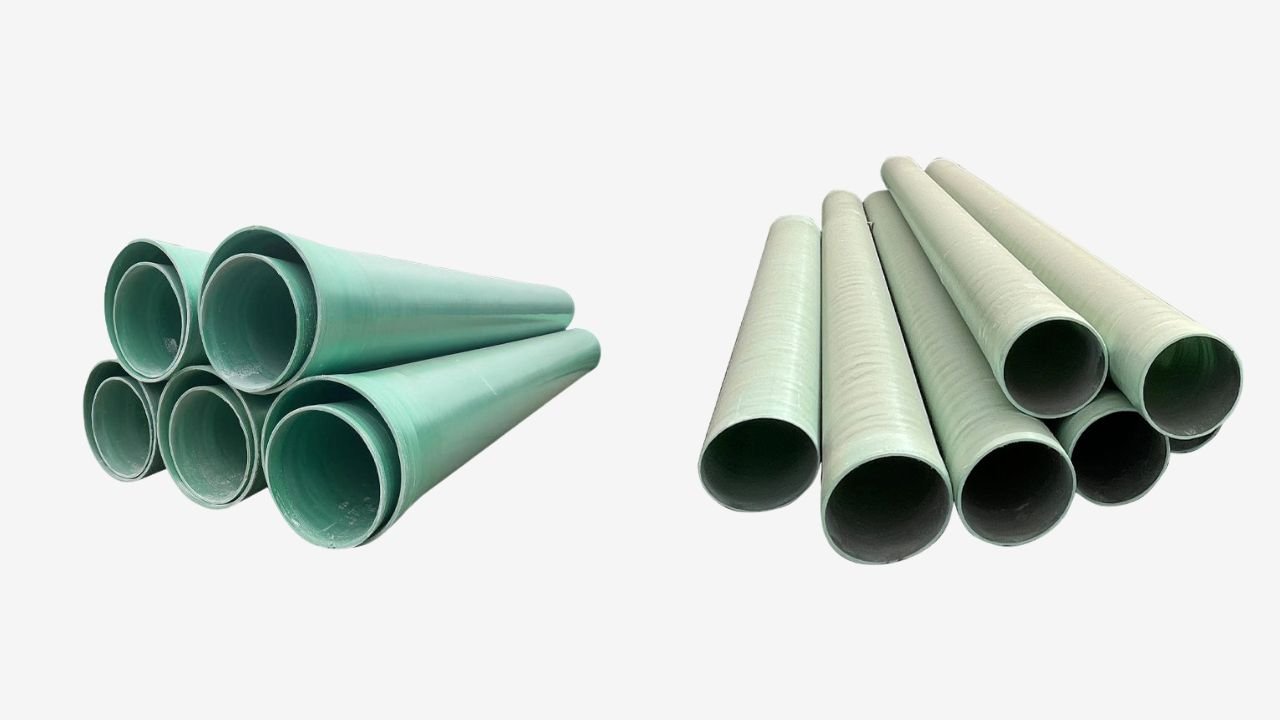
FRP process pipes need to be selected according to your project’s working conditions. The thickness and process of the pipes not only affect the performance of the pipes themselves but also relate to the safety and cost issues of your project.
Transport Environment
Temperature
A Normal Temperature Environment of <50℃
For normal temperatures below 50℃, we recommend ordinary polyester FRP pipes, whose glass transition temperature ranges from 60-80℃. They perform well under 50℃ and have basic performance and rigidity. Choosing polyester FRP pipes ensures you don’t pay for additional functions of FRP pipes.
A Medium-Temperature Environment of 50℃-100℃
Epoxy FRP process pipes can withstand high temperatures of 120℃ without softening or deforming, and can maintain 90% mechanical properties in a 50-100℃ environment. If your project involves a flue gas desulphurization system, where higher temperatures and structural toughness are required, we recommend epoxy FRP process pipes.
A High-Temperature Environment of >100℃
Extreme environments above 100℃ not only test the performance of FRP process pipes but also require attention to the damage high temperatures cause to equipment. Special vinyl esters have high molecular chain rigidity and a high glass transition temperature. It remains 70% strength at 120°C, so they are suitable for high-temperature chemical processes and can avoid downtime risks and safety accidents caused by pipeline failures.
Pressure
The pressure of your pipeline system determines the thickness and the material layering method required for pipe operation.
Positive Pressure Environment
The pressure environment of most pipeline systems is positive pressure. They do not have special precautions when selecting FRP process pipes. It is only necessary to calculate the fiber distribution during winding based on the wall pressure and direction, in order to choose the FRP pipes with customized thickness and layering.
Negative Pressure Environment
If your piping system has devices such as vacuum filtration, degassing, siphoning, or pump suction, you need to pay special attention to the thickness and structural rigidity when selecting FRP process pipes.
When the rigidity or thickness is insufficient, the pipes are prone to being sucked in or collapsing. We recommend thickened centrifugal cast FRP process pipes for the vacuum system, and their extremely high hoop rigidity can prevent collapse.
Steady Pressure
If the pressure in your piping work environment is relatively stable, we recommend FRP process pipes made with the winding process. The evenly arranged fibers inside can withstand constant pressure, ensuring the stability of the piping system under long-term steady pressure.
Fluctuating Pressure Environment
If your piping system is equipped with pumps and valves, its non-continuous transportation can cause significant pressure fluctuations in the pipes. Therefore, we recommend FRP process pipes with good pressure and impact resistance, such as epoxy FRP pipes and high-toughness vinyl ester FRP pipes.
Transport Medium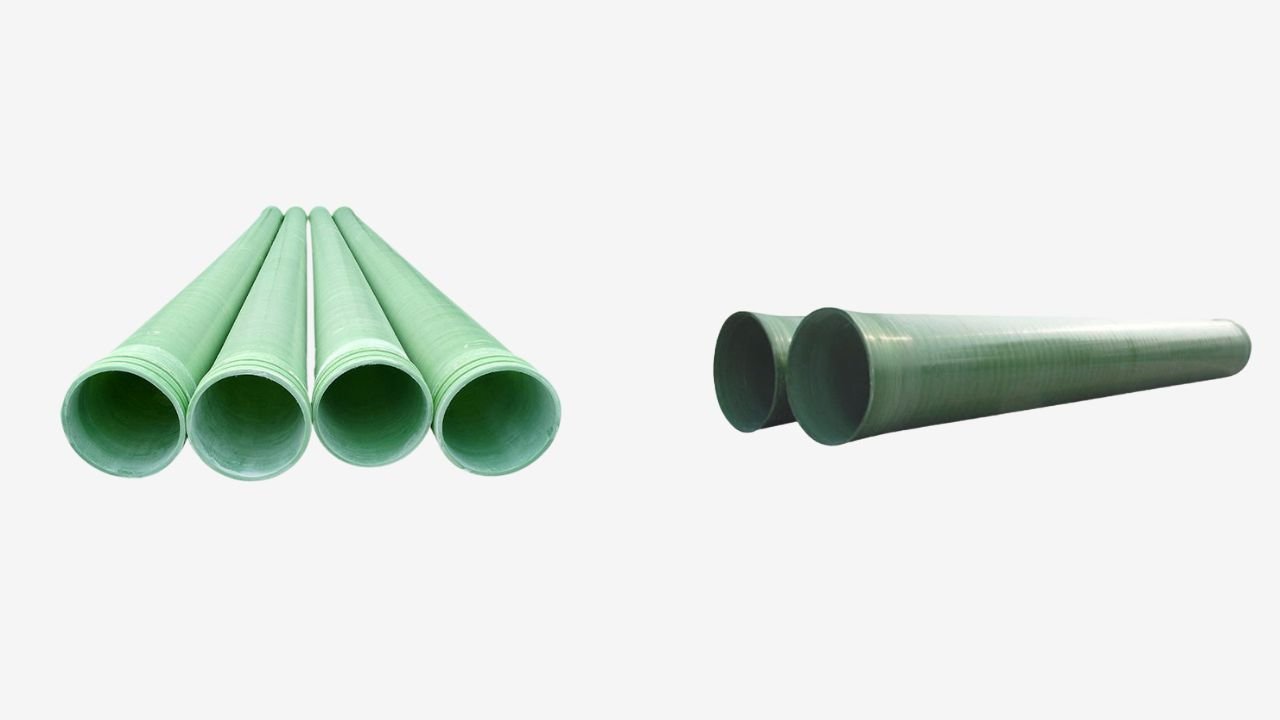
The medium content directly determines the requirements for the pipeline performance.
By Corrosiveness
General Corrosiveness
For generally corrosive media, such as water and ordinary sewage, the requirements for pipe corrosion resistance are not high. We recommend polyester FRP process pipes, which have basic corrosion resistance and are a cost-effective choice for generally corrosive media.
Moderately Corrosiveness
For moderately corrosive media, such as dilute hydrochloric acid and low-concentration acidic or alkaline solutions, we recommend vinyl ester FRP pipes, which offer better corrosion resistance than polyester FRP pipes while remaining reasonably priced.
High Corrosiveness
For strong bases and organic solvents such as NaOH, KOH, benzene, esters, alcohols, etc., we recommend epoxy resin FRP process pipes, which have a dense cross-linked structure and the best alkali resistance.
For strong acids and strongly oxidizing media such as H₂SO₄, HCl, HNO₃, NaOCl, ClO₂, etc., we recommend vinyl ester FRP process pipes. They have a stable epoxy main chain and the best resistance to strong acids. Their low ester content also allows them to handle strong oxidizers well.
By Physical State
Powder and Granules
Powders, coal ash, granules, and other media cause significant wear to pipes. When transporting them, it is important to consider the wear-resistant properties of the pipe’s inner wall. We recommend FRP process pipes that have silicon carbide added, which can prevent punctures caused by particle abrasion.
Liquids
To improve the efficiency of pure water and food-grade water transportation, our FRP process pipes use mirror-grade polishing treatment, greatly reducing transport resistance. Their smooth inner walls prevent bacterial growth, ensuring the purity of the transported liquids.