Here is the first truth you should hold dear as you read this piece; choosing the correct FRP grating is not as simple. Whenever you choose one, you are making a structural and safety investment decision too.
Choosing wrongly can cause excessive deflection, premature degradation, and even costly retrofits. So to choose well, you need a comprehensive guide.
This FRP grating selection guide is all you need to confidently specify the right fiberglass grating system for yourself.
What Is FRP Grating?
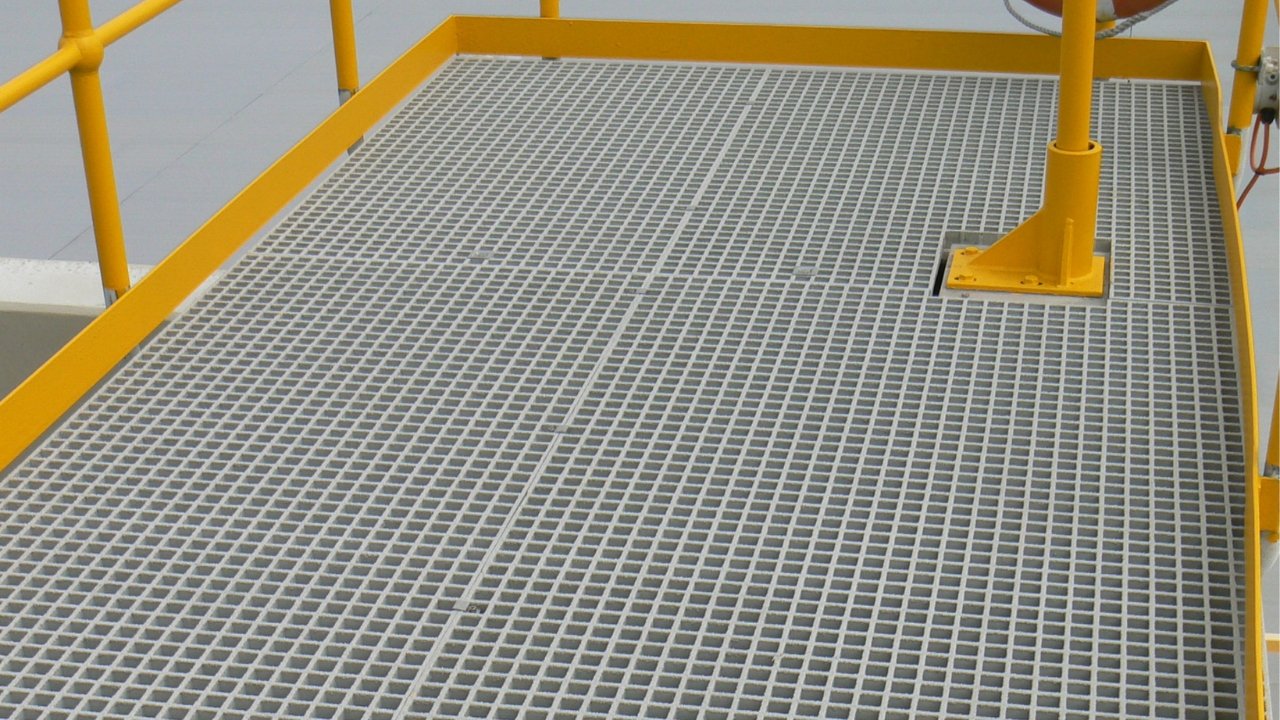
Fiber Reinforced Plastic or Fiber Reinforced Polymer (FRP) is an engineering composite material. It is mostly used in flooring or as floor panels.
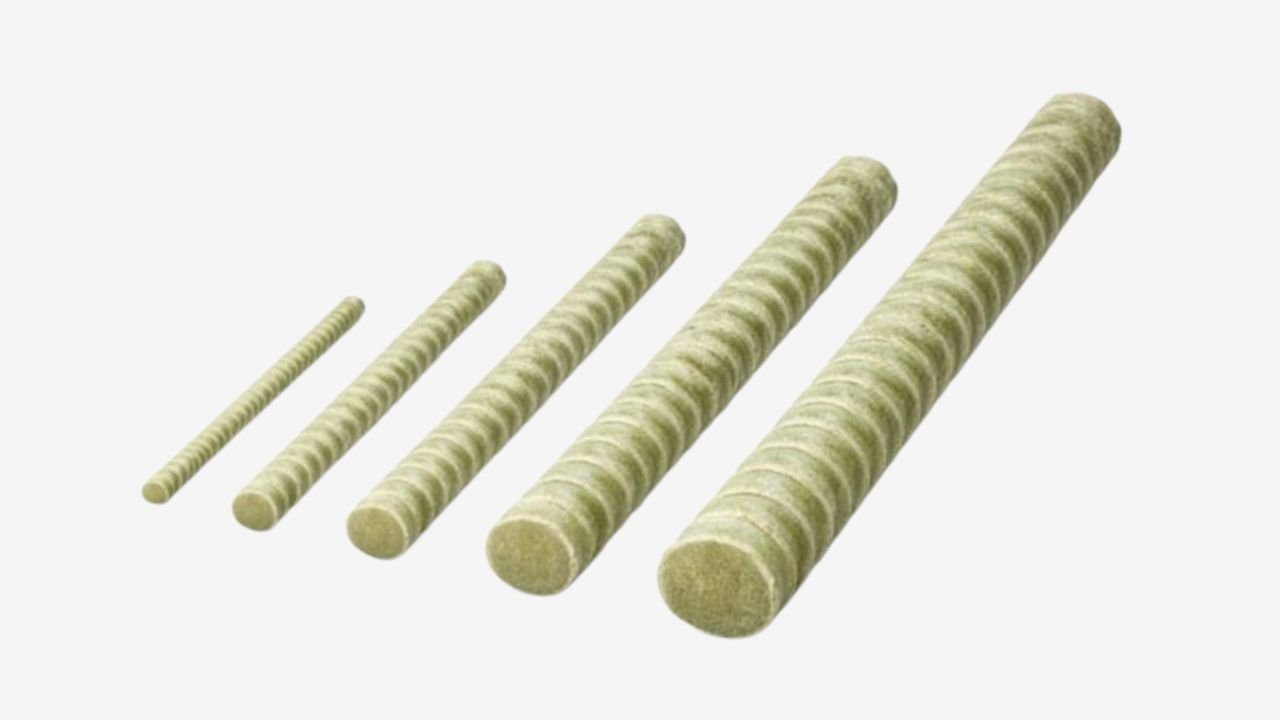
FRP consists of high-strength glass fibers laid in a thermosetting resin matrix. These high-strength glass fibers give FRP its strength. Resin, on the other hand, acts as a binder; it binds the structure. Aside from binding, resin resists rusts and protects the environment.
Generally, FRP grating panels are used in industrial platforms, walkways, trench covers, mezzanines, and so on. You use them in instances where you need corrosion resistance, lightweight properties, electrical insulation, and long service life for your floors.
Key Properties to Look Out for When Selecting FRP Grating
Making the right choice of FRP grating can be daunting, so you need a guide that you can follow. The main things to look out for when selecting FRP for your business include:
1. Know the FRP Grating Manufacturing Type You Want
There are different types of FRP grating, and each of these types has its own manufacturing processes. These different types influence the resultant FRP grating you end up with.
The three most common types of FRP grating widely used are the molded, pultruded, and covered FRP gratings.
To make the molded type of FRP grating, you place layers of continuous glass fiber in a mold pre-saturated with resin. Molded FRP grating is often uniform in both directions. It can hold pedestrian traffic or just average rolling loads, so it is better for general walkways, chemical plants, wastewater facilities, etc.
As for pultruded FRP grating, it is made by continuous fiber reinforcement. It has a higher load-bearing performance as this time, you longitudinally align the glass fibers.
Pultruded FRP grating is stiffer with reduced deflection. It is also capable of supporting heavy equipment over extended distances. Thus, it is the most often used in oil and gas platforms, refineries, and heavy manufacturing plants.
Covered FRP grating has a solid top construction which prevents debris from entering. It has bonded grit surfaces to improve safety. It is best for food processing and pharmaceutical environments where you need to control the rate of contamination.
2. Define the Load Requirements
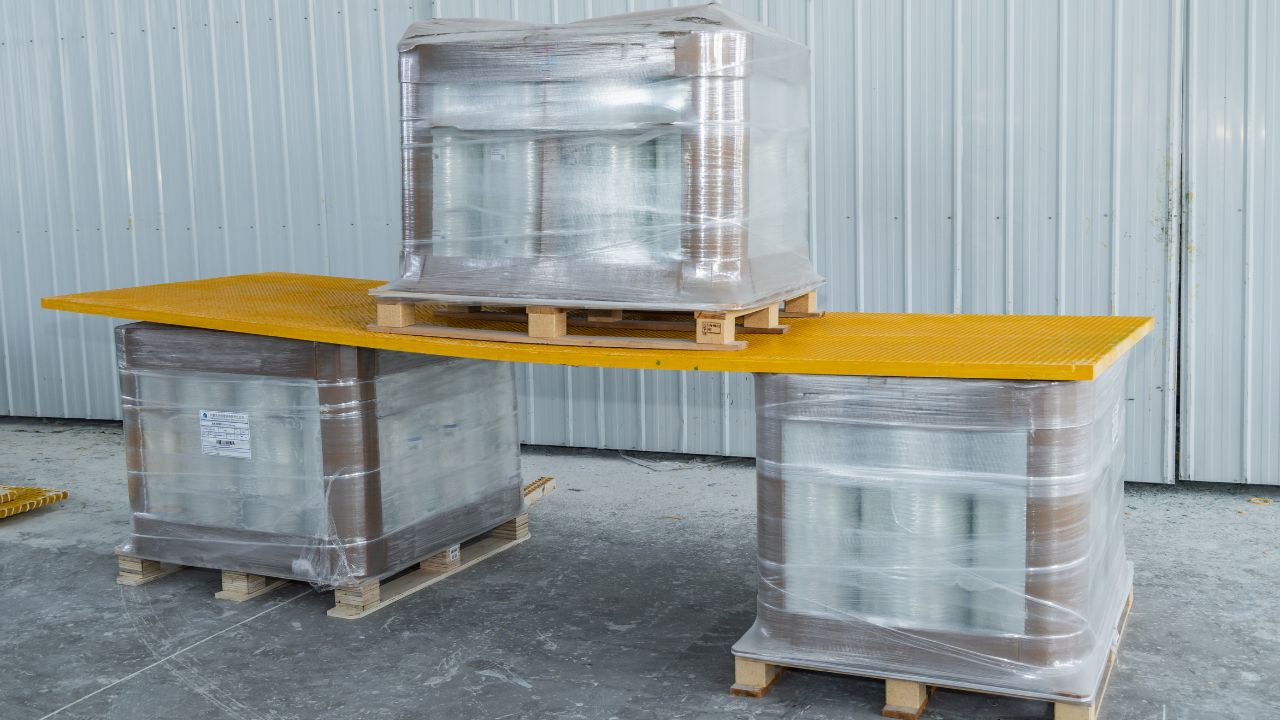
Aside from knowing the type of FRP grating you need for your business, analysing the load is as critical in FRP grating specification.
Basically, the load requirements may be uniform or concentrated. Uniform loads are distributed loads like evenly placed equipment. Concentrated loads are one-point loads like rolling carts, toolboxes, or equipment legs.
This is important to make a selection as FRP manufacturers provide deflection tables based on either of these conditions. As an engineer, you must verify both static and dynamic load requirements for the best results.
As you define the load requirements, you must also know:
The deflection limits
When someone talks about the deflection limits of something, they are referring to the highest allowed vertical or lateral displacement of structural elements under load. What they do is to prevent cracks in finishes and to ensure the comfort of your user.
Deflection limits are more popularly expressed as a ratio of span length such as L/360 and L/200.
Now, L/200 is the common industrial walkway standard. On the other hand, L/360 is used when you need only minimal visible flexing.
Excessive deflection may not cause structural failure but can create psychological discomfort, equipment instability, and long-term fatigue damage.
OSHA Considerations
The Occupational Safety and Health Administration (OSHA) requires all walking or working surfaces to be safe when supporting loads. Although OSHA does not prescribe specific deflection ratios, it requires that platforms maintain structural integrity while in service
Safety Factors
The safety factors are either 2.0 or 3.0, depending on the load, regulations, kind of environment, risk tolerance, and so on. Nevertheless, facilities such as oil and gas or power generation use higher safety margins.
3. Check the Span Length
The span length of FRP grating systems supports spacing as it directly influences the thickness and selection of the grating type.
The span length you choose may be long or short, and they all have special advantages. However, longer spans increase the deflection, bending stress, and long-term creep potential amongst other important factors.
An average grating spans range from 600 mm to 1500 mm depending on thickness and load. But for pultruded grating, it is often better that you use longer spans due to directional reinforcement.
After you choose the span length, you should verify the manufacturer’s span tables under both uniform and concentrated load conditions, too.
4. Know All Resin Types and Their Chemistry
The resin chemistry is important as well, as it gives you an idea of the extent of corrosion, fire performance, and durability. For FRP grating systems, you can use different types of resin. However, polyester, vinyl ester, phenolic, and epoxy resin are the most common.
Polyester resin is economical and only stands exposure to mild chemicals, so it is suitable for general FRP grating. Vinyl ester resins are more durable and resistant to harsh chemicals, so they are preferred in wastewater and chemical processing plants.
Phenolic resins have exceptional fire resistance, so they are great for offshore platforms and enclosed facilities you handle. They also often include fire testing.
Epoxy resins have the highest mechanical strength and enhanced adhesion properties, so they are mostly used for specialty applications.
Even when you are aware of the type of resin fit for your application, you must make sure that selecting the most suitable resin is based on verified chemical compatibility charts.
5. Environmental Conditions
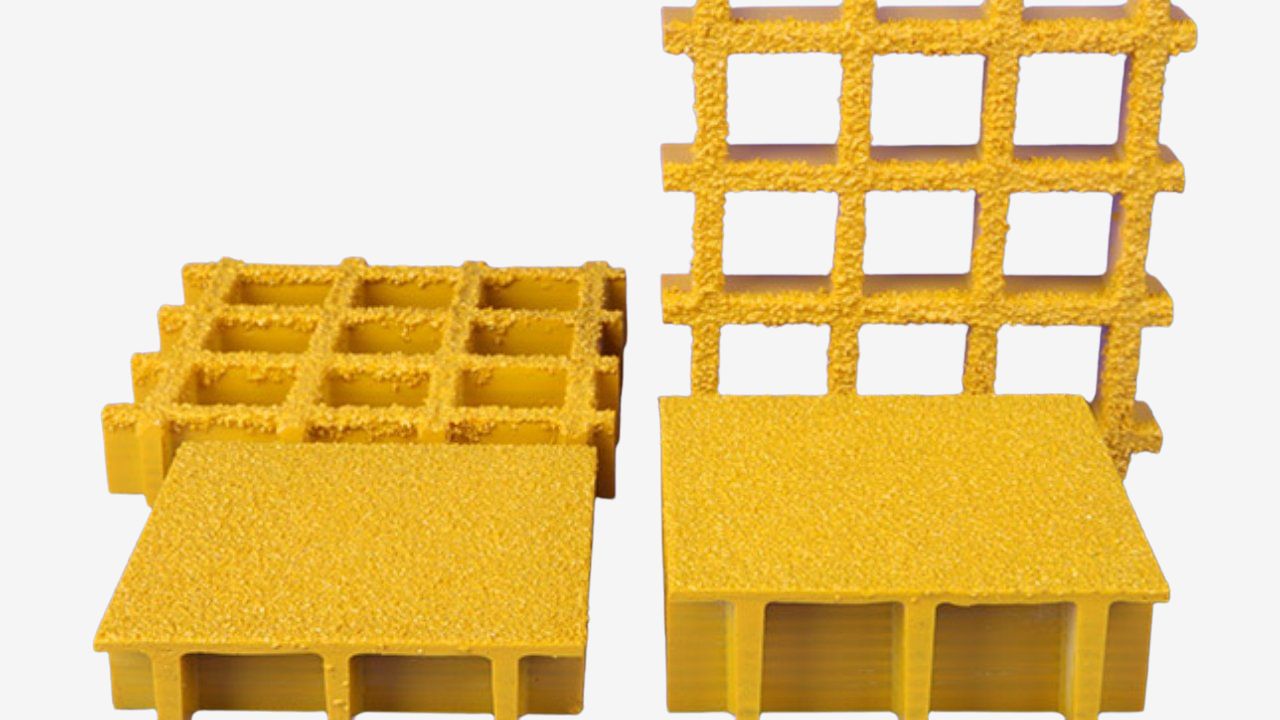
The chemical environment of the place where you need the FRP grating is important to prevent accidents and cut costs.
Where the environment is one that is often exposed to aggressive chemicals like sulfuric acids, caustics, sodium hypochlorite, and the like, then using vinyl ester resin is more beneficial.
When you have to do the FRP grating installations outdoors, you need UV inhibitors or synthetic surface veils. These things will help you prevent resin chalking and fiber bloom.
Unlike steel, FRP does not rust when placed in moisture. Hence, you can use it for coastal facilities, wastewater plants, marine docks, and other applications where corrosion is likely to happen.
Regardless of the type of resin, FRP gratings mostly operate effectively between -50°C and 100°C. But where the application is at a higher temperature, phenolic systems are better. Phenolic resins offer stability at high temperatures.
6. Be Sure of the Slip Resistance Requirements
Some FRP grating engineers may ignore this, but they are necessary to have the best results. Slip resistance is non-negotiable in oil processing complexes, food production plants, chemical washdown areas, and all industries in general.
Industrial safety mandates slip-resistant walking surfaces. Options you can use to ensure slip resistance include integral grit surface, bonded aluminum oxide grit, and quartz aggregate finishes.
7. Understand the Fire Rating Requirements
Generally, the fire performance of an FRP grating is graded using ASTM standards. The primary test you use is the ASTM E84 (Steiner Tunnel Test). This test measures the Flame Spread Index (FSI) and the Smoke Developed Index (SDI).
Fire-rated systems are vital for offshore platforms and power plants. Phenolic FRP gratings are sought after for higher fire requirements as they have FSI ≤ 25 and reduced smoke generation.
8. Know the Panel Size and Layout Efficiency
The standard panel dimensions reduce fabrication waste. But sometimes, you may have custom demands. And custom panel sizing may minimize cutting, improve structural alignment, and reduce installation time.
You need a proper layout too. Proper layout planning can significantly reduce the total installed cost.
Cost Factors You Must Consider in FRP Grating Selection
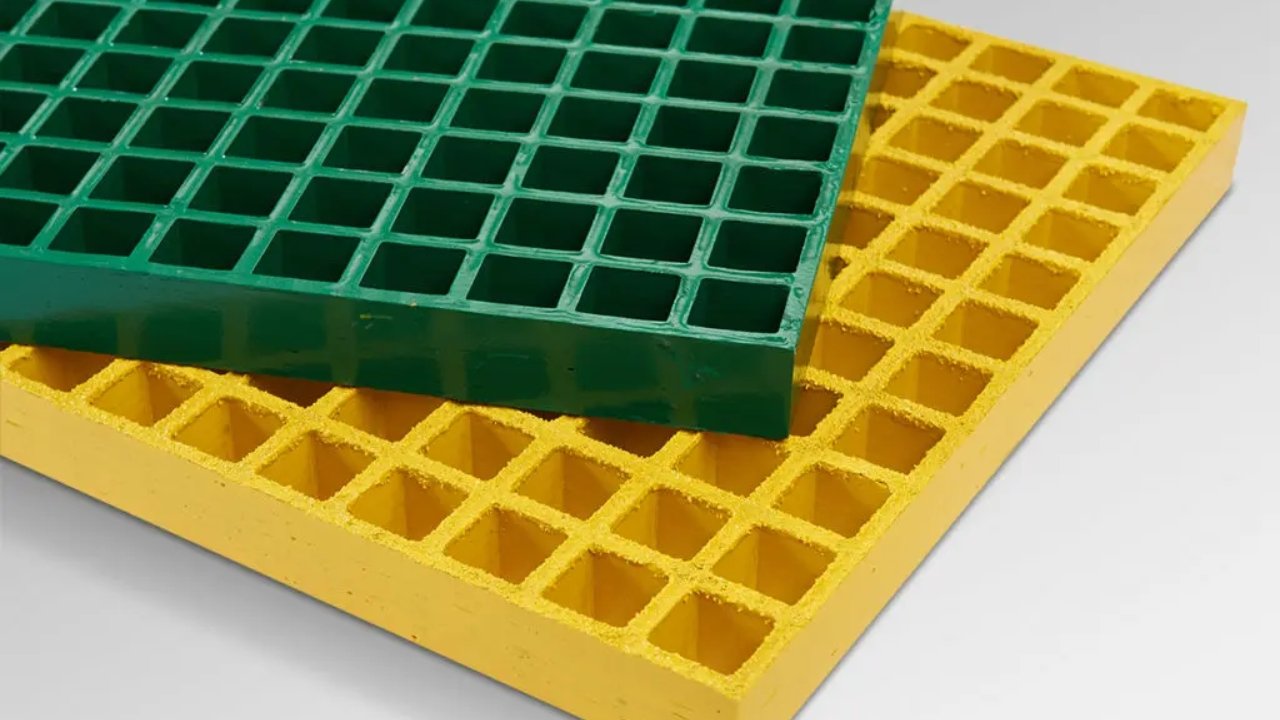
Various factors influence the cost of FRP grating when selecting, and they include:
Material Grade
The higher the glass content of the FRP grating, the higher the strength and cost.
Resin Type
Generally, vinyl ester and phenolic systems cost more than general-purpose polyester.
Panel Thickness
Having thicker panels increases the load capacity and price of the FRP grating system.
Surface Finish
When you use gritted finishes, you will spend more as they have a higher material and labor cost.
Custom Fabrication
Cut-outs, banding, and special sizing have a higher fabrication cost compared to standard FRP gratings despite the size.
Freight and Installation
Thankfully, FRP is lightweight. Its lightweight nature reduces the cost and labor of shipping compared to steel. Also when you consider the lifecycle cost (including corrosion prevention, repainting, and downtime), FRP has a superior long-term value.
Recommended FRP Grating When Selecting for Specific Industries
| Industry | Recommended FRP Type | Preferred Resin Type |
| Chemical Processing Plants | Molded or Pultruded | Vinyl Ester |
| Wastewater Treatment Systems | Molded | Vinyl Ester |
| Oil and Gas Plants | Pultruded | Phenolic |
| Food and Beverage Plants | Covered or molded will serve | Polyester |
| Marine Applications | Molded | Vinyl Ester |
| Power Plants | Pultruded | Phenolic |
Common FRP Grating Selection Mistakes to Avoid
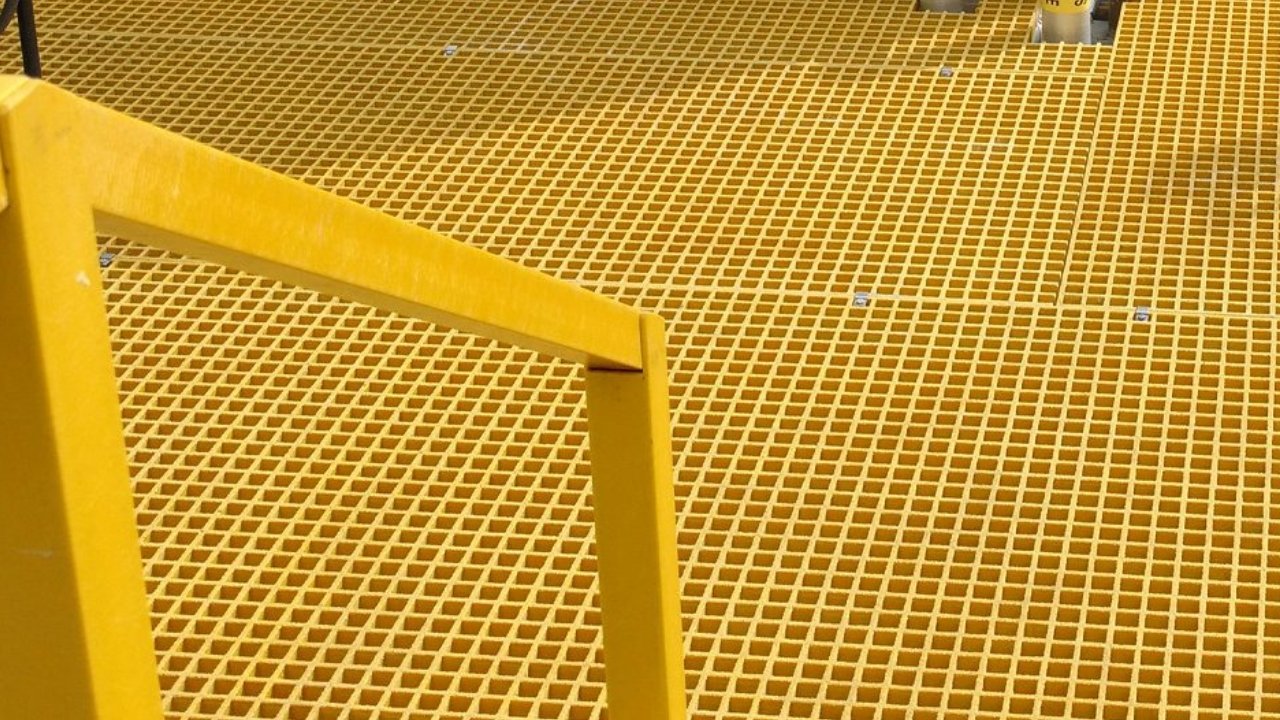
To have the best results when selecting FRP grating, you should carry out a thorough engineering review and supplier consultation. Aside from these, mistakes that you must make sure to avoid as they can cause grave consequences include:
- Underspecifying load capacity
- Ignoring chemical compatibility
- Choosing the incorrect resin type
- Overlooking UV degradation
- Failing to account for fire code compliance
- Not reviewing manufacturer deflection tables
FAQs
What thickness FRP grating do I need?
The right FRP grating thickness that you need depends on the load and span requirements. Nevertheless, the most common thicknesses used by many engineers include 25 mm (1″), 38 mm (1.5″), and 50 mm (2″).
Is FRP grating stronger than steel?
No, it isn’t, although it is strong. Steel has the higher absolute tensile strength, but FRP gratings are lighter weight, although they provide an excellent strength-to-weight ratio in harsh environments.
How long does FRP grating last?
It depends on several factors, but a properly specified FRP grating can last for 20–30 years or more in corrosive industrial settings.
Can FRP grating be used outdoors?
Yes, you can use FRP grating outdoors. UV-stabilized FRP is used outdoors and in marine environments.
Why is FRP grating used instead of steel or aluminum?
There are many reasons why FRP grating is preferred over other options that you can use. To start, FRP grating is corrosion-resistant, non-conductive, lightweight, low-maintenance, and more cost-effective over its lifecycle.
What is the difference between molded and pultruded FRP grating?
Molded FRP grating is resistant to chemicals, and it offers bi-directional strength. Pultruded grating, on the other hand, has a higher unidirectional load capacity and longer span performance.
Why You Should Choose Primefrp
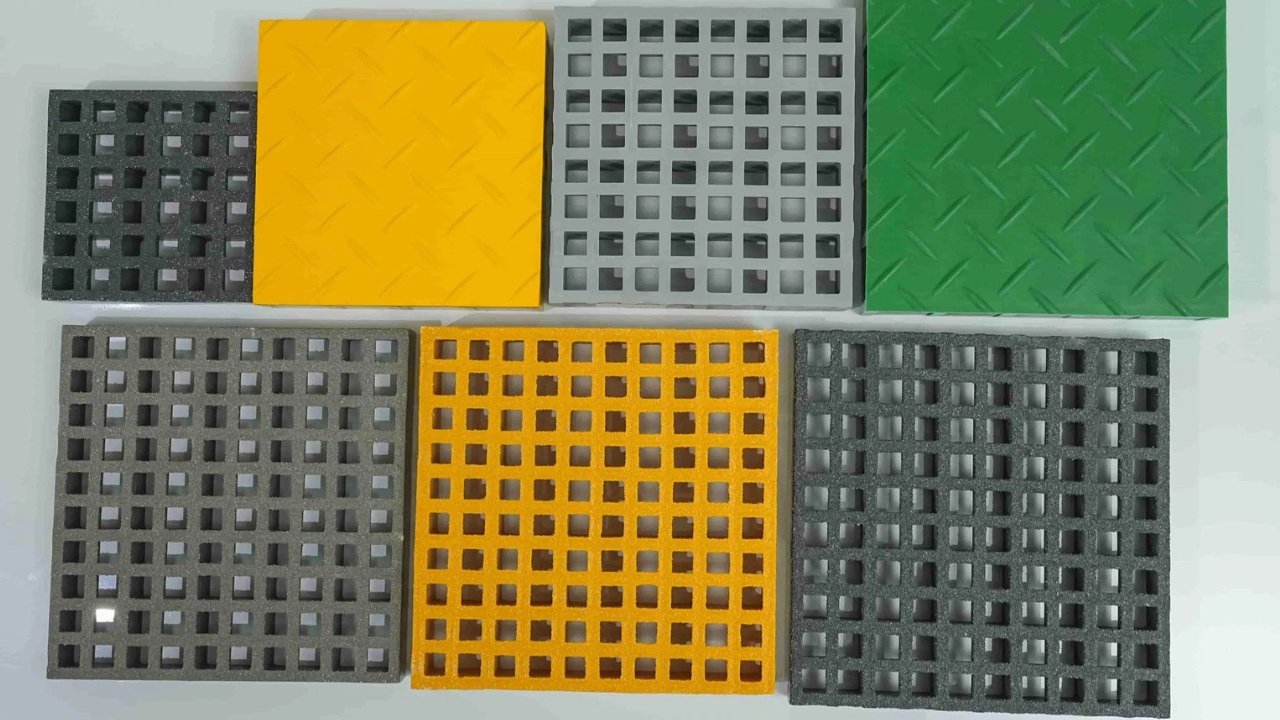
At Primefrp, we specialize in making and supplying high-performance and specially engineered FRP grating systems.
Our products align with different local regulations, and together with operators worldwide, we will deliver customized and technically correct composite flooring solutions tailored just for you.