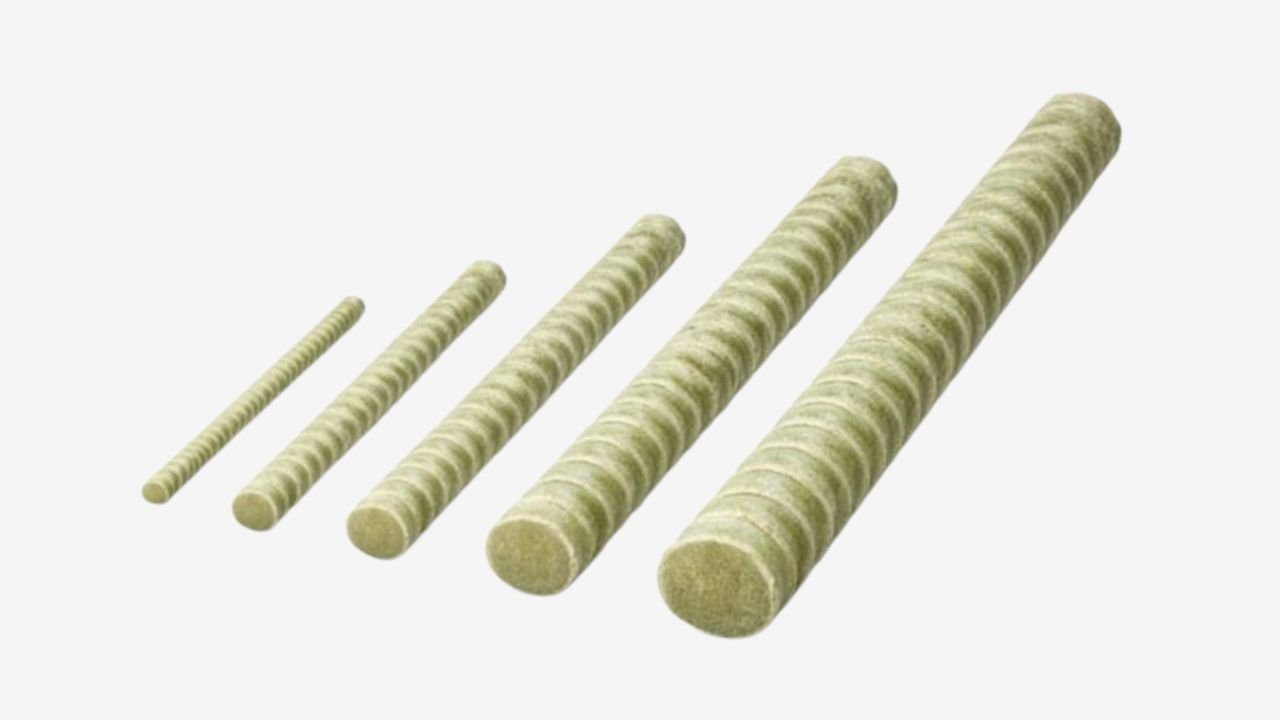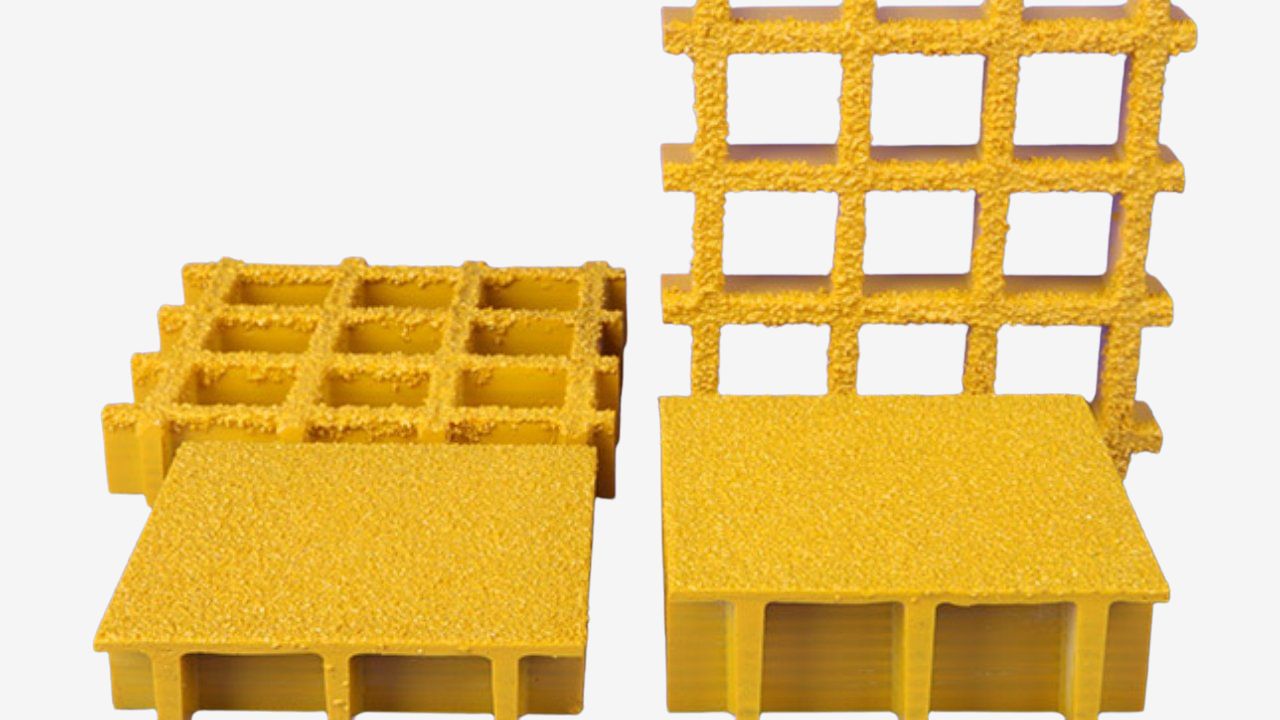
Mining operations can quickly turn into ticking time bombs if the recommended safety measures are disregarded. For most mines, safety starts with the materials used to construct the site’s infrastructure. Fiber-reinforced plastic is widely used in mining for various reasons, one being the safety it provides. Below, we examine FRP’s prominent use in mining sites and how it ensures safety.
Why is FRP Used to Improve Mine Safety
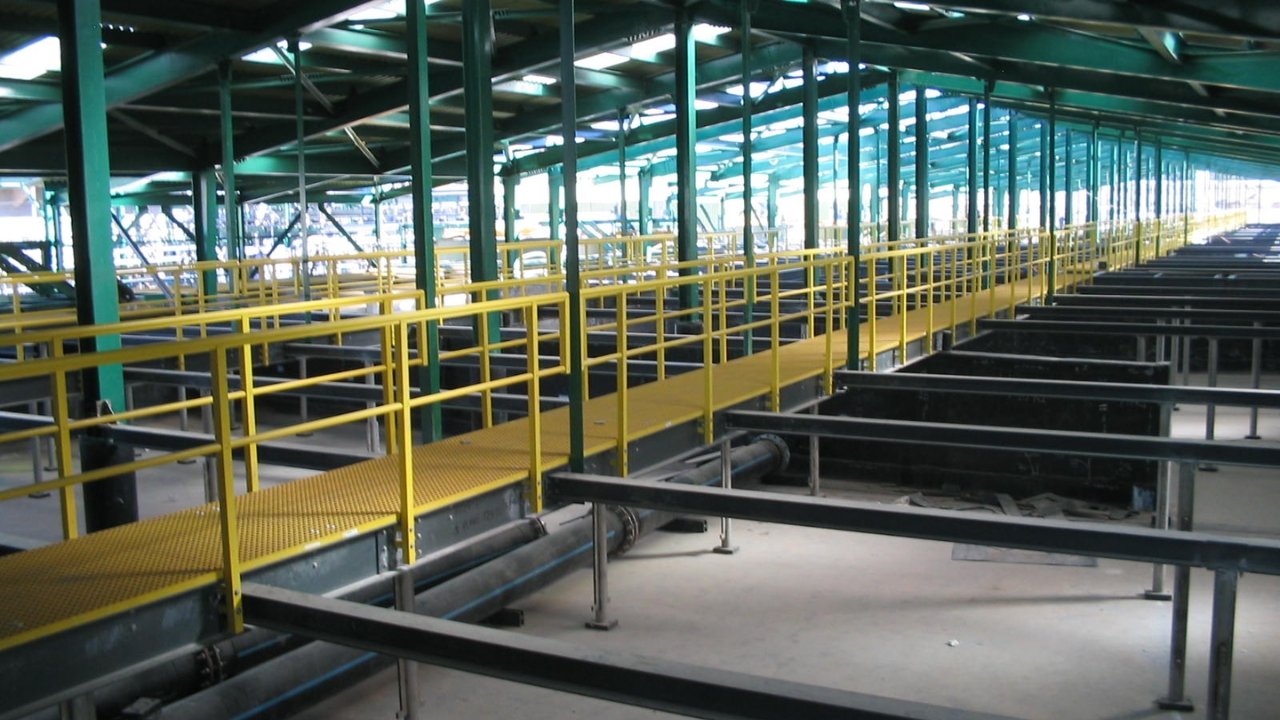
- Lightweight: FRP boasts great strength despite being relatively lighter. This means that its use in mining sites does not strain mining structures, consequently minimizing the risk of collapse.
- Corrosion Resistant: FRP reinforcements remain 100% impervious to rust despite being continuously exposed to chemicals and moisture. This maintains the integrity of mining structures and infrastructure.
- Highly Durable: Compared to traditional materials like steel, FRP demonstrates greater fatigue resistance, meaning it is less likely to break prematurely.
- Easy to Install: Thanks to FRP’s light nature, it is significantly easier to install, and this greatly minimizes the chances of accidental injuries during installation.
- Low Environmental Impact: FRP is essentially non-toxic, meaning it does not react with environmental factors, thus contributing to safer mining sites.
- Slip Resistant: Walkways made from FRP have a textured finish, which improves traction, consequently reducing the chances of slipping even in wet or oily conditions.
Use of FRP to Enhance Mine Safety
Mining sites are no strangers to accidents, some of which can be fatal. This emphasizes the need for having and observing elaborate safety protocols. Fiber-reinforced plastic contributes greatly to safer mining sites due to its high safety rating. Mining safety engineers exploit it in a number of ways to enhance safety.
· Guardrails
Mining sites are synonymous with pits, which can be a serious safety hazard for your operators if left unguarded. FRP’s strength, coupled with its lightweight structure, makes it the perfect material for constructing premium-quality guardrails for elevated walkways, pits, or even shafts. These guardrails do not crumble easily under force, consequently guaranteeing the safety of miners.
· Handrails
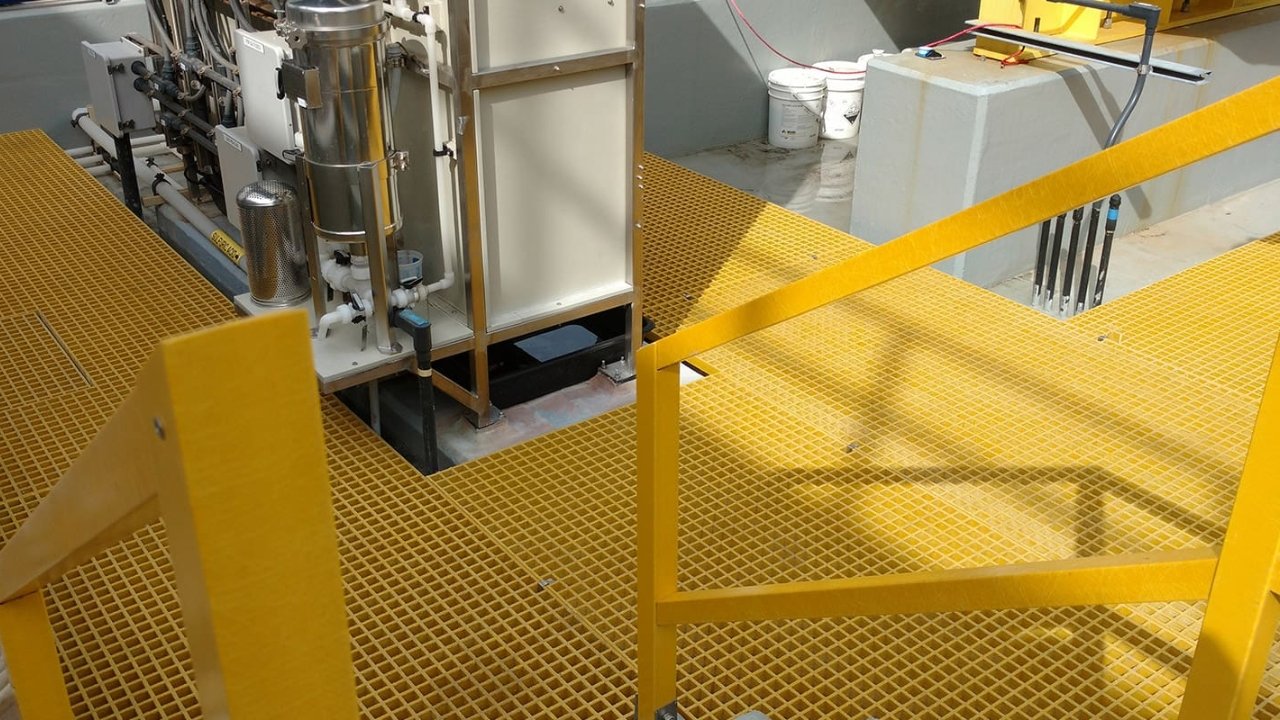
Handrails play a pivotal role in averting falls in mining sites, ultimately reducing the number of fatalities in these sites. FRP is greatly favored in the construction of mining site handrails thanks to its superior strength and slip-resistance. It is utilized to fabricate stable handrails that offer physical support as you move around elevated walkways, whilst doubling up as sturdy barriers against tripping and slipping.
· Safety Enclosures
Fiber-reinforced plastic is often used to construct sturdy machine guards, which keep you and your operators safe from the moving mining machinery components. These machine guards act as a barrier between you and your mining equipment, consequently protecting you from serious injuries. It is also exploited to generate operator cabins, which protect you from airborne debris and toxic dust. These safety enclosures also protect you from dangerously high noise, toxic fumes, and even falling rocks.
· Emergency Escape Routes
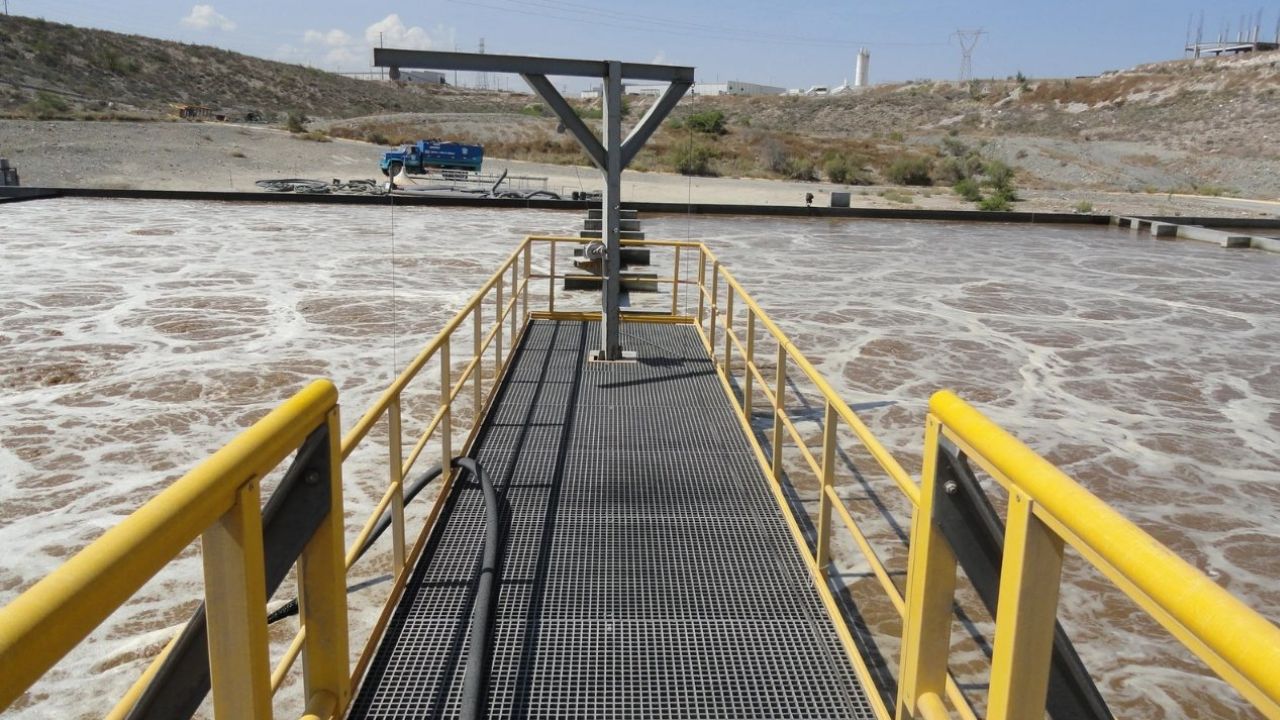
Emergency escape routes are a must-have for any mining site. They provide a safe escape route to surface exits, thus getting your personnel to safety and averting potential catastrophes. Most of these emergency escape ways, particularly the walkways and doors, are made from FRP. The walkways are particularly slip-resistant, making it easier to evacuate your personnel in case of a collapse, fire, or gas leak.
· Slip-Resistant Walkways
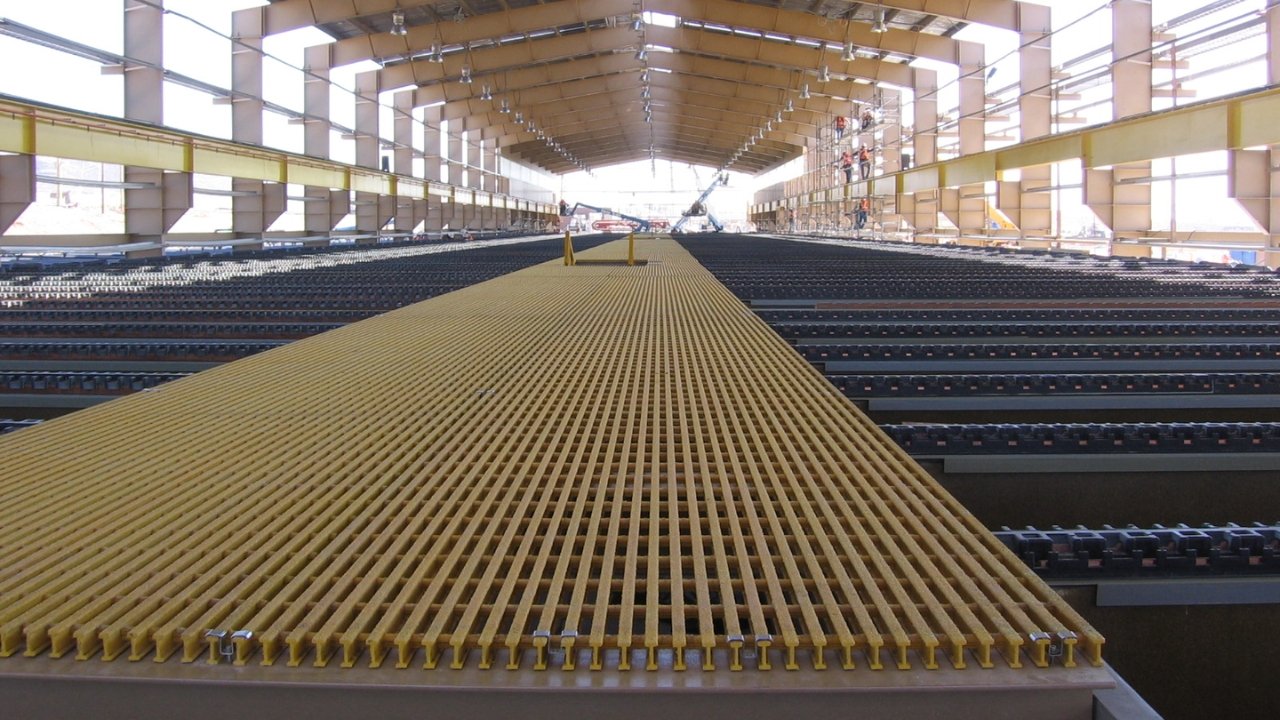
FRP’s superior traction has seen it become one of the most coveted materials for distinct mining infrastructure, especially walkways. It comes with a grit top surface, which allows you and your personnel to maneuver around the mining site without slipping. These walkways are also comparatively lighter in weight, meaning you can move them around the mining site without much hassle.
· Raised Work Platforms
Mining sites are highly dependent on raised infrastructure, particularly inspection platforms, raised walkways, and conveyor systems. The vast majority of these raised platforms feature FRP components such as reinforced bars, frames, and gratings. FRP is favored by mining safety engineers thanks to its high strength-to-weight ratio, which ensures that the raised structures remain stable, ultimately enhancing user safety.
· Ground Support
Most mining sites are subjected to corrosive or harsh environmental conditions, which make the use of traditional steel mesh and bolts as ground support quite challenging. FRP bolts and mesh, in contrast, do not crumble under these harsh mining conditions. They are also relatively lighter, meaning they do not strain the ground as much as steel bolts. This keeps the mining site stable and safe by reducing the chances of ground collapse.
· Electrical Insulation
The use of metallic materials in the construction of varying mining structures and infrastructure comes with the risk of electrocution. This has encouraged the use of fiber-reinforced plastic in the fabrication of guardrails and ladders, amongst other key mining infrastructure. FRP’s non-conductive nature eliminates the risk of electrocution, even in wet conditions.
Comparing the Impact of FRP and Steel in Mining Safety
| Safety Feature | Fiber-Reinforced Plastic | Steel |
| Fire Performance | Can be reinforced to be fire-retardant. | Non-combustible. |
| Machining Safety | Easy and safer to cut. | Relatively difficult to machine and can be quite unsafe. |
| Slip Resistance | Quite slippery under wet or oily conditions. | Has a gritted surface, which promotes high traction. |
| Electrical Safety | Non-conductive, thus impervious to electrocution. | Highly conductive and susceptible to electrocution. |
FAQs
How is FRP Utilized in Mines?
FRP features prominently in mining infrastructure, equipment, and structures, ranging from simple ground support bolts and meshes to elevated, slip-resistant walkways. It is revered for its functional effectiveness as well as its unmatched safety profile.
Is FRP Slip-Resistant?
Yes. FRP has a relatively rougher surface, which facilitates higher traction, making it difficult for you to slip or fall as you maneuver around the mining site.
Are FRP Mining Components and Structures Fire-Resistant?
Whilst FRP deteriorates under extreme temperatures, it can be reinforced to boost its fire performance. For instance, it can be treated with a fire-retardant to enhance its resistance against fire and high temperatures.
Why is FRP Preferred in Mines Over Steel?
FRP keeps thriving in mining sites thanks to its immense corrosion resistance and robust structural integrity despite being lighter. This makes it the perfect material for fabricating key mining equipment and infrastructure, including piping systems, rock bolts, and walkways.
Partner with Primefrp
Primefrp is a trusted FRP manufacturer in China. Our fiber-reinforced polymers are designed to meet the unique and dynamic requirements in the mining industry. Whether you are looking for underground support, infrastructure or safety FRP, Primefrp offers a suitable grade for your project
If you are looking for FRP for your mining industry, contact our sales team now.