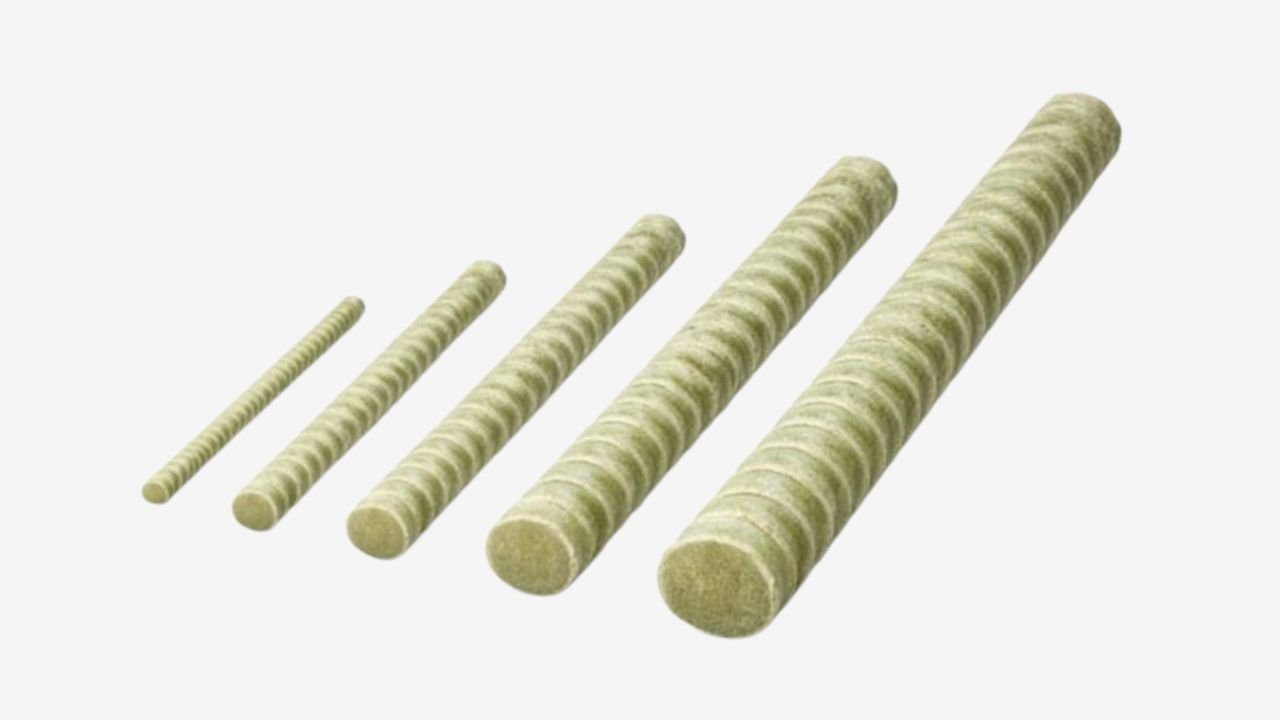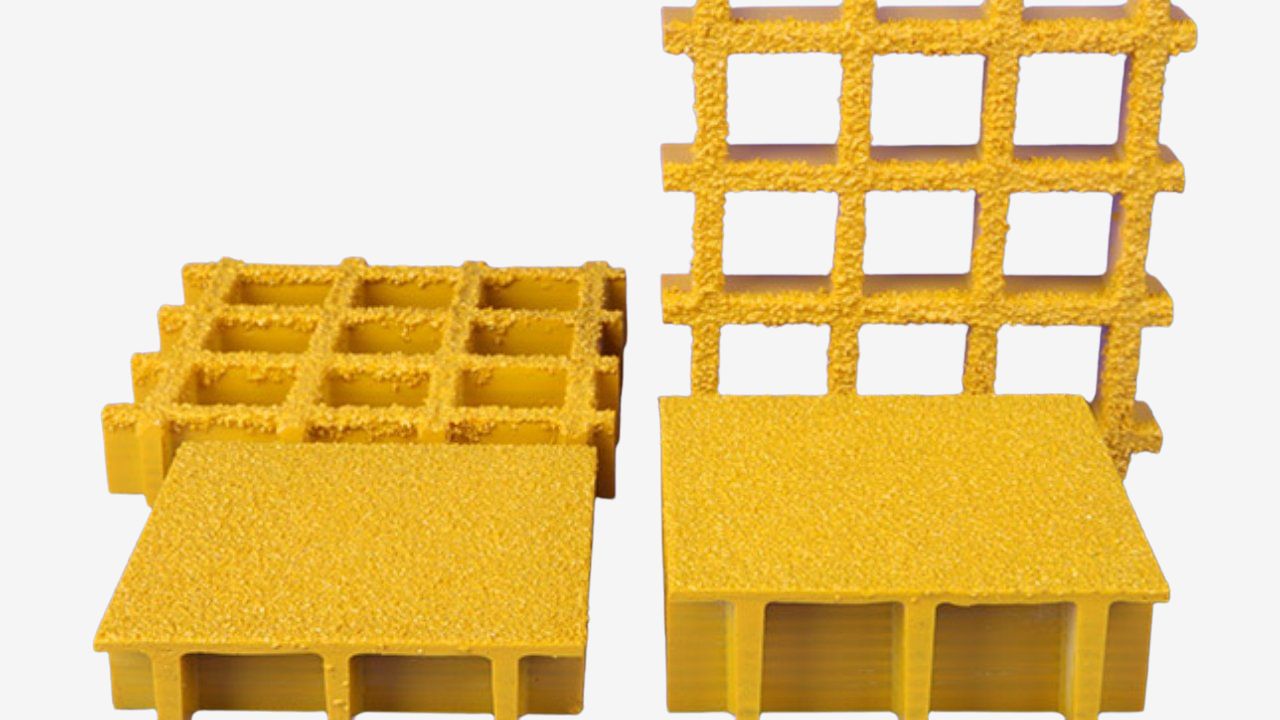
While consulting about construction materials, you must have heard fiberglass and FRP used to describe the same material. Whilst these two composite materials share significant similarities, they are technically distinct, with each tailored for distinct construction or manufacturing needs. Beneath, we delve deeper into their composition and properties, aiming to lay bare their key differences.
What is Fiberglass?
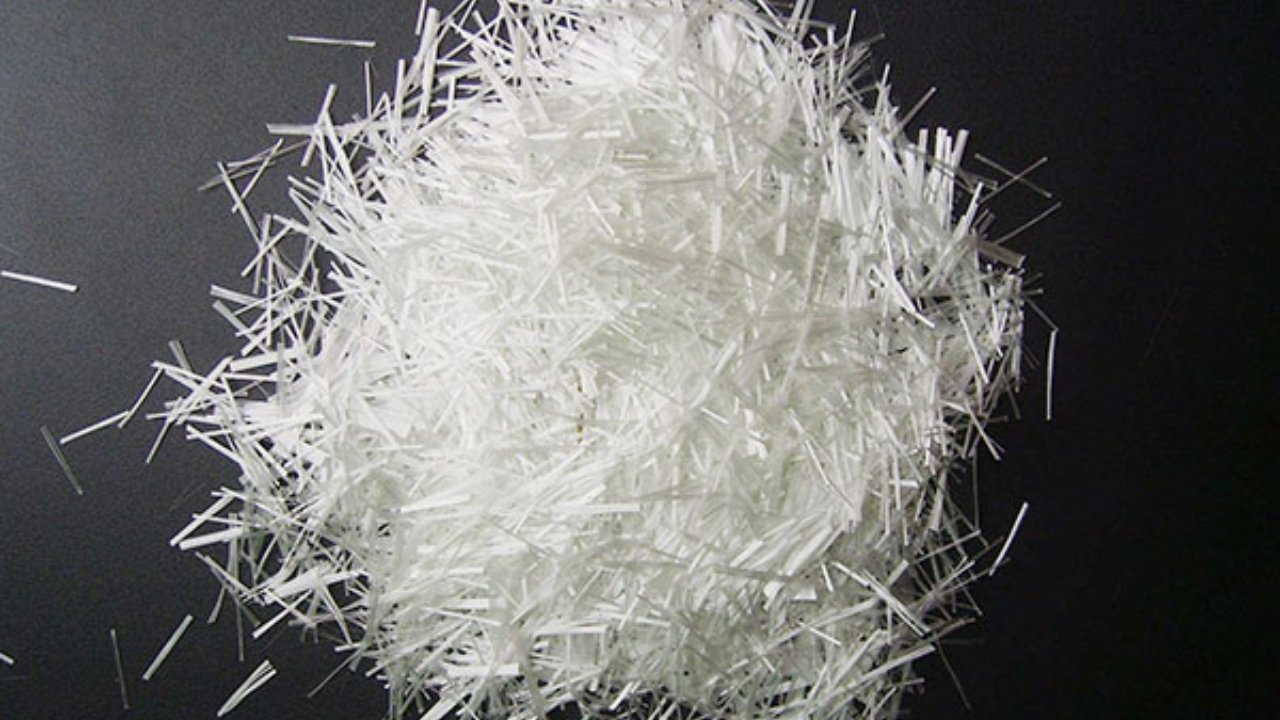
Fiberglass is a lightweight but significantly strong composite material generated by winding melted glass into glass fibers. Although it can be used as an isolated material, fiberglass is often paired with other materials, particularly metal and plastic, qualifying its use in advanced applications like reinforcement bars.
It boasts a great R-value, making it a suitable material for thermal insulation.
What is Fiber Reinforced Polymer (FRP)?
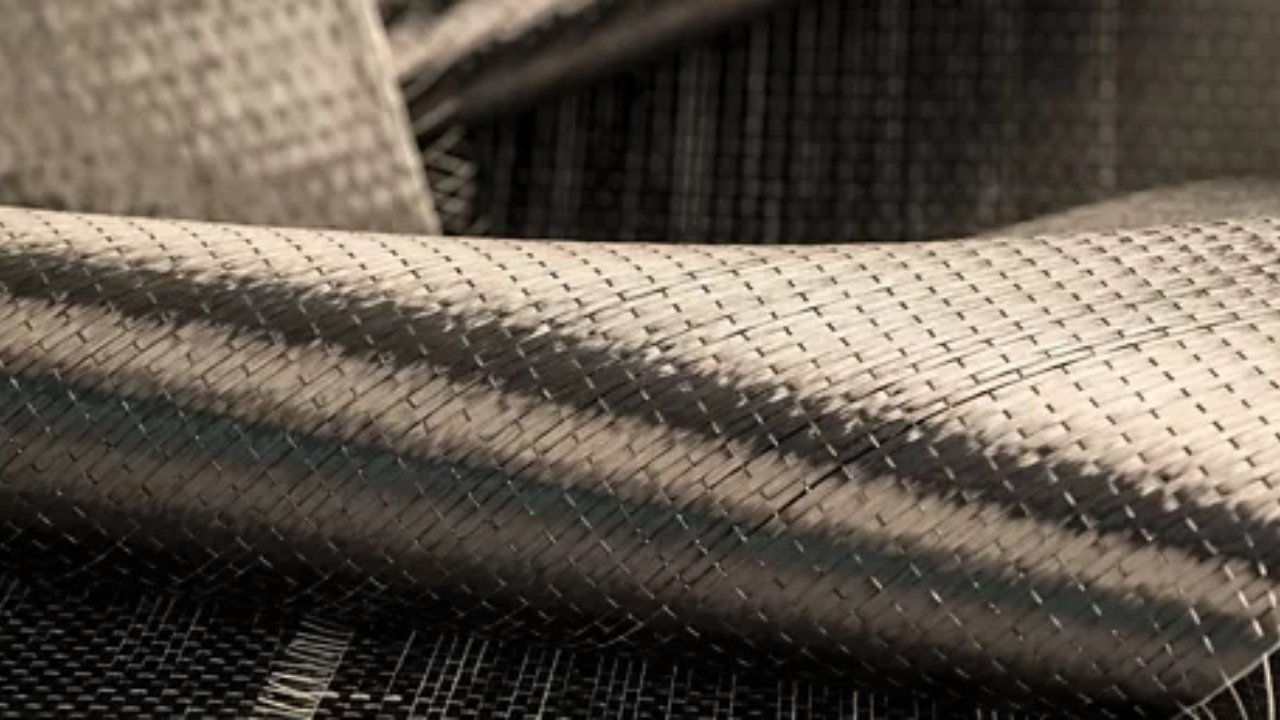
Fiber-reinforced polymer, or rather FRP, is a reinforced composite material comprised of a polymer matrix paired with distinct fibers such as glass, aramid, and carbon fibers. FRP is primarily made from natural polymers like rubber or artificial polymers like polypropylene.
Polymers are often named after the embedded fibers. For instance, fiber-reinforced polymers with glass fibers are commonly known as GRP.
Similarities Between FRP and Fiberglass
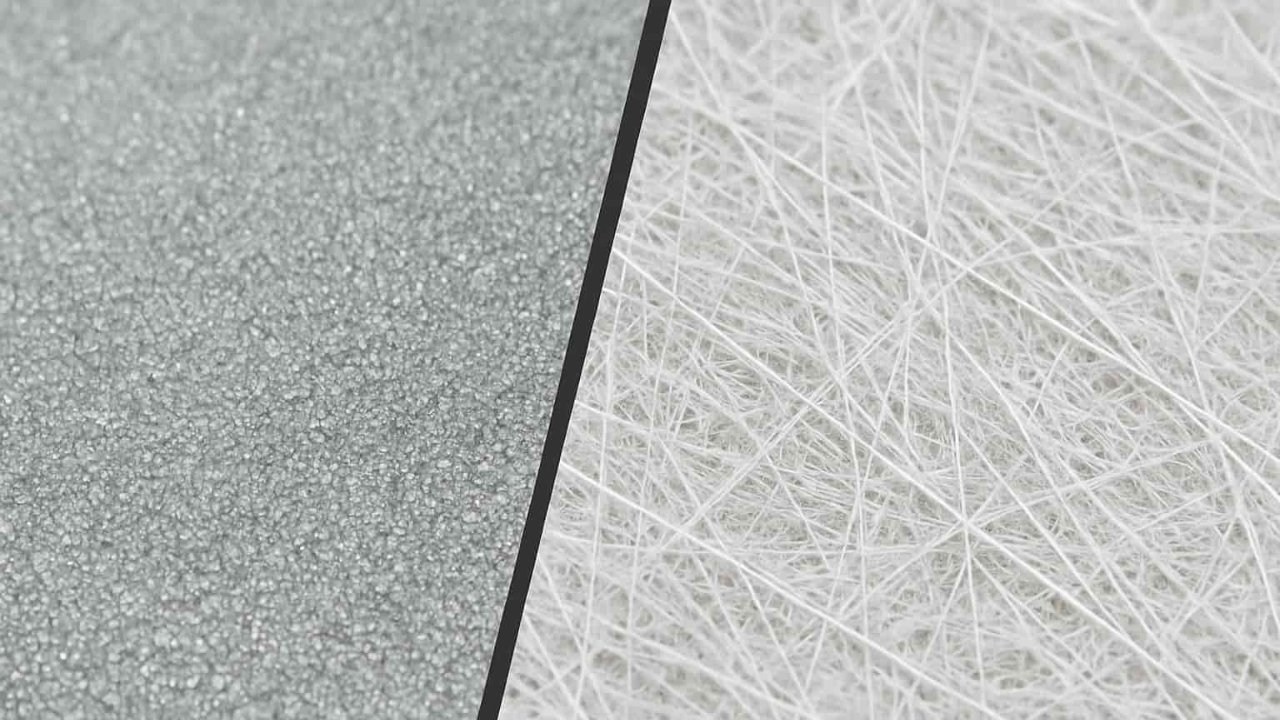
It is not uncommon for people, even material experts, to refer to fiberglass as FRP or vice versa. This is a testament to the numerous similarities shared by these materials. These similarities include:
· High Strength-to Weight Ratio
Despite both materials featuring distinct components, they are both quite lightweight. Additionally, they bear exceptional tensile strength, making them both perfect for applications with weight sensitivity, such as the fabrication of aerospace components. Components or structures made from FRP or fiberglass hardly strain fragile components and infrastructure, despite matching the strength of steel.
· Resistance to Corrosion
Both FRP and fiberglass thrive in marine construction due to their superior corrosion resistance. They can withstand constant exposure to moisture, high salt levels, and even chemicals, unlike most metals.
· Non-Magnetic
Fiberglass and fiber reinforced polymers with a non-metallic core are essentially non-magnetic, making them the preferred materials for machines, structures, and components sensitive to magnetic interference. For instance, FRP is often utilized to construct MRI rooms, while GRP is used in distinct military applications, especially naval minesweepers.
· Longevity
Compared to other common materials, particularly wood and steel, FRP and fiberglass last longer. They are immune to corrosion, and they can withstand heavy loads, meaning they are highly indestructible. Tanks made from fiberglass or FRP typically have a lifespan of 20-40 years, while some FRP rebars remain robust for up to 70 years.
· Electrical Resistance
Unlike most metals, fiberglass and FRP generally do not facilitate the transfer of electrical current. They instead block the passage of these currents, making them the perfect materials for manufacturing electrical insulators such as circuit boards and components like ladders, which must demonstrate electric safety.
· Thermal Insulation
Both fiberglass and FRP boast thermal conductivity ranging from 0.3 to 0.4 W/m·K. This is significantly low compared to most metals, particularly steel and iron, whose conductivity is 50 W/m·K and 80 W/m·K, respectively.
Differences between FRP and Fiberglass
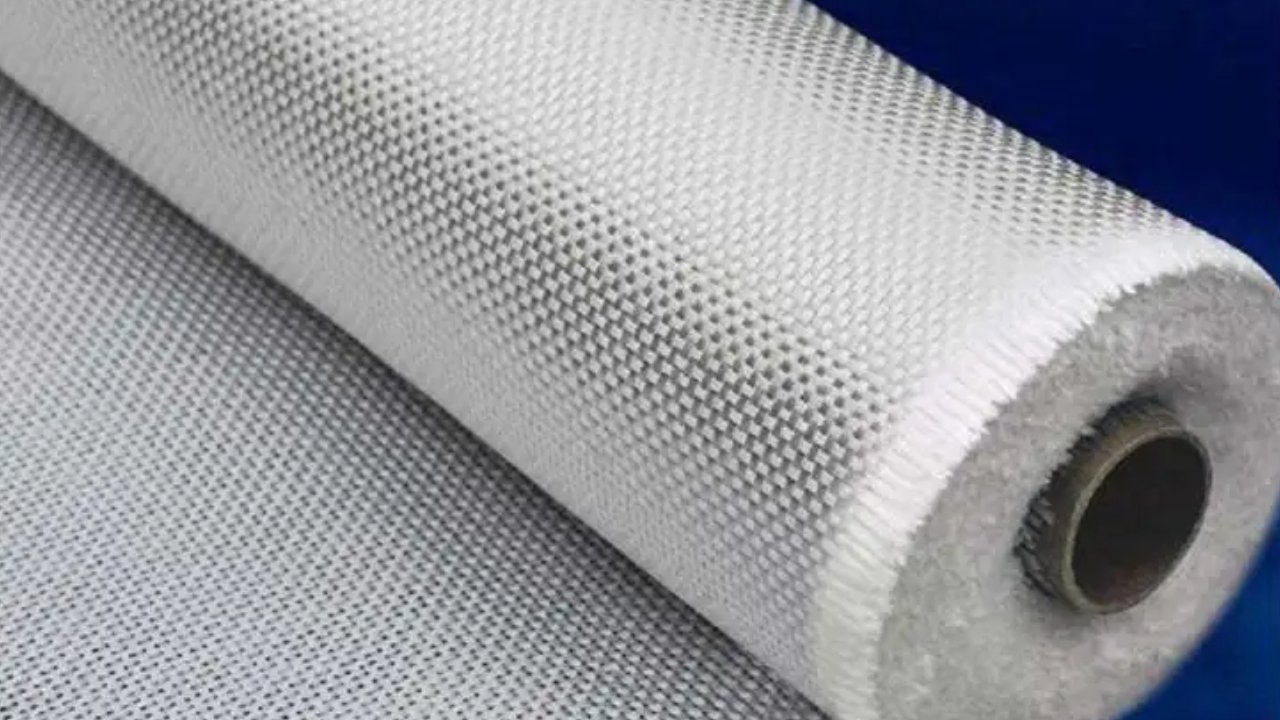
Despite both materials sharing significant similarities, some so striking that the two are often used interchangeably, FRP and fiberglass are technically different. They are differentiated by the following properties.
· Composition
The key difference between FRP and fiberglass lies in their composition. Fiberglass is made up of 50-60% glass fibers and a resin matrix. The resin matrix is typically 30-40%, and it simply binds the glass fibers together. The silicone-glass fibers, on the other hand, provide structural integrity.
FRP, similarly, has a polymer matrix and reinforcement fibers. However, these reinforcement fibers can be made from different materials, ranging from glass to basalt. This means that fiberglass qualifies as a subtype of FRP.
· Weight
Whilst both fiberglass and FRP weigh significantly less than steel, each material has a distinct weight. Fiberglass, for instance, has an average weight of 1.5–2.0 g/cm³, while FRP, particularly carbon fiber reinforced polymer, can be much lighter. Compared to other materials, especially steel, both FRP and fiberglass composites are approximately 75% lighter.
· Strength
Fiberglass and fiber-reinforced polymers demonstrate great strength, hence they thrive in applications where metals like steel have been traditionally used. Fiberglass in particular often comes with a strength ranging between 500 and 700 MPa. However, other FRP materials, especially those with carbon or aramid reinforcements, tend to be stronger.
· Cost
A kilogram of fiberglass typically costs between $2 and 5$, depending on the quality and region. This is slightly lower compared to advanced forms of FRP, such as carbon-reinforced fiber polymers. However, both FRP and fiberglass demand less upkeep and are quite resistant to wear. This means that they promise a higher return on investment compared to other materials such as steel and wood.
· Fire Retardancy
The use of standard FRP in structures or components in high fire-risk areas is highly discouraged since FRP is combustible, and when it burns, it emits toxic smoke. However, you can reinforce FRP with fire retardants to make them suitable for high-fire risk environments. Fiberglass, on the other hand, does not burn or catch fire easily. It is, however, quite sensitive to high temperatures.
· Key Uses
| Common FRP Uses | Common Fiberglass Uses |
| · Structural reinforcement | · Sound control |
| · Aircraft components | · Asphalt roofing |
| · Chemical storage tanks | · Wall insulation |
| · Wind turbine blades | · Window frames |
| · Sporting goods | · Boat hulls and decks |
| · Wall panels | · Piping |
Fiberglass Vs FRP: Which Material Should You Choose?

When it comes to construction projects and manufacturing, material choice often comes down to two composite materials: FRP and fiberglass. These materials are technically different, but they share significant similarities, making it harder to make a pick.
When to Pick Fiberglass
Go for fiberglass if you want a material that ticks the following boxes.
- Affordability
- Chemical resistance
- Corrosion resistance
- Electrical and thermal non-conductivity
When to Pick FRP
Settle for a customized fiber reinforced polymer if your project demands a material that ticks the following boxes.
- Greater strength
- Moisture resistance
- Electrical safety
- Higher thermal performance
- Saltwater resistance
FAQs
Is fiber reinforced plastic similar to fiberglass?
Fiberglass is essentially a category of FRP differentiated by its reinforcement fibers, which are primarily made from glass. FRP, in contrast, can feature distinct reinforcement fibers, including carbon and aramid.
Are fiber reinforced polymers lighter than fiberglass?
Whereas not all fiber reinforced polymers are lighter than fiberglass, most of them are. For instance, carbon reinforced polymers tend to be approximately 25% lighter than fiberglass since they boast a density of 1.6 g/cm³.
Is FRP better than fiberglass?
Customized FRP is often stronger, lighter, and more durable than fiberglass, making it a superior material. However, this does not necessarily mean that fiberglass is an inferior material since it demonstrates great strength and weather resistance.
Can you use fiberglass instead of FRP?
Yes. Whereas FRP can be reinforced to boost key traits such as mechanical strength, you can still use fiberglass in its place in most applications. For instance, you can use either fiberglass or customized FRP to make lightweight yet strong aircraft components.
Is FRP more expensive than fiberglass?
Yes. Purchasing a kilogram of customized FRP material will typically cost you more. This is because fiber reinforced polymer materials boast higher performance and longer service lives compared to fiberglass, which goes for $2 to 5$, a kilo.
Partner with Primefrp
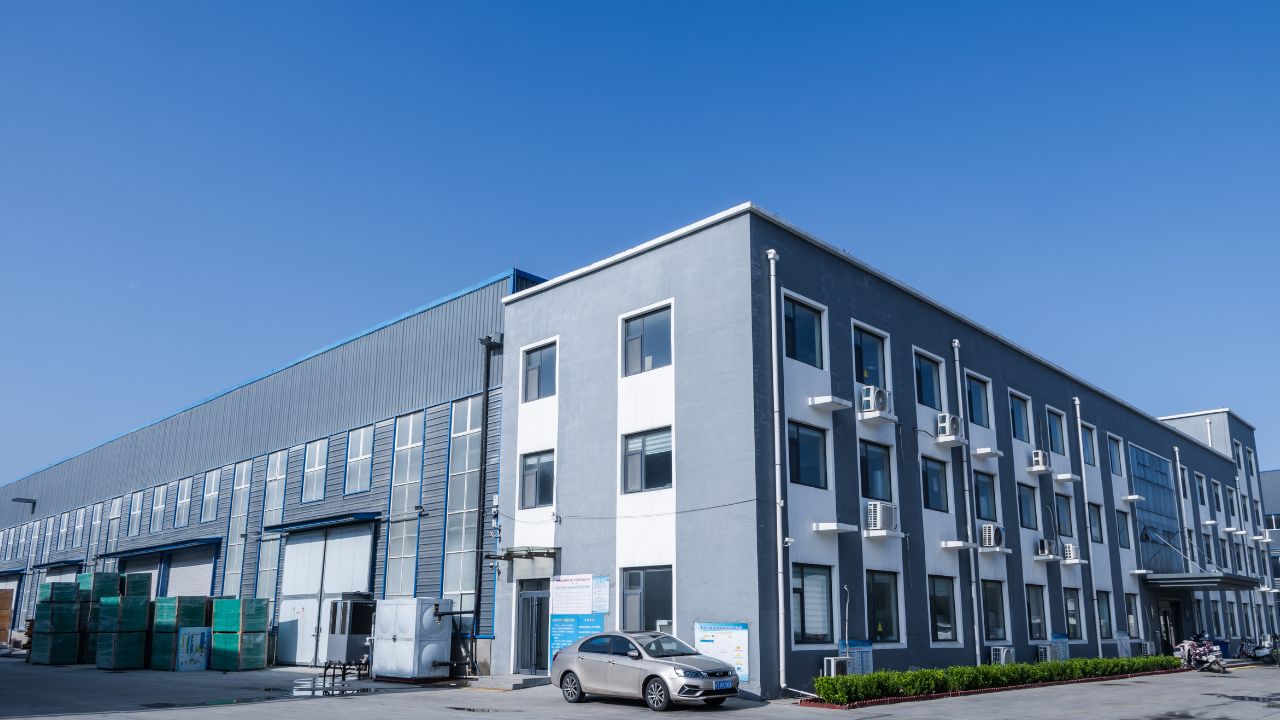
Primefrp offers a wide range of fiber reinforced polymer (FRP) material and profiles. Once we know your project needs or technical drawing, Primefrp will customize FRP profiles to match your needs.
Whether you are looking for glass FRP, carbon FRP or Aramid FRP, Primefrp offers 100% custom solution for all construction needs – Talk to our sales team now.