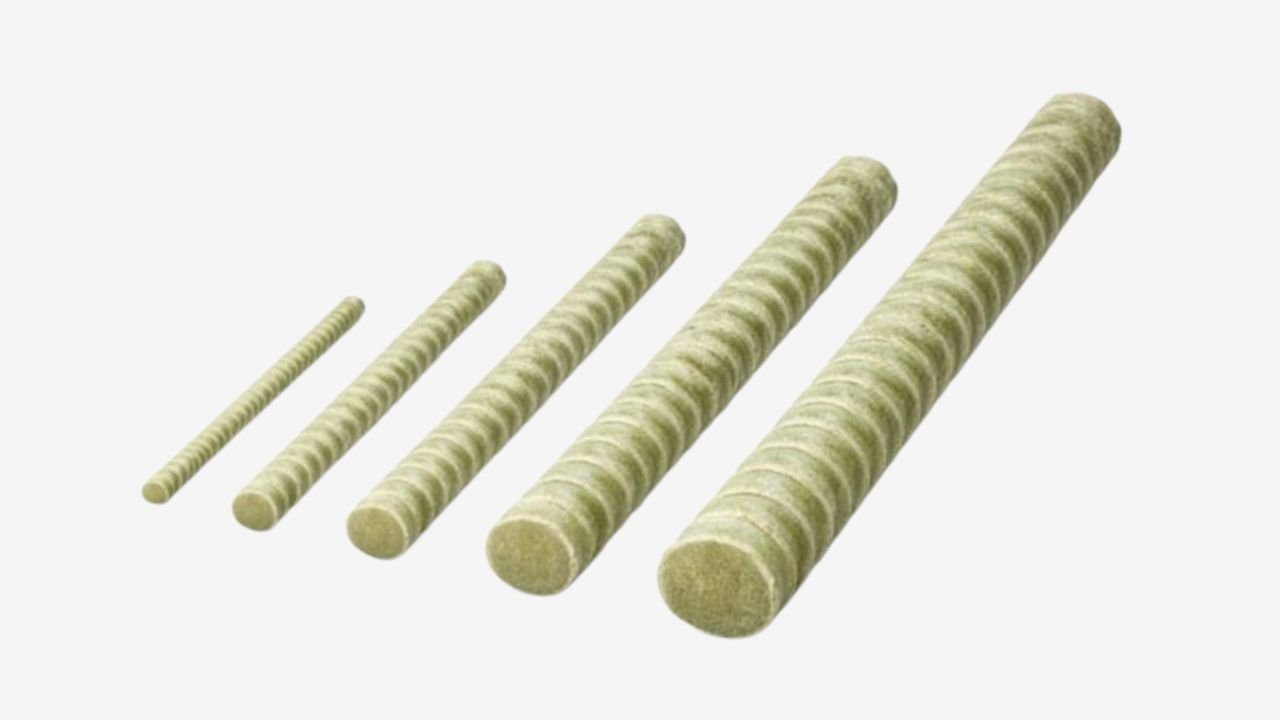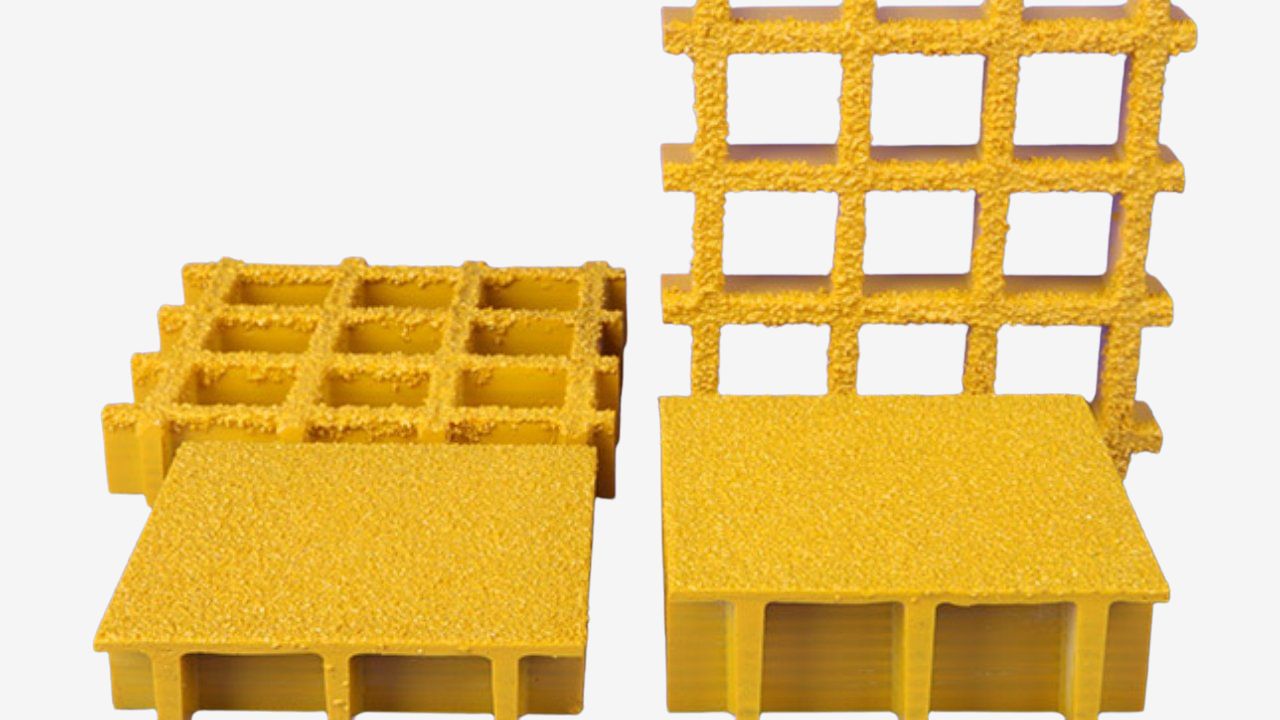
Fiber-reinforced plastic (FRP) grating is a perfect substitute for steel and aluminum in corrosive or moisture-saturated conditions. It provides lightweight construction, high chemical resistance, and low-maintenance requirements.
But there are some different properties between different types of FRP grating. Molded fiberglass grating and pultruded fiberglass grating are different in aspects such as structures, strength, and resistance performance, etc.
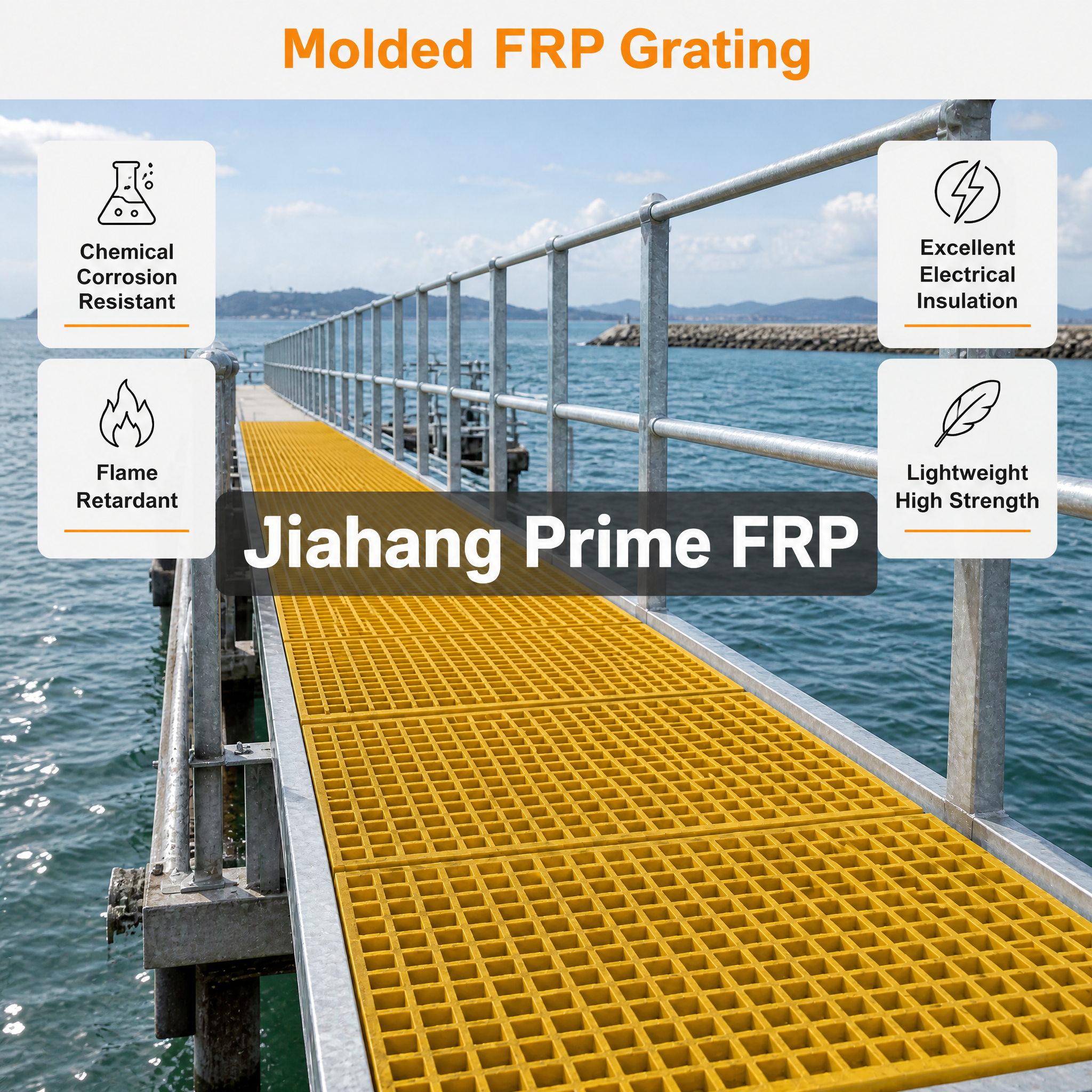
What is Molded FRP Grating?
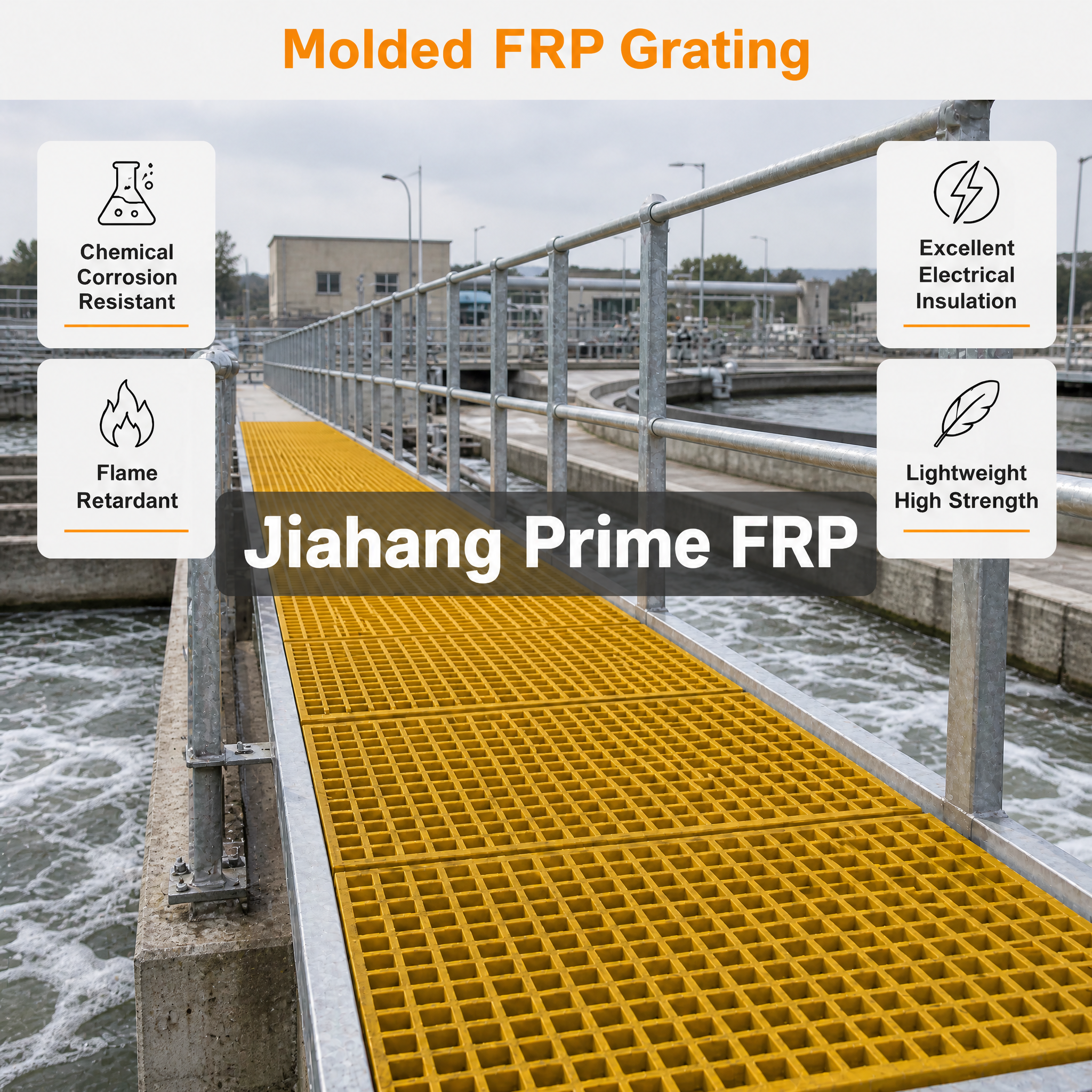
Molded FRP grating is manufactured by placing glass fibers and resin into a mold and curing them into an integrated fiberglass grating panel. The fibers are distributed in multiple directions, creating a structure that can support loads from different directions.
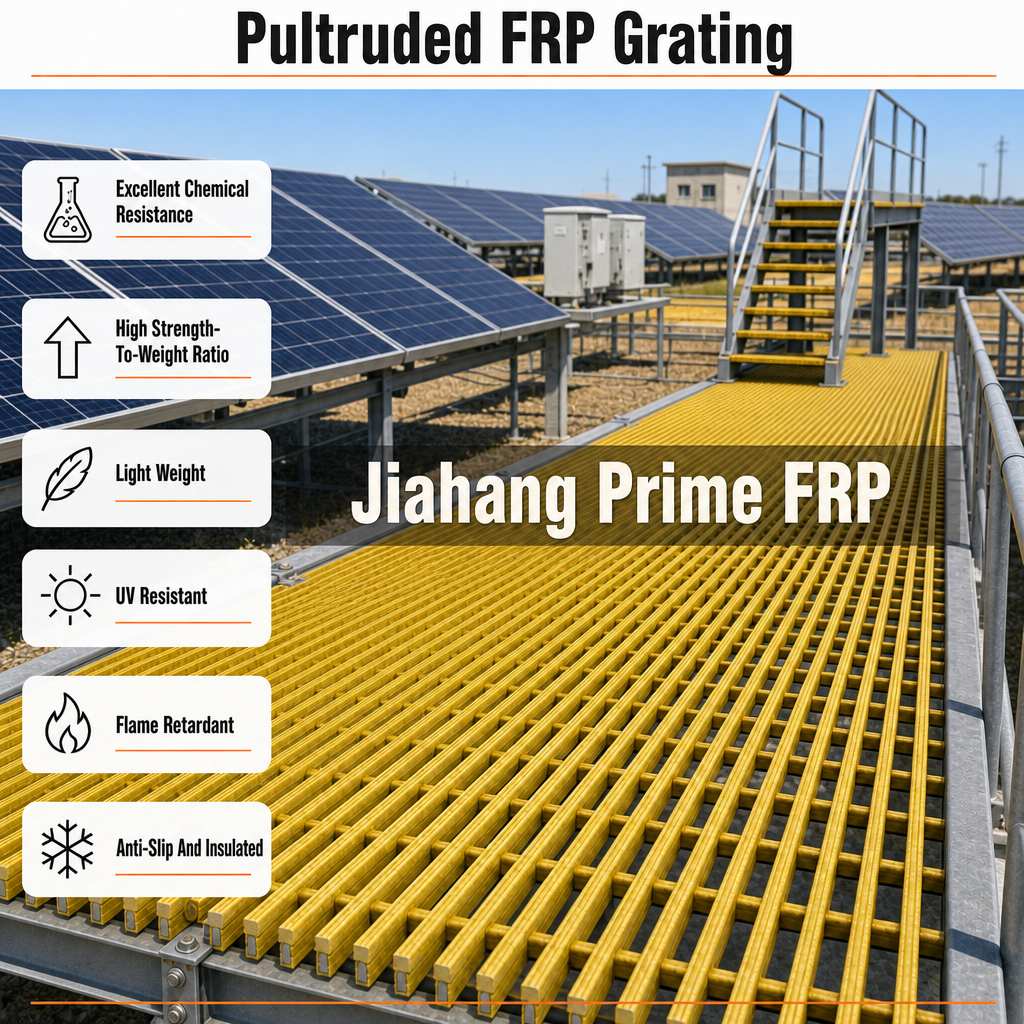
What is Pultruded FRP Grating?
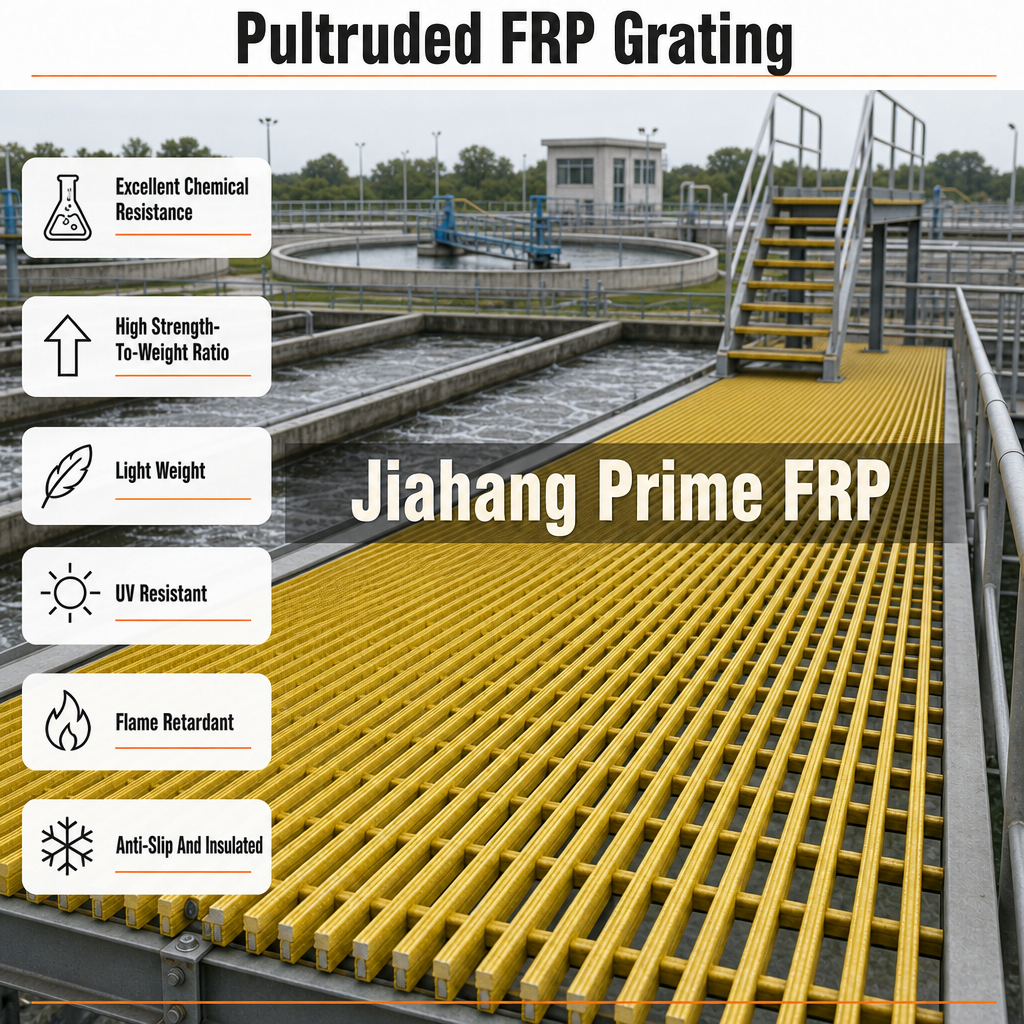
Pultruded FRP grating is assembled from pultruded profiles. Continuous glass fibers run mainly along the length of each profile, and the profiles are connected by cross members to form a grating panel.
Comparing Molded and Pultruded FRP Grating
· Strength of the Structure
Molded fiberglass grating has the same strength in each direction since the fiberglass reinforcement is applied throughout the panel in a woven form. Pultruded fiberglass grating concentrates strength along the direction of the bearing bar, giving better span capacity but reduced cross directional loading support.
Besides, molded fiberglass grating is effective in irregular loading conditions, whereas pultruded grating is effective in long-span structural applications. The manufacturing process also defines performance attributes, mass distribution, and the way the structure behaves under stress to a large extent.
· FRP Chemical Resistance
Thermoset resin systems including polyester, vinyl ester, and phenolic are used both in molded and in pultruded grating. Polyester offers cost-efficient chemical resistance. Vinyl ester provides a superior corrosion protection against acids and solvents. Phenolic resin enhances fire and smoke capability.
Molded grating tends to have more resin in it, which increases the corrosion resistance. Pultruded grating has greater aligned glass fiber, which enhances its strength, but by slightly decreasing surface exposure of the resin.
· Performance in Corrosive Environment
Molded grating works particularly well in harsh chemical environments because of the high proportion of resin to glass. The construction is solid and one-piece to reduce the exposed ends of the fibers. Pultruded grating also has high resistance to corrosion but can expose structural fibers at cut edges or bearing bars.
Molded grating is mostly used in chemical processing plants and wastewater facilities because of better corrosion resistance. Pultruded grating is used in environments with high structural loads and medium chemical exposure.
· Load Resistance
Molded grating distributes load equally in all directions. This bi-directional strength minimizes the local stress concentrations and is effective in situations with irregular loading pattern. It is applicable to platforms, walkways, and trenches with variable loads.
Pultruded grating provides much greater load-bearing capacity in the main direction of the bar. It covers greater distances between supports, decreasing structural framing considerations. This is perfect on the heavy equipment platforms and high walks.
When correctly oriented, pultruded grating exhibits reduced deflection under heavy linear loads. Similar stiffness performance may be achieved with closer spacing of the supports in molded grating.
· Impact Resistance
The interwoven fiberglass construction of molded grating has the advantage of being able to absorb impact. Energy spreads out over the panel instead of being concentrated in one direction.
On the other hand, the pultruded grating has continuous fibers and are oriented in a single direction increasing strength along the axis but decreasing the dispersion of impact across the grain. The multi-directional reinforcement of molded grating enhances resilience in the dropped-object mode.
· Suitability for Heavy Traffic Areas
Molded grating is commonly used in areas with high tool drops or foot traffic with dynamic movements. On the other hand, pultruded grating is preferred with heavy industrial loads that possess predictable direction.
· Slip Resistance
Both types of grating have integrally molded or bonded gritted surfaces. Aluminum oxide grit enhances traction and minimizes the risk of slips.
Molded grating is frequently molded with built-in grit, which provides performance even with wear. Pultruded grating can have bonded grit surfaces. Both are also good in terms of slip resistance as compared to steel, particularly in wet or oily industrial conditions.
· Fire Resistance
FRP grating attains fire resistance with the resin formulation. Phenolic and specially designed polyester systems minimize flame propagation and self-extinguish in case the ignition source is eliminated.
Phenolic resin systems have less smoke density than the normal polyester. Molded grating tends to have good fire performance because the composition is rich in resin.
Molded and pultruded grating may be rated to both ASTM E84 flame spread and smoke development when produced with fire-retardant resin systems.
· UV Resistance
Continuous exposure to UV damages untreated surfaces of resin. The two types of gratings include UV inhibitors to prevent degradation.
To improve durability, manufacturers use surface veils and UV-stabilized resin additives. Molded grating generally has a longer surface integrity because of the resin coverage is thicker.
· Moisture Resistance
FRP grating withstands water absorption in a much better manner than steel. The one-piece nature of molded grating eliminates internal routes of moisture. Properly sealed pultruded panels are highly waterproof.
· Temperature Tolerance
The two types have a wide temperature tolerance. Phenolic systems increase thermal stability and fire resistance. Only during extreme temperatures which exceed design limits, does structural performance deteriorate.
· Design of FRP Panels
FRP Panel design influences drainage, ventilation, access, and the suitability of grating for different layouts.
Molded FRP grating: It is commonly supplied as an integrated panel with a regular grid pattern. The mesh openings allow water and air to pass through, making it suitable for many open-platform applications.
Pultruded FRP grating: Its configuration is determined by the dimensions and spacing of the pultruded profiles and the way the profiles are assembled. This can provide flexibility when a particular load-bearing bar arrangement is needed.
The main difference: Molded FRP grating is formed as an integrated grating panel, whereas pultruded FRP grating is assembled from individual profiles.
When choosing either type, you should check the grating mesh size as well as the structural requirements. Large openings may improve drainage but may be unsuitable for conditions where small objects, narrow heels, or specific foot-safety requirements are concerns.
· Fiberglass Grating Installation and Cutting
Both types can be cut to fit around pipes, columns, and other obstacles. However, their structural features lead to different installation considerations.
Molded FRP grating: Because the panel has an integrated grid structure, cutting can interrupt load-bearing sections in more than one direction. The remaining panel and its support arrangement should be checked after cutting.
Pultruded FRP grating: The grating bearing bar direction is especially important. These bars must be positioned correctly relative to the supports, and cutting them may affect the structural performance of the fiberglass grating panel.
The main difference: Bar orientation is a particularly important consideration for pultruded FRP grating. For both types, you should plan cut-outs carefully, provide adequate support around openings, use suitable fiberglass grating fasteners, and protect exposed fibers where required.
For projects involving many irregular openings, it is helpful to prepare installation drawings before production or on-site cutting. This can reduce material waste and avoid unnecessary rework.
· Cost vs Resistance Trade-Off
Molded grating can also be cheaper in standard walkways and under heavy corrosion. Pultruded grating can be more expensive initially, but structural support needs less since the grating covers longer span. The extra investment may be justified by projects that require high structural strength and fewer supports.
Molded grating can be preferred in chemical-intensive environments to increase their corrosion resistance.
Comparing Molded Grating and Pultruded Grating Side by Side
| Item | Molded FRP Grating | Pultruded FRP Grating |
| Chemical Resistance | High resin content; excellent corrosion resistance | Strong chemical resistance; slightly lower resin ratio |
| Load Direction | Bidirectional strength; moderate span | High unidirectional strength; long span capability |
| Impact Resistance | Superior energy distribution | Strong in bearing direction; less crosswise absorption |
| Fire Resistance | Strong with fire-retardant resin; good smoke control | Meets fire standards with proper resin formulation |
| UV Resistance | Thick resin surface improves durability | Requires UV additives and surface veil |
| Practical Span Limit | ≤ 1.2 m | > 1.2 m, up to 2.5 m and beyond |
| Common Specifications | Panel thickness: 25 / 30 / 38 / 50 mm | Bearing bar depth: 25 / 38 / 50 / 65 / 100 mm; I-bar or T-bar |
| Load Capacity at Equal Span | Moderate; higher resin content and more flexible structure | High; continuous fiber orientation provides a clear advantage at long spans |
| Deflection / Failure Mode | Tougher and better at absorbing impact | High stiffness but no yield plateau; may fail suddenly |
| Design Safety Factor | 4:1 | 5:1 |
| Irregular On-Site Cutouts | Flexible; easier to cut around irregular openings | Restricted; bearing bars must not be cut |
| Cost-Effective Range | Standard walkways with spans of 0.6–1.0 m | Long spans, heavy loads, and strict deflection limits |
FAQs
1. What are the disadvantages of pultrusion?
Pultruded grating puts the concentration of strength in one direction, reducing crosswise load performance. Misalignment during installation lowers efficiency of structure. It is also possibly more expensive than molded alternatives in some applications.
2. Is molded grating stronger in both directions?
Yes. The interwoven fiberglass structure of molded grating offers an almost equivalent strength in both directions. This bi-directional strength aids unpredictable loading conditions.
3. Is FRP grating fire resistant?
FRP grating could also be made to perform fire-retardant when composed using suitable resin systems including phenolic or modified polyester. It is resistant to the spread of flames and can comply with the set fire testing conditions.
4. Which is stronger between molded or pultruded grating?
Pultruded grating is typically stronger in the direction of its bearing bars and can carry longer spans. Molded grating offers relative strength in both directions and does well in corrosive conditions. The more powerful one relies on the direction of the loads and project needs.
5. Does FRP grating provide electrical insulation?
Yes, FRP grating provides effective electrical insulation because it is made of fiberglass and polymer resin rather than conductive metal. It helps reduce the risk of electric shock in substations, battery rooms, and other electrical facilities. However, FRP grating should not replace proper electrical protection measures or certified safety procedures. Its insulation performance depends on the material specifications and operating conditions.
Final Thoughts
Molded and pultruded FRP grating differ mainly in structural design, load-bearing property, stiffness, and panel configuration. Molded FRP grating is often a practical option for standard open-grid panels, while pultruded FRP grating is worth considering when directional stiffness and load-bearing requirements are key concerns.
Before selecting either type, you need to compare load tables, allowable deflection, resin compatibility, surface, and installation requirements. Jiahang Prime FRP is committed to offering one-stop solutions for composite materials. If you want to learn more, welcome to look through our website — Jiahang Prime FRP and contact us at any time.