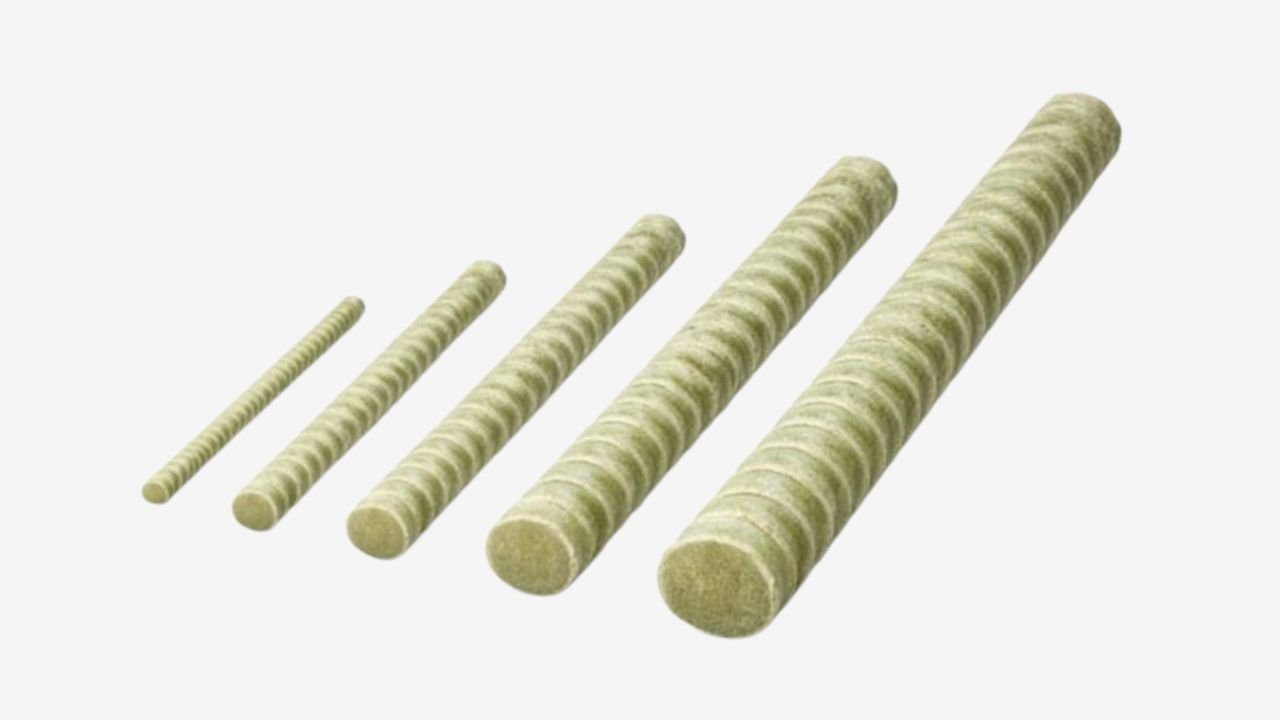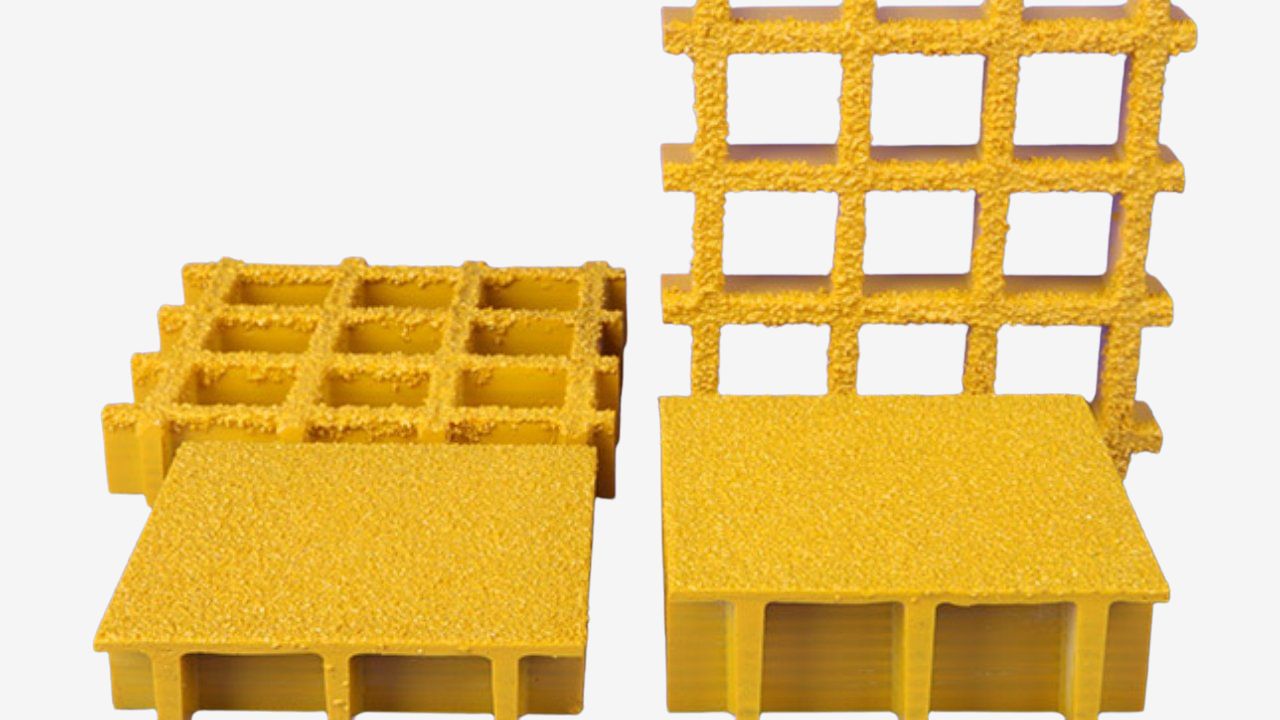
Key industries such as the automotive and aerospace industries are highly reliant on fiberglass parts, particularly those made using the pultrusion process. This distinct process is essentially responsible for the stable cross-section and improved strength synonymous with fiberglass. But what does it really entail, and why is it so popular? Read along to find out.
What is Fiberglass Pultrusion?
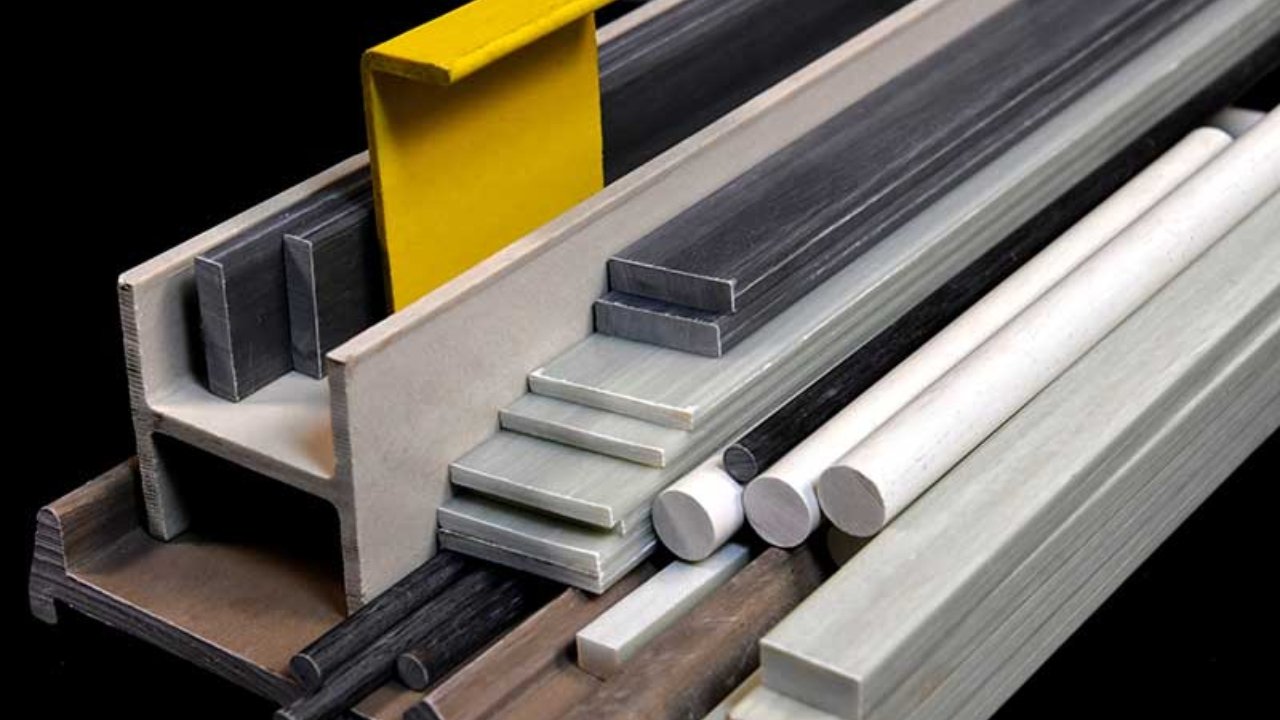
Fiberglass pultrusion is a distinct fabrication process that relies on a heated die to pull raw glass fibers and resins, consequently generating long and robust pultruded FRP components. It is essentially the opposite of the extrusion process, which fabricates finished parts by pushing the raw material. It thrives in the production of components with simple shapes, such as pipes, as well as those with complex designs, such as front car bumpers and doors.
Benefits of Fiberglass Pultrusion
Although reinforced FRP parts can be fabricated using distinct processes, none promises as many returns as the pultrusion process. Some of the key rewards you can expect include;
- Greater Weight-to-Strength Ratio: Pultrusion promises to deliver FRP products that are as strong as steel and aluminum parts despite being roughly 75% lighter than steel.
- Reinforced Corrosion Resistance: Unlike steel parts, pultruded FRP components maintain their structural integrity despite being exposed to chemicals, moisture, or even salty water.
- Enhanced Chemical Resistance: Pultruded fiberglass makes some of the best parts for chemical processing plants and systems, including pipes and storage tanks. This is because it does not react with both acids and alkalis.
- Dimensional Stability: Pultrusion thrives in creating reinforced fiberglass components that are relatively longer, but with a constant cross-section.
- Sustainability: Compared to parts made from alternative materials, for instance, steel parts, FRP components are much more durable and recyclable, hence more environmentally friendly.
- Prolonged Service Life: Parts made from pultruded fiberglass can serve you for up to 100 years, as long as you take good care of them.
Key Steps in Fiberglass Pultrusion Process
Since pultrusion was introduced in the mid-20th century, it has undergone gradual improvement thanks to the continued advancements in technology.
Today, pultrusion, particularly fiberglass pultrusion, is 100% fully automated. This has made it possible for engineers to fabricate hundreds, if not thousands, of lookalike parts much faster and with greater precision. Here are the steps involved;
Step 1: Raw Material Preparation
The process of fabricating pultruded FRP parts begins with the sourcing of the necessary raw materials, followed by the adequate preparation of these raw materials. This includes the gathering of reinforcement fibers, which you can procure as continuous strand mats or direct rovings, resins such as vinyl ester and polyester, and, finally, fillers.
The reinforcement fibers, however, must be dried first before you can feed them onto the creels. This makes it easier for you to dispense them into the resin bath. Here is a summary of the key materials needed and their respective functions.
| Raw Material | Key Function |
| · Reinforcement Fibers | Acts as the core of the pultruded fiberglass and is responsible for its tensile strength. |
| · Resin Matrix | Glues together the reinforcement fibers and boosts the material’s resistance to chemicals, corrosion, and weather elements. |
| · Fillers | Includes calcium carbonate, which can boost fire performance and regulate the FRP’s shrinkage. |
| · Additives
| Includes pigments, release agents, and catalysts, which help ease the manufacturing process and boost key properties of the pultruded fiberglass. |
Step 2: Fiber Reinforcement Feeding and Resin Impregnation
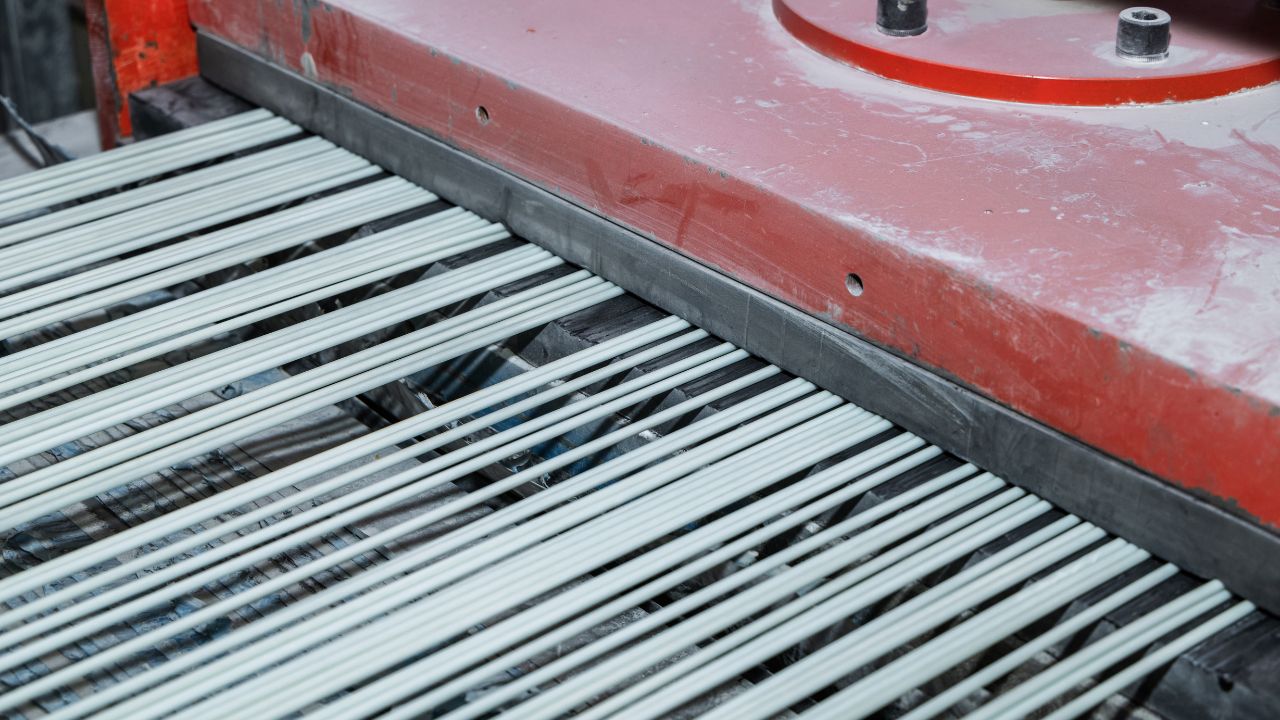
The dried fiber reinforcements are then mounted onto a creel and carefully driven through liquid resin. The resin comprises numerous components, each tasked with a distinct function. For instance, the resin merges the glass fibers together, the pigments determine the color of your final FRP part, and the release agent makes it easier for you to extract your cured workpieces. During impregnation, a surface veil is often introduced to boost resistance against erosion and UV damage.
Step 3: Reinforcements Preforming
The reinforced fibers coming out of the resin impregnation process are subsequently guided into tailor-made forming guides in order to impart your desired shape. In most fiberglass pultrusion processes, the reinforcement fibers are driven into these preforming guides, before and after the resin impregnation process.
As a matter of fact, they are even passed through the forming guides during impregnation. As they pass through these guides, they are carefully squeezed, forcing them to assume a shape that remotely resembles your desired final FRP part.
Step 4: Forming and Curing
The preformed fiberglass that has just been impregnated is then pulled from the resin bath, through the forming guides, and driven into a heated die. Most fiberglass pultrusion dies are made from steel, meaning they can comfortably withstand temperatures as high as 180°C. This high temperature calls into action the catalysts added to the resin matrix, making the pultrusion process much faster.
Curing starts simultaneously, forcing the liquid resin to harden. This forces the mixture of the reinforcement fibers and the resin to assume the shape of your heated dies. Pressure is also applied to initiate compression and force out air bubbles, leaving you with a structurally stable FRP workpiece.
Step 6: Cutting to Length
The formed FRP parts are then withdrawn from the heated steel dies after being cured with the help of a specialized pulling mechanism. They are carefully cooled before being sized according to your stipulated production requirements. This leaves you with premium-quality pultruded FRP parts with a high strength-to-weight ratio.
How to Maximize the Strength of Fiberglass in the Pultrusion Process
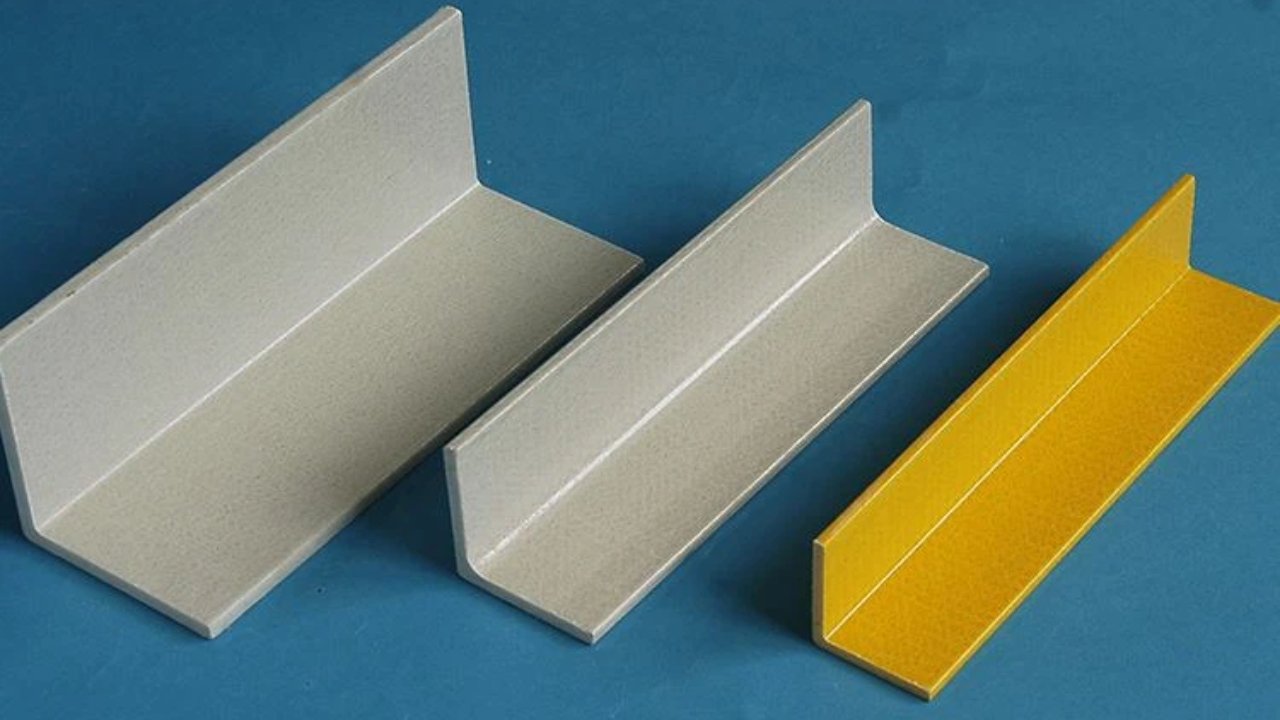
Fiberglass reinforced polymers, particularly pultruded FRP, boast greater strength despite being comparatively lighter. Whilst the added strength is a direct consequence of the quality of materials used, it is also significantly boosted by the pultrusion process, which facilitates;
· A Superior Fiber-to-resin Ratio
A higher concentration of glass fibers typically translates into greater strength, and the pultrusion process guarantees this. FRP components fabricated through pultrusion tend to have a fiber-to-resin ratio of approximately 70%, which is significantly higher compared to that of FRP parts manufactured using alternative methods.
· Unidirectional Alignment
Pultrusion relies on controlled pressure to deliver the reinforced glass fibers from the resin through the forming guides and into the heated steel dies. This eliminates the risk of the fibers crimping or coiling by ensuring that they are aligned linearly. As a result, the finished parts demonstrate greater strength and fatigue resistance.
· Consistent Impregnation
Pultrusion involves dipping dried fiber reinforcements into a resin bath, consequently ensuring that resin squeezes into the fiber bundles evenly. This results in properly saturated fiber reinforcements, consequently boosting the load capacity of your pultruded FRP parts.
· Removal of Air Bubbles
Pultrusion involves the application of pressure as the saturated mix of glass fibers and resin is dispensed into the heated dies. This pressure compresses the laminate, ultimately forcing out any air present. This mitigates the formation of voids, which can weaken the structural integrity of your finished pultruded fiberglass parts.
· Cross-ply and Mat Integration
Pultruded FRP features both continuous strand mats and rovings, which contribute to multi-directional strength. FRP components featuring only rovings boast longitudinal strength but lack multi-directional strength, making them more prone to cracking if improperly handled.
Common Uses of Pultruded Profiles
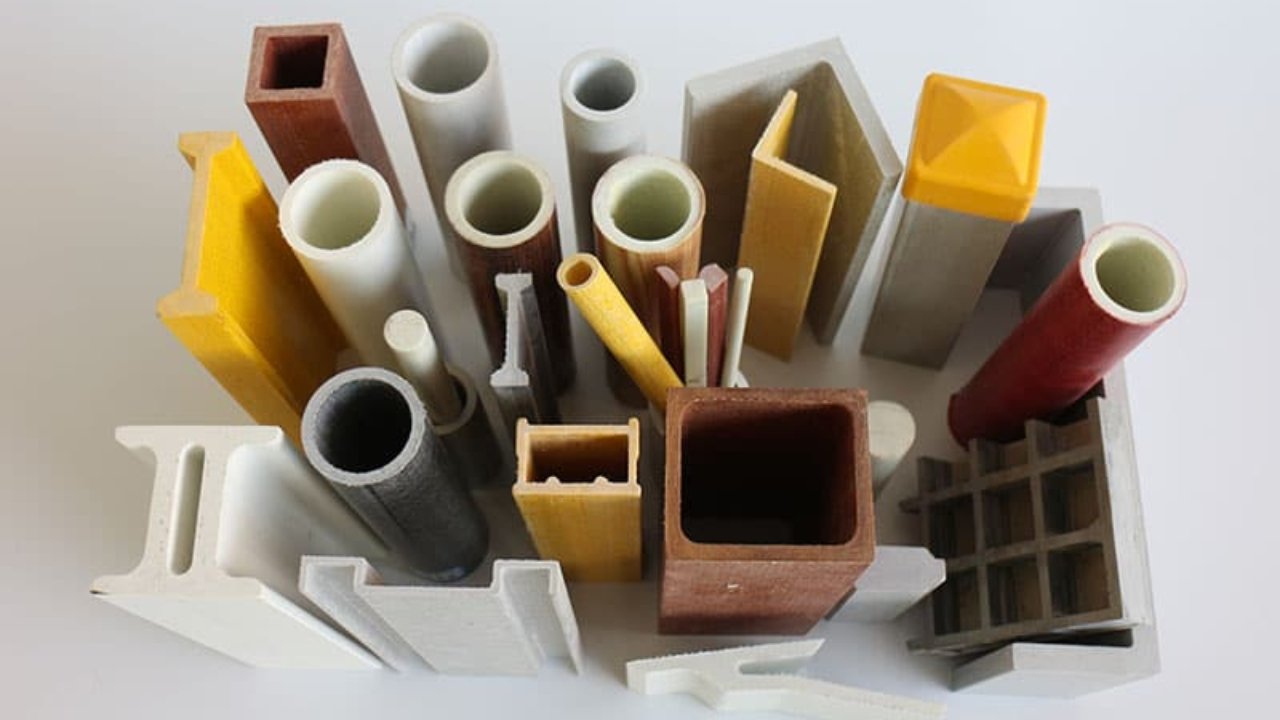
Pultruded profiles are not only stronger and lighter than regular fiberglass and steel profiles, but they are also more resistant to corrosion and chemicals. This means they can survive in both harsh and favorable conditions, making them some of the most versatile and in-demand profiles. Their use includes;
- Cooling Tower Structures
- Door Profiles
- Bridge Components
- Utility Poles
- Cable Trays
- Vehicle Reinforcements
- Aerospace Components
- Sporting Goods
- Tool Handles
FAQs
What resins are preferred in fiberglass pultrusion?
During fiberglass pultrusion, the glass fibers are dipped into a resin bath, which is typically made up of high-quality thermosetting resins. The most prominently used resins include polyester, which is revered for its ability to cure quickly, and vinyl ester, which boasts fiberglass’s load-bearing capacity and chemical resistance.
How long does pultruded fiberglass last?
Pultruded fiberglass has proven to outlast FRP profiles fabricated through alternative means, as well as components made from alternative materials like steel and wood. Some reinforced pultruded fiberglass profiles can serve you for up to 100 years, even in relatively challenging environments.
Is pultruded plastic just as good as steel or wood?
Yes. Pultruded plastic arguably suits certain applications better than wood or steel. It offers the same strength, but it is significantly lighter, making it easier to handle. Furthermore, it has a relatively tougher surface, which translates into higher traction.
What are the limitations of the fiberglass pultrusion process?
Whereas fiberglass pultrusion thrives in fabricating high-quality components with complex designs and a constant cross-section, it has its own share of shortcomings. For starters, key pultrusion equipment is comparatively costlier, and the quality of surface finish achieved may occasionally leave a lot to be desired.
Does pultruded fiberglass offer good thermal insulation?
Yes. Pultruded FRP boasts low thermal conductivity, making it the perfect material for structures, parts, and equipment prioritizing thermal insulation. Its thermal conductivity hardly surpasses 1.17 W/m. K, making it a much better insulator than most metals.
Partner with Primefrp
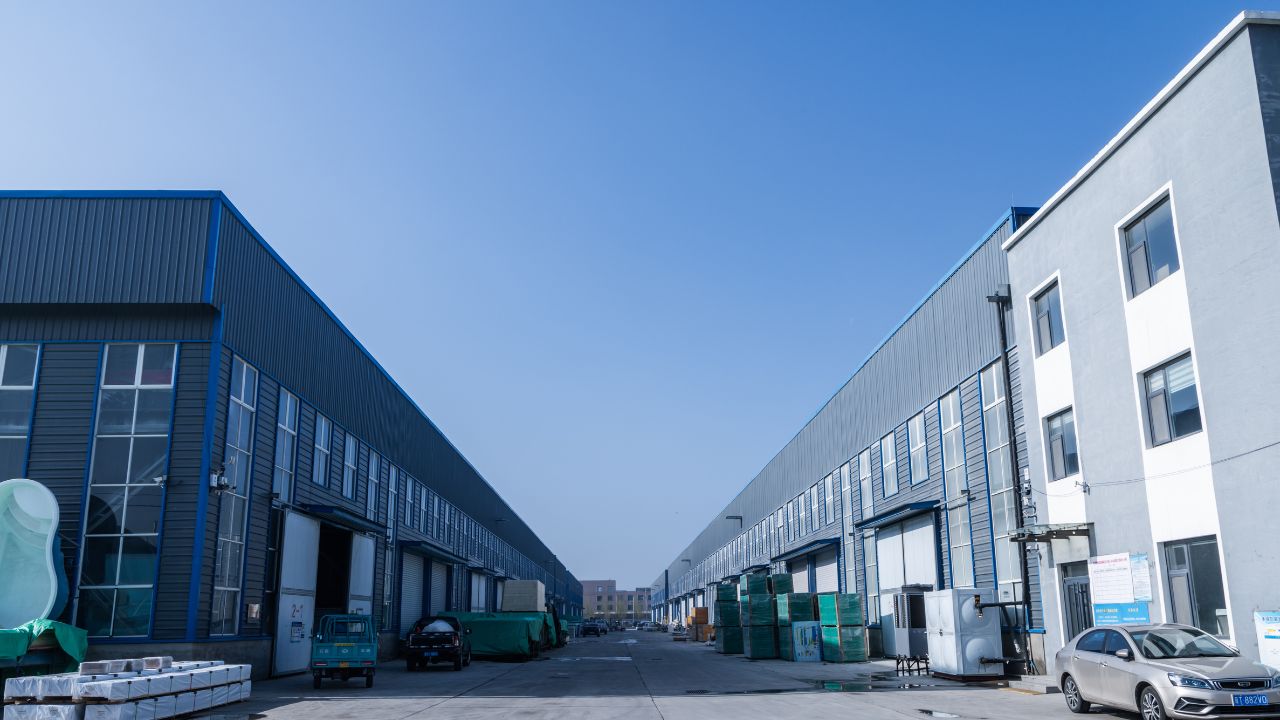
Primefrp is your trusted fiberglass manufacturer in China. We have a wide range of pultruded FRP profiles to match specific project needs.
We can make different structural components, grating and flooring systems, or specialized industrial profiles. Tell us more about your projects needs and we will customize fiberglass reinforced polymer profile to match your needs – talk to our sales team now.