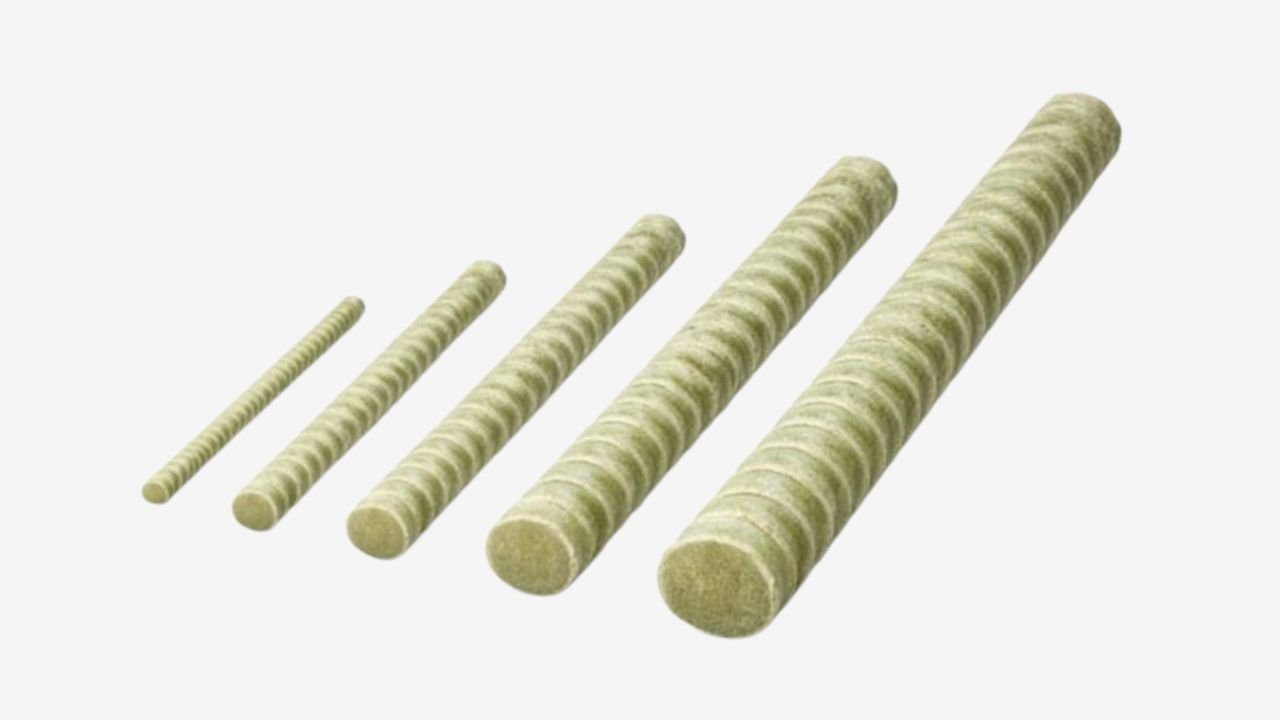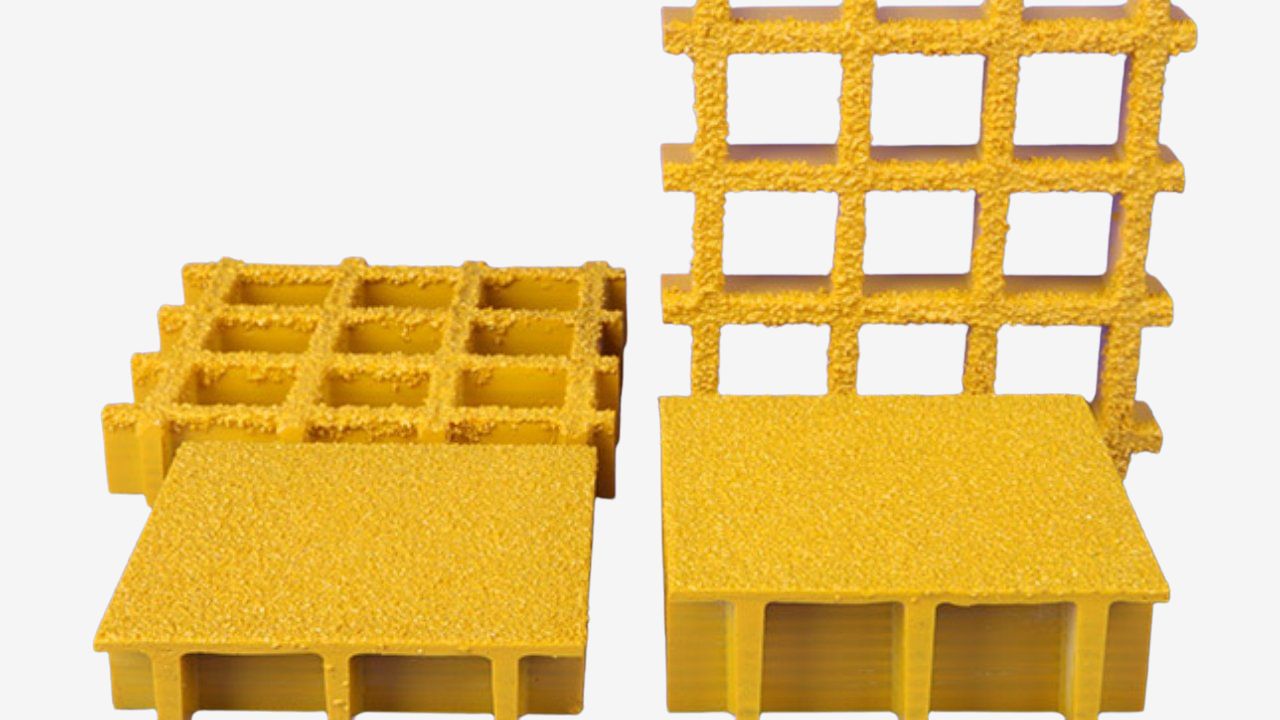
In businesses where climbing heights are a staple, ladder selection is not a casual purchasing decision.
Very often, you will find aluminum and steel ladders, but now, fiberglass ladders are quite common. This usage spike prompts many to ask this question: Why are fiberglass ladders so popular compared to aluminum or steel?
This guide answers this as it explains exactly why fiberglass ladders dominate several applications.
What Is a Fiberglass Ladder?
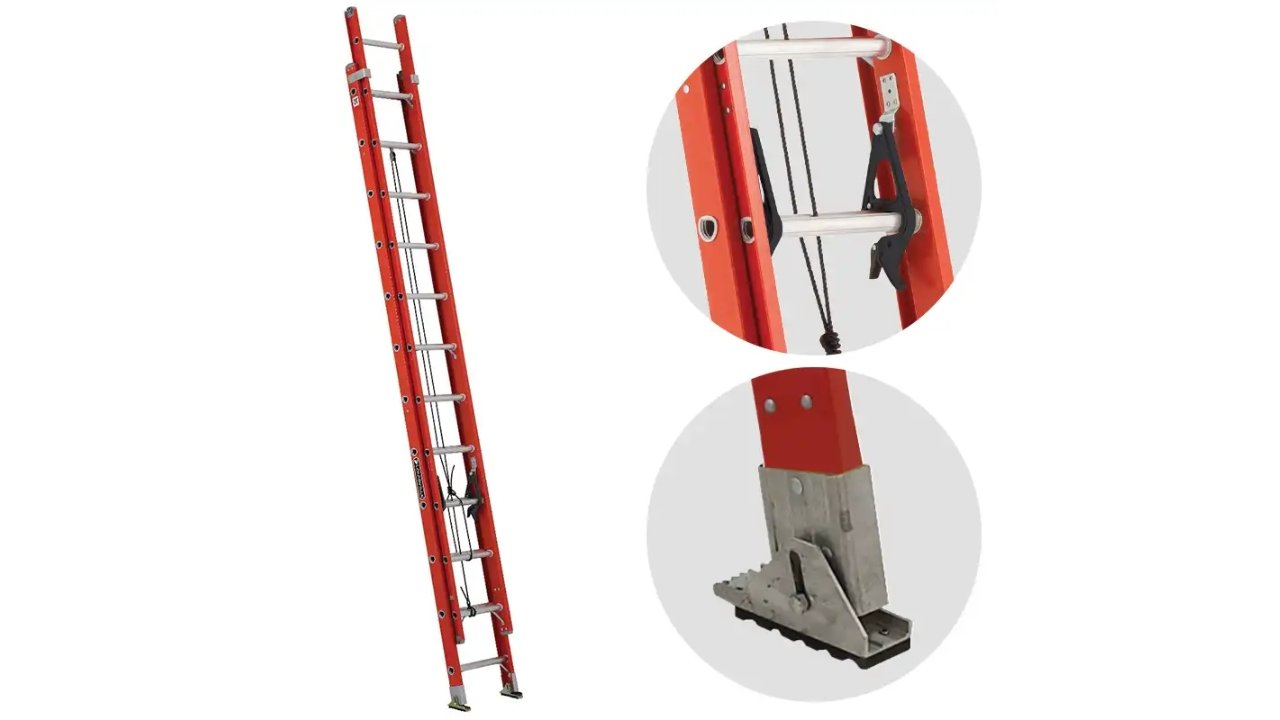
A fiberglass ladder is a non-conductive access ladder made from reinforced composite materials rather than metal of any kind.
To be more specific, a fiberglass ladder is a type of ladder that is made from glass fibers and a resin matrix. That it is completely metal-free makes it safe for electrical-related applications.
The glass fibers are continuous and tightly linked, so this provides the tensile strength you need while you climb. The resin is made of thermosetting resins like polyester or epoxy resin. This resin binds the glass fibers.
Together, both components go through the pultrusion manufacturing process for structural rails.
Types of Fiberglass Ladders
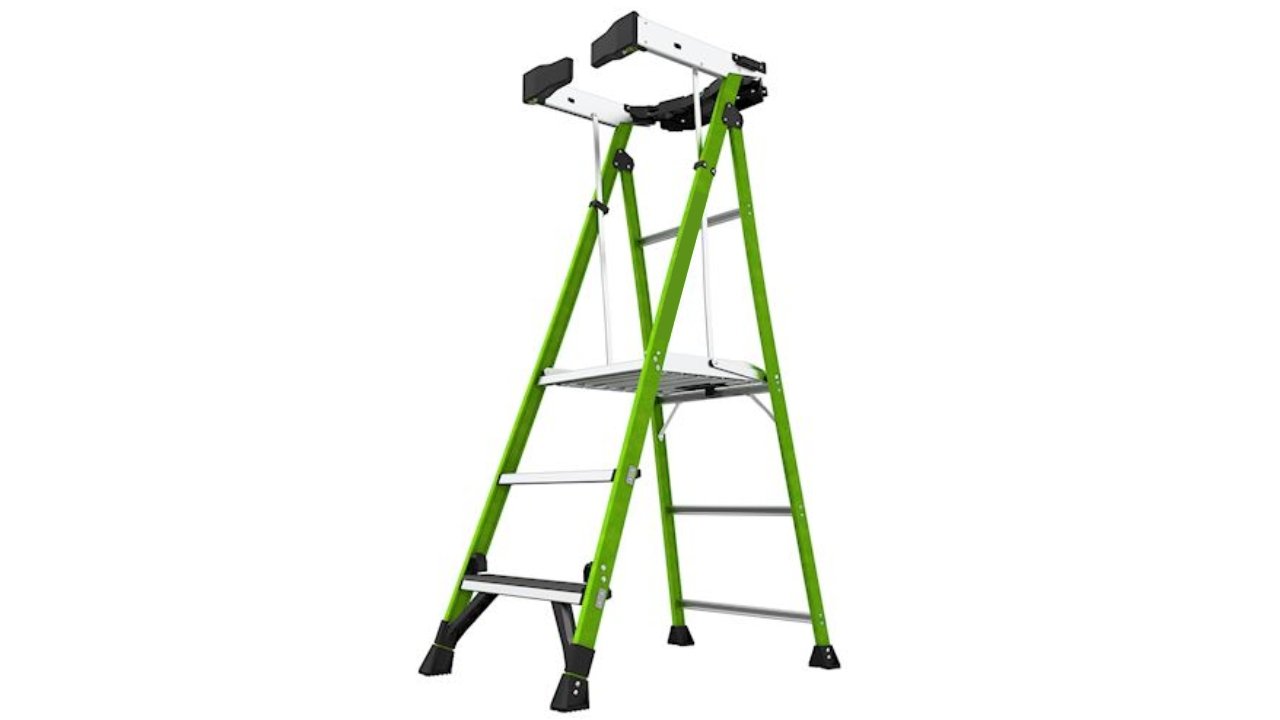
It is good you know that fiberglass ladders are available in multiple types and configurations to suit your different commercial and industrial applications. But primarily, fiberglass ladders are of three types: step ladders, extension ladders, and platform ladders.
Step ladders are self-supporting A-frame ladders used in maintenance, electrical installation, warehouse operations, and facility work.
Extension ladders, on the other hand, are straight but adjustable ladders used for roofing, exterior construction, and utility pole access.
Platform ladders are ladders originally designed with larger standing platforms and guardrails. You use this type of ladder mostly in industrial and commercial maintenance environments that need extended standing time.
Why Choose Fiberglass Ladders
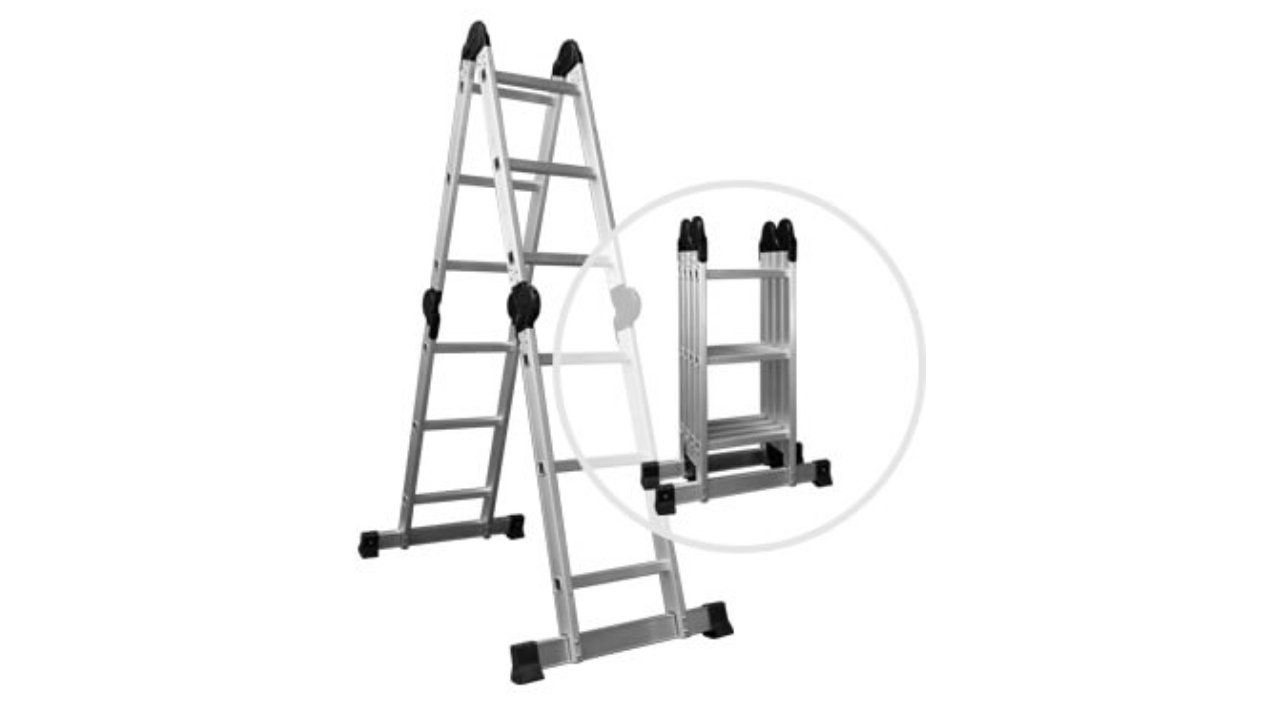
Fiberglass ladders are now more popular than they ever were for these reasons:
1. Electrical Safety
Fiberglass ladders are reliable and strong, yet they do not contain any metal in their structure. They are non-conductive, so they are insulators in a sense.
Electrical insulation is the single most important reason fiberglass ladders are widely used in professional settings. This makes them applicable for every electrical and utility worker you have.
And because fiberglass does not conduct electricity one bit, it reduces the risk of electrical current passing through the ladder when you work near energized systems. It reduces the risk of electrocution too upon contact with live wires and energized systems especially when it is dry.
Fiberglass ladders also comply with OSHA standards for utility workers. The Occupational Safety and Health Administration (OSHA) requires employers to protect workers from electrical hazards under 29 CFR 1926 Subpart K and 29 CFR 1910 standards.
While OSHA does not specifically state fiberglass, non-conductive ladders like fiberglass ladders are strongly recommended when working around electricity.
Essentially, fiberglass ladders = compliance, reliability, and electrical safety.
2. High Strength-to-Weight Ratio
Compared to several other non-conductive materials that you may consider as an option, fiberglass ladders win by a large margin. Fiberglass ladders all offer an excellent balance of strength and manageable weight.
Fiberglass ladders can first withstand load classifications that a metal, like aluminum, can carry. Nowadays, fiberglass ladders are available in Type IA and Type IAA capacities. This means they can hold heavy-duty tools for construction teams and utility tasks. In addition, fiberglass is stronger than wood.
There was indeed a time when traditional wooden ladders were popular for electrical work. However, these wooden ladders become less preferred because they absorb moisture, so they become less reliable and lose structural integrity.
Wooden ladders are also easily prone to cracks or degradation. Fiberglass ladders give you better stability without moisture degradation for a longer time.
3. Corrosion and Weather Resistance
Compared to all other ladder choices that you may consider, fiberglass ladders are the ones you can use in different environments. This environmental durability is another major factor behind fiberglass ladder popularity.
Steel ladders are good choices, but they rust in humid or corrosive environments, limiting their use in these places. Yet fiberglass does not oxidize or rust. Because they neither oxidize nor rust, they are suitable for coastal environments, chemical plants, wastewater facilities, and they are safe for food processing facilities.
Now, aluminum ladders may not easily corrode in harsh environments like steel, but fiberglass ladders still have better outdoor durability than aluminum in certain environments.
For instance, aluminum can corrode when you expose it to salt air or industrial chemicals. But in contrast, fiberglass ladders resist many environmental contaminants more effectively than aluminum ladders.
In addition to its superior resistance in aggressive environments, modern fiberglass ladders now include UV-resistant surface coatings. These coatings slow the degradation that will happen due to prolonged sun exposure. Thus, fiberglass ladders have a longer service life.
4. Long-Term Durability
When buying ladders for industrial use, you’d agree that industrial buyers prioritize total cost of ownership over initial price.
Fiberglass stands out as it resists splitting better than wood. Fiberglass ladders do not permanently deform as easily as aluminum under heavy stress, either.
Fiberglass ladders are less likely to bend under load. Their side rails rarely flex compared to some aluminum ladders when you subject both to an equivalent load. Thus, you can use these fiberglass ladders for repeated transport, rough job site handling, and carrying heavy equipment.
You can also subject it to frequent repositioning, yet it maintains structural integrity over extended cycles of use.
5. Compliance With Safety Standards
When you are buying ladders for professional use, you must ensure that your procurement of these ladders aligns with recognized safety standards. Professional ladders often must align with OSHA and ANSI ladder requirements and categories.
The OSHA regulations for ladders are considered the ultimate regulatory standard for professional ladders in several regions. It defines requirements for the angle, load capacity, slip resistance, and even inspection and removal from service.
The American National Standards Institute (ANSI) standard A14 defines and classifies ladder performance requirements.
When you make fiberglass ladders with ANSI specifications in mind, they will meet OSHA requirements.
Ladder Load Ratings and Duty Classifications
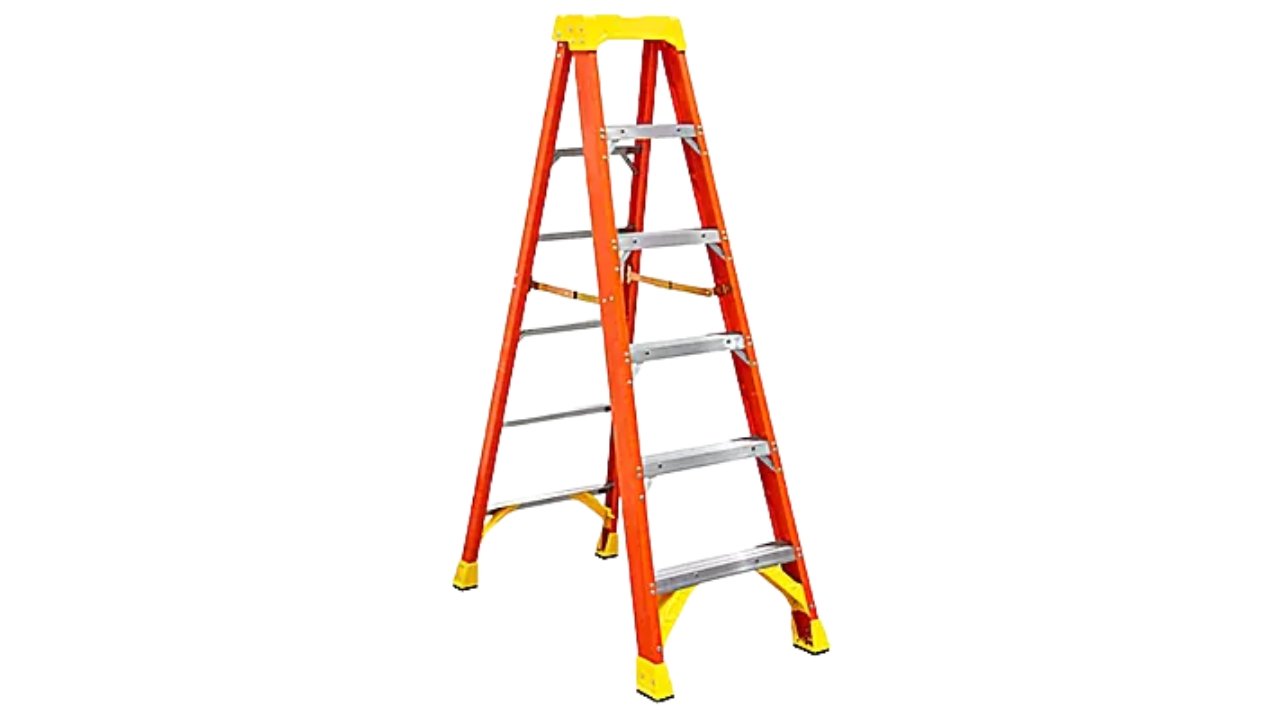
ANSI has duty ratings for all ladders it certifies, and as a buyer, it is important that you have these ratings in mind. All recognized ratings are explained below.
| Type III | Type III fiberglass ladders are considered light-duty ladders. They can only carry a load capacity of 200 lbs. Hence, they are the best fit for general household use or simple tasks. |
| Type II
| Type II ladders are considered medium-duty ladders. They have a load capacity of 225 lbs in total. Hence, they are the best fit for commercial light maintenance. |
| Type I | Type I ladders are tagged as heavy-duty ladders as they have a load capacity of at least 250 lb. These types of ladders are great for construction and industrial use.
|
| Type IA | This type of fiberglass ladder has a capacity of around 300 lb. They are tagged extra heavy-duty ladders, and they are great for industrial and contractor use. |
| Type IAA | This type of fiberglass ladder is called a special duty ladder as it can carry loads of at least 375 lb. They are excellent for heavy-duty applications. |
As a business owner, you should go for Type IA or Type IAA fiberglass ladders, which most professional buyers select. These ladders maintain compliance margins and reduce risk.
FAQs
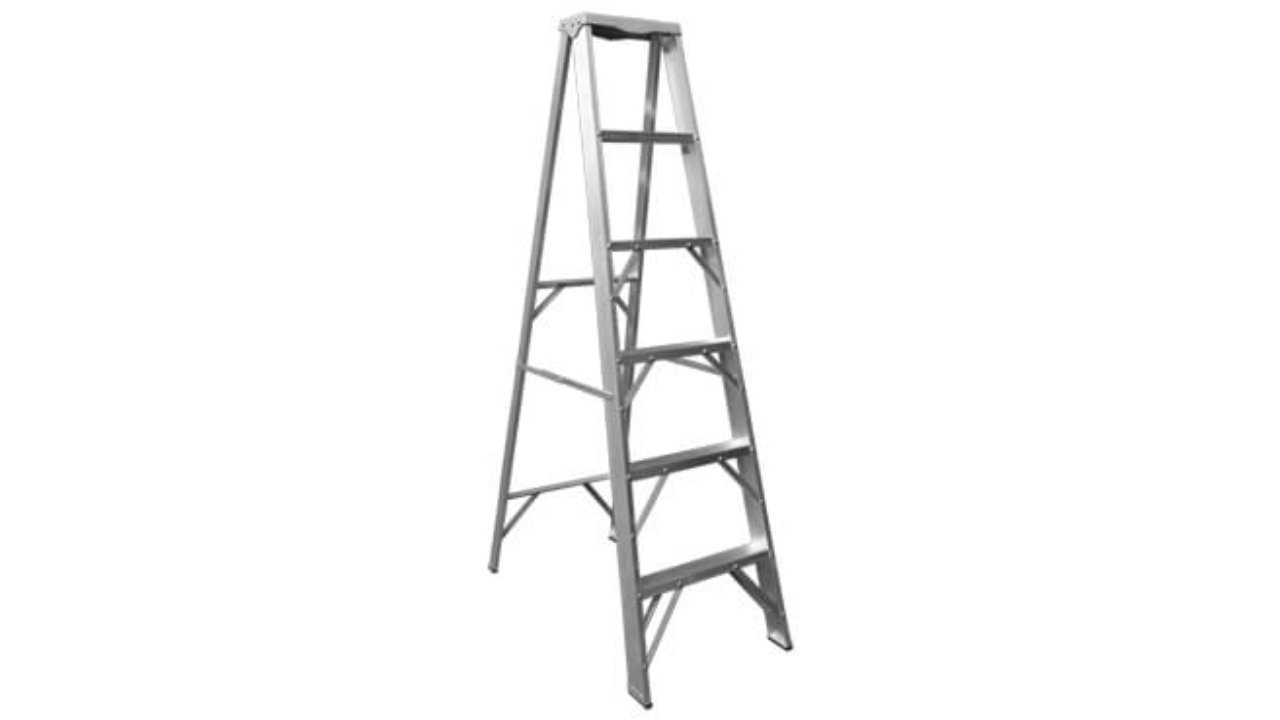
Why are fiberglass ladders safer than aluminum?
Primarily, fiberglass ladders do not conduct electricity, reducing the risk of electrical shock when you work near energized systems. Aluminum conducts electricity, so it has a higher electrocution risk.
Do fiberglass ladders conduct electricity?
No, fiberglass does not conduct any electricity when it is clean and dry. However, when wet or contaminated with conductive materials or solvents, its insulation performance reduces. This is why proper maintenance of this ladder is essential.
Are fiberglass ladders heavier than aluminum?
Yes, the average fiberglass ladder is heavier than an aluminum ladder of the same size and rating. This is because fiberglass ladders have a composite structure.
What is the best fiberglass ladder for electrical work?
For professional or heavy-duty uses, it is safer to go for the Type IA or Type IAA fiberglass ladders
Why You Should Choose Primefrp
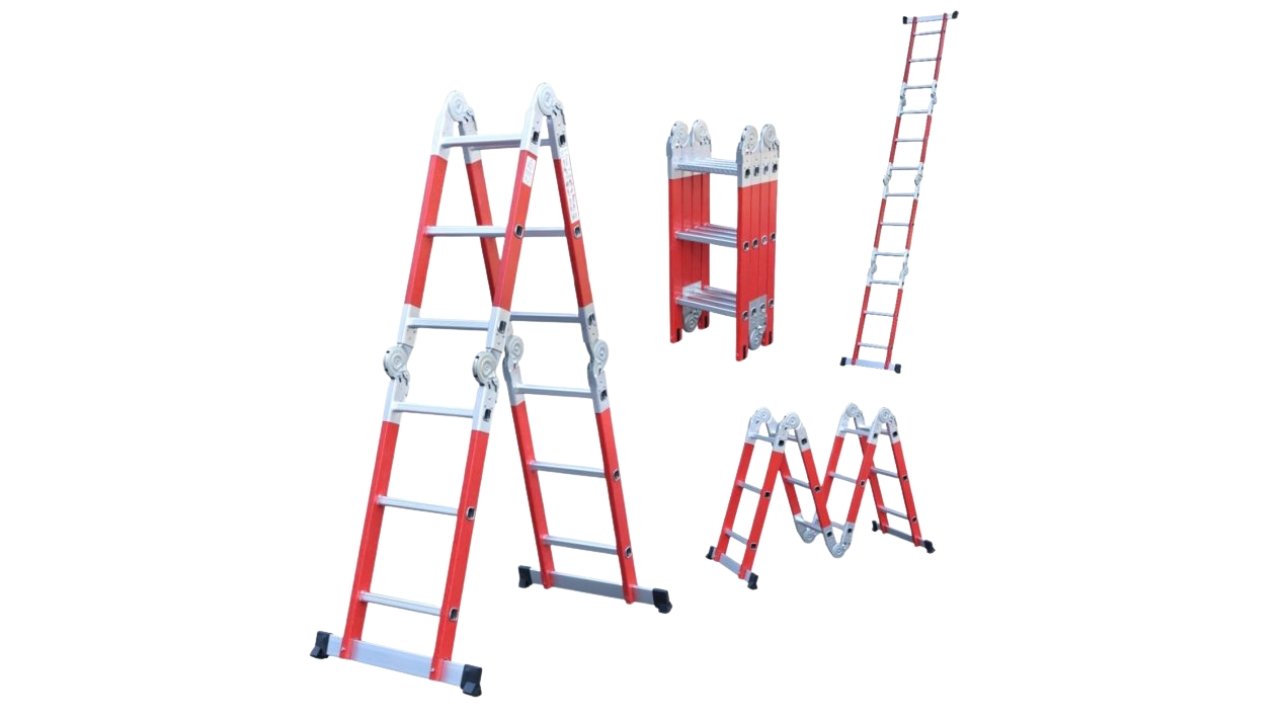
At Primefrp, we specialize in making reliable fiberglass ladders tailored for different uses.
Our products align with standard requirements and different regulations. Together with skilled operators worldwide, we will deliver customized fiberglass ladders just for you.