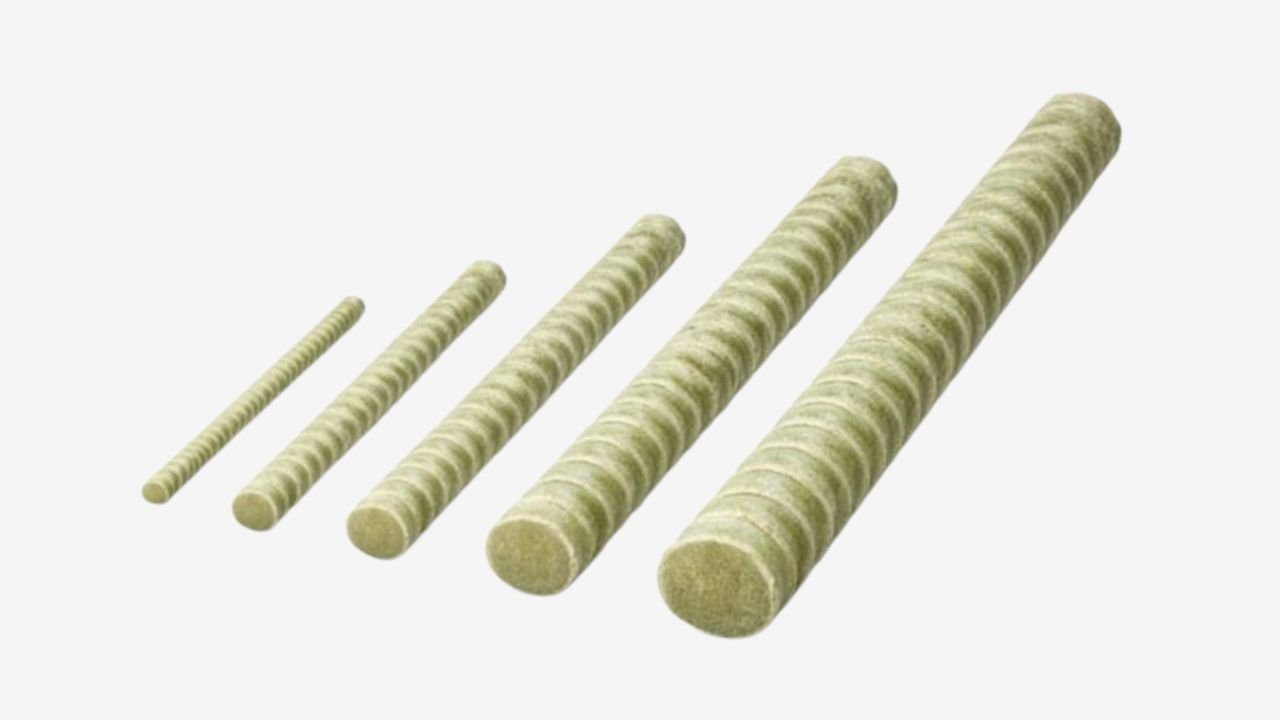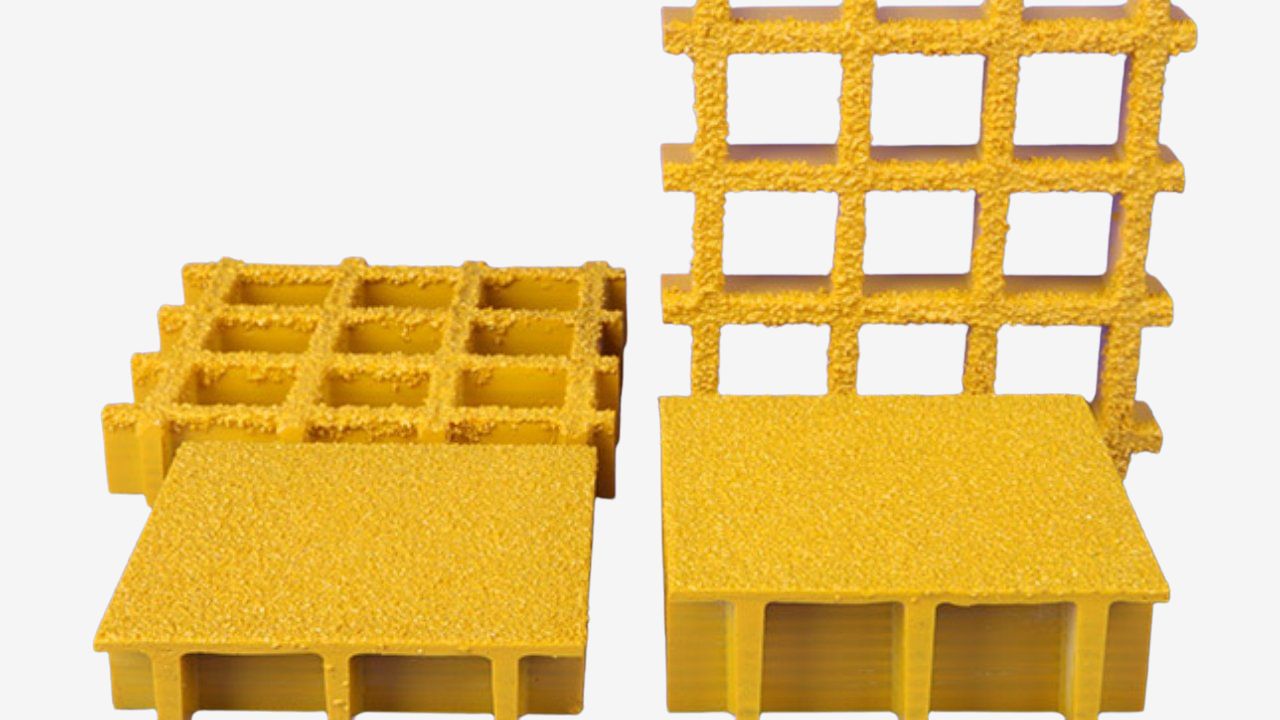
If you are looking for grating materials that blend both high strength to weight ratios, then choose fiber reinforced plastic. In most construction projects, traditional materials for grating fail when subjected to harsh environments.
In this article, we will explore some innovative ways you can use FRP grating across different industries, from building and construction, manufacturing industries, chemical processing, and wastewater treatment.
Let’s start with the basics:
What FRP Grating?
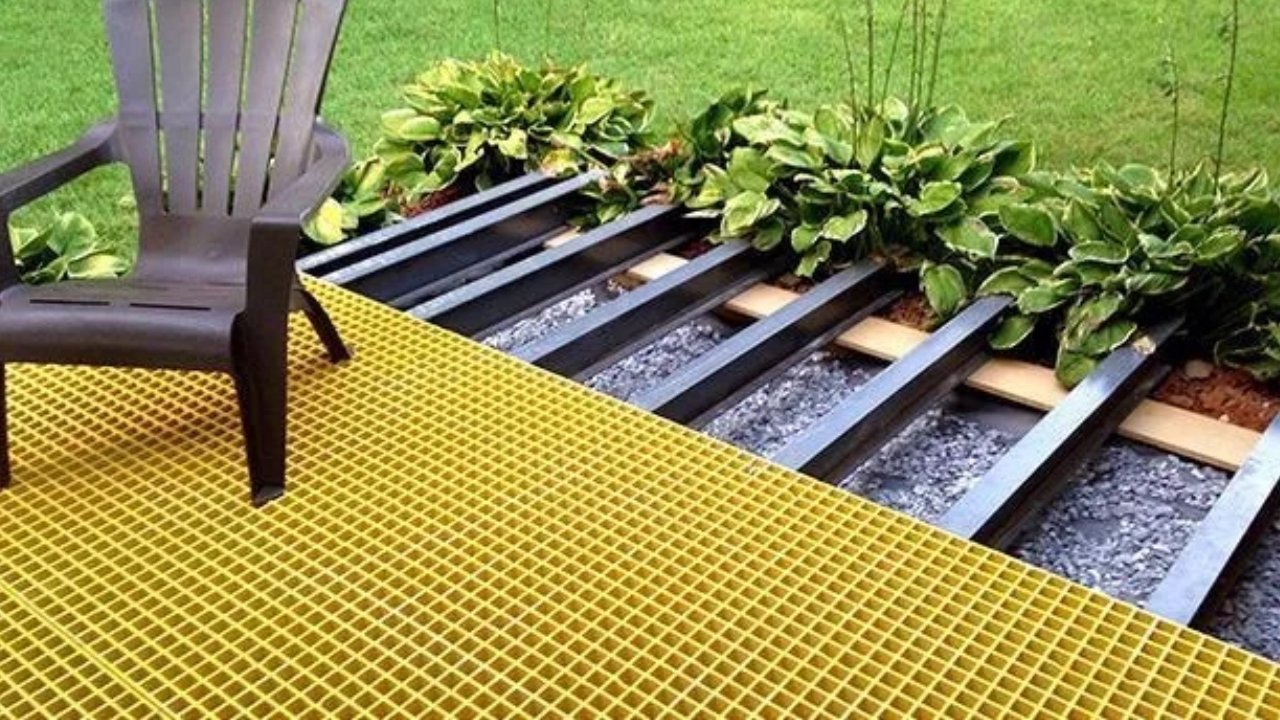
FRP grating (fiber reinforced plastic grating) is a specially engineered flooring system made by blending a protective resin matrix and high-strength glass fiber. It is a unique engineering material that is currently replacing other grating materials like metals.
FRP Grating in Various Industries
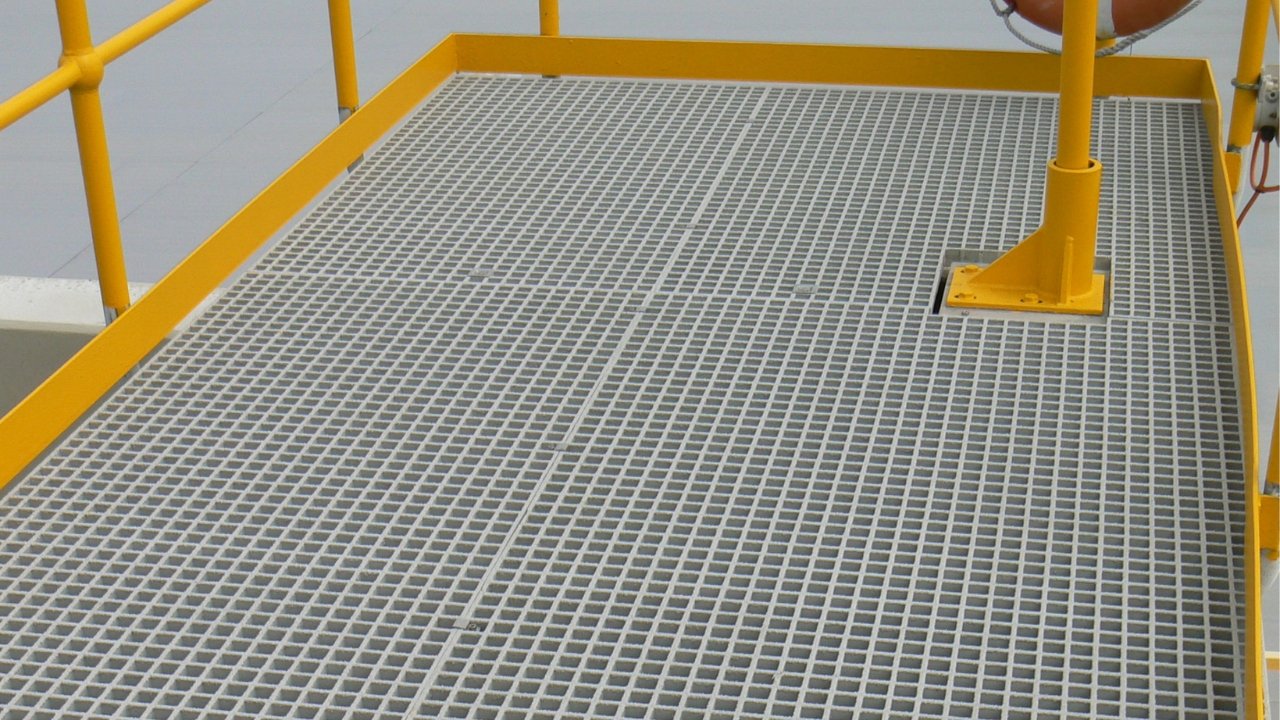
1. Industrial Walkways & Access Platforms
In industrial walkways, access platforms like elevated walkways, maintenance access platforms, mezzanine floors in production facilities and factories, FRP grating offers a practical solution.
In these environments, FRP grating can withstand exposure to various environmental conditions. These include chemicals on floors, heavy foot traffic, moisture, and oils.
Compared to steel grating, fiberglass reinforced plastic doesn’t corrode, and due to its slip-resistant surface feature, it enhances work safety.
The lightweight makes it easy to install at higher heights. Additionally, FRP cuts down structural load on supporting frameworks, which makes it perfect for retrofitting existing facilities.
2. Chemical Processing Plants
Chemical processing plants require flooring materials that can withstand exposure to aggressive solvents, acids, and alkaline solutions, which makes fiberglass reinforced plastic grating a perfect choice.
Isophthalic polyester or vinyl ester, which form part of the FRP grating, makes it ideal for these harsh chemical environments.
Therefore, you can install FRP grating around pump stations, mixing zones, tanks, and containment areas.
This is because it doesn’t degrade or rust with ease. Furthermore, FRP grating limits maintenance downtime and replacement costs within chemically intensive environments.
3. Wastewater & Water Treatment Facilities
Naturally, water treatment plants are constantly exposed to corrosive gases, moisture, and humidity. Therefore, FRP grating is used widely for aeration tank walkways, clarifier covers, sludge processing areas, and trench covers. Since FRP grating has non-corrosive properties, it is more durable compared to metal grating in damp conditions.
Again, it offers workers in wet surface areas with high safety levels.
4. Oil & Gas Industry Applications
In offshore platforms, oil refineries, and petrochemical plants, where durability and safety are of the highest importance, FRP grating is preferred over other materials. FRP grating is installed mostly in these dangerous areas because it is non-conductive and non-sparking. So, in environments that are daily exposed to saltwater, hydrocarbons, and chemicals, it performs excellently well.
Additionally, its lightweight makes it perfect for offshore platforms, where reducing structural weight is of the essence.
5. Food & Beverage Processing Plants
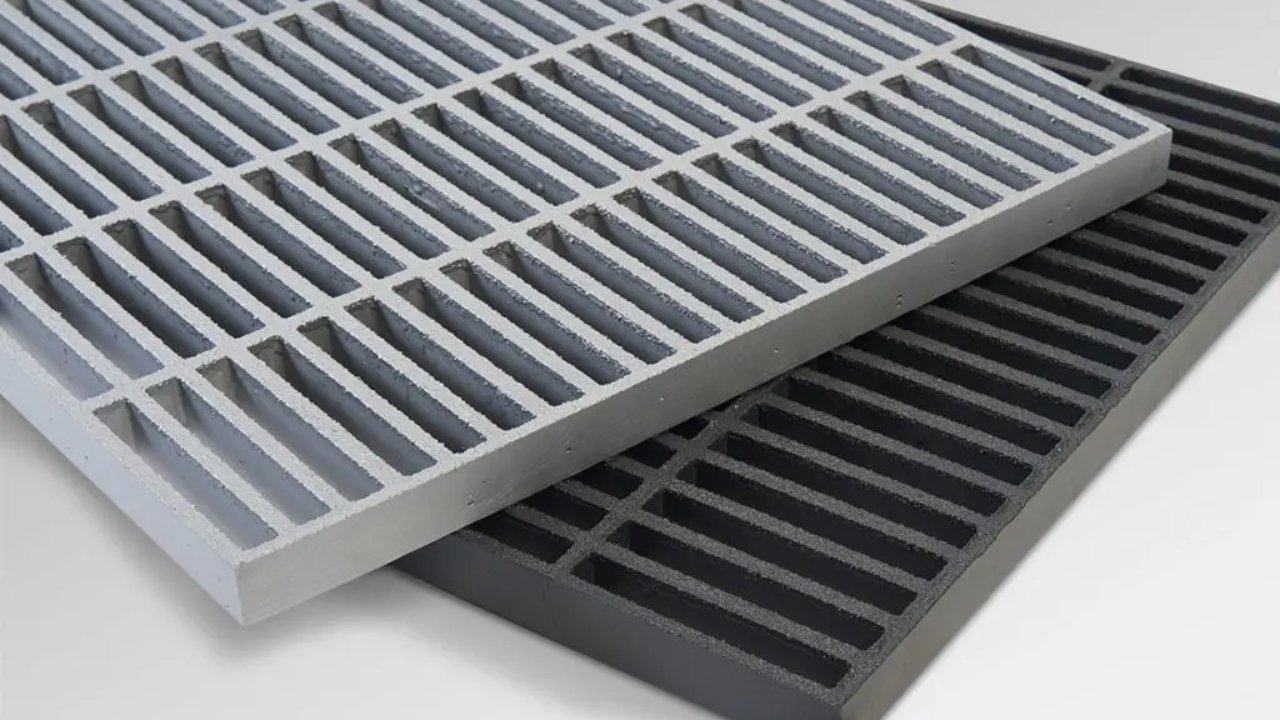
In food production companies, hygiene and safety are critical. This is what makes FRP grating ideal for cold storage rooms, washdown areas, and processing floors. These installations boost the overall safety of employees in the workplace.
Also, the ability to resist moisture, bacterial growth, and cleaning chemicals makes it perfect where sanitary standard is a priority. With its anti-slip surface, workplace accidents are nonexistent even when oils and water are present.
6. Marine & Coastal Environments
Indeed, marine environments like ship decks, docks, marinas, and piers have high corrosive levels. This is due to their constant exposure to saltwater. With FRP grating, it can withstand the corrosive marine environment.
Therefore, your structures can maintain their inherent properties no matter the humid and salty conditions. Besides, it does not require much maintenance compared to the conventional grating methods.
7. Power Plants & Electrical Substations
FRP grating is used widely in power plants and electrical substations since this material is non-conductive.
Therefore, even when you use these materials on transformer platforms, cable trench covers, switchgear rooms, or cooler tower walkways, they offer better safety.
Even in high-voltage settings, these gratings will guarantee safety. You don’t have to worry about the possibility of electrical shock.
8. Mining & Heavy-Duty Industrial Sites
Mining operations require durable flooring materials. As a result, you need a grating that can withstand heavy machinery and equipment, besides the ability to withstand abrasive conditions, moisture, and chemicals. This is where FRP grating comes in.
They are used as conveyor walkways, equipment access floors, screening platforms, and processing plants. Even for rugged environments, the high load-bearing capacity of FRP makes it a perfect choice for most mining environments.
9. Commercial & Public Infrastructure
You will find FRP grating used widely in public spaces like stair treads, pedestrian bridges, park walkways, and architectural facades. Even in these spaces, FRP offers a long service life with reduced maintenance.
Consequently, it is a cost-effective solution for most commercial developers and municipalities.
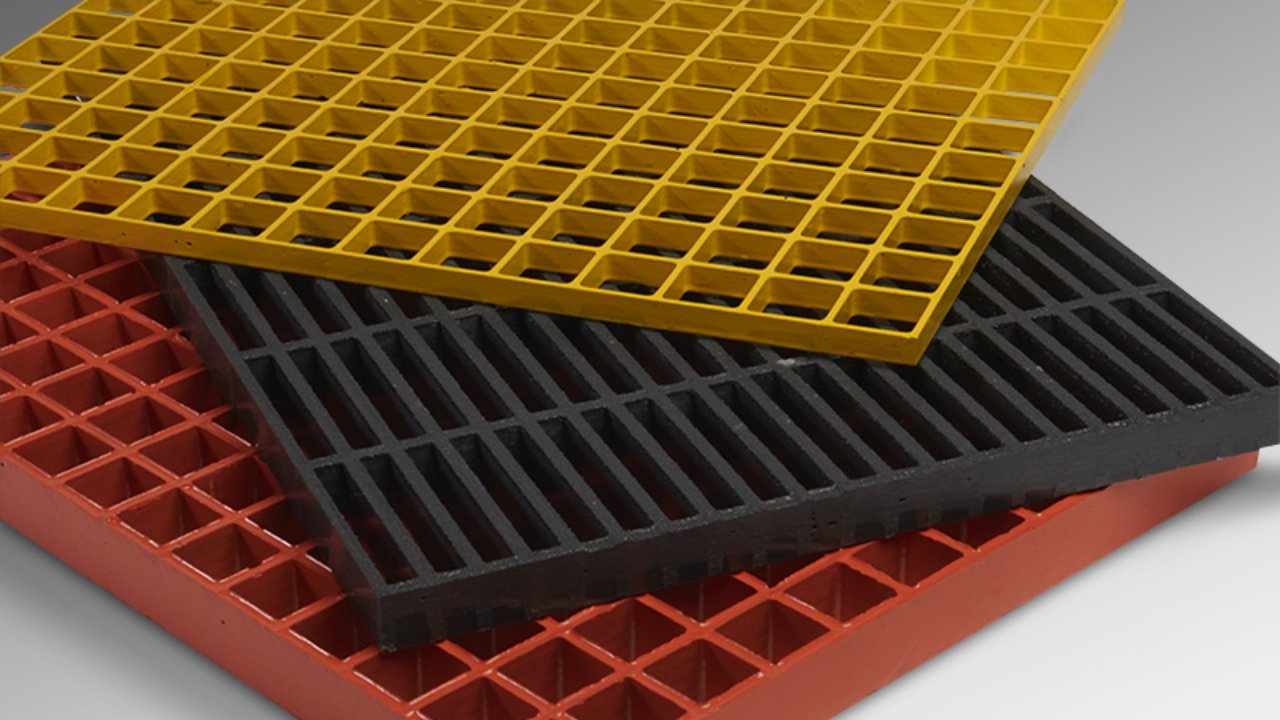
Additionally, FRP’s design flexibility permits modifications in different patterns and colors. So, you have various options to choose from that meet your style or setup needs.
10. Cooling Towers & HVAC Systems
FRP grating is widely used in cooling towers and HVAC systems. Since these platforms operate in a high-moisture and chemically treated environment, FRP grating is an ideal option.
It is for this reason that you will find FRP grating installed widely on rooftop service platforms, cooling tower floors, and drainage environments.
FAQs
Does FRP grating installation require heavy reinforcement?
No. Generally, this material is lightweight.
How long does FRP Grating last?
It lasts for 10 to over 20 years. However, this will depend on the load requirements, maintenance, and environmental conditions.
Is FRP Grating chemically resistant?
Yes.
Fiberglass reinforced plastic is resistant to most acids, alkalis, and solvents. It is for this reason that you will find these gratings in chemical processing factories.
Can FRP Grating rust?
No. It has no metal parts, so it doesn’t rust.
Is FRP grating environmentally friendly?
Yes, it has a long service life and requires minimal maintenance. It is environmentally friendly.
What are the different types of FRP grating?
There are two types of FRP grating, which are molded FRP and pultruded FRP grating.
Trust Primefrp for Your FRP Grating
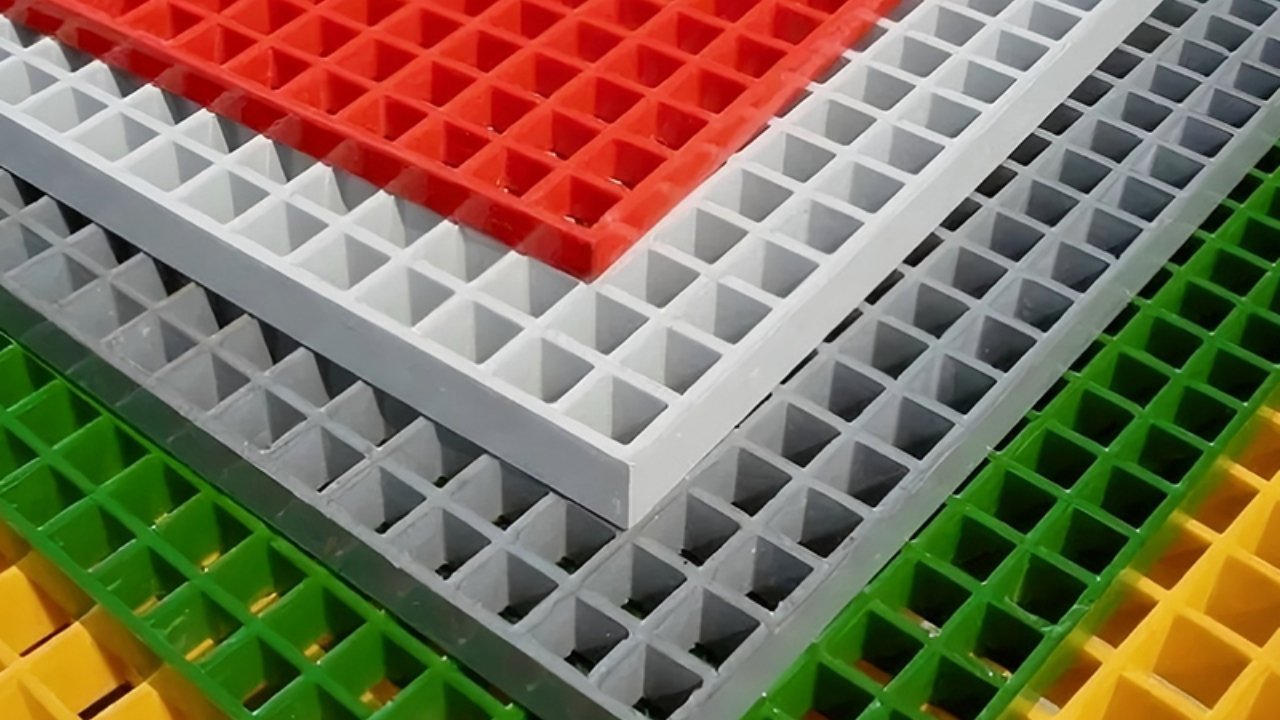
Primefrp is your trusted FRP grating manufacturer in China. Our grating range from FRP mesh grating, FRP mini mesh grating, FRP covered grating, heavy duty FRP grating, to anti-slip grating.
At Primefrp, every grating is custom-made to match your unique project requirements. Tell us more about your project needs, and we will customize the grating to match your needs – talk to our sales team now.