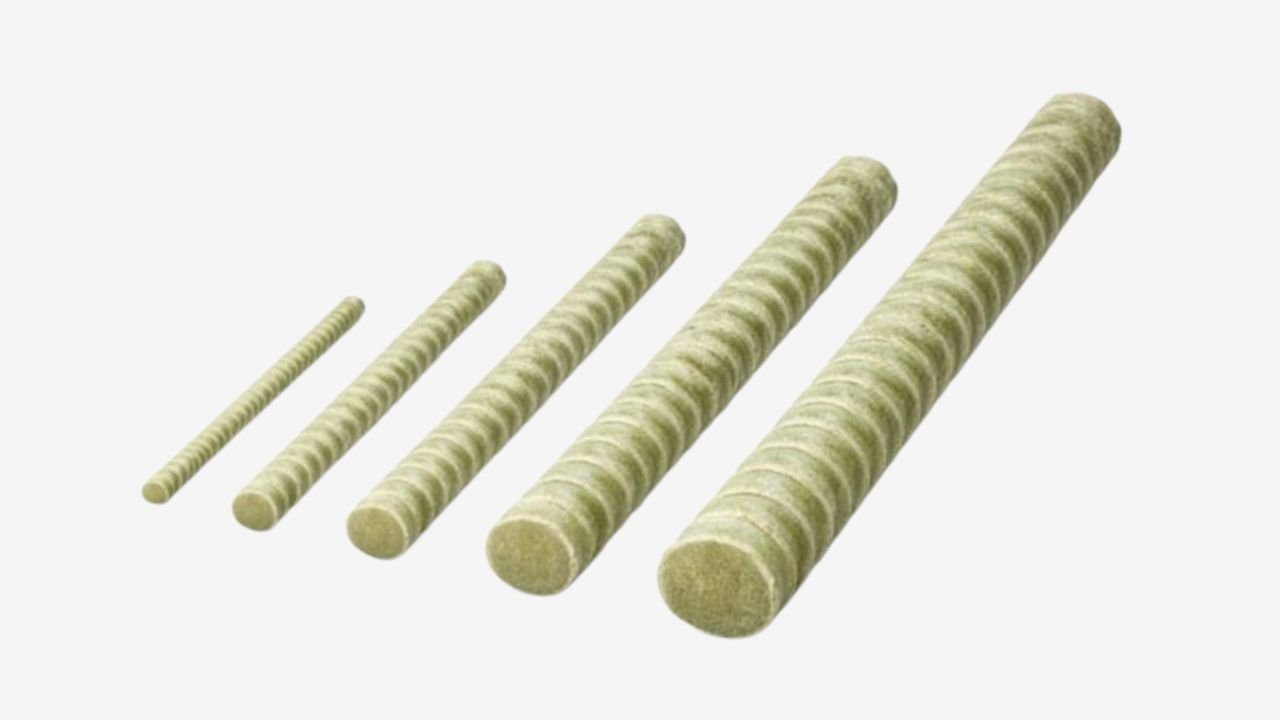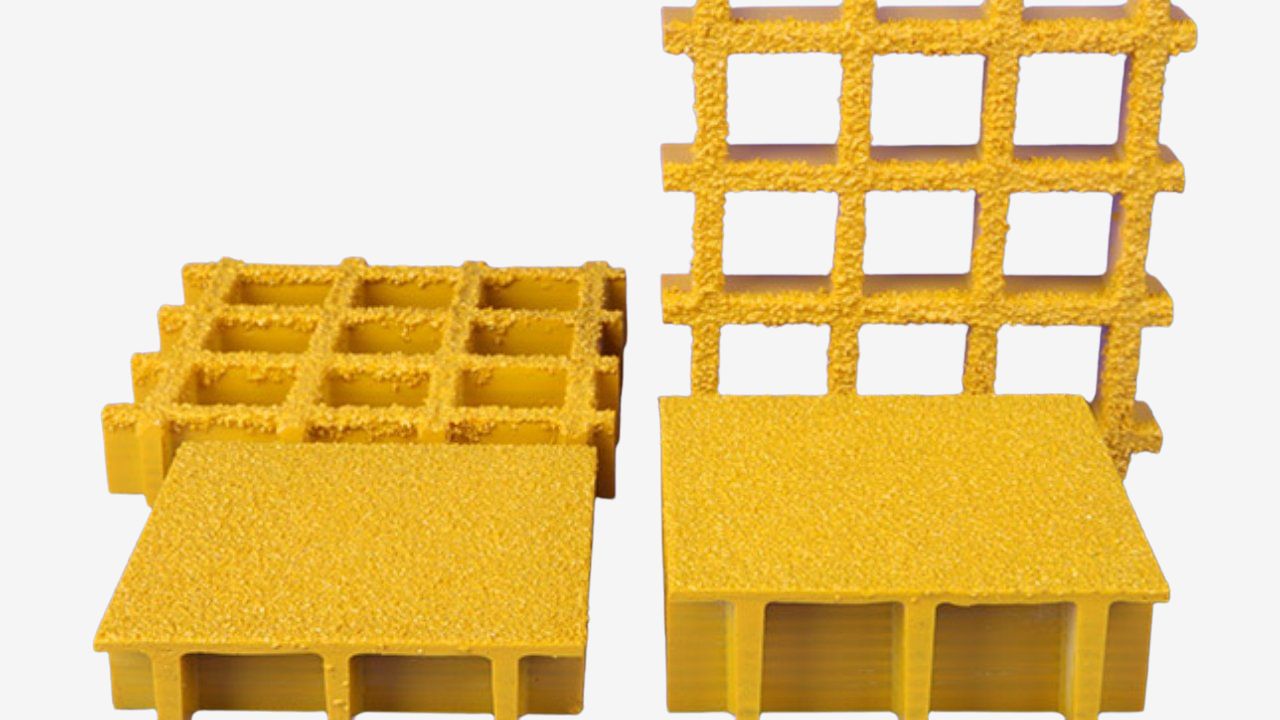
In challenging environments, fiberglass structural shapes are rapidly taking the place of traditional materials. This is because of its resistance to corrosion and great strength-to-weight ratio. Several project managers, and contractors face load, maintenance, and durability issues, this is why it is important to choose the best structural material. This article explains the usefulness of fiberglass structural shapes to ensure you make the best decisions.
What are Fiberglass Structural Shapes?
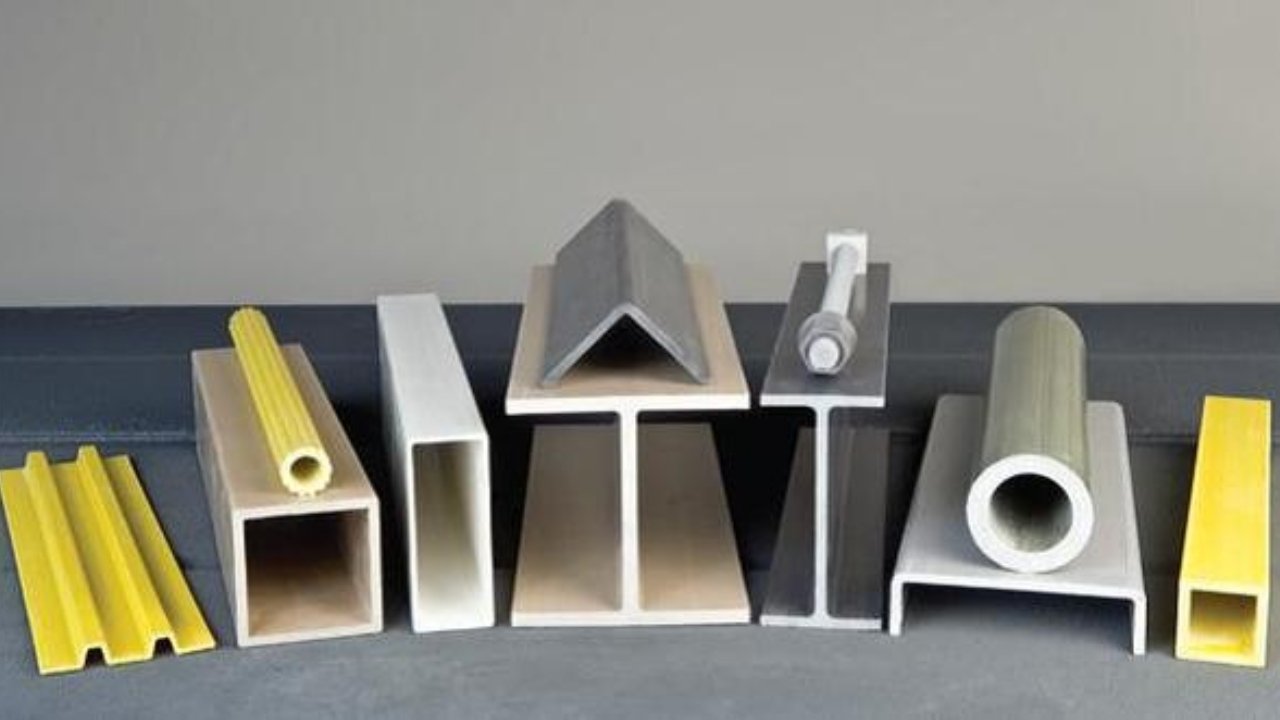
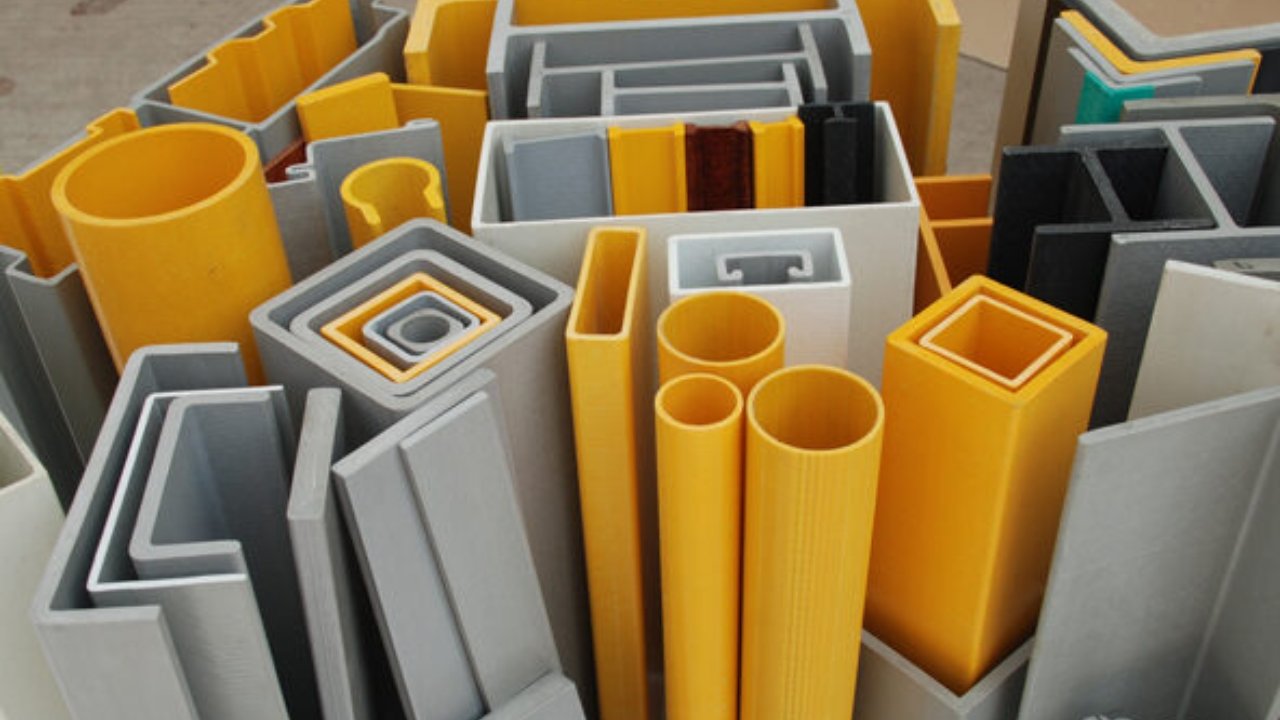
Fiberglass structural shapes are composite profiles that are manufactured from reinforced glass fibers, which are rooted in a polymer resin matrix. Through different manufacturing processes, they are transformed into different structural profiles such as flat bars, tubes, angles, channels, etc. These structural; shapes provide a reliable capacity for load bearing, while remaining corrosion-resistant and lightweight. This is why they are useful in difficult structural environments. Engineers must note the connection detailing and lower modulus of electricity of fiberglass to achieve safety and structural performance.
Uses for Fiberglass Structural Shapes
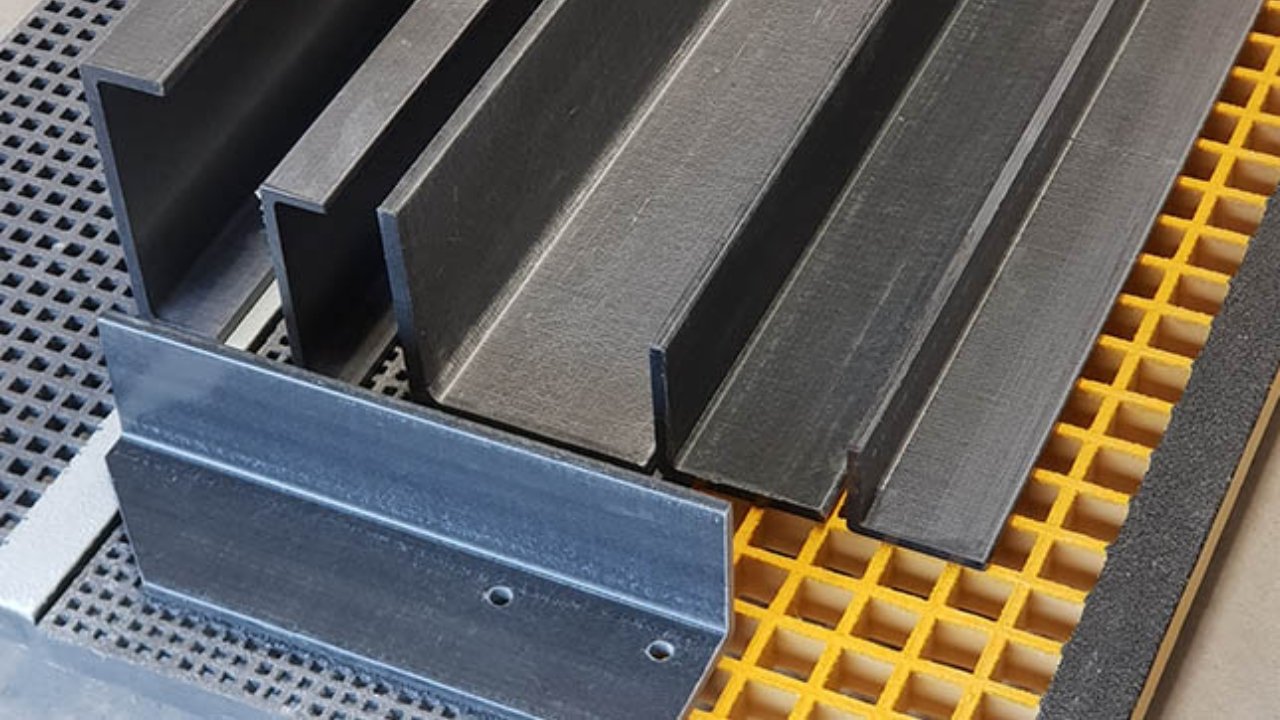
Here are the uses of fiberglass structural shapes:
· Load-bearing Support
Fiberglass structural shapes are useful for load-bearing support in environments requiring high durability and strength. Profiles like square tubes, channels, and I-beams, offer reliable support for secondary framing systems, platforms, and floors. They have a high strength-to-weight ratio, which makes them capable of carrying huge loads; this reduces the structural weight. Also, they are very useful in projects that require reducing foundation stress.
Furthermore, fiberglass is corrosion-resistant and this is why they maintain their structural integrity in the long-term even in chemically exposed and moist environments. In addition, these shapes are dimensional stable under different temperatures, which supports consistent performance. For contractors seeking reliable members and less maintenance requirements, fiberglass shapes provide a durable and practical load-bearing option.
· Efficient Support Systems
Fiberglass structural shapes are ideal for building pipe support systems and equipment frames used in industrial facilities. Beams, angles, and channels offer support to heavy mechanical equipment. These components are resistant to corrosion, making them useful in applications like wastewater facilities and chemical processing plants. In these applications, metal support may degrade quickly due to exposure to harsh chemicals and moisture.
Fiberglass supports offer long-lasting performance and ensure structural integrity without the need to repaint frequently or use additional coatings.
Furthermore, these supports are lightweight, enabling easy installation and reducing labor cost. They have shapes that allow you to create customized racks and bracing to meet the unique demands of your projects. Fiberglass structural shapes are a cost-effective support solution for projects where safety and durability are very important.
· Construction of Elevated Structures
Fiberglass structural shapes are very useful in building elevated structures like walkways, handrails, platforms, etc. These components offer reliable access to elevated work areas, rooftops, and equipment in commercial and industrial facilities. Also, their non-corrosive capability ensures strong durability in outdoor, chemical, or wet environments.
Fiberglass is rust-resistant too, which will reduce the frequency of maintenance and ensure better safety conditions. Also, the lightweight features of the material speeds up the installation and promotes easy handling, especially in confined areas. It is possible to combine fiberglass shapes with grating systems to create full access assemblies. For facilities that need elevated access options requiring less maintenance, fiberglass structural shapes offer long-term performance, safety compliance, and structural stability.
· Structural Strengthening
Fiberglass structural shapes can reinforce existing structures that have high load capacity and need extra support. You can use them to improve structural support in composite or steel systems without adding to weight. They are corrosion-resistant, which makes them ideal for strengthening structures that have frequent exposure to salt, chemicals, or moistures.
You can as well use fiberglass members in applications where it is important to ensure even load distribution. Since they are lightweight, their installation process doesn’t have a negative impact on existing infrastructure.
Also, fiberglass structural shapes are durable and require low maintenance. You can consider using these structural shapes for upgrading structures because of their strengthening ability and reduced lifecycle costs.
· Corrosion-Resistant Framework
Fiberglass structural shapes are suitable for building structural frameworks that are resistant to corrosion in demanding environments. Facilities like water treatment stations and chemical plants need materials that can withstand exposure to chemicals, salt, and moisture. Also, unlike traditional metals, fiberglass doesn’t degrade, and this is why it is very reliable for prolonged use.
Fiberglass-shaped frameworks usually retain their integrity without requiring frequent maintenance or protective coatings. This reduces the costs of operation and timeline for delivery over time. In addition, the dimensional stability of the material promotes consistent performance under different environmental conditions.
Fiberglass structural shapes provide a less expensive and durable structural framework option where corrosion becomes an issue. Fiberglass provides lower lifecycle costs compared to steel because of less installation labor, reduced maintenance, and no corrosion.
· Non-Conductive Parts
Fiberglass structural shapes are commonly used in electrical and utility applications as non-conductive components. Fiberglass, in general, doesn’t conduct electricity and as such, it ensures safety when installed close to electrical equipment or power lines.
Due to this property, fiberglass shapes can prevent electrical contact and ensure structural compliance to safety standards. Fiberglass structural supports and framing systems offer protection to equipment and technicians working on high-voltage places. Also, fiberglass is a better option to metal especially in sensitive areas. This is because it has great structural strength and exceptional corrosion resistance.
Fiberglass structural supports are a reliable option in applications where safety and durability are important.
· Lightweight Structural Fabrication
Fiberglass structural shapes are useful in lightweight fabrication where easy handling and less weight are paramount. With their strength-to-weight ratio, engineers can create structural systems which reduce total mass and maintain performance. This is very useful in rooftop installations, modular construction, and projects that are transport sensitive.
In addition, lightweight components simplify logistics and reduce foundation needs. With fabricators, fiberglass shapes can be cut, drilled, and assembled into support structures efficiently. With less weight, the installation speed improves and the demands for labor reduces. For projects that require strong structural elements, fiberglass shapes provide proper fabrication and efficient performance.
· Protective and Safety Structures
Fiberglass structural shapes serve as safety and protective components like equipment enclosures, barriers, and guardrails. These components ensure boundaries that are around hazardous machinery are secure enough.
Fiberglass offers strong support and ensures long-term performance. Also, these shapes can withstand corrosion and harsh environmental conditions, which contributes to their long lifespan.
Fiberglass is a low-maintenance material that doesn’t require additional coating and rust treatment unlike metal. Also, fiberglass structural shapes are non-conductive and as such, are safe for use in electrical environments.
These lightweight structural supports are straightforward to install and easy to maintain. When installing, make use of carbide-tipped tools when cutting, don’t make the bolts too tight to prevent crushing and always work with the guidelines of the manufacturer when drilling and fastening. Fiberglass is a better and long-lasting solution for projects that prioritize durability and compliance to safety standards.
FAQs
Do fiberglass structural shapes have enough strength to replace steel?
Yes, Fiberglass structural shapes have enough strength to replace steel in different applications, also providing good load-bearing, corrosion resistance, and high performance in good structural systems.
How long can fiberglass structural shapes last?
Fiberglass structural shapes usually last some decades, usually between 25 and 50 years. This is largely dependent on the load conditions, installation measures, and environmental exposure.
Can you use fiberglass structural shapes outdoors?
You can use fiberglass structural shapes outdoors, because they can resist exposure to moisture, corrosion, and ultraviolet rays, and unfavorable weather conditions compared to several conventional materials.
Can fiberglass structural shapes work well in corrosive environments?
Fiberglass structural shapes can tolerate moisture and harsh chemicals. Therefore, you can use them in applications exposed to corrosion like chemical plants and wastewater facilities.
Do I need special tools to install fiberglass shapes?
No, you don’t need any specialized tools to install fiberglass shapes. These components are very easy to install if you follow the required instructions.
Can fiberglass structural shapes resist fire?
Not all fiberglass structural shapes can resist fire. Some fiberglass supports feature fire-resistant resins that improve their performance during fire.
Can I customize fiberglass structural shapes for unique project demands?
Yes. Fiberglass structural shapes can be available in a desired size, finish, and profile. These shapes can be designed to meet the demands of your project.
How do fiberglass shapes compare to others in lifecycle cost?
The lifecycle cost of fiberglass shapes are lower compared to metal support. Fiberglass shapes require minimal maintenance because they are resistant to corrosion and don’t need protection barriers or frequent repairs.
Partner with Primefrp
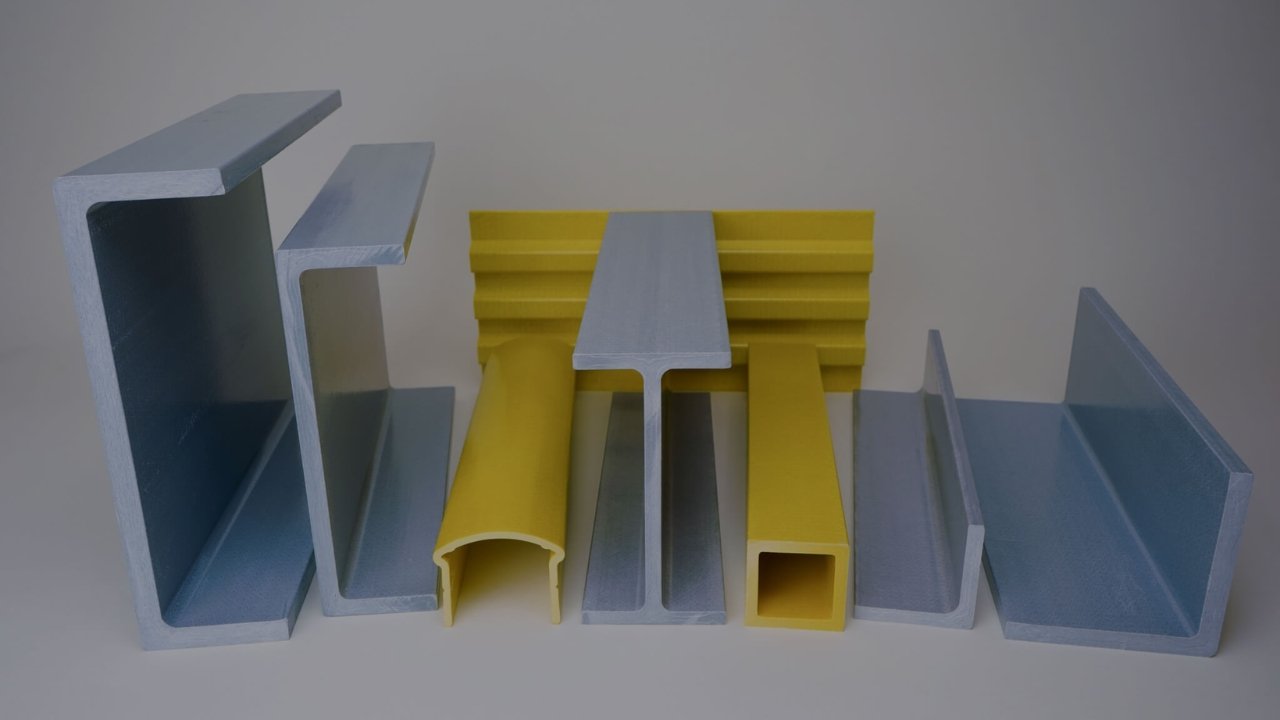
Primefrp fiberglass structural shapes provide useful solutions for lightweight fabrication, safety structures, corrosion-resistant structures, and reinforcement needs. At Primefrp, we provide panels that guarantee low maintenance needs, durability, and strength, making them a great option to conventional materials in demanding areas.
Depending on your unique project needs, we customize fiberglass structural shapes to meet your unique specifications – Request for a quote now.